
Hello!
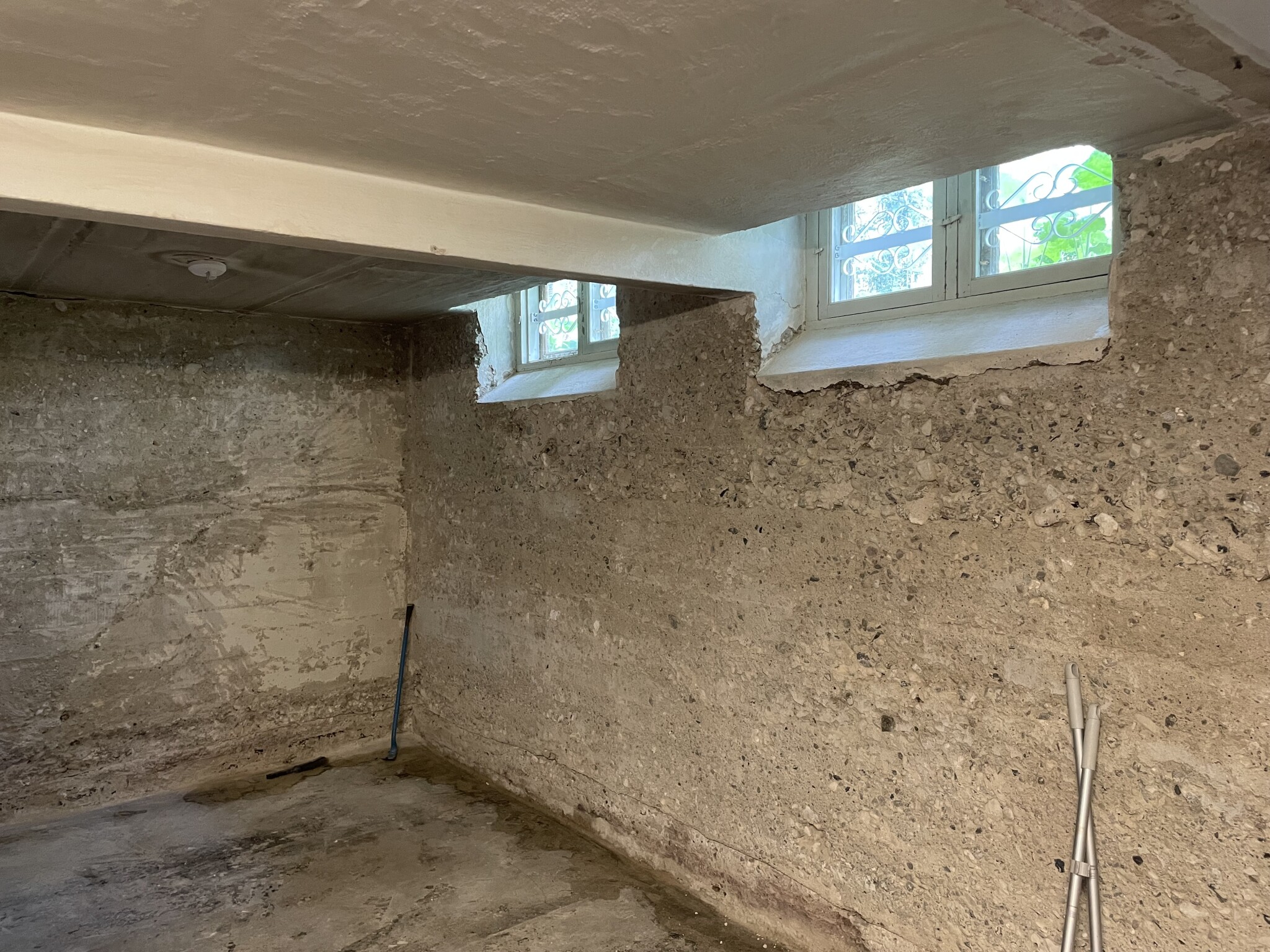
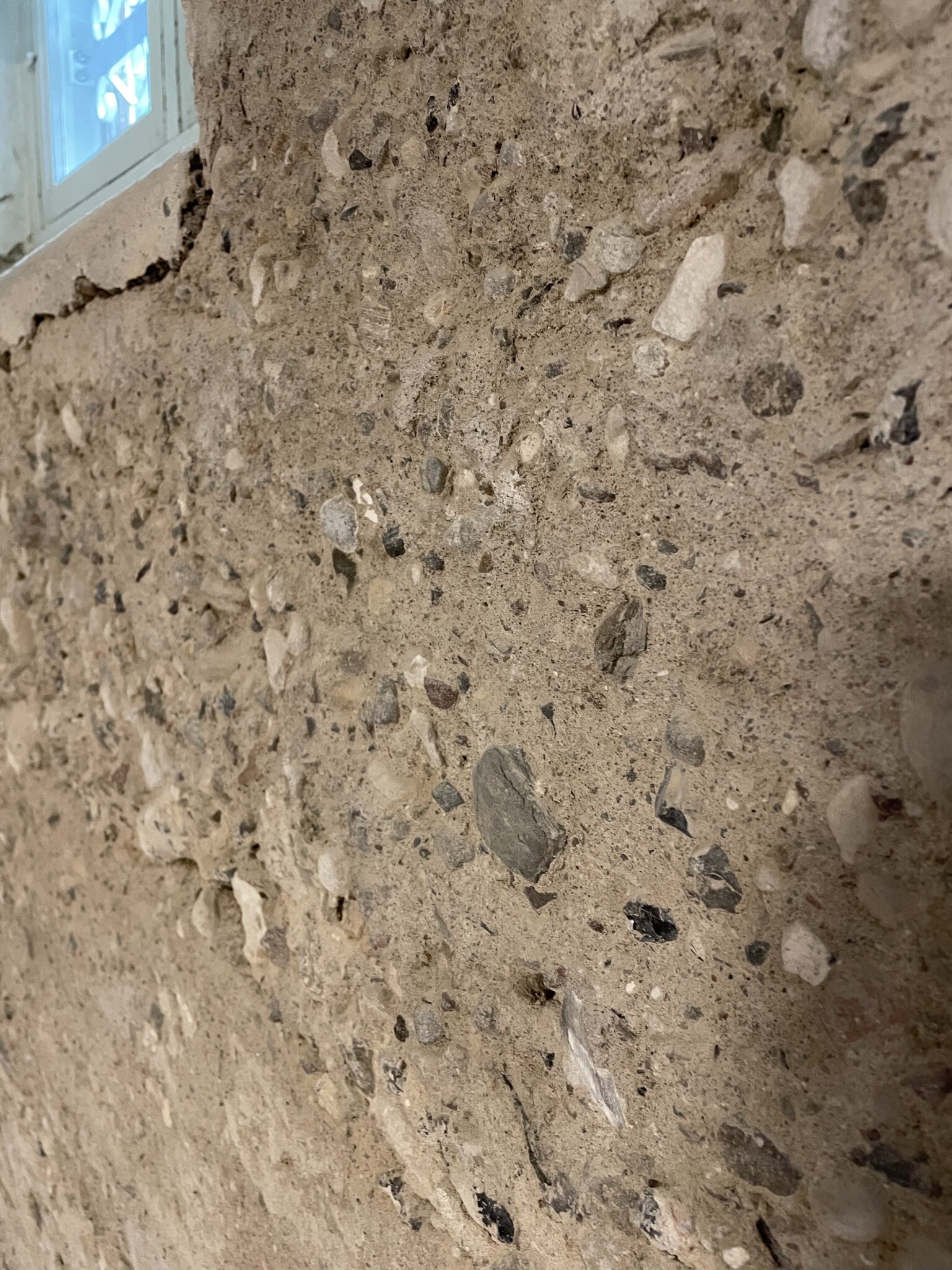
I have ripped out paneling and insulation from interior basement walls made of 1930s concrete. In the process, a lot of the old plaster came off, and much of what was left I've taken down. What remains is a quite coarse concrete wall with a lot of small stones. I want to plaster it, and I realize that lime plaster is likely what’s needed.
The area is about 12 m2, with two windows but no doors, etc. I've gotten a quote from a skilled mason with experience in lime and old buildings, and it's just over 20,000 SEK. I'm relatively handy myself and don't have high demands for a perfect or even distinctly straight/even end result. However, I've never plastered anything myself.
So, the question is, do you knowledgeable forum members think it's reasonable for a dad with young kids to do this himself, or is it a job that should be outsourced? If anyone with expertise has the time/energy to delve into hydraulic lime plaster, I would also be grateful.
I have ripped out paneling and insulation from interior basement walls made of 1930s concrete. In the process, a lot of the old plaster came off, and much of what was left I've taken down. What remains is a quite coarse concrete wall with a lot of small stones. I want to plaster it, and I realize that lime plaster is likely what’s needed.
The area is about 12 m2, with two windows but no doors, etc. I've gotten a quote from a skilled mason with experience in lime and old buildings, and it's just over 20,000 SEK. I'm relatively handy myself and don't have high demands for a perfect or even distinctly straight/even end result. However, I've never plastered anything myself.
So, the question is, do you knowledgeable forum members think it's reasonable for a dad with young kids to do this himself, or is it a job that should be outsourced? If anyone with expertise has the time/energy to delve into hydraulic lime plaster, I would also be grateful.
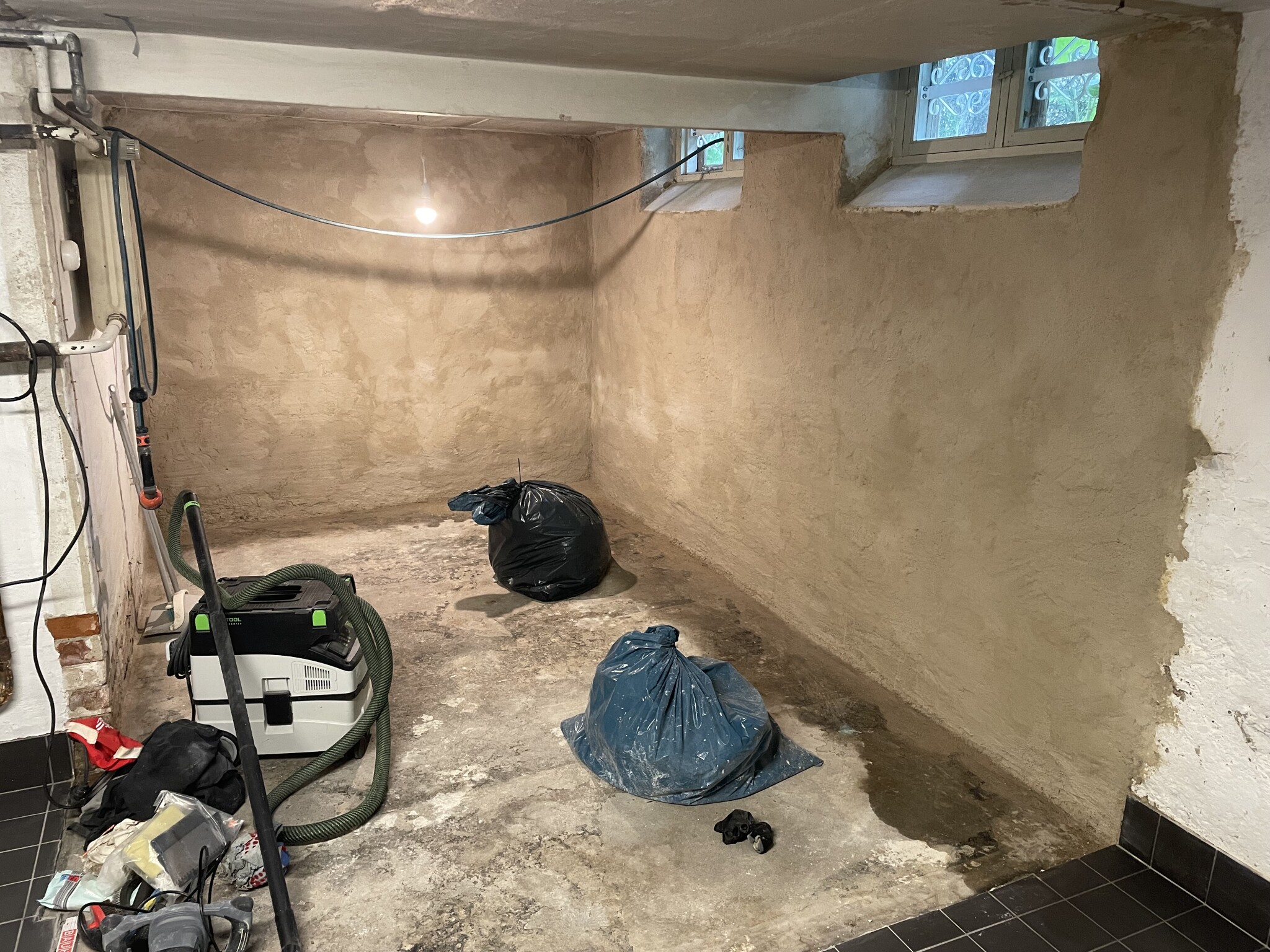
Feedback on how it turned out, despite the lack of answers: I decided to try rough plastering myself, used Webercal 109 which is a hydraulic lime mortar (NHL 5) for priming. Applied two layers and personally think it turned out well. Tricky to fling the mortar on, but you learn over time. Moistened for three days after both layers. Will probably lime paint or use pure silicate paint (keim). Overall definitely doable if you don't have high demands for it to be even, etc.
Click here to reply