What do you do with leftover plaster or mortar in the bucket? Where do you dispose of it when you are finished with your work? Do you rinse out the bucket as usual and let the drain or ground take care of it?
What is the proper procedure? I hesitate to do small jobs where I am unsure of the amount of mortar needed. There is always too much, and I don't really know how I should handle the surplus.
I used to pour the cement into a pile on the lawn, and the bowl was washed out with the water hose in a corner of the garden.
Once the cement had hardened, it would go with the next trip to recycling and be thrown in the designated pile there.
Scrape it out in a corner of the garden and rinse it off there. Then when I remember/have the energy, it goes on the trailer and goes to recycling or ends up in a hole when digging in the garden
Leftover bruk is scraped out and thrown into an empty bruk bag. It is then taken to the tip when it's time to go there. All tools and buckets are cleaned and leftover water is poured out into something like a flowerbed.
Scraping the bag is indeed smart. Just make sure not to gather such an amount that you need to bring out the engine hoist to get the bag onto the cart .
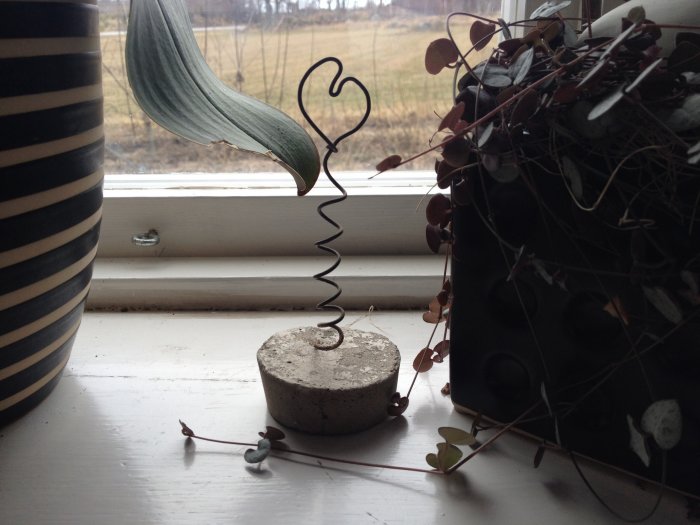
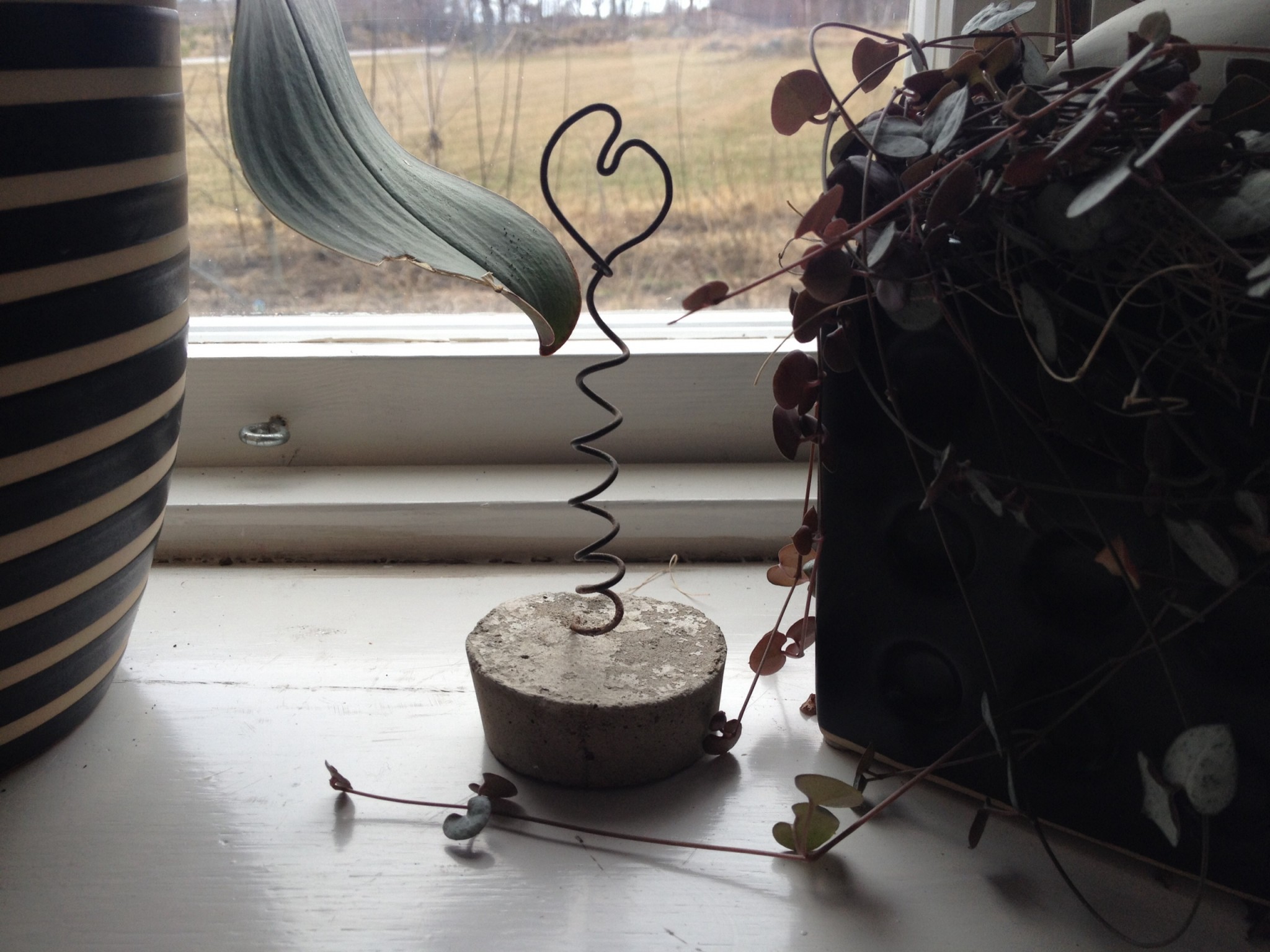
Do something creative? "Cast" a plinth with a beam shoe?
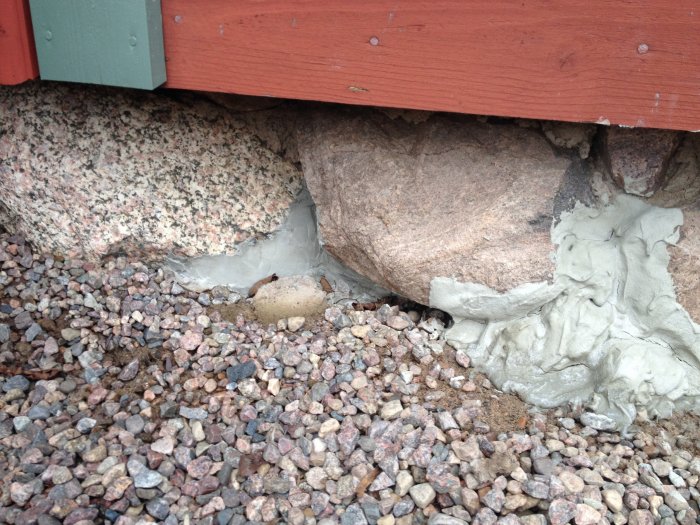
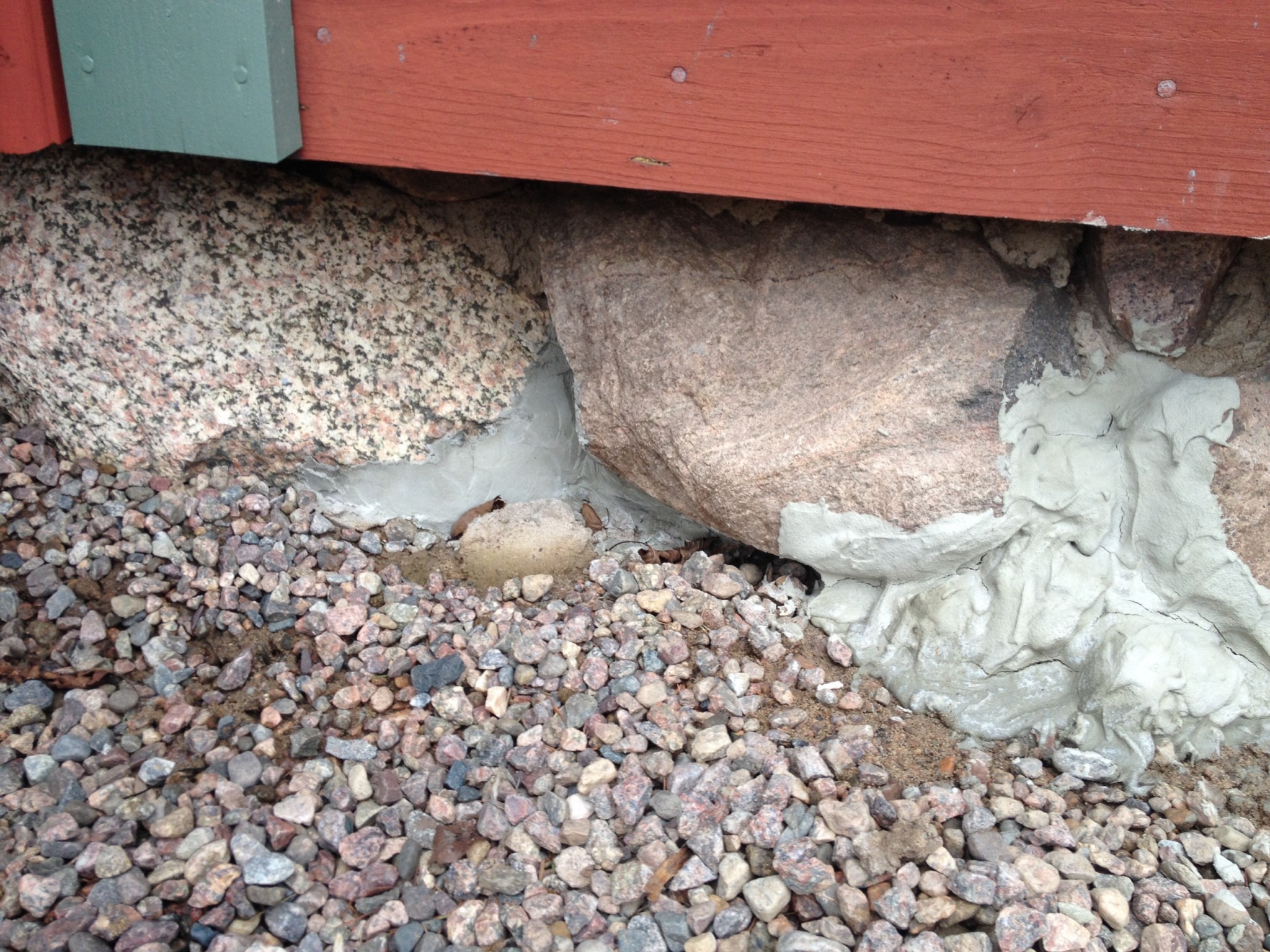
We have a foundation that will be plastered sometime soon, where we press in various leftover mortar as filler. Sometimes we prepare molds and cast a sign holder or candle holder or birdbath using rhubarb leaves as a mold.
Not to be mean....but the filling between the stones isn't exactly the most beautiful masonry work I've seen. I even think it might have been better without the mess.....
I even think it might have been better without the mess.....
yeah hmm... I can partly blame the previous owner and defend both of us by saying that it should indeed be polished... Don't ask me why he used cobblestones here... A lot of compromises in an old house.
oceanis said:
I even think it might have been better without the mess.....
mix a small amount? check what you need to polish/repair and estimate the amount
I was mostly thinking about my ability to not go to the dump on time, which means there's a significant risk that I'll accumulate many small remnants in the bag over a long period until it becomes unbearably heavy
I was mainly thinking about my ability to not go to the recycling center in time, which means there is an imminent risk that I accumulate many small bits in the bag over a long time until it becomes unmanageably heavy
Several bags with a little in each usually solve such a problem......
Using blue Ikea bags. They become just the right weight for two people to lift. They hold up well as long as they aren't filled to the brim. Easy to empty at the recycling center. Lift by one handle, pull it over the bag so the contents roll out.
Also suitably sized for soil, stone, sand, chipped concrete, etc. Once transported a chipped concrete floor in 51 Ikea bags to the recycling center (though not in the same trailer load). A bag usually lasts for 5-6 loads before one of the handles breaks. But since they cost 5 SEK each, it's still economical.
On the general fill heap in the garden, concrete, fix, grout, tile remnants, etc. end up. One day the heap will be gone... Never rinse mortar down the drain.
I just rinse until there is a pile of gravel on the lawn and the cement in the mixture flows out over the lawn mixed with plenty of water.
Doesn't the lawn suffer from the "cement water"? I can imagine that it's not a problem to, for example, clean tools in that way. However, I'm doubtful about how good it is for the grass if you have a few kilos of leftover mortar you want to get rid of.
Vi vill skicka notiser för ämnen du bevakar och händelser som berör dig.