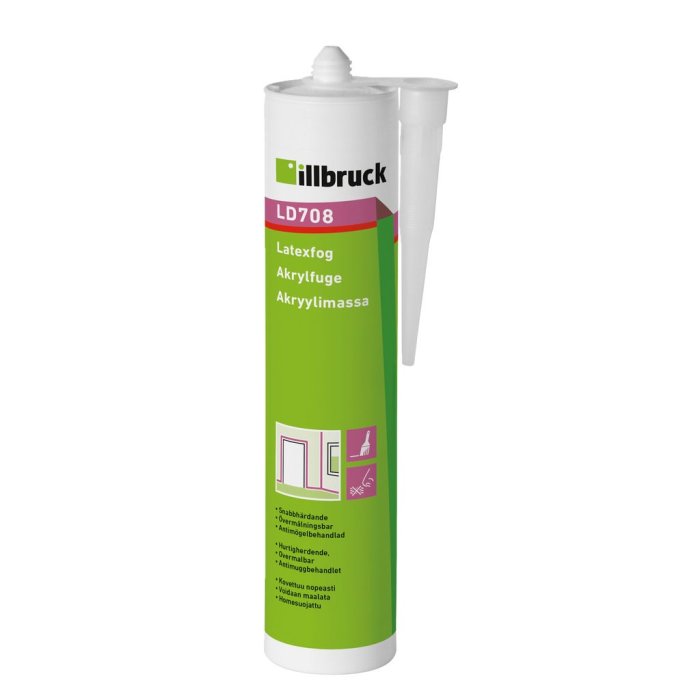
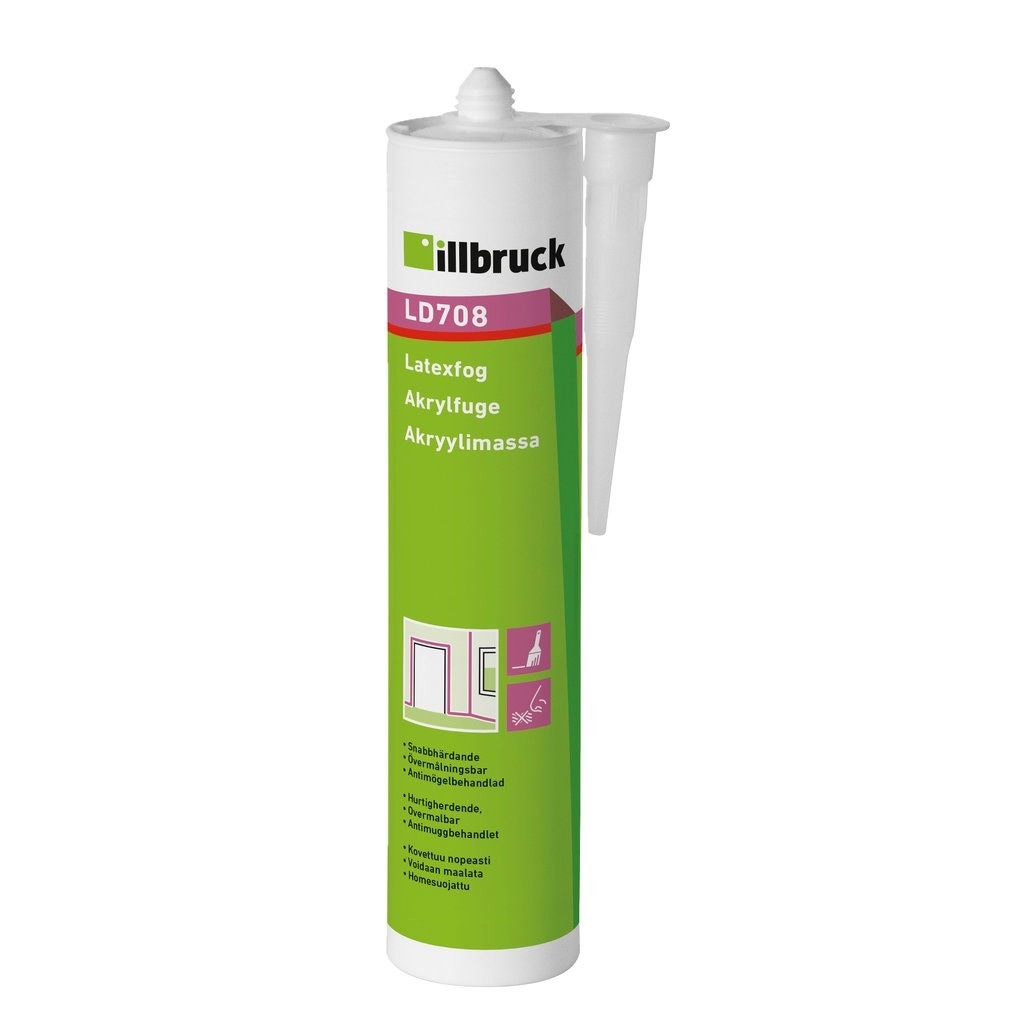
I have applied latex sealant in many places during the kitchen renovation and have now started to notice that the sealant is cracking!? The sealant I used is this one:
TREMCO illbruck LD 708
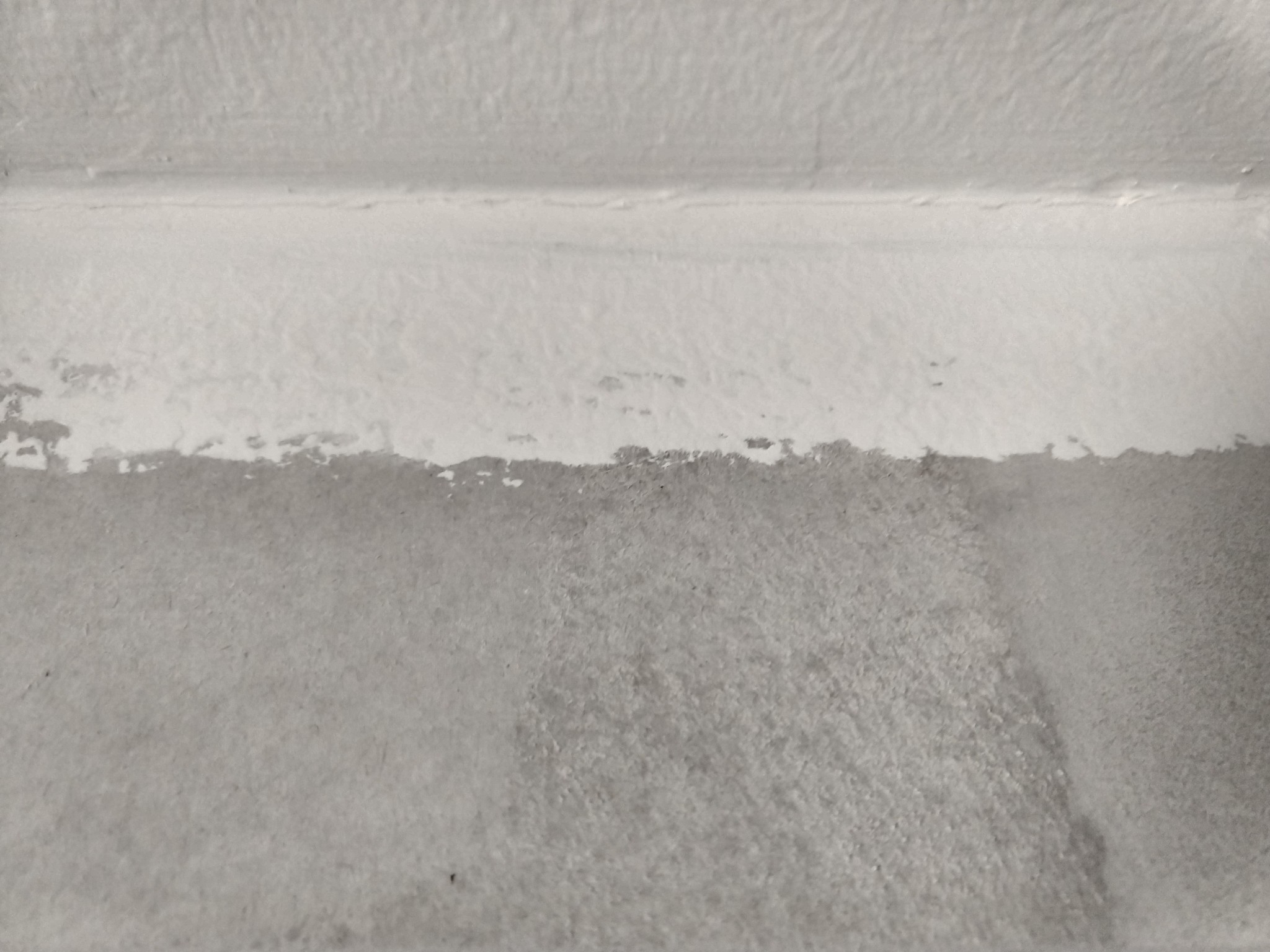
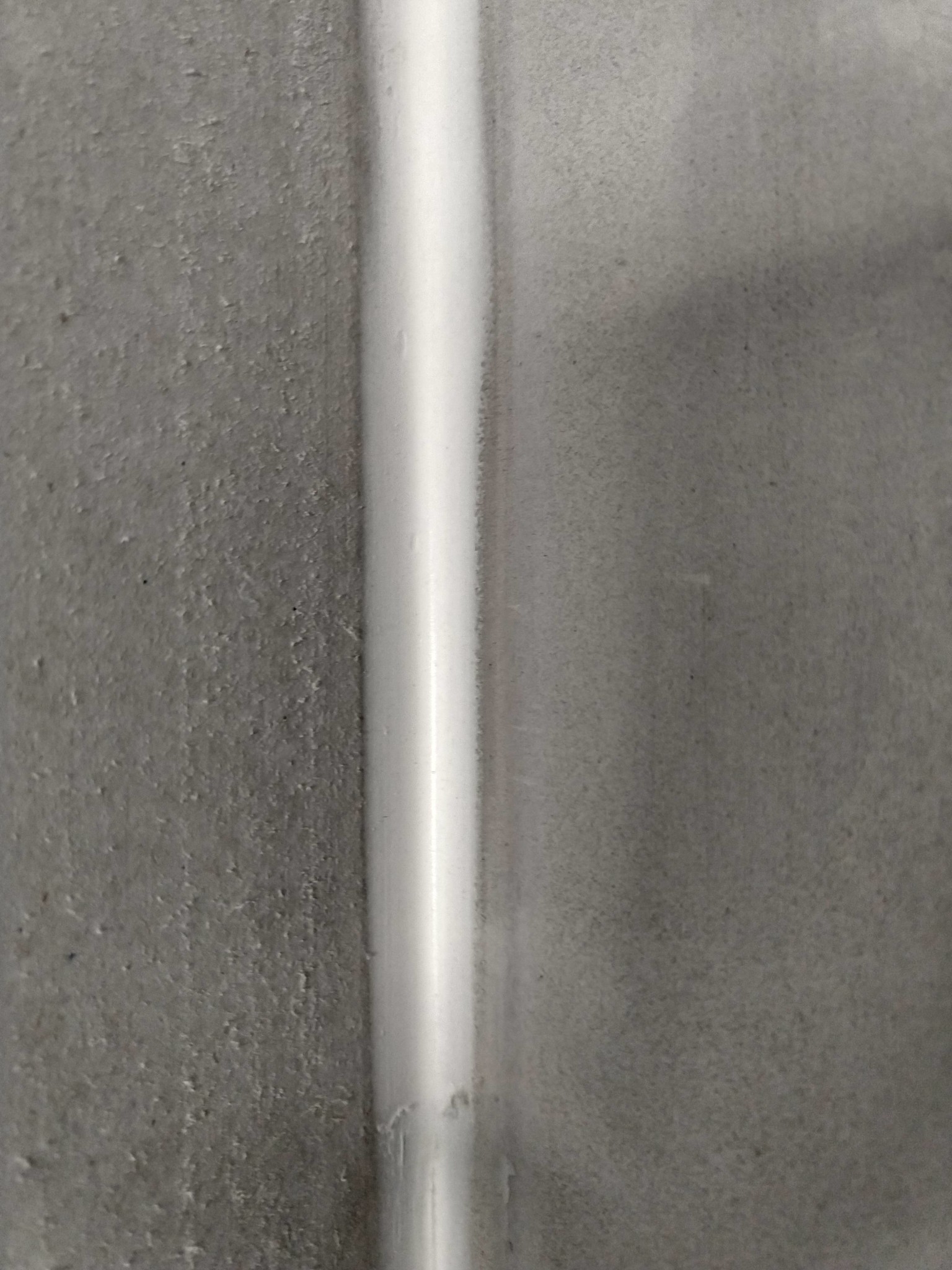
The cracks I have seen so far are as follows:
- 4 corners with thicker sealant, self-dried, not painted over
- An entire ceiling between each tile (which took some time) and then painted over with Beckers paint.
When I smoothed out the sealant, I used green soap as people have said to use.
Is this standard, or have I ended up with the worst brand I could find?
In thick joints, it is good to use a backer rod so that the joint becomes mechanically optimal...
joint stick with dish soap...avoids pulling in the sealing compound unnecessarily....the cracks may be due to waiting so that the sealing compound skinned over and adhered strangely to the substrate....
storage of the sealing compound it may have been an old and bad batch or too warm? i.e., dried faster
Soap is primarily used for silicone joints, for latex it's better to use just water. Latex is not a soft joint like silicone, it cracks immediately if there are large movements, paintable silicone is preferable if there are large movements. But it is also not a miracle cure, certain areas should not be sealed again, like in your ceiling for example.
I have used that brand without any issues. I think the problem is more likely due to movements in the substrate. Roofs usually can't be sealed with soft sealant without cracks.
Aha, so it's not possible to get the joints without cracks? The ceiling we have is not gypsum, it's made of masonite on a solid frame.
But if I want a strong and flexible joint that can be painted over and doesn't crack, what should I buy? Tec7? Can Biltema's version (BT Multibond) be trusted?
Do not mix different types of sealant... preferably place a D silicone strip at the bottom of the joint as when sealing windows... now it can be difficult if the gap is not deep enough...
What a silicone strip does is that the sealant does not adhere to the bottom of the gap and forms a mechanical solution to absorb the movement in the joint between the boards...
Let the joint dry thoroughly before painting but smooth out the joint while it is fresh and not skinned with a joint stick and soapy water.
There may be too much movement in the joint for it to hold, then it becomes a fiberglass strip and broad spackle.
I have now installed crown molding and to fill and hide joints I have used Tec7, it's not cheap but it's said to be among the best. It remains to be seen if there will be cracks anyway, but I'm keeping my fingers crossed, it did say 12% elasticity plus it acts as an adhesive too.
I plan to use the same for baseboards and trim.
However, Tec7 is very sticky and I wonder how good it really is to put in the seam between the molding and the wallpaper, a bit worried about not being able to remove it from the wallpaper?
Old thread but I want to say that Biltema Multibond is awesome.
I also want to recommend Essve Akryl Flex 25, with 25% joint movement.
Not as sticky as an MS polymer intended to both bond and seal.
It's perfect for indoor use, like moldings, baseboards, joinery, seals around windows, etc.
Compared indoors around a patio door.
Sealed half with Illbruck acrylic 10% and half with Essve Flex 25%.
Guess which half got a crack after a week
I caulked around a newly constructed drywall, up against the ceiling and walls.
The ceiling is now painted and cracks have appeared. The walls are not painted yet, where the caulk hasn't cracked. That should mean it's the ceiling paint that's cracked on top of the caulk?
I sealed around a newly built plaster wall, up against the ceiling and walls.
The ceiling is now painted, and cracks have appeared. The walls are not painted yet, and there the sealant hasn't cracked. That should mean it's the ceiling paint that has cracked on top of the sealant?
What can I do?
Unfortunately, only this... cut out the acrylic sealant and apply reinforcement tape, filler, and finally a thin layer of acrylic sealant and paint lightly!
No elasticity in the world can accommodate movements too large!
Acrylic paint must not be too thick in the seams of corners; otherwise, it will crack!