
3,019 views ·
5 replies
3k views
5 replies
Is this correct? Hole "straight out"

Hi, it turns out I've bought a dodgy build. I had my suspicions, so I made a low-ball offer. Which was accepted. Every day new issues appear (in the past 2 weeks).
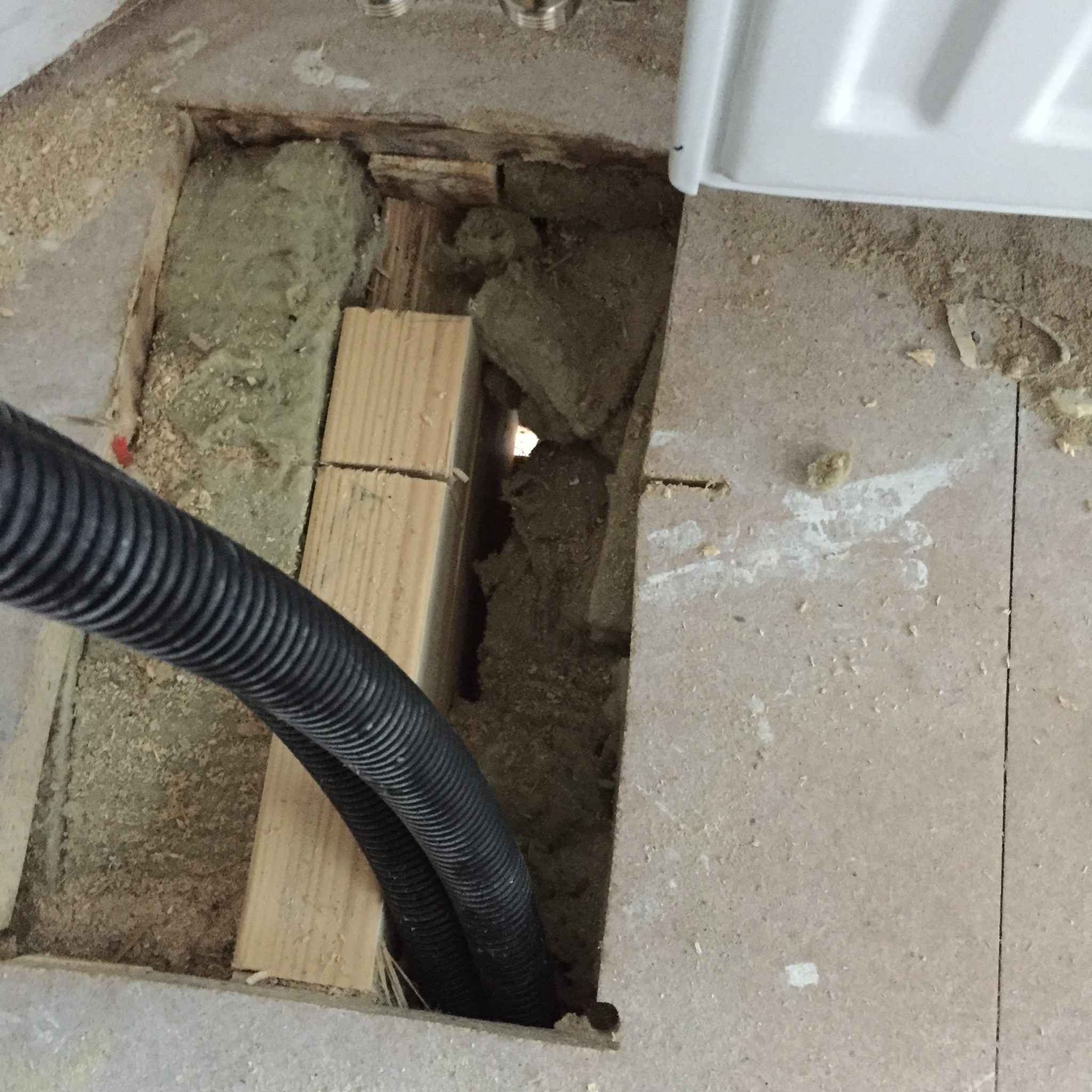
Anyway, my own craftsmen are in the process of installing radiators for the geothermal heating system. We had to cut open a bit of the floor over a bay window for piping. They looked around a bit because they thought cold air was coming in. They moved the insulation in the floor and saw that it was open straight outside....! :x
Surely that can't be right? And, what should be done about this? Is it enough to push in some plastic from below (outside) or should the foundation be rebuilt, etc.? How SHOULD it look?
My fear, of course, is that over time moisture, insects, small animals, etc., will get in...
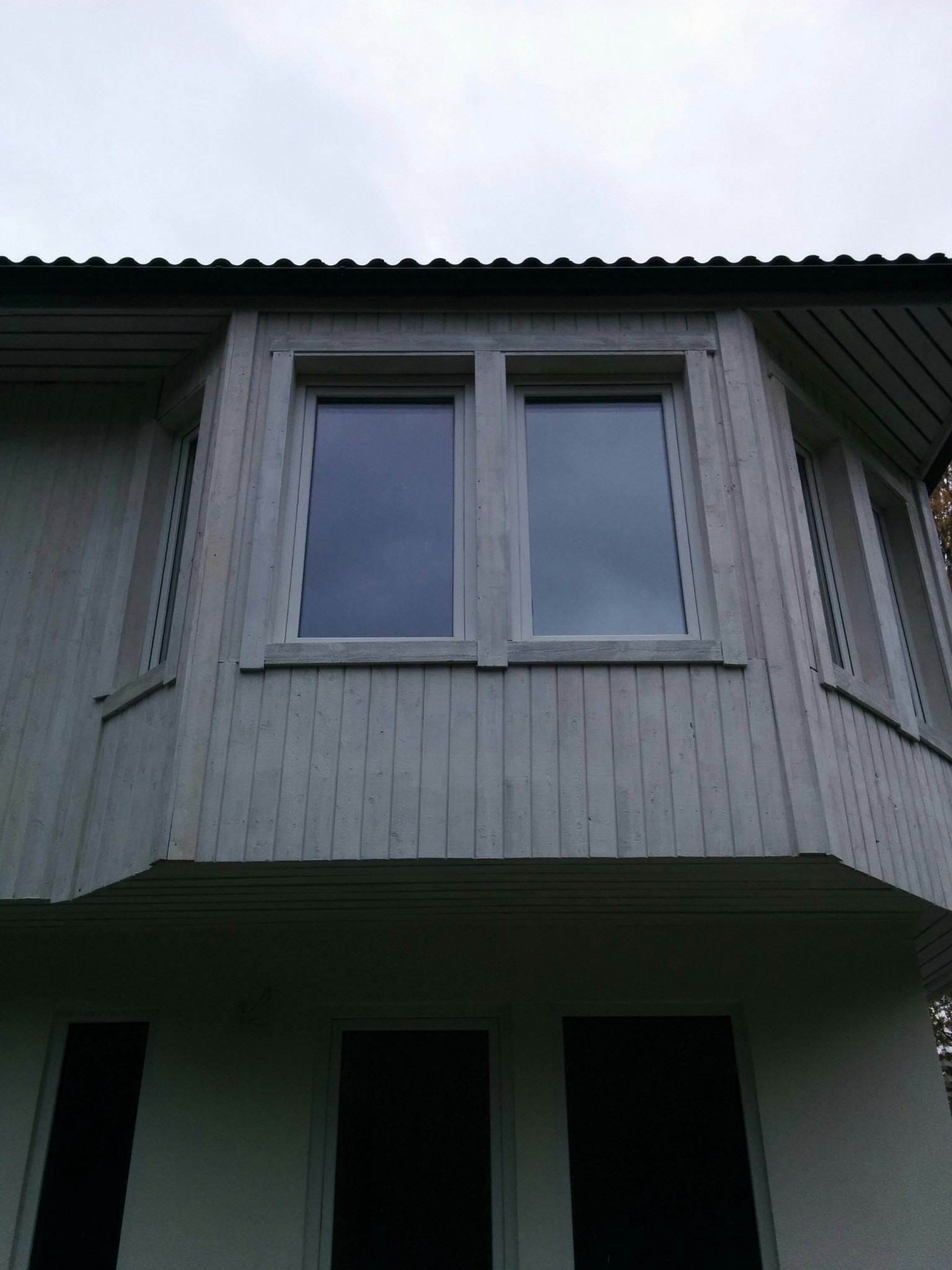
Note, ignore that you can see in the picture how crooked everything is... I know! The entire exterior facade of the bay window is going to be torn down and redone in the spring.
Anyway, my own craftsmen are in the process of installing radiators for the geothermal heating system. We had to cut open a bit of the floor over a bay window for piping. They looked around a bit because they thought cold air was coming in. They moved the insulation in the floor and saw that it was open straight outside....! :x
Surely that can't be right? And, what should be done about this? Is it enough to push in some plastic from below (outside) or should the foundation be rebuilt, etc.? How SHOULD it look?
My fear, of course, is that over time moisture, insects, small animals, etc., will get in...
Note, ignore that you can see in the picture how crooked everything is... I know! The entire exterior facade of the bay window is going to be torn down and redone in the spring.
Plastic do you mean or exactly what do you mean?


Plastic is only used on the warm side, i.e., on the inside. Outwards or downwards, you want a wind barrier or trossbotten as you mentioned. Asfaboard has been used for many years. Cement-based boards are also common. Essentially, anything that allows moisture to pass through will work.
Ok! But according to all Google results, wind barriers are also often plastic...
Asfaboard seems like a nice product otherwise.
I assume you want something that doesn't absorb moisture either?
If I use Asfaboard, should I seal around it with some sort of caulk to make it completely tight? Or SHOULD it allow some breathing all the way out?
Asfaboard seems like a nice product otherwise.
I assume you want something that doesn't absorb moisture either?
If I use Asfaboard, should I seal around it with some sort of caulk to make it completely tight? Or SHOULD it allow some breathing all the way out?
Wind barrier and plastic are not the same thing.
A non-diffusion barrier is placed on the warm side of the wall.
A non-diffusion wind barrier is placed on the outside.
If you put plastic on the outside, moist indoor air will condense against the plastic or somewhere inside the wall. This is not ideal.
Asfaboard is usually not sealed, but rather placed as tightly as possible to ensure there are no holes.
A non-diffusion barrier is placed on the warm side of the wall.
A non-diffusion wind barrier is placed on the outside.
If you put plastic on the outside, moist indoor air will condense against the plastic or somewhere inside the wall. This is not ideal.
Asfaboard is usually not sealed, but rather placed as tightly as possible to ensure there are no holes.
Click here to reply