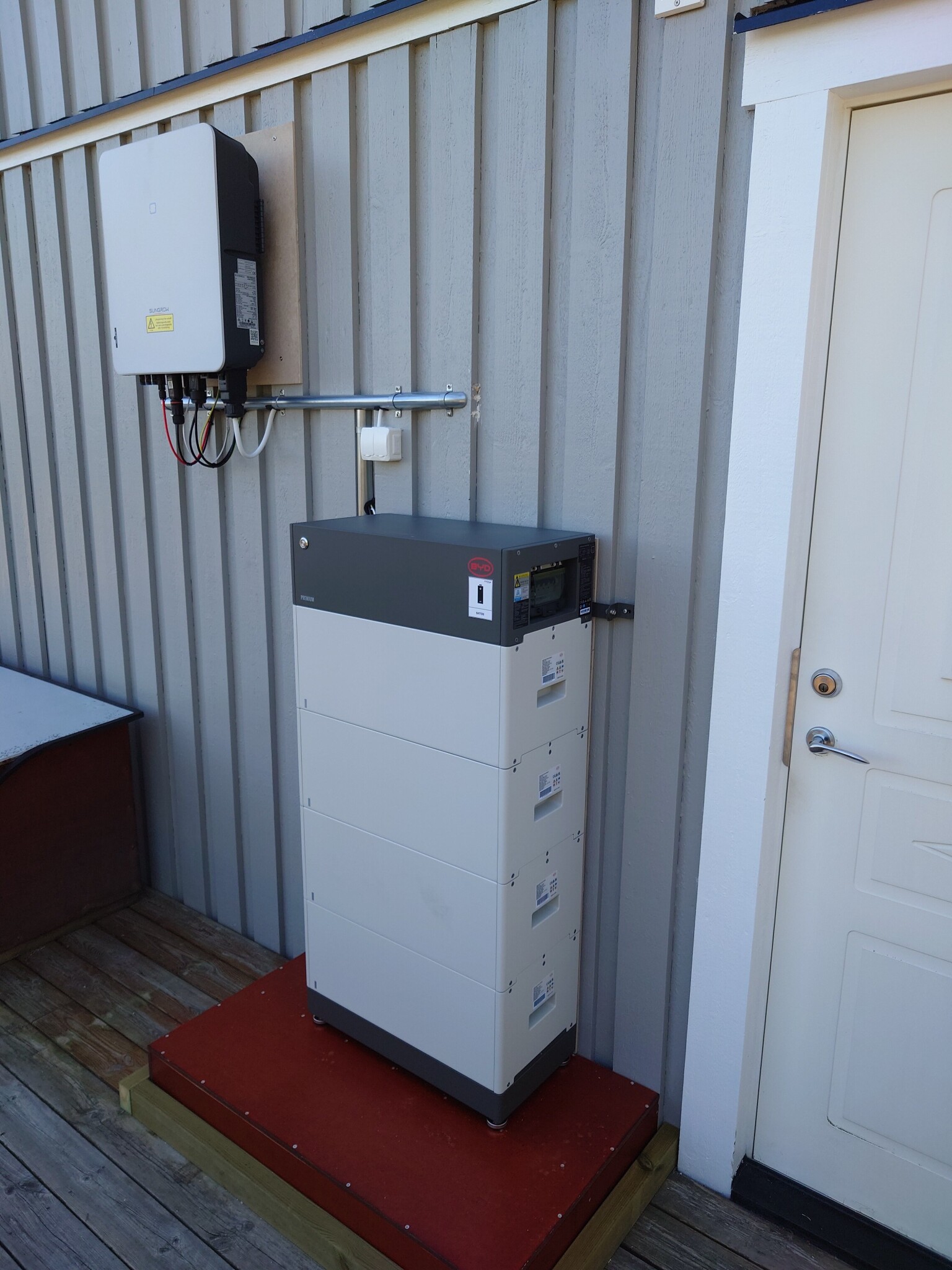
I am about to get a battery as a supplement to my solar panel system.
However, I don't have space indoors, so I will place it outdoors.
I have had an electrician here to check that everything else is okay, but he had no ideas about the box.
The battery will be placed on a deck against the outer wall.
The battery is approximately 60 x 30 x 120 cm (W x D x H).
It weighs about 170 kg.
Can anyone provide some tips and advice on how big the box needs to be, what type of insulation, polystyrene or regular wall insulation boards?
Amount of air between the battery and insulation.
I assume the battery also needs to be raised a bit from the deck to allow for insulation underneath.
Some type of legs or maybe brackets to attach to the wall. However, the battery is very heavy.
Maybe the frost guard should also be mounted underneath?
Is ventilation needed?
I've also asked the supplier, but they don't seem very familiar with this solution.
It depends, of course, on a number of different factors.
Where do you live?
How well insulated is the exterior wall?
Is it always warm indoors, or is it set cold at times?
How much heat does the battery produce at least and at most?
What does the user manual say (which should be followed)?
If no heat is produced by the battery, you can insulate as much as you want, it will still become the outside temperature sooner or later. Unless the wall leaks through enough heat then...
I live in the Stockholm region (Värmdö) and it is a permanent house built in 2008 that is always heated. Fairly well-insulated exterior wall, about 25 cm insulation. If a lot of snow falls, it usually doesn't melt close to the wall, so I think the house's leakage isn't much to count on. Probably best to design assuming it doesn't leak at all.
Having a frost guard is a given; it was mostly its placement that I was wondering about, it should probably be near the bottom, or does it not matter much in such a limited space?
I live in the Stockholm region (Värmdö) and it is a permanent house built in 2008 that is always heated. Fairly well-insulated exterior wall, about 25 cm insulation. If there is a lot of snow, it usually doesn't melt right next to the wall, so I think the house's leakage is not much to account for. Probably best to size assuming it doesn't leak at all.
I'm definitely going to have a frost guard; it was mainly the placement of it that I was wondering about. It should at least be placed low, right, or does it not matter much in such a limited space?
Hard to say how much it matters; it's best to have it low.
One thing you might encounter is that the battery requires quite large spaces in all directions, according to its manual. Which is relevant in very hot countries, but hardly in Sweden. Your box, therefore, will violate the installation requirements the battery manufacturer actually sets.
Keep in mind that the frost guard may have its own distance requirements that could complicate things.
Build the roof with a ridge. Place a light bulb underneath. Probably, one will be enough to keep the frost away. If necessary, you have space to add more holders. On a boat, usually one light bulb is enough to keep the engine space above zero. Engine spaces are not very well insulated. Note, light bulb, not LED or other.
But! You must also plan to be able to ventilate the heat out, once again the ridge is good for a vent and a fan.
I assume we are not talking about hydrogen-producing battery chemistry, but if you are, consider that as well. Or, find out if ventilation is required for your battery.
Did you build the box? Did it go well, what choices did you make?
I'm considering the same solution.
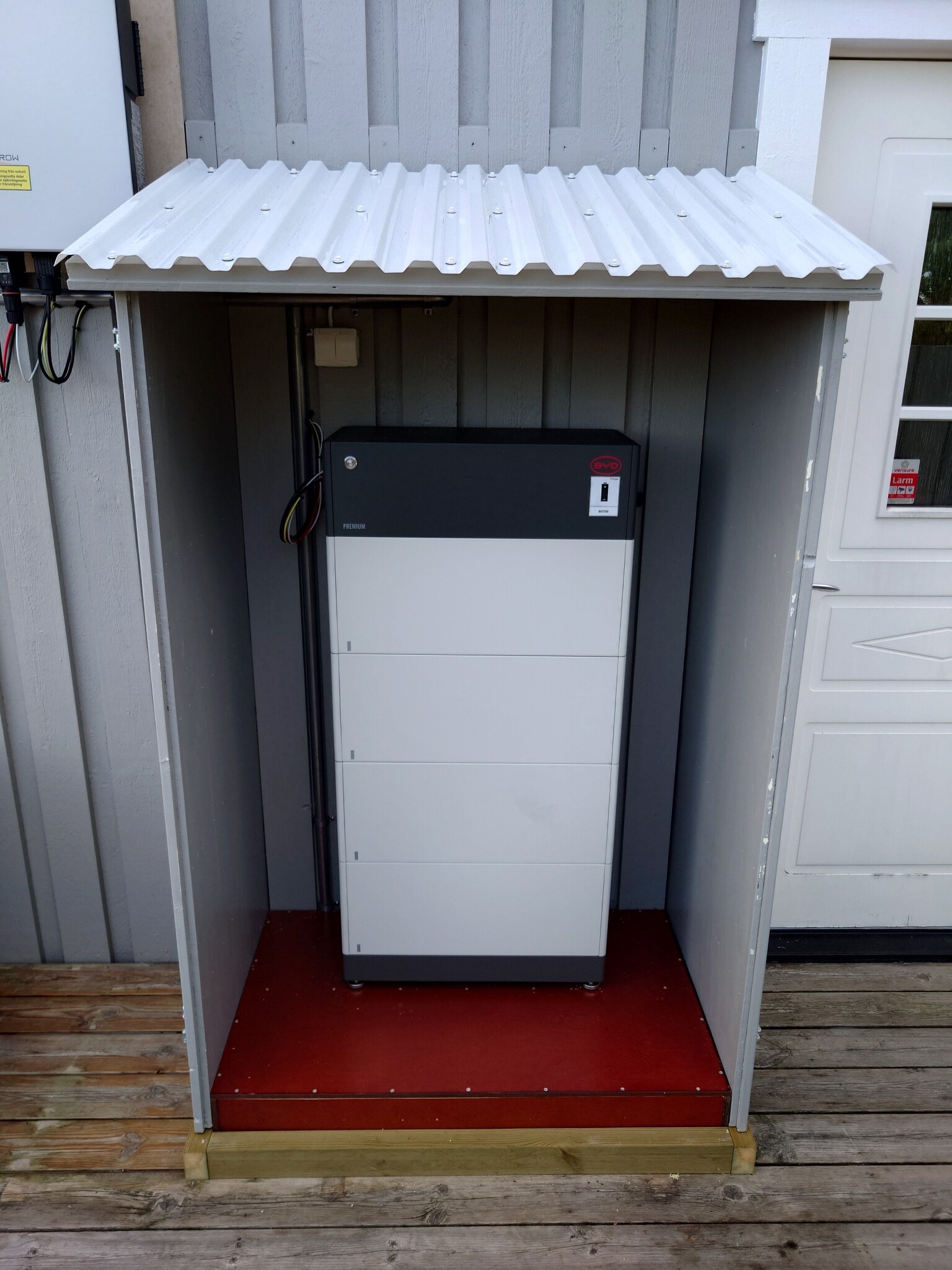
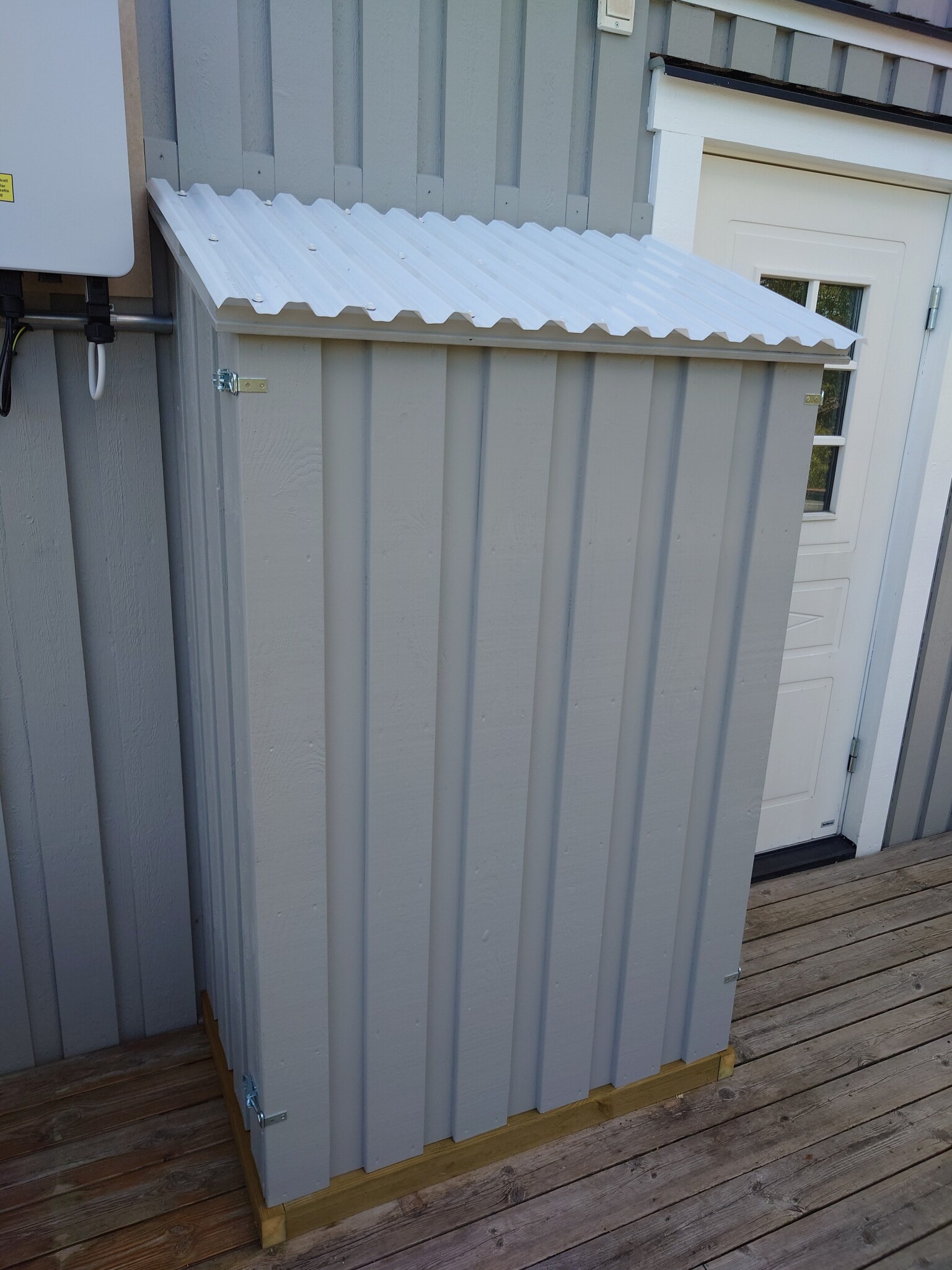
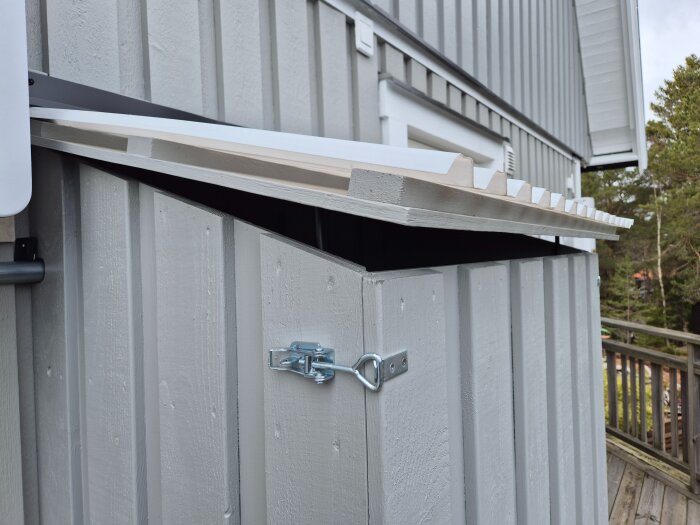
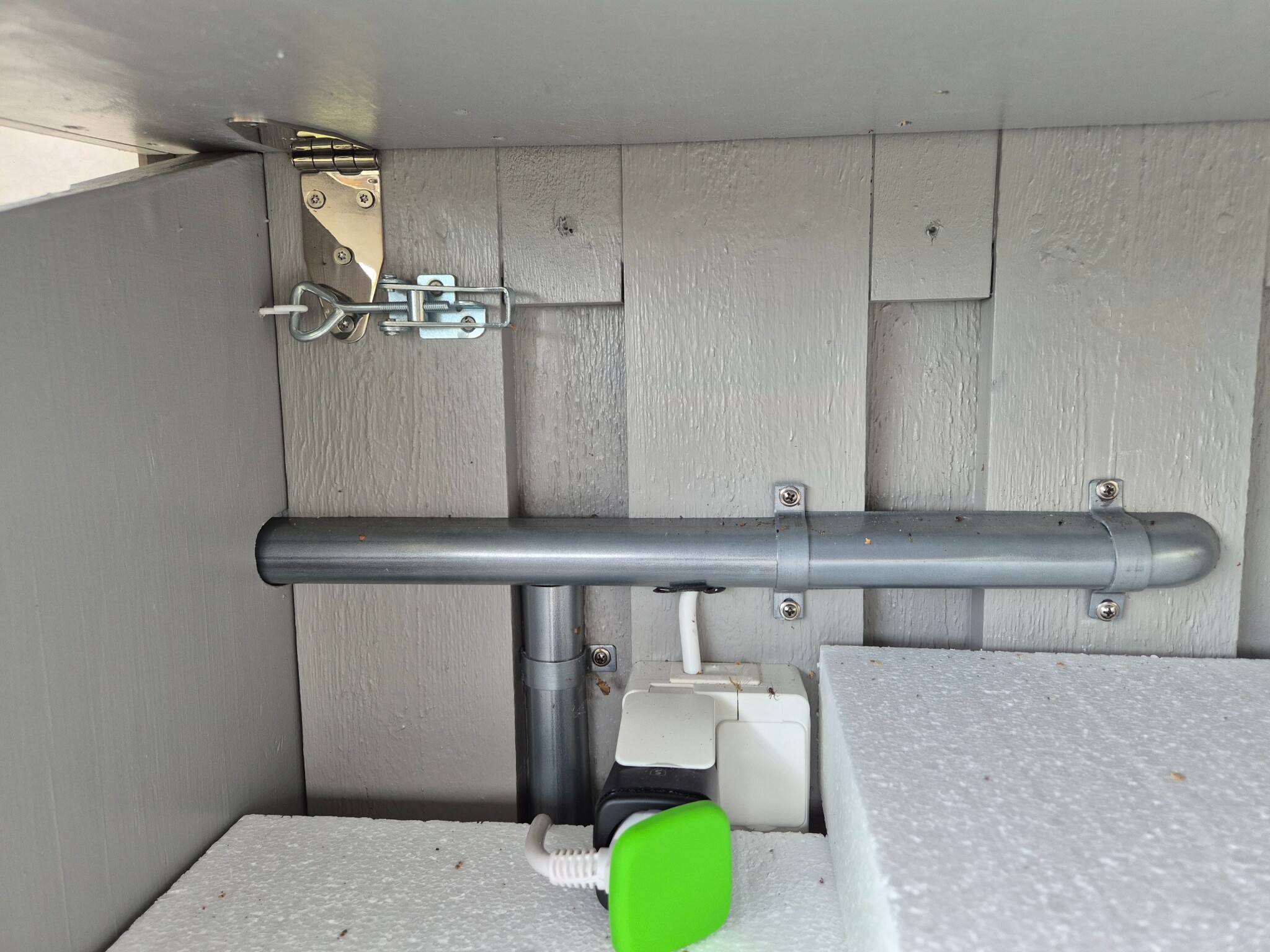
First, I made a bottom from form plywood filled with Styrofoam on which the battery was placed. When the installation was complete, I built walls of plywood covered with paneling of the same type as the house to blend in a bit. The roof is also plywood with corrugated plastic on top. The roof has hinges so you can crack it open during hot summer months. The box is lined with Styrofoam on the inside and also has a frost guard at the bottom (not visible in the pictures). Note! Make sure the electrician installs an outlet for the frost guard. The frost guard consumed about 70 kWh last winter (Oct-Apr). I have it set up so it heats extra (up to 12 degrees) around the time CheckWatt runs its tests to ensure they don't fail. It has worked well for me.
Nice build. I'm in the process of making my own. Did you have a thermostat to regulate the heat or has the frost guard handled it all for you?
Do you feel the insulation was sufficient, or would you have done it differently if you did it again? Wondering since I'm going to use 45x70 walls and insulation.
Nice build. I'm in the process of making my own. Did you have a thermostat to regulate the heat, or did the frost guard handle it entirely for you?
Do you feel the insulation was sufficient, or would you have done it differently if you did it again? I'm wondering since I plan to use 45x70 walls and insulation.
I'm a bit of a "smart home" nerd, so I have my own thermometers in the box and then control the frost guard based on them. The frost guard’s thermostat is set to max heat, and I just turn the plug it's connected to on/off. I was a bit short on space. If I'd had a bit more space, I probably would have made proper walls and used real insulation instead of styrofoam, but it's worked fine as it is.
Thinking about a similar build, but it seems there are plenty of batteries with built-in heating, so why complicate with your own frost protection?
Absolutely agree. If I were to buy a battery today, I would probably buy Homevolt or something similar, but these weren't available when I ordered mine, unfortunately.
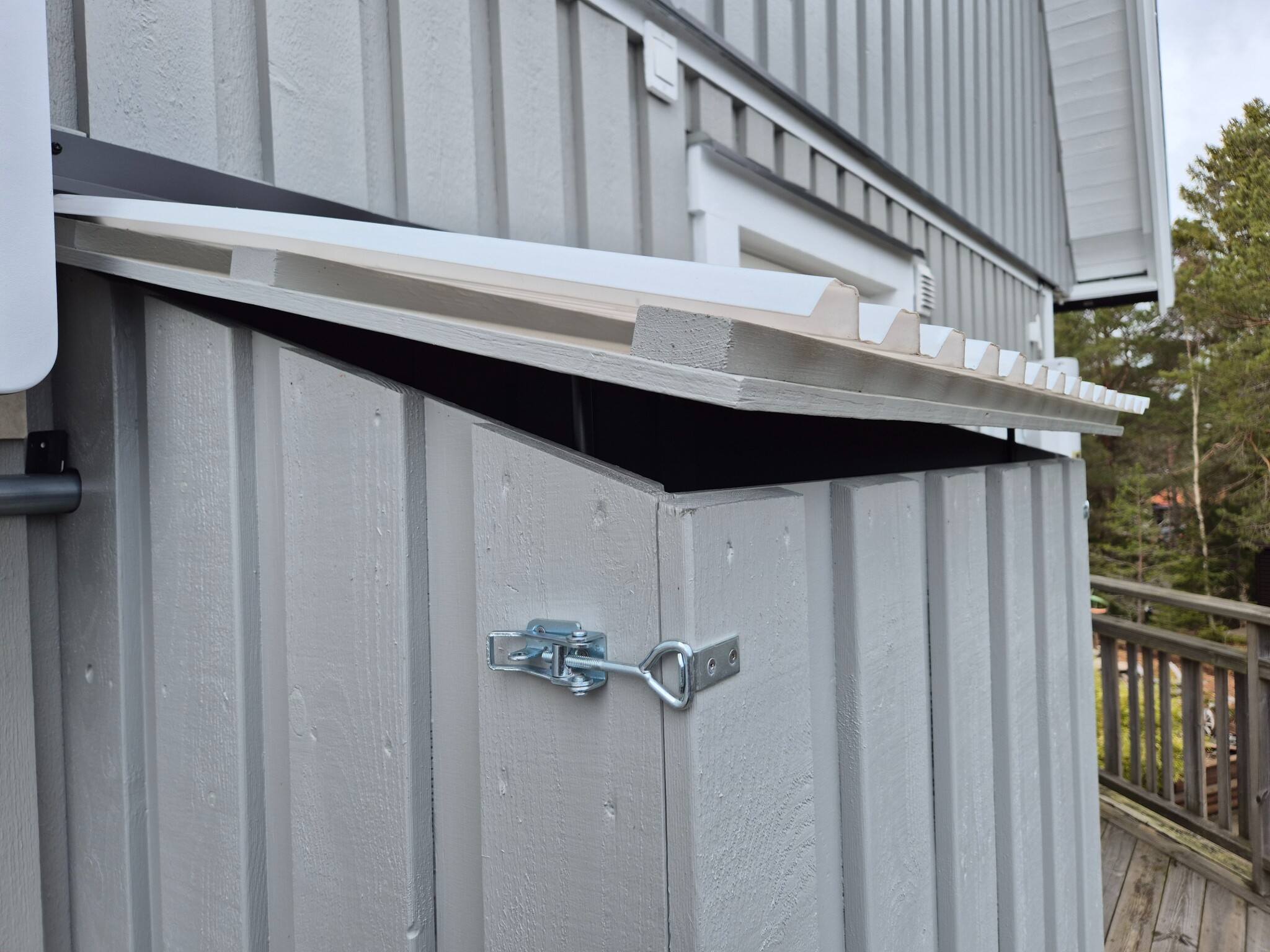
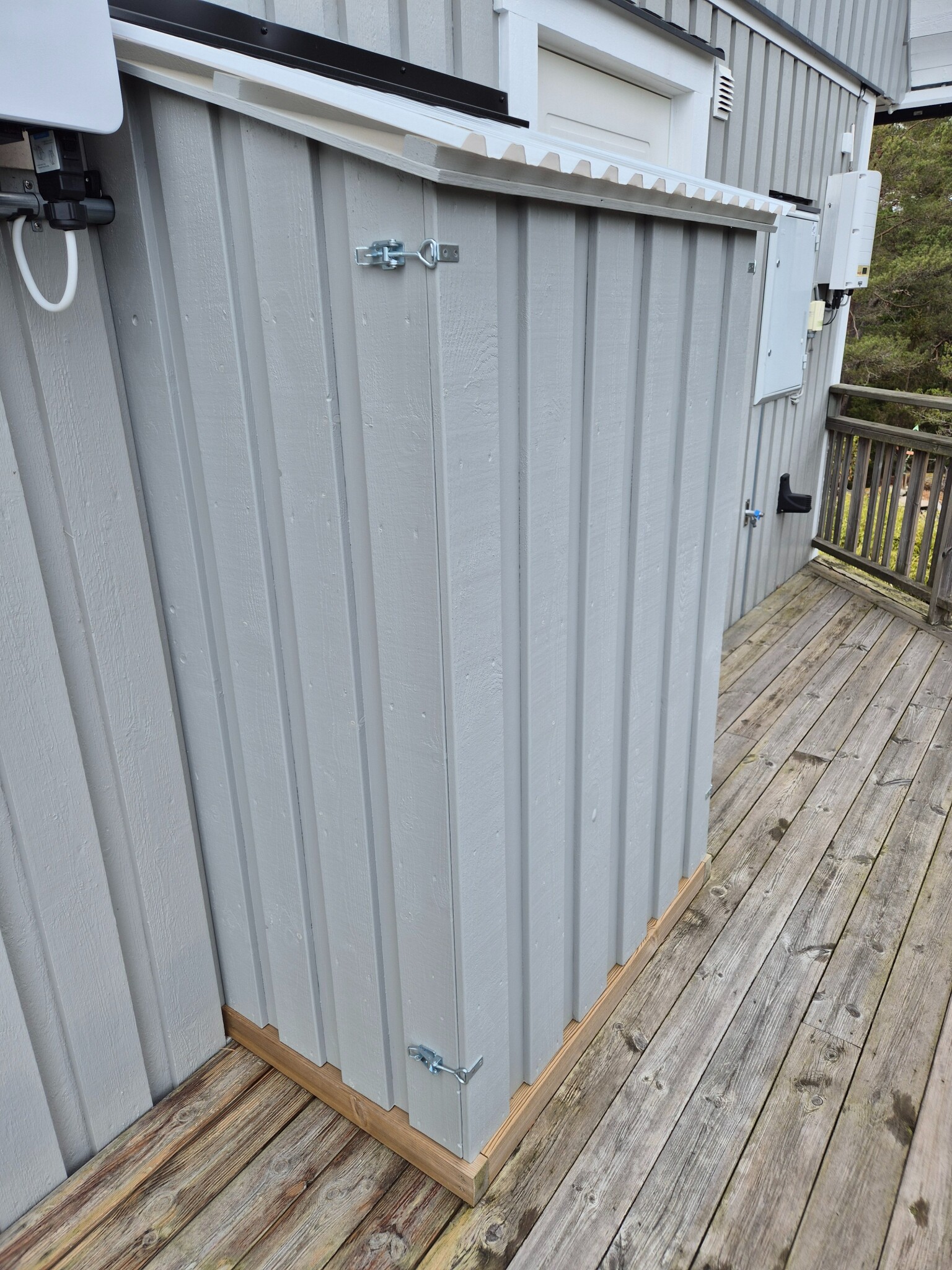
I have received several inquiries about my battery box with more pictures and how well it works, so here are some more pictures of the construction now that it is completely finished.
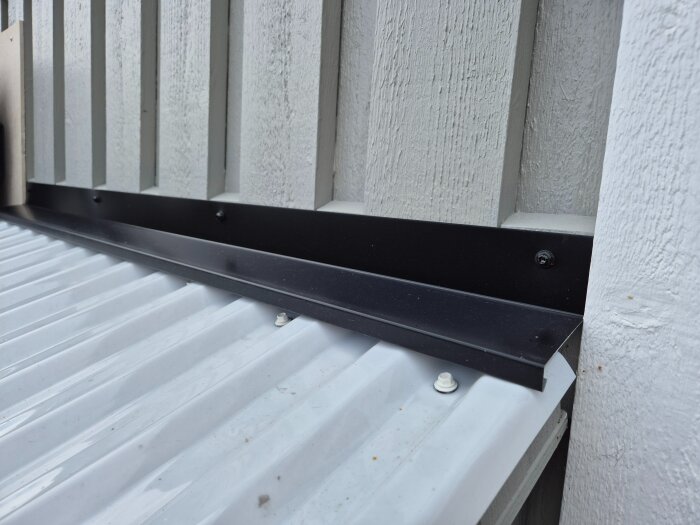
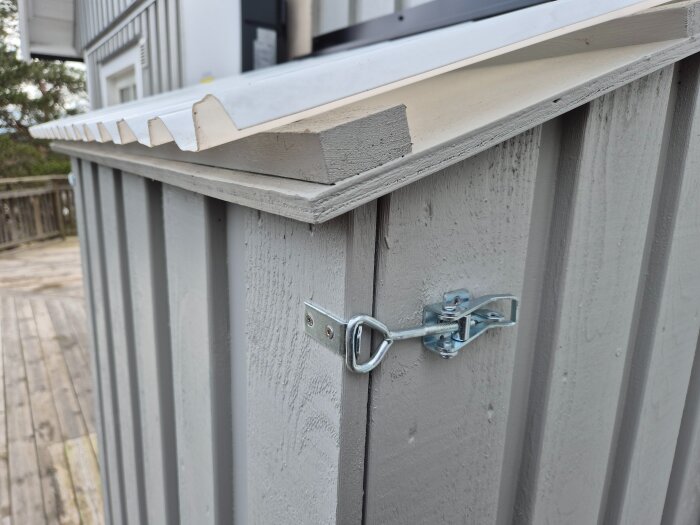
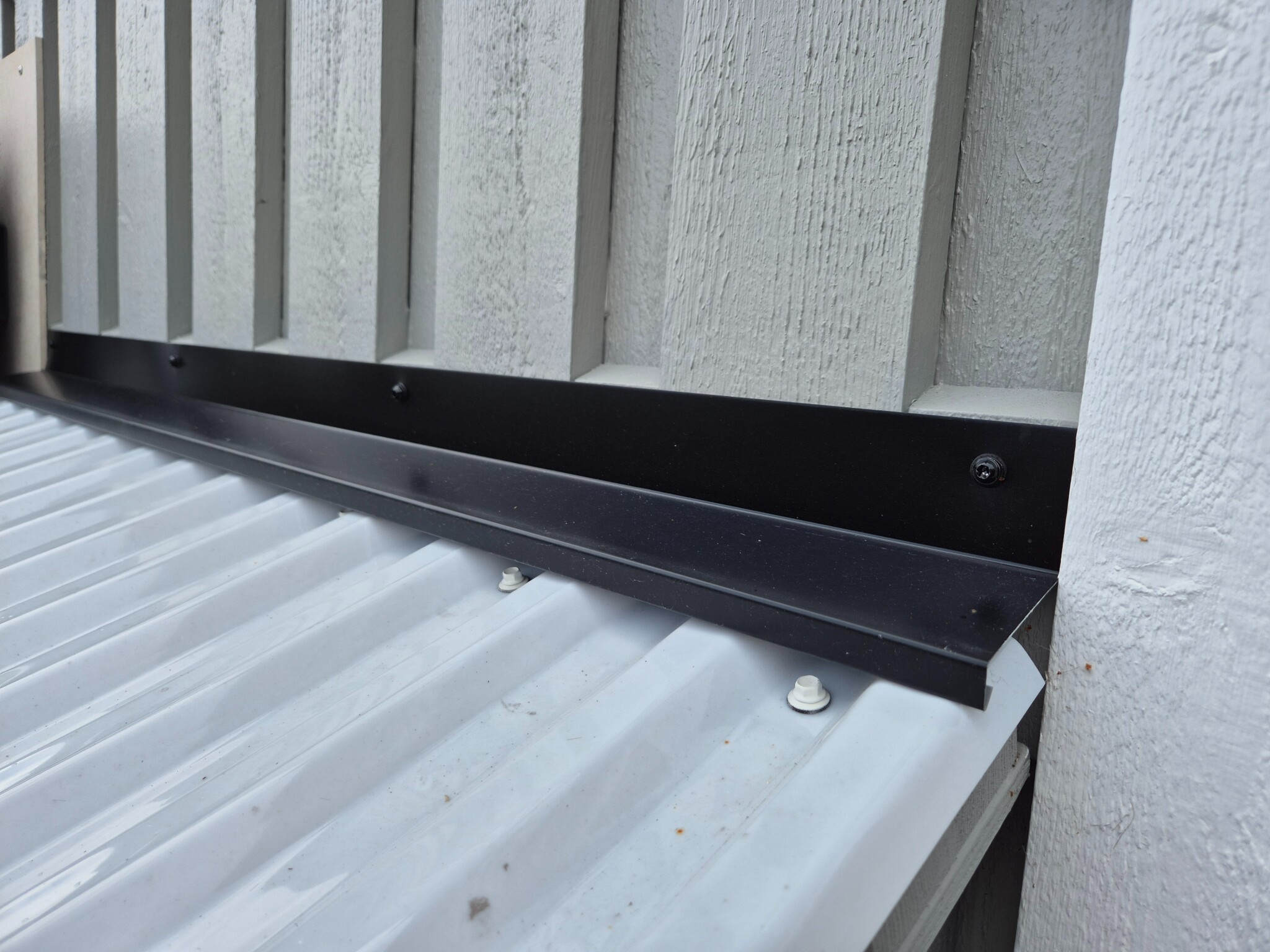
I sealed it against the wall by cutting pieces to fit between the facade boards, then there's a metal flashing over the joint. This has worked well enough for me.
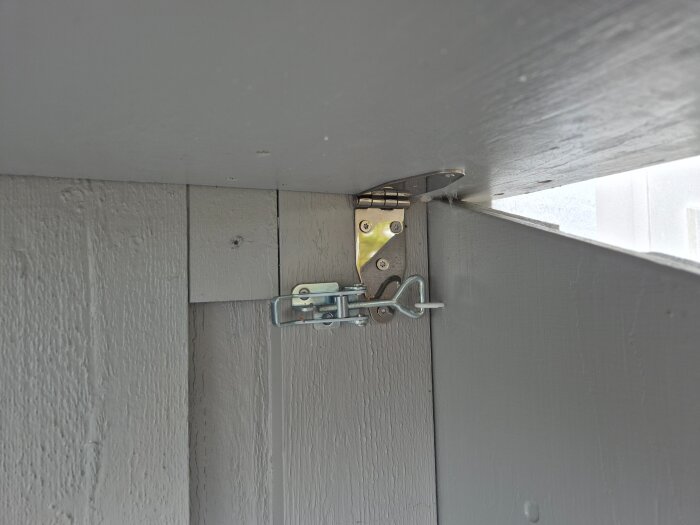
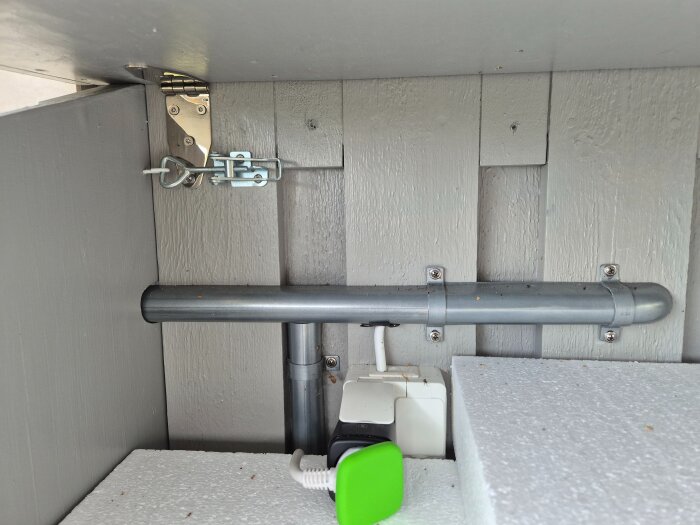
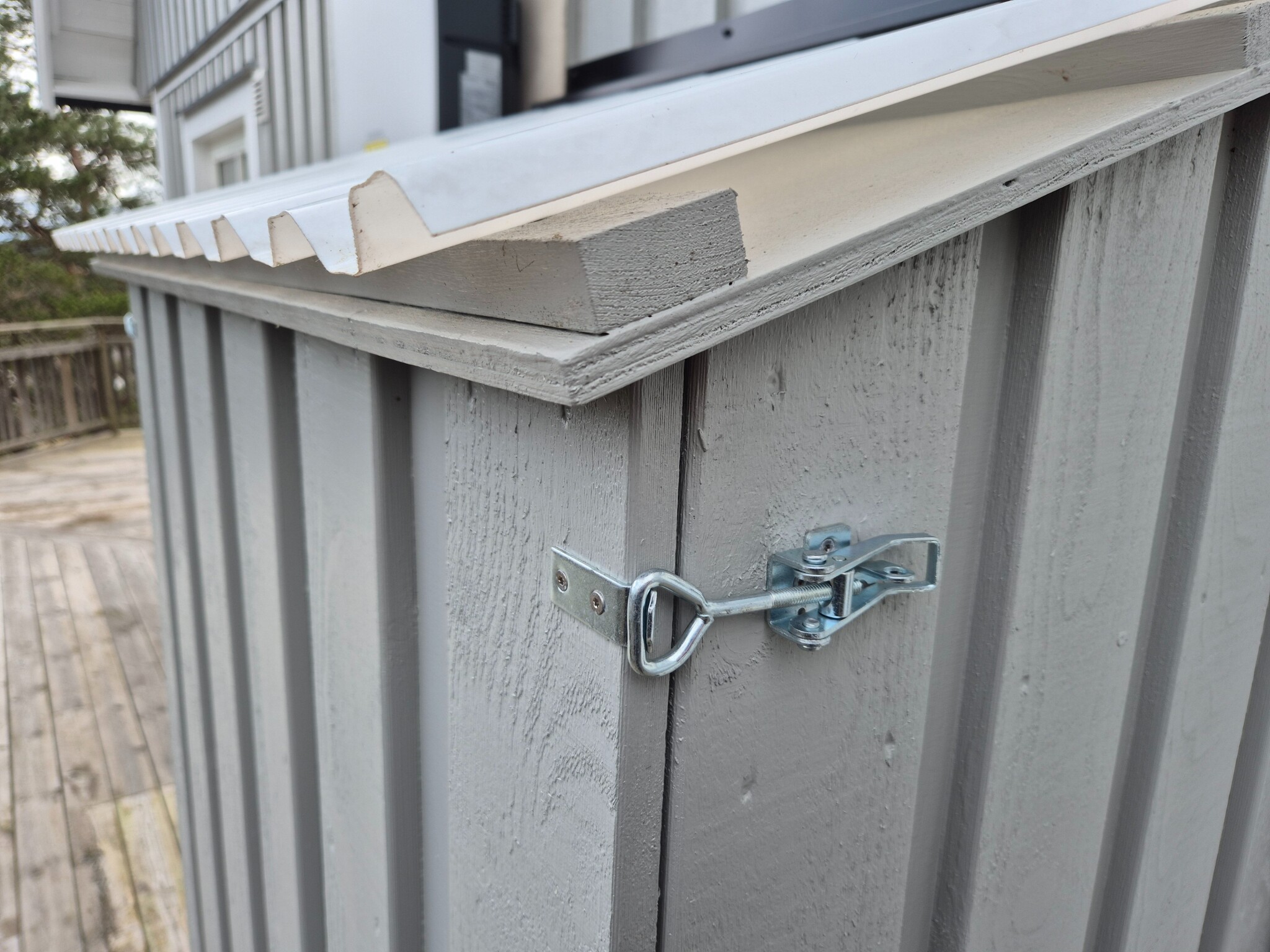
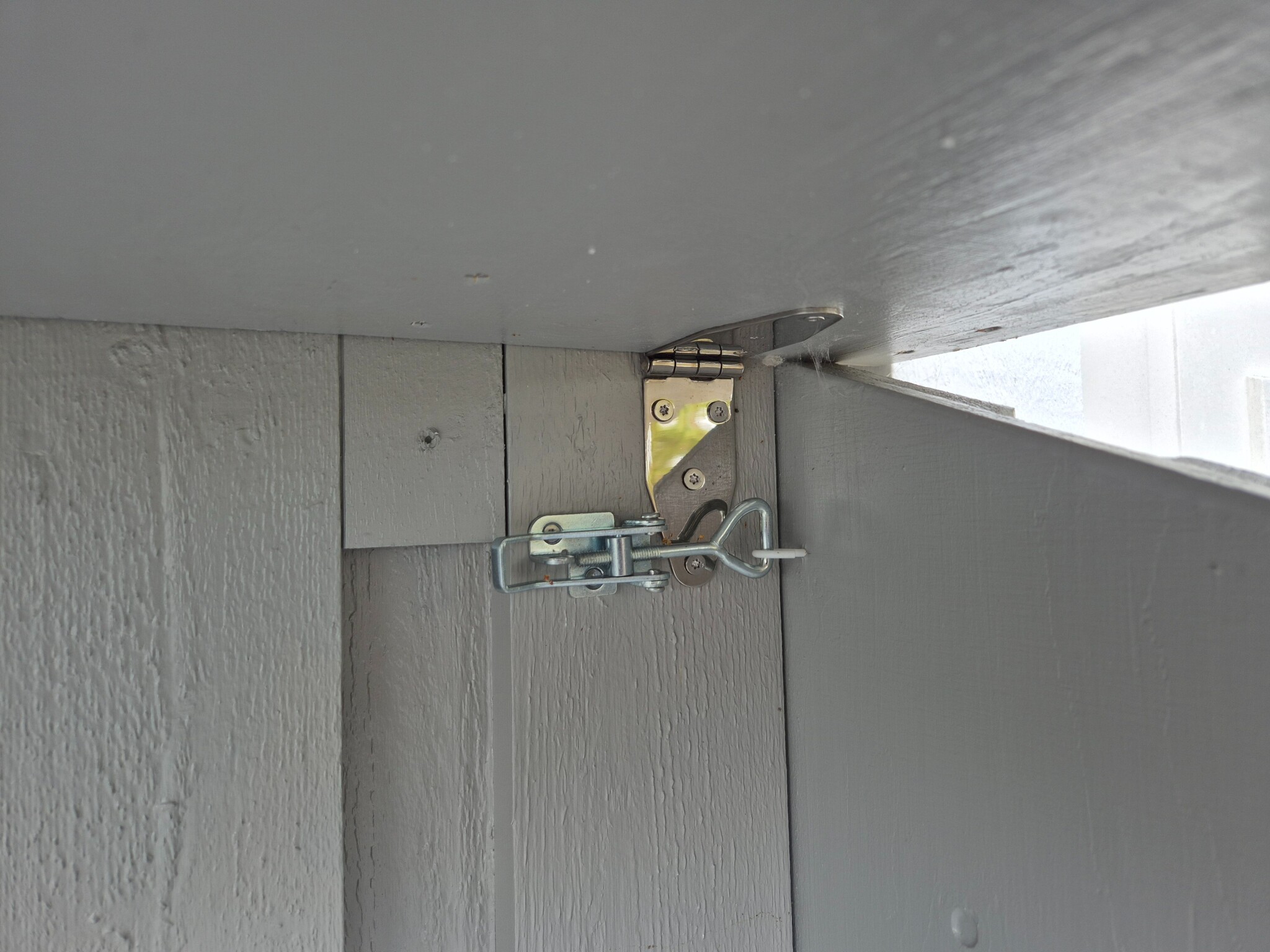
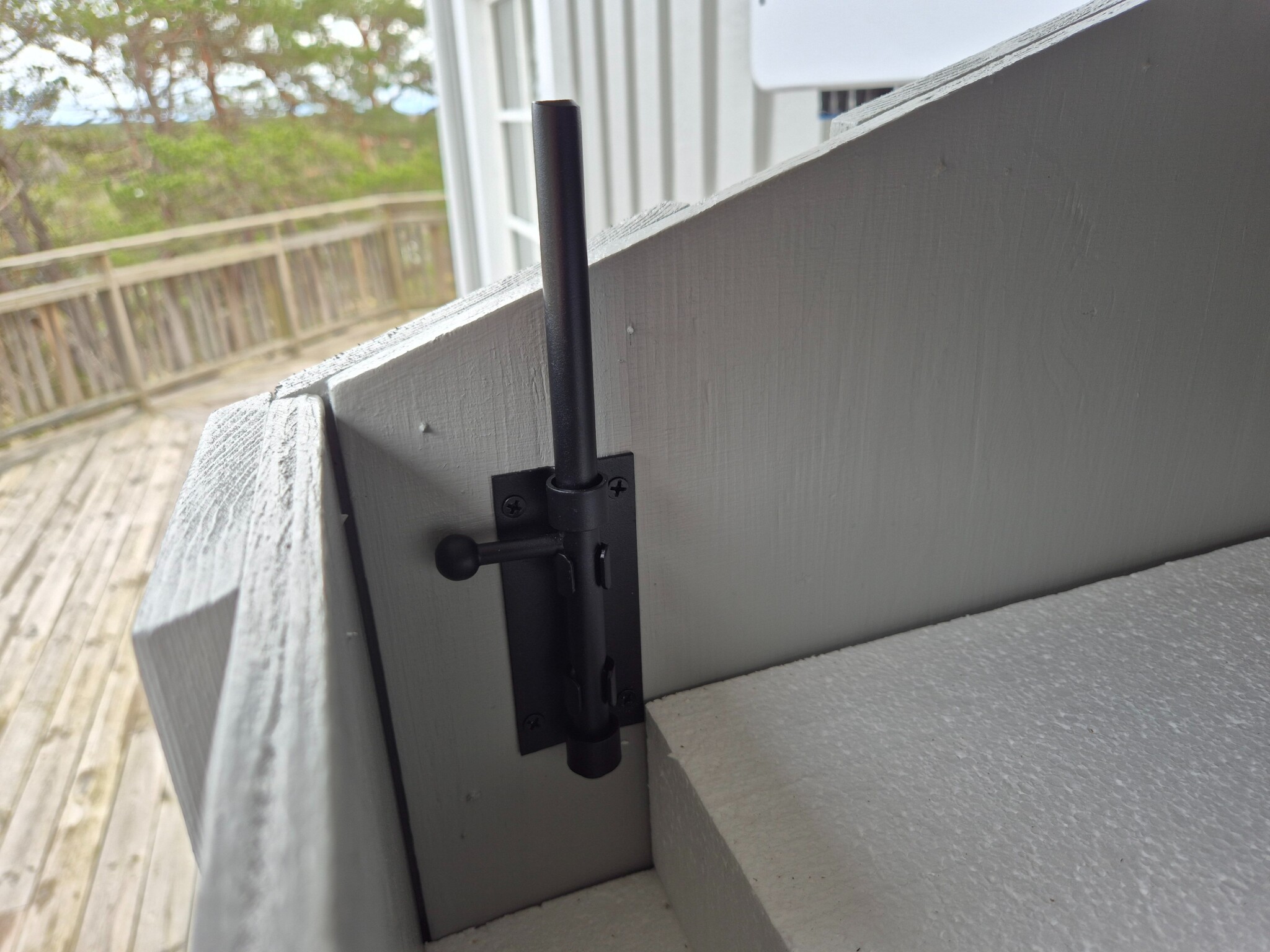
The roof is attached with hinges and can be lifted a few centimeters in the summer for ventilation. The inside of the box is lined with Styrofoam, 2 x 7 cm panels.
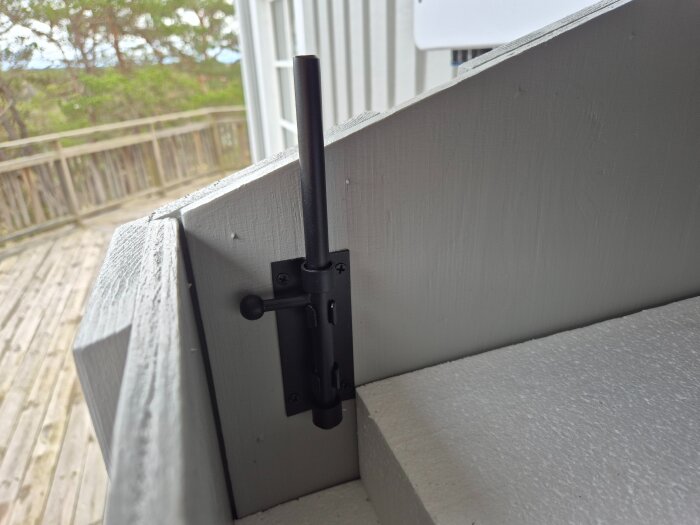
The entire front can be removed with the help of the toggle latches. A similar construction is used for both sides, which can also be removed if you first take out all the Styrofoam.
This winter, which was colder than the last, the frost guard consumed 10, 10, 25, 55 kWh (Nov, Dec, Jan, Feb). Last winter was a bit milder, resulting in 8, 7, 17, 27 kWh for the same period. I try to maintain between 5 and 10 degrees and increase slightly, up to 12-13 degrees around midnight when Checkwatt performs its tests to ensure they are conducted thoroughly. There have been no problems.
Click here to reply
Vi vill skicka notiser för ämnen du bevakar och händelser som berör dig.


TomtenHusson said: