Hello
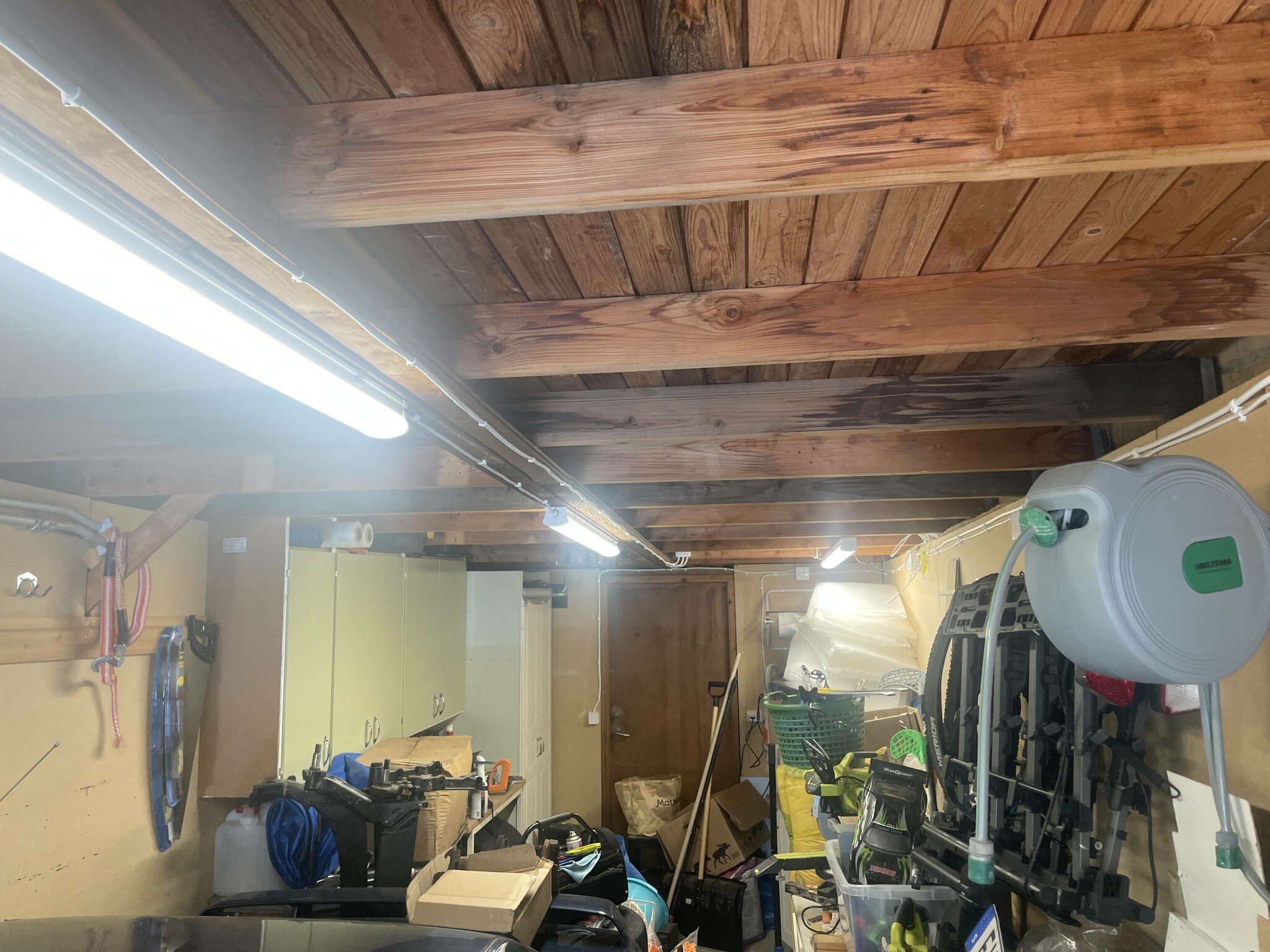
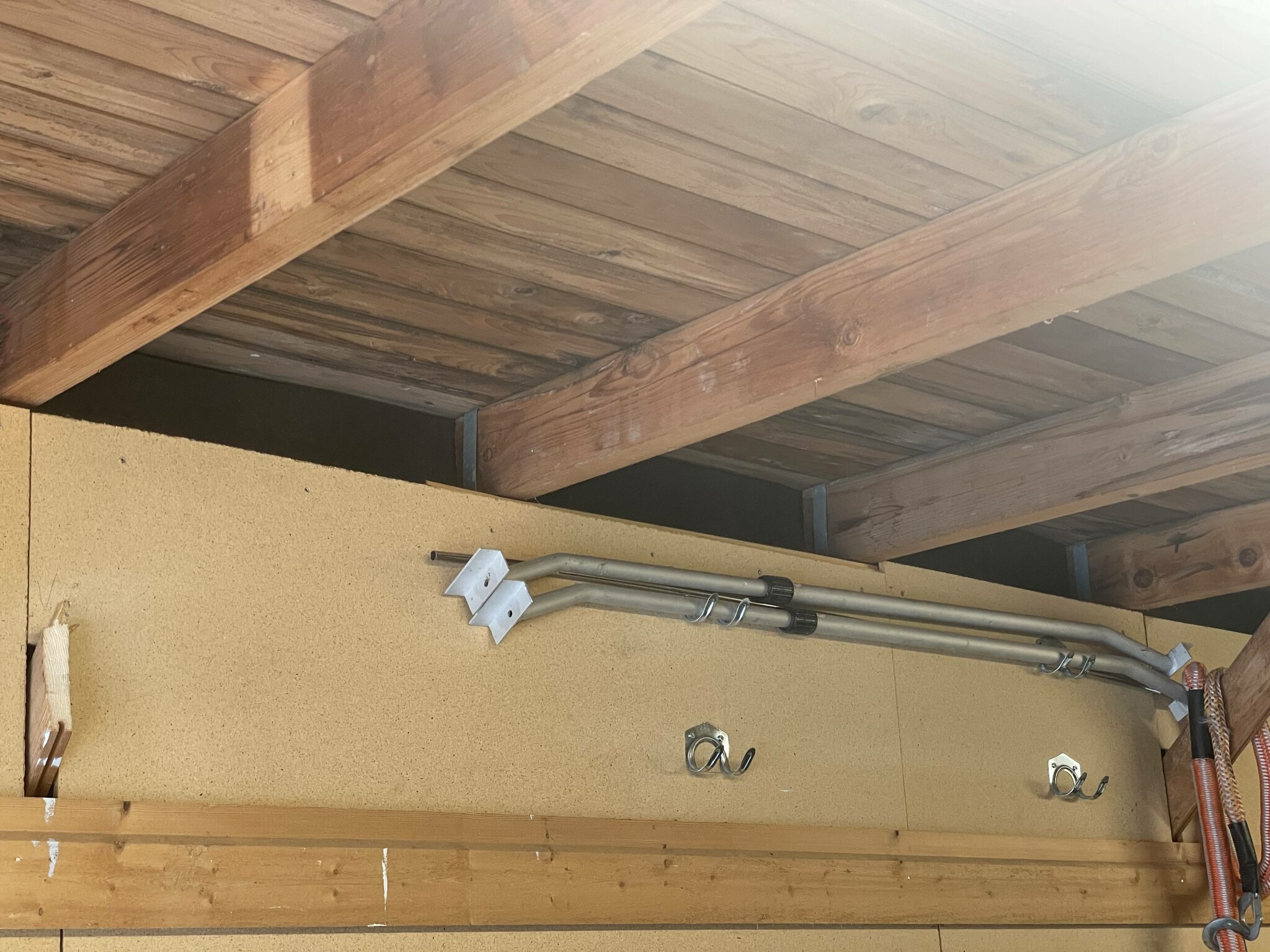
We have an uninsulated garage that we wish to insulate. Normally, as I understand it, there should be an air gap between the insulation and the sheathing in the roof construction. It is a felt roof, by the way. The problem I see is that we have the roof joists directly against the roof slope.
How should one proceed?
Is it sufficient to place padded insulation directly against the sheathing and then vapor barrier/roof gypsum?
In the walls, I am thinking, from outside to inside, panel-strapping-breathable membrane-insulation-vapor barrier/OSB-gypsum.
Attached are a few pictures:
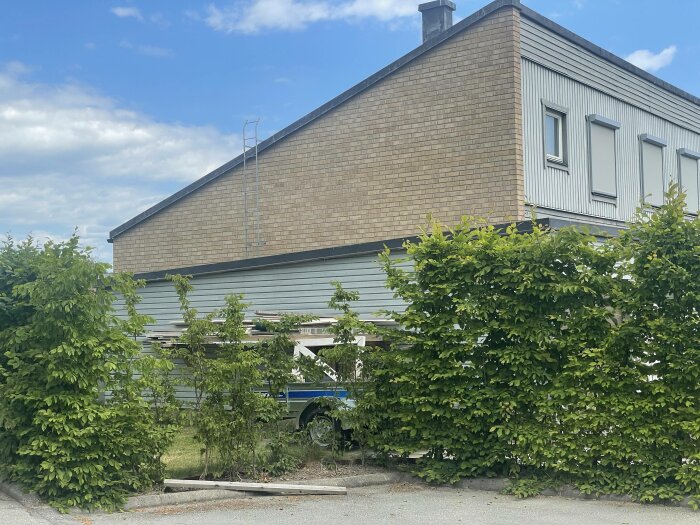
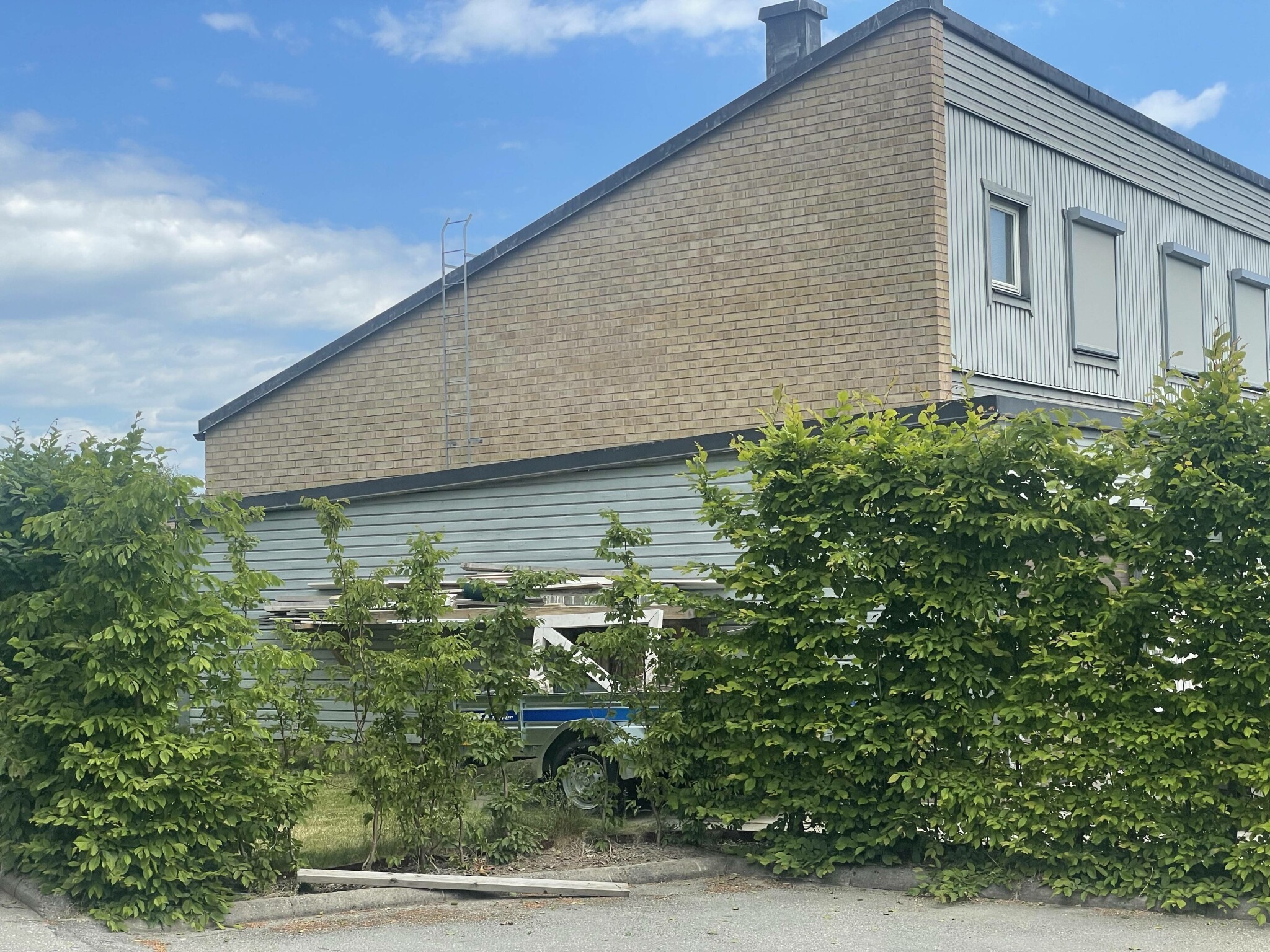
Mono-pitched roof with slope lengthwise.
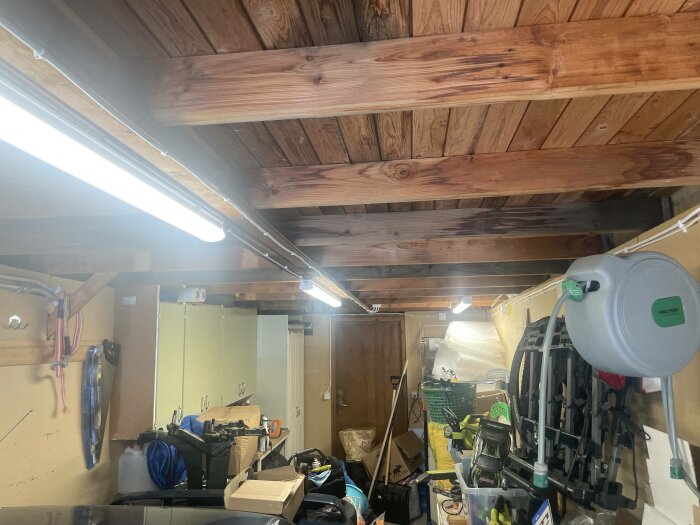
Here is the view from the garage door, we do not want to build down too much as there is already low ceiling height towards the back.
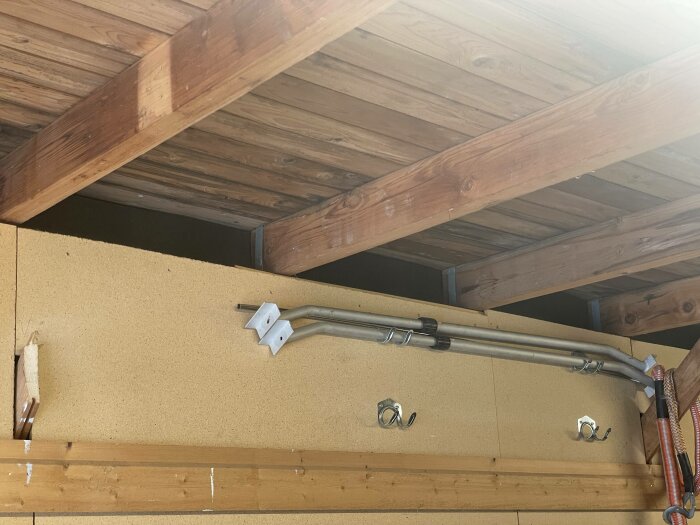
Close-up of roof joists.
nail a 20mm spacer at the edges and possibly one in the middle to prevent the insulation from reaching the roof decking. Simple and cheap. You can also use this to attach a masonite board to create a rigid air gap.
Nail a 20mm spacer at the edges and possibly one in the middle to prevent the insulation from reaching up to the roofing felt. Simple and cheap. You can also attach a masonite board to this to create a hard air gap.
That's what we did when insulating the attic. 20mm square wood and tarred masonite, then insulation, etc. However, the roof joists were in the direction of the roof slope. In the garage, they are crosswise; is there no risk that condensation will accumulate against the joist or the square wood?
For an air gap to function, it must be connected to the outside air. This means that air holes must be made through the wall.
If any strips are placed as air gap spacers against wind paper/insulation, they must be laid along the rafters. They must not prevent the air from reaching all the way to the house's gable.
Click here to reply
Vi vill skicka notiser för ämnen du bevakar och händelser som berör dig.

Semiproffset said:
