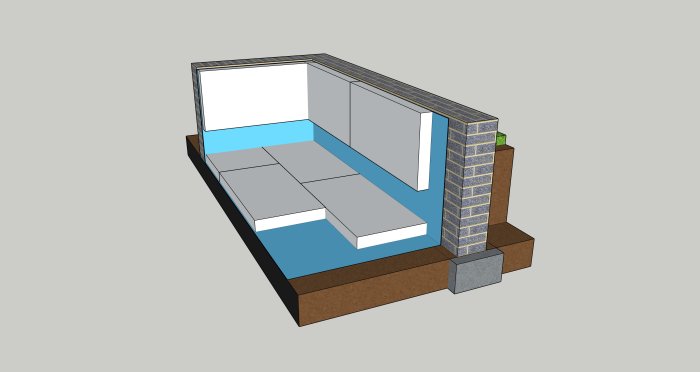
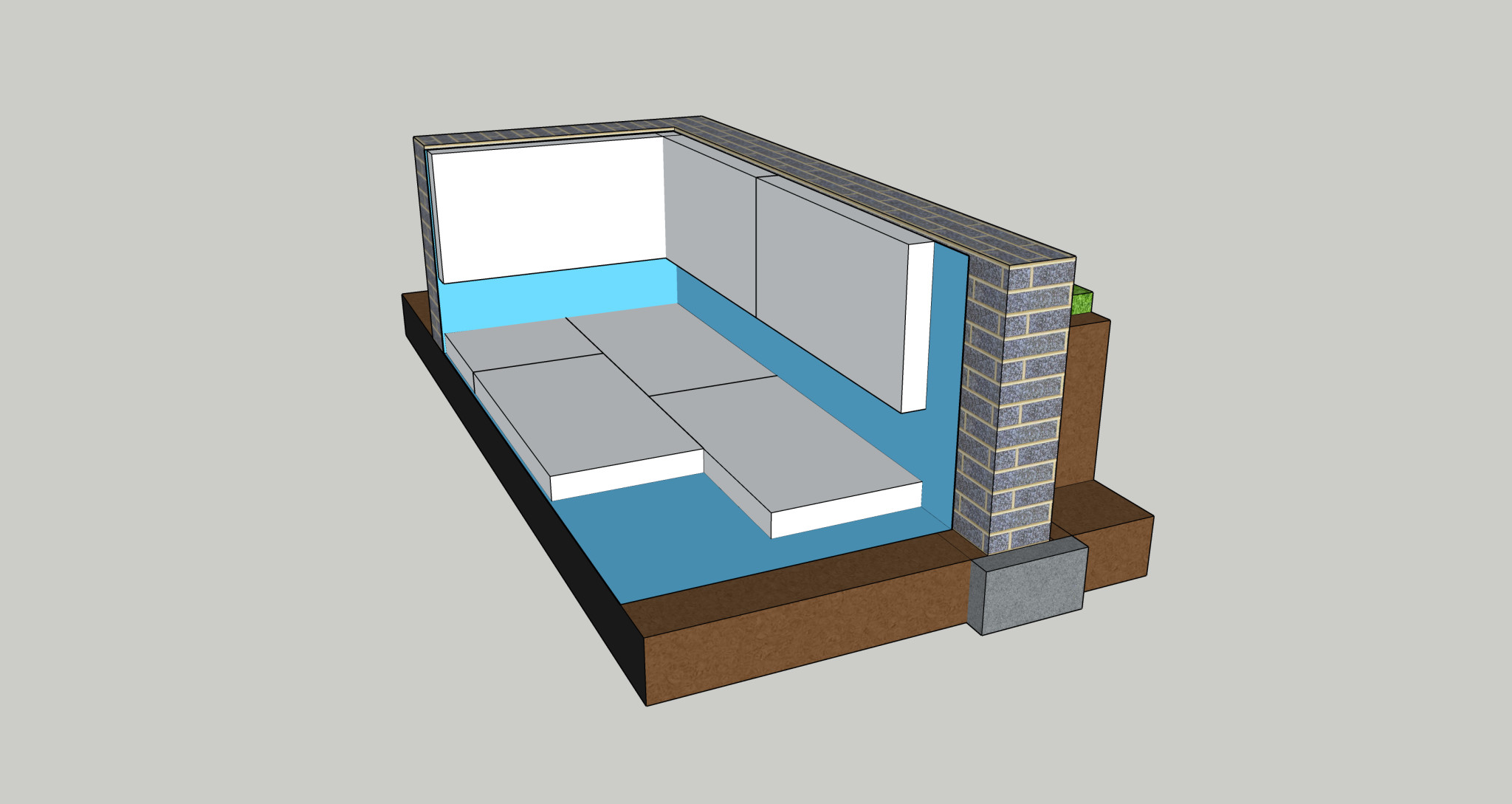
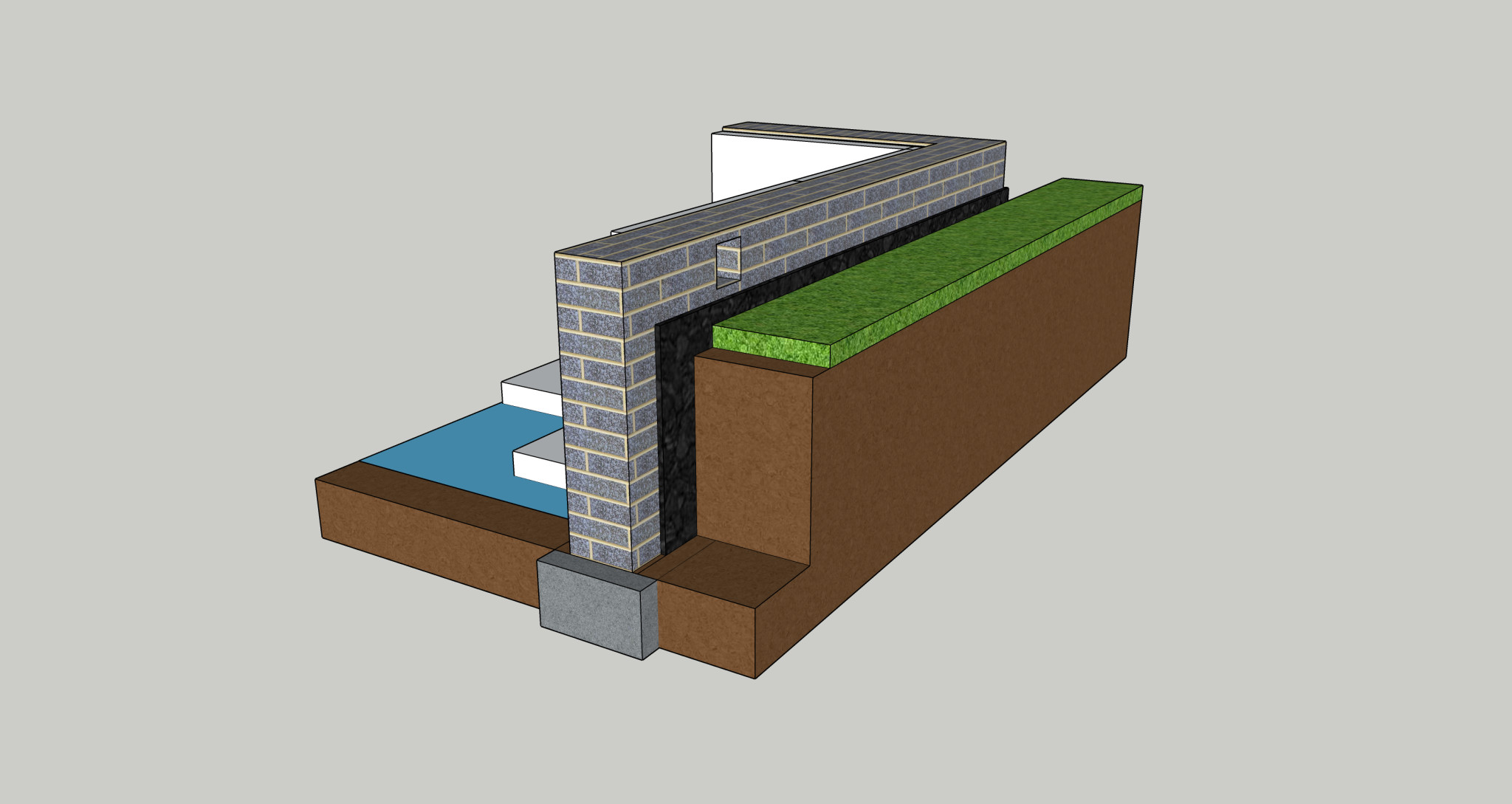
Hello, we have a very cold floor at home and I'm thinking of insulating the crawl space with Styrofoam; I wonder how I should do this.
I have a basement that is heated with an opening to the crawl space (which is now sealed).
The crawl space is quite flat, so it won't be difficult to lay the Styrofoam.
Styrofoam boards that I plan to insulate with are 120x60x10cm S80.
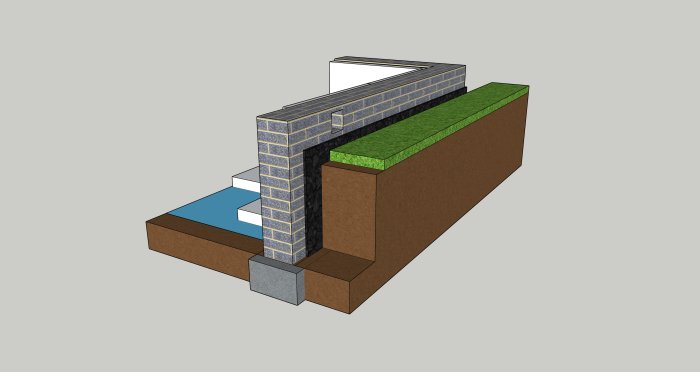
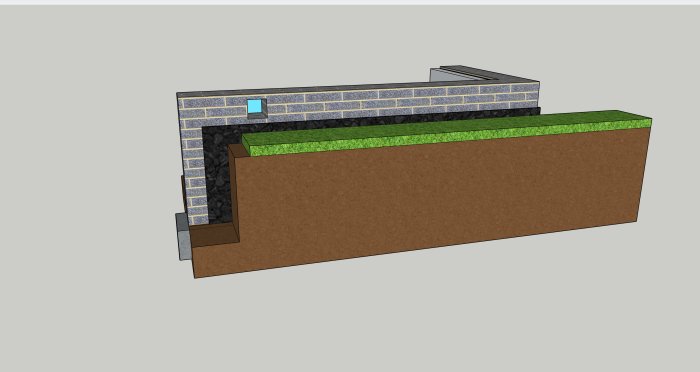
The Styrofoam boards that will be on the wall should be 30 cm below ground level (I'm not going to insulate all the way down).
What I'm considering:
1: Should the vents be sealed with the Styrofoam
2: Should the construction plastic go all the way up to the joists, or can I skip the construction plastic against the wall
3. How do I attach the Styrofoam to the wall? I have some type of Lecablock that is as hard as concrete
3.1 Nail plug
3.2 Glue (but how do you handle the construction foil behind if there should be construction foil)
3.3 Screw with washer
Asvaboard ( black ) between the joists insulation above, a hole with a small screwdriver and a wire up so you know how much insulation is in the joists
Insulating the ground in the crawl space probably won't give much, place the boards in the ceiling, can be fastened with long screws and a square masonite ( 100X100 ) as a washer
It gets a little tricky when passing by joists ( they go down under the asvaboard )
If you want to insulate against a cold floor, you should place the insulation under the ground beams as litevarje and I wrote. With your suggestions, you will barely get any effect with all the thermal bridges.
Hi, we have a very cold floor at home and I'm planning to insulate the crawl space with foam insulation, I wonder how I should perform this.
I have a basement that is heated with an opening to the crawl space (which is now blocked).
The crawl space is quite flat so it won't be difficult to lay the foam insulation.
Foam boards I plan to insulate with 120x60x10cm S80.
The foam boards that will be on the wall should be 30 cm below ground level (won't insulate all the way down).
What I'm wondering about:
1: Should the vents be blocked with the foam insulation
2: Should the building plastic go all the way up to the joists, or can the building plastic against the wall be skipped
3. How do I attach the foam insulation to the wall, I have some type of lightweight concrete block that is as hard as concrete
3.1 Nail plug
3.2 Glue (but what about the building foil behind if there should be building foil)
3.3 Screw with washer
[image]
[image]
[image]
Hi - really OT I know - but which drawing program do you use? I'm in search of a handy one and I see that many here on BH seem to be able to quickly and easily produce good images.
If you want to insulate against a cold floor, you should place the insulation under the subfloor, as litevarje and I wrote. With your suggestions, you will barely get any effect with all the thermal bridges.
If you insulate the foundation wall and the ground instead of the floor, you also solve potential moisture problems in the crawl space. Of course, the floor will be warmer if the space below is warmer.
But sure - in terms of millimeters of insulation, it is more effective to insulate the floor/subfloor, but one should also be aware that the temperature in the crawl space decreases, which can lead to moisture problems that do not exist today.
Then it also depends a bit on why the floor is cold today. A common reason is that the insulation has settled, creating an air gap under the surface layer all the way from the outer walls, where cold air is drawn in.
Afraid that the biggest culprit is thermal bridges from the house's foundation wall that spread the cold further along the beams/studs in the floor. So you should insulate against the outer walls preferably from the outside but that might look muppigt? The cold from the ground is probably imperceptible, what temperature do you have in the crawl space?
If you're going to insulate, insulate comprehensively against the foundation wall. Like your first picture but with insulation all the way. That way, it will be warmer under the floor. Regarding ventilation, it would be best with a system that actively ventilates when needed (high humidity or alternatively a dehumidifier).
Vi vill skicka notiser för ämnen du bevakar och händelser som berör dig.