
6,859 views ·
7 replies
7k views
7 replies
Incorrectly installed stove pipe. Help with remedy.
Bought the first house in November '11. After a month or two, I noticed it started to crack around the stove pipe that goes into the "murstocken" or whatever it's called. The former owner gave me a paint can and told me to use fireproof mortar he had left, and pointed out that I might have been burning too intensely.
The chimney sweep said it was an amateur who installed the stove and that there should be some kind of wool outside the pipe (which, of course, moves with heat/cold.)
After the winter, pieces around the entire stovepipe have come loose about 10 mm outward and about 10 mm inward/deep around.
How can this be fixed in the best way? A picture can be arranged if it helps.
Regards, Lars
The chimney sweep said it was an amateur who installed the stove and that there should be some kind of wool outside the pipe (which, of course, moves with heat/cold.)
After the winter, pieces around the entire stovepipe have come loose about 10 mm outward and about 10 mm inward/deep around.
How can this be fixed in the best way? A picture can be arranged if it helps.
Regards, Lars

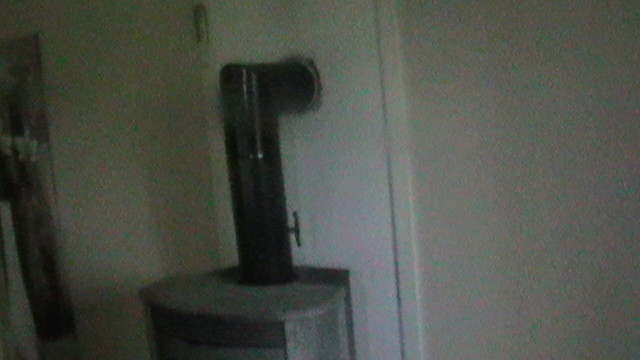
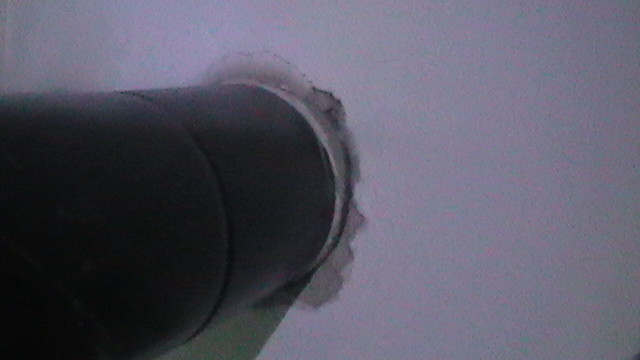
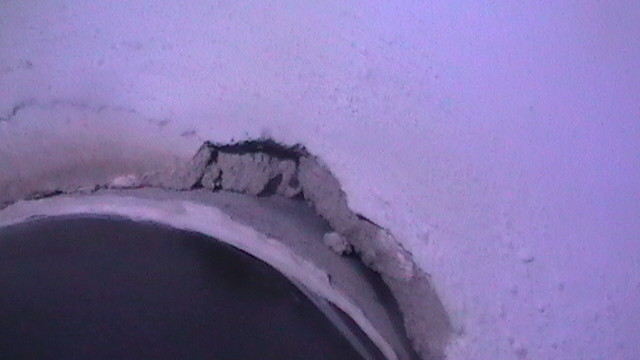
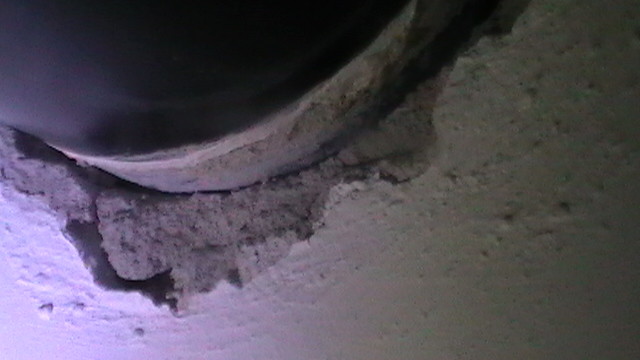
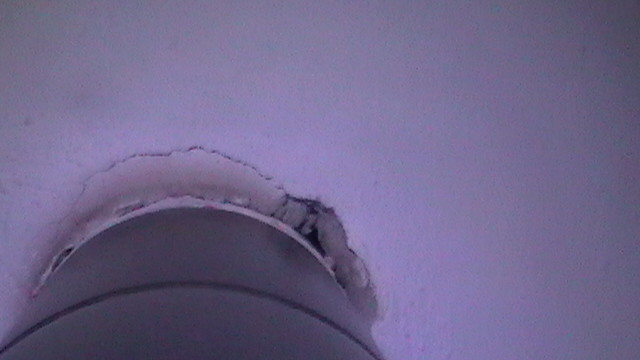
hack away so there is space for stone wool, just enough for a collar around the pipe to cover it
It has been so hot that it has blackened around the pipe, burn sparingly and keep an eye on the flue gas temperature
At the moment, but there are surely others on the Forum who have this under control
It has been so hot that it has blackened around the pipe, burn sparingly and keep an eye on the flue gas temperature
At the moment, but there are surely others on the Forum who have this under control


Above all, it is stated in the installation instructions for the stove and/or flue pipe how to proceed... THAT is the guide. If you can figure out the brand of the pipe, you are "home free." If you can't find anything like that, perhaps you can look at instructions from Premodul or NVI for similar installations.

If it's an old masonry chimney, it looks like the person who installed the stove missed a part called the inmurningsstos. It's simply a short piece of pipe that's one to two centimeters larger in diameter than the stove pipe and about 10 cm long. The stos is bricked into the chimney and then the stove pipe is inserted into the stos, and finally, the joint is sealed with fiberglass rope. This creates a joint that can accommodate the movements of the stove pipe.
Inmurningsstosar can be purchased at places like eldabutiken or similar stove stores. They can probably also help you get a stos in place. Otherwise, it's not particularly difficult to do it yourself either. Chip out a hole big enough for the stos, plus a centimeter, in the chimney, and remove any cracked mortar. Water the hole thoroughly and secure the stos in the hole with mortar C.
If it's some kind of modular chimney, as previously mentioned, you should try to find installation instructions for that specific chimney.
Inmurningsstosar can be purchased at places like eldabutiken or similar stove stores. They can probably also help you get a stos in place. Otherwise, it's not particularly difficult to do it yourself either. Chip out a hole big enough for the stos, plus a centimeter, in the chimney, and remove any cracked mortar. Water the hole thoroughly and secure the stos in the hole with mortar C.
If it's some kind of modular chimney, as previously mentioned, you should try to find installation instructions for that specific chimney.
Click here to reply