Are you for real?
The construction examples provided by sources like the wood guide are based on the experience of what works.
If that is not good enough for you and you want to "reinvent the wheel," you should be glad to receive just a few "funny" answers.
Take your construction drawings to the building committee and to your appointed controller, and you'll see "funny answers"!
Hmm...
Seems like I made a misunderstanding, a big one too.
...or remember something wrong.
I will research the matter and get back to you.
Feel free to answer my other questions in the meantime!
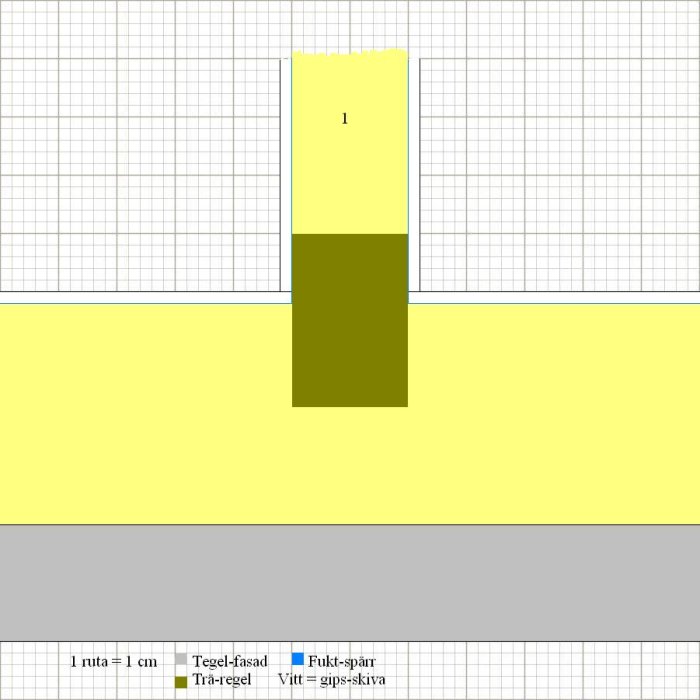
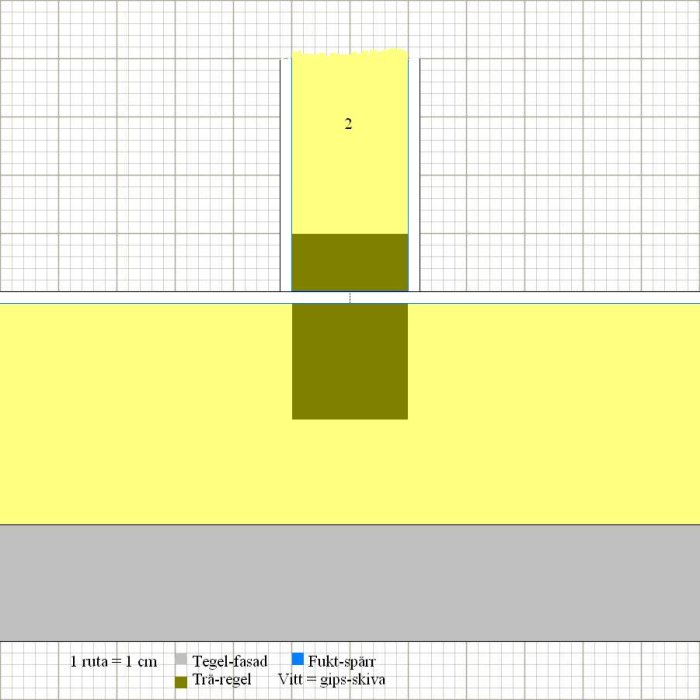
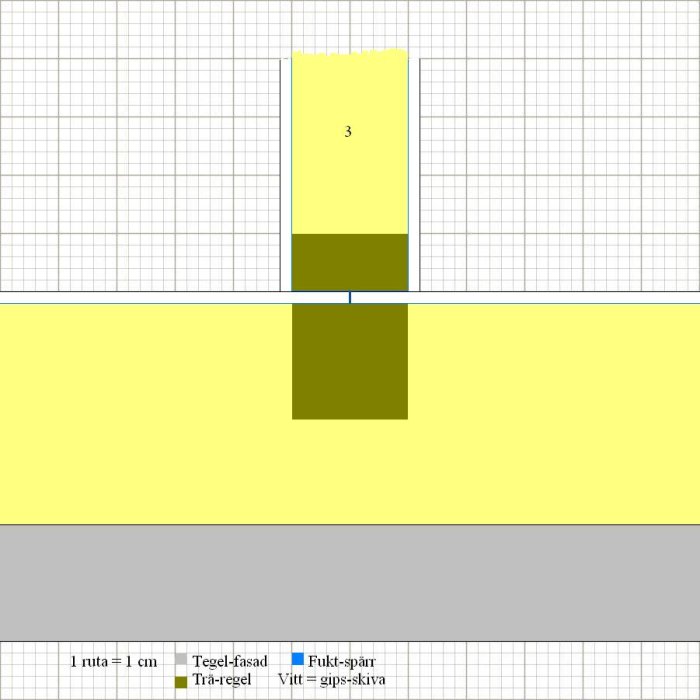
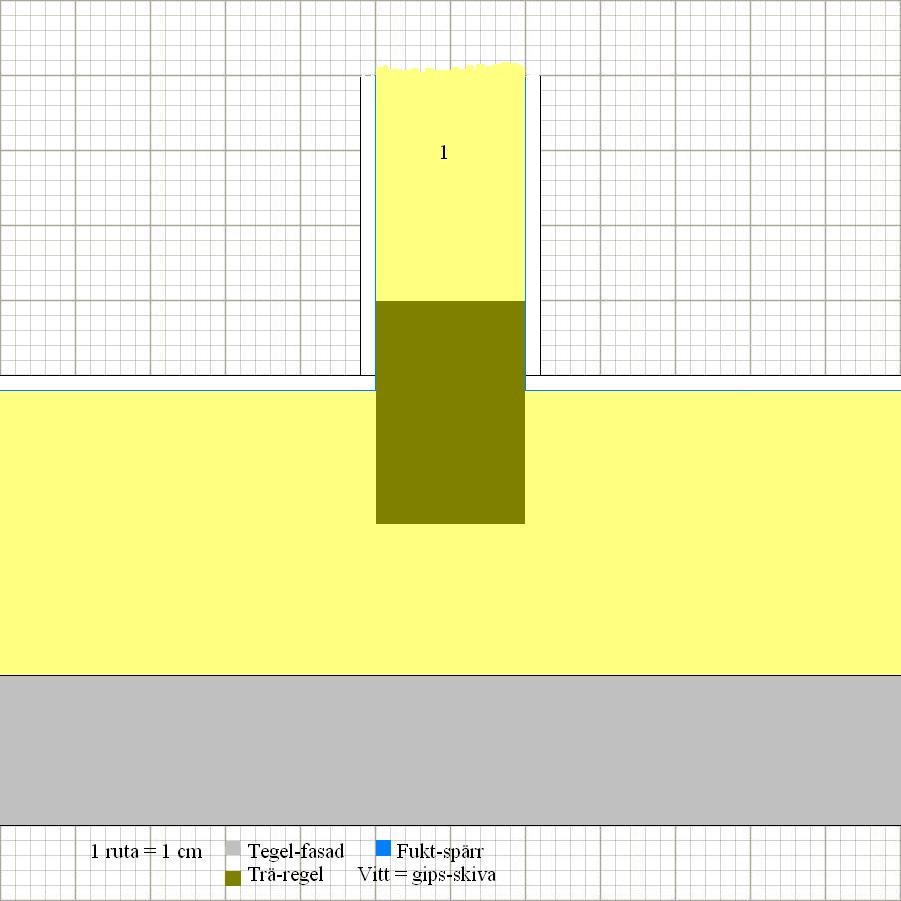
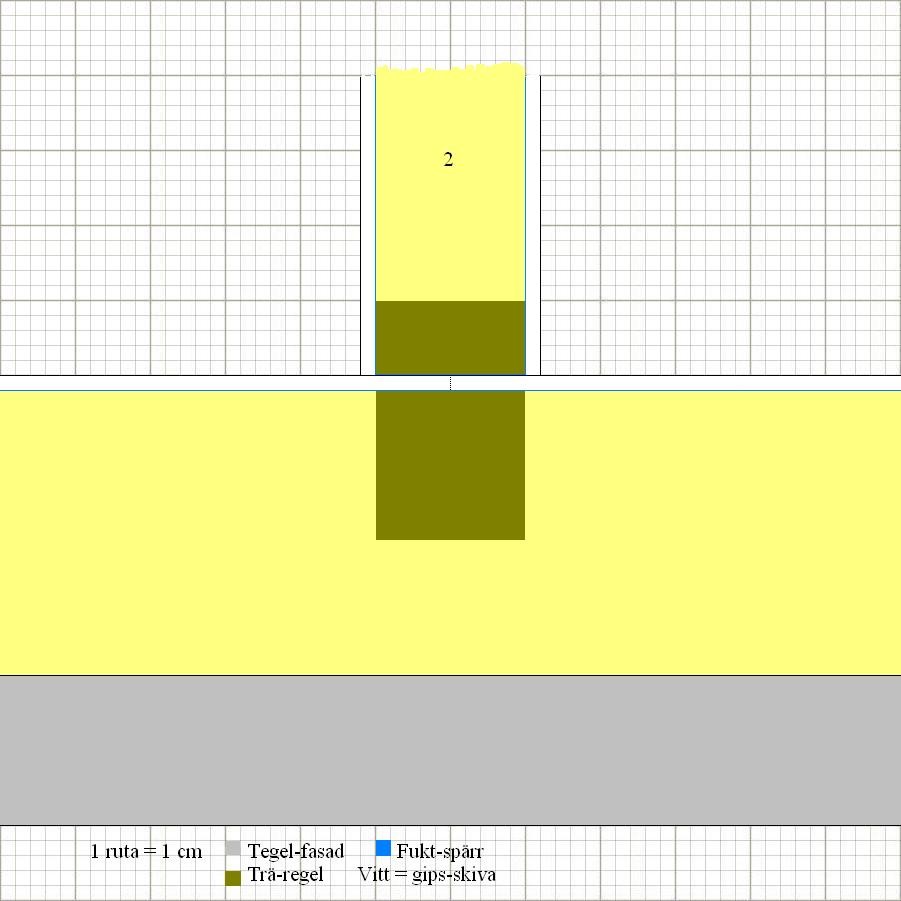
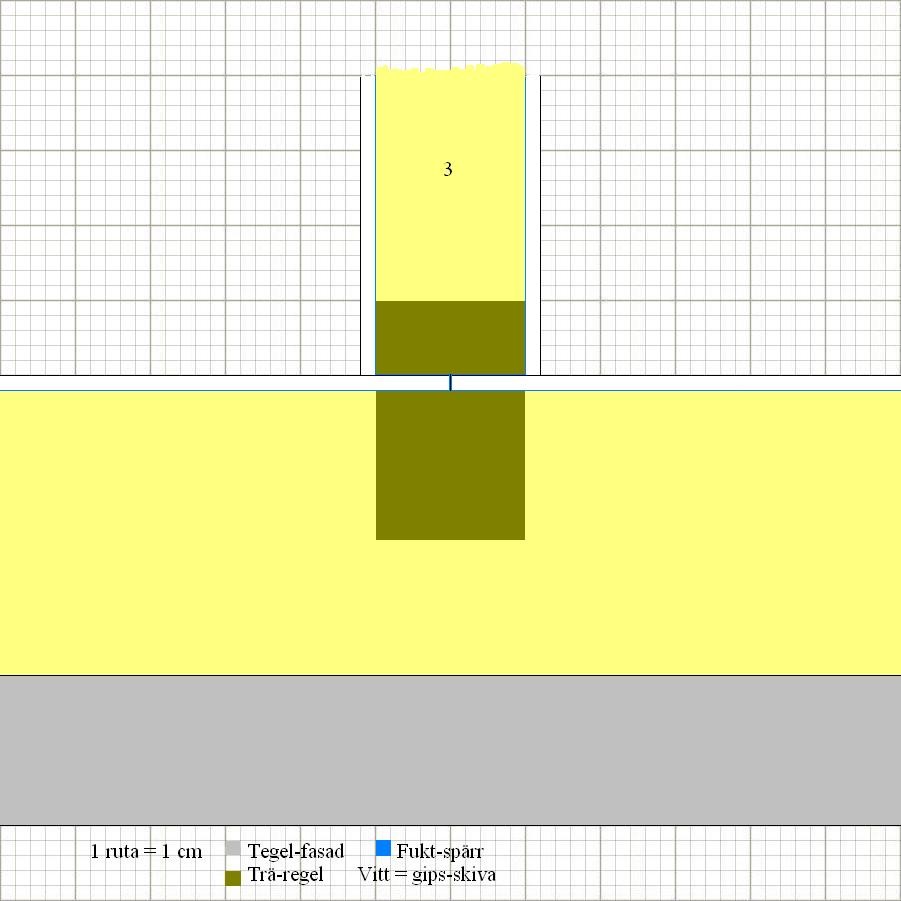
The moisture barrier, how should it be integrated between the outer wall and inner wall?
None of those suggestions looked particularly good. Try to create an installation layer inside the plastic.
If I were building a house with masonry, I would use blocks of lightweight concrete. Then you avoid a moisture barrier except in wet rooms. Wall viewed from the outside:
10 plaster
100 concrete
200 insulation
250 concrete
5 natural gypsum
ME: Yes, I think you're a bit mistaken here. Slab-on-ground is probably the most common way to build small houses today, and there are obviously good reasons for that.
If you want to build cheaply, like a summer house or guest cottage, a post foundation might be relevant, as it avoids the worst moisture traps of a crawl space, but you miss out on some advantages of building directly on the ground.
None of those suggestions looked particularly good. Try to get an installation layer inside the plastic.
If I were building a house with masonry, I would use lightweight concrete blocks. Then you avoid moisture barriers except in wet rooms. Wall seen from the outside:
10 plaster
100 concrete
200 insulation
250 concrete
5 natural gypsum
Search for Leca - manufactured by Weber - they have a design manual that was at least previously available for download in PDF format. There you can see some different construction examples.
To my knowledge, it is not used to a particularly large extent anymore. There are certain advantages - for example, when working with prefab, but for you who will probably build the house yourself as I understand it, I don't see any advantages.
I have been thinking about something today:
When you burn wood, air is consumed.
If you take air from inside, cold air must seep in to replace the air that the wood boiler consumes.
If you take air from outside, you keep the warm air inside.
-Can you take air from the crawl space to kill two birds with one stone?
1. You keep the warm air inside.
2. You get better ventilation of the crawl space.
since the boiler sucks out air from there.
I do so. An air duct opens into the floor in front of the stove. The stove draws in the cold air, burns the oxygen, and sends the smoke out through the chimney.
If you take the air from the supply vents, you risk cold drafts, not so fun to have over the sofa or in other places.
But start by choosing the basic construction and type of frame. The supply air to the stove will come in chapter 6.
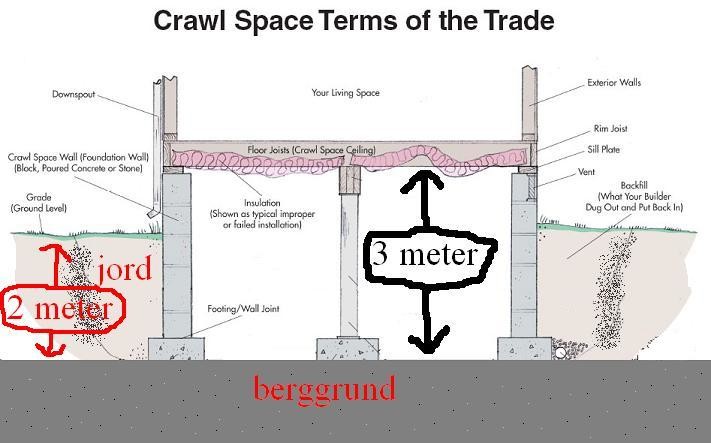
As far as I know, that's not typically how it's done - 3 meters is quite a lot. I think it would have been better to fill that volume if it's not going to be used for anything.
Having bedrock down there isn't without its problems either. Often there is water that is bound to the surface of the bedrock or seeps through the cracks - it can be quite a large amount.
It's hard to say anything general - but I think a slab on ground is better.
Vi vill skicka notiser för ämnen du bevakar och händelser som berör dig.