
518 views ·
6 replies
518 views
6 replies
How to spruce up a masonry chimney- renovation
Hello!
Brand new to the forum My partner and I have just bought a house from 1922, last renovated in the 70s. Now we have just started renovating and restoring it to something more in line with the 1920s spirit. It's a lot of new things for us, but also very fun!
The chimney was previously plastered, but we revealed the bricks as a nice interior element. You can see some previous repairs and fillings of old smoke channels. I suspect that cement was used to fill some parts instead of lime mortar as it was very hard in places and damaged the bricks when removed.
I want to fill in with new mortar where it's missing to tidy up the appearance.
I would gladly receive advice on the process and products!
A few thoughts from me:
- Which mortar should I choose? Preferably something with a light gray color
- Some of the bricks have "chipped edges," should I replace these?
- Should I drill out the mortar between all the bricks a few centimeters before adding new mortar to make it uniform?
- Any technique tips? Wash off, moisten before applying mortar, sponge off and let it cure, protect with dust binding agents?
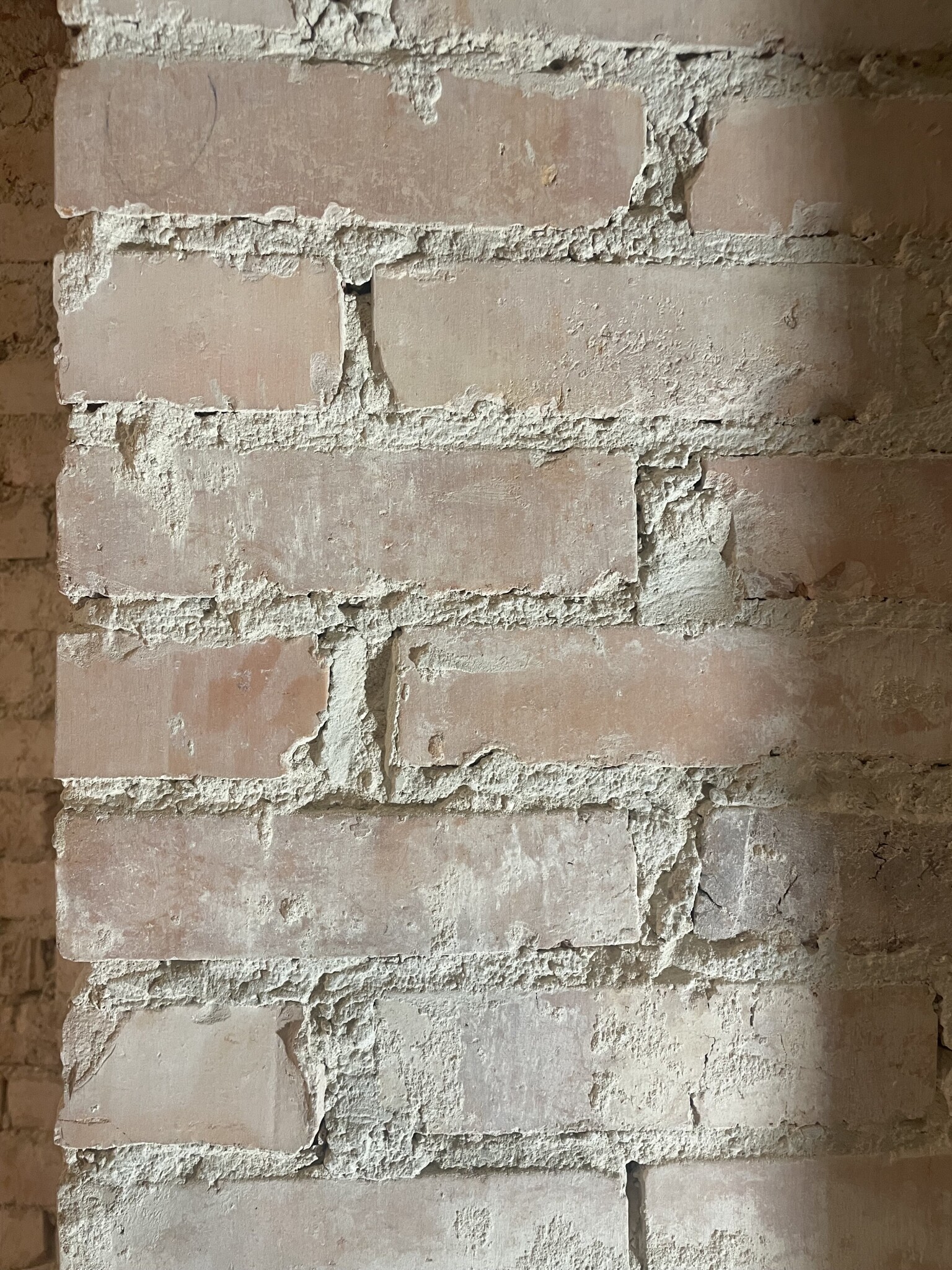
Image 1 shows a nice section of the existing chimney
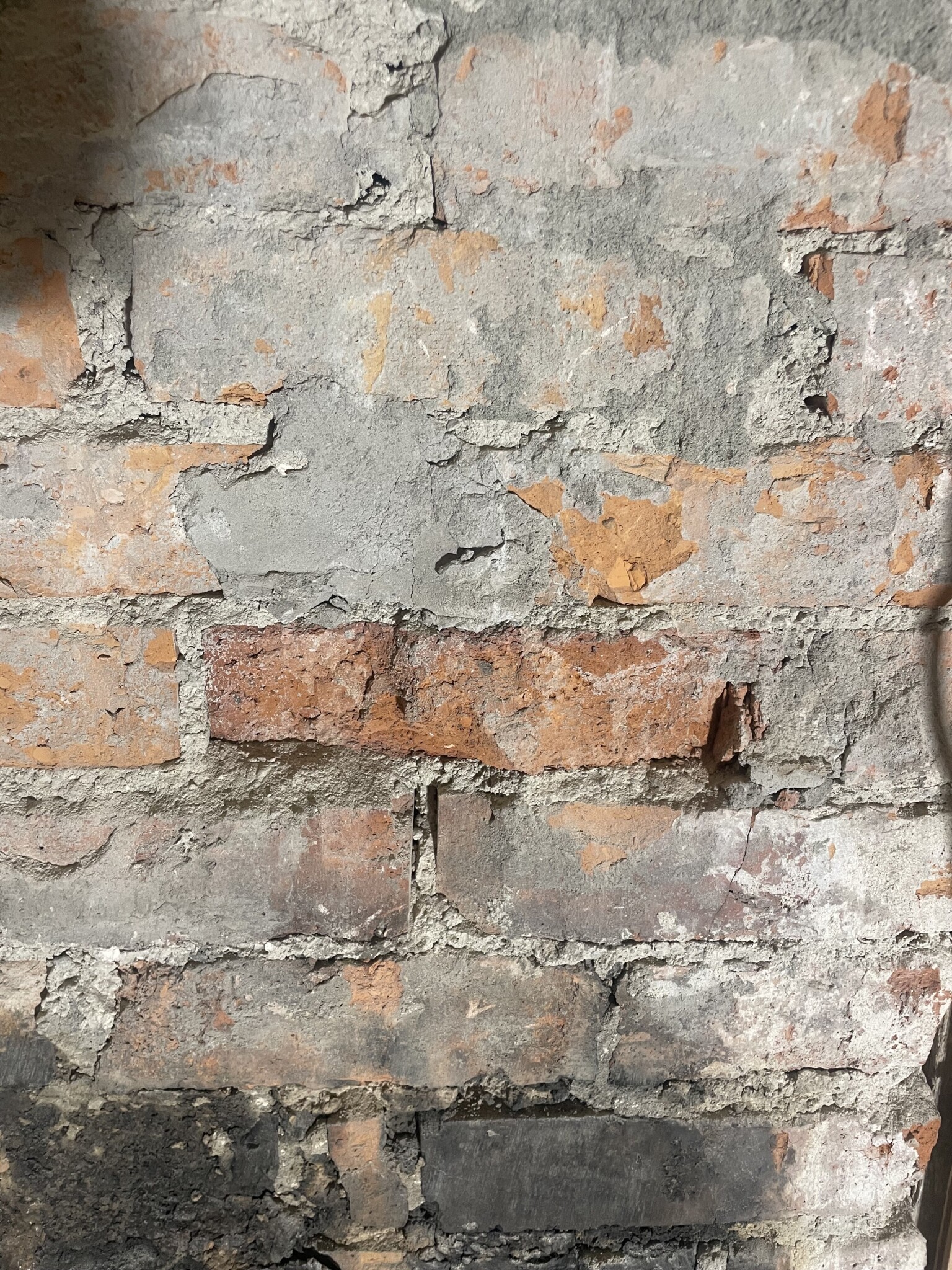
Image 2 shows a part with "chipped" brick and cement
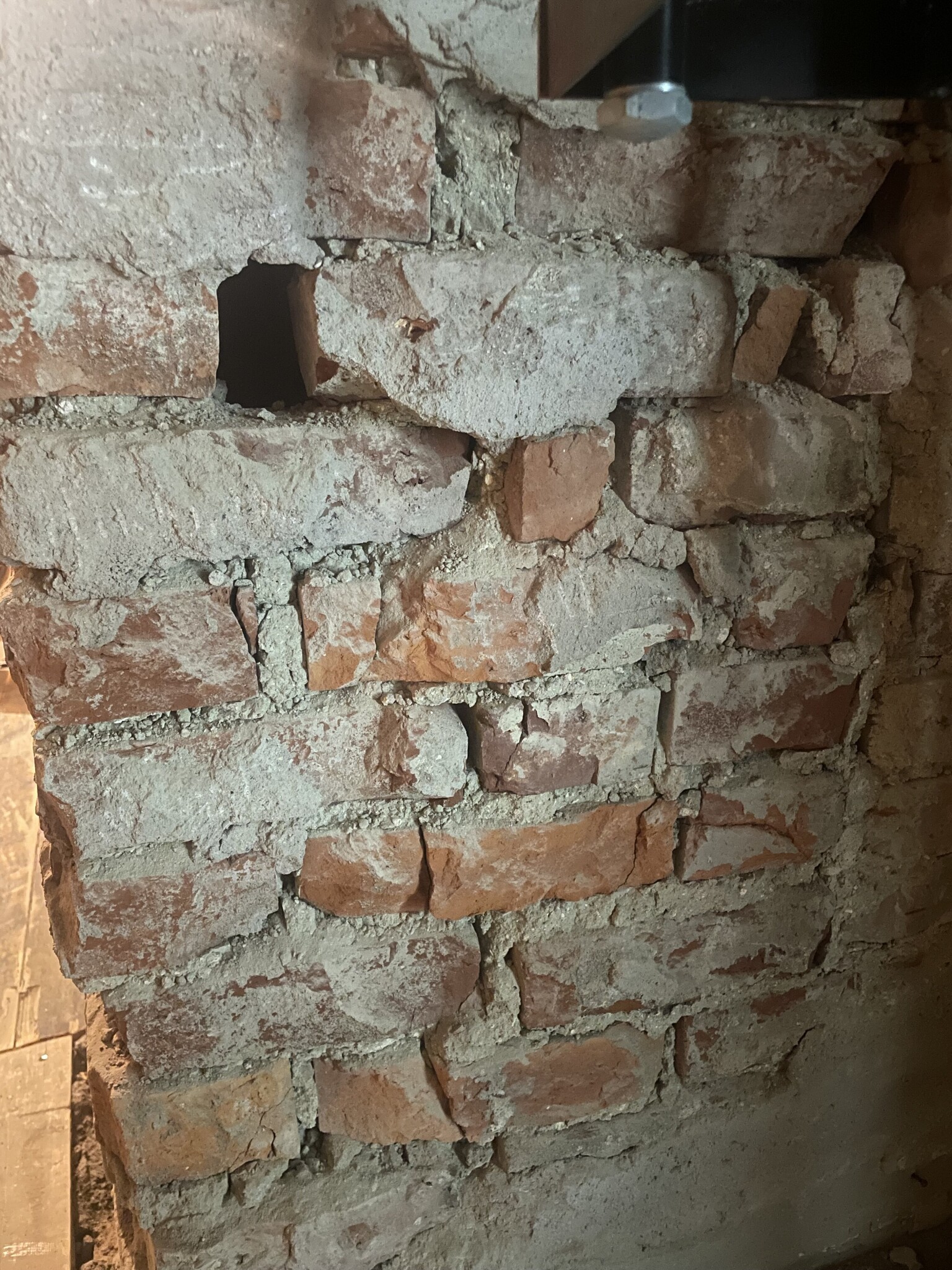
Image 3 shows several damaged bricks and a larger hole - just fill it in?
Thanks for the nice forum!
Oscar
Brand new to the forum
My partner and I have just bought a house from 1922, last renovated in the 70s. Now we have just started renovating and restoring it to something more in line with the 1920s spirit. It's a lot of new things for us, but also very fun!The chimney was previously plastered, but we revealed the bricks as a nice interior element. You can see some previous repairs and fillings of old smoke channels. I suspect that cement was used to fill some parts instead of lime mortar as it was very hard in places and damaged the bricks when removed.
I want to fill in with new mortar where it's missing to tidy up the appearance.
I would gladly receive advice on the process and products!
A few thoughts from me:
- Which mortar should I choose? Preferably something with a light gray color
- Some of the bricks have "chipped edges," should I replace these?
- Should I drill out the mortar between all the bricks a few centimeters before adding new mortar to make it uniform?
- Any technique tips? Wash off, moisten before applying mortar, sponge off and let it cure, protect with dust binding agents?
Image 1 shows a nice section of the existing chimney
Image 2 shows a part with "chipped" brick and cement
Image 3 shows several damaged bricks and a larger hole - just fill it in?
Thanks for the nice forum!
Oscar

Homeowner
· Småländska höglandet
· 5 086 posts
Excuse a complainer here, but the chimney was plastered from the beginning. Just so you wouldn't have to build it perfectly and decoratively, only smoke-tight. The visible brick on the chimney inside the house became a thing with decorative fireplaces in the 1950s-60s.
Addition: but welcome to the forum 😀 !
Addition: but welcome to the forum 😀 !
Hm yes, you are probably right about that, but yes I think it's quite charming anyway. It doesn't have to be perfect 😊Excuse a complainer here, but the chimney was plastered from the start. Just so that you wouldn't have to build it perfectly and decoratively, just smoke-tight. The visible brick on the chimney inside the house became a thing with the decorative fireplaces of the 1950s-60s.
Addition: but welcome to the forum 😀!
Thanks!

What you've done is remove the 1920s spirit you wanted. So, it's probably just a matter of replastering.O oscarabc said:
If you want to keep the feeling from a certain period, you almost always have to endure that every detail is exactly as you think looks best. It often becomes either what you think looks good or the original period-typical style.
Mixing removes the period-typical essence. Naturally, one does as one wishes in their own house. But it's not unlikely that personal desires and opinions in such a "renovation" decrease the house's value. It becomes neither original style nor modern. It's sometimes called destructive renovation.

surris
Construction veteran
· Sverige
· 1 465 posts
surris
Construction veteran
- Sverige
- 1,465 posts
Wall and plaster mortar B. Fill larger holes with horsehair and mortar. If you want it uniform, you'll have to scrape out all the joints and regrout. I would have just bricked up the large hole and left it as is. Treat it with linseed oil so it gains a nicer color and becomes dust-free.
Great, thanks for the good tips! I'll check this out.
Click here to reply