
17,521 views ·
22 replies
18k views
22 replies
How I built my pizza oven
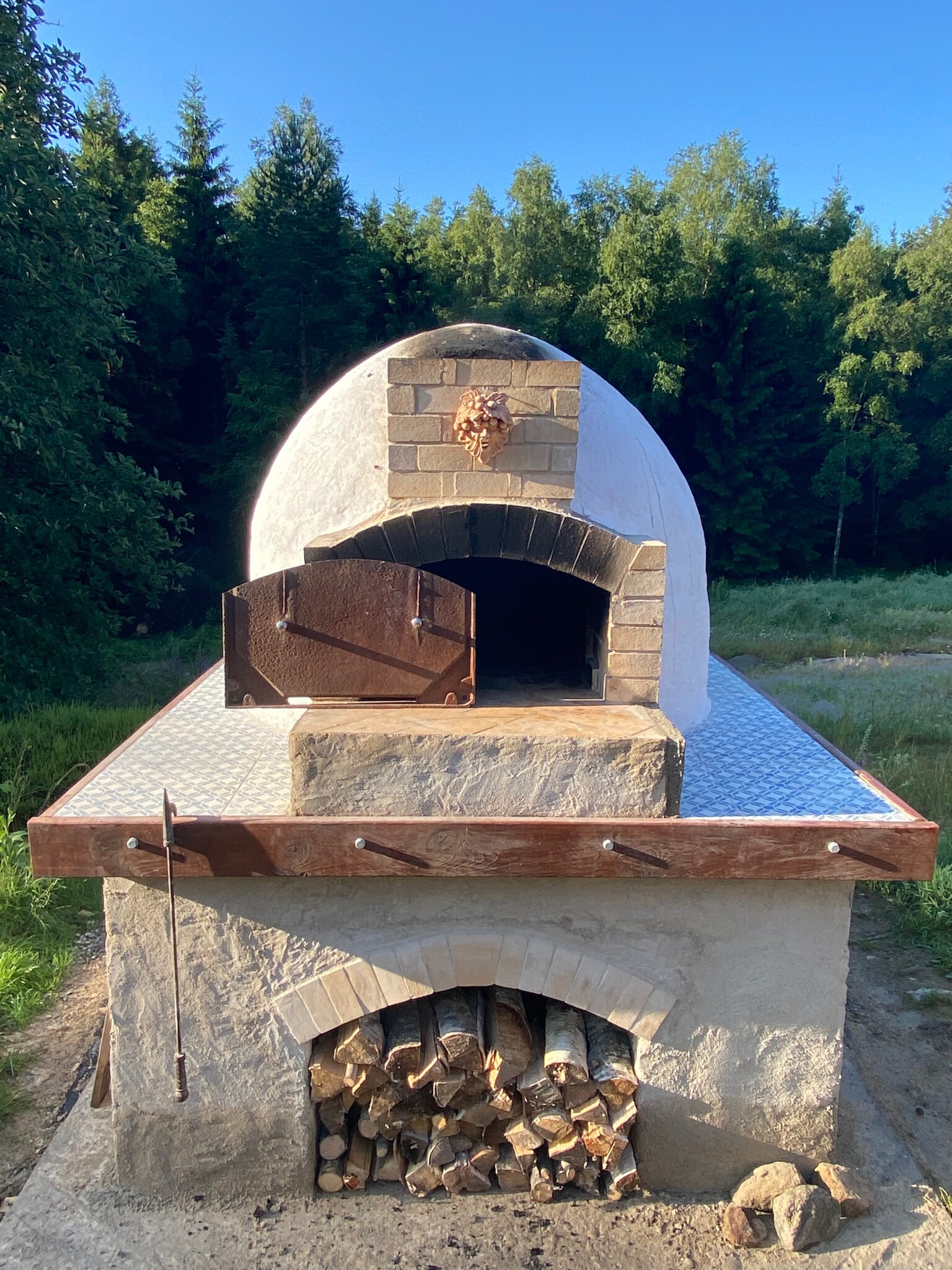
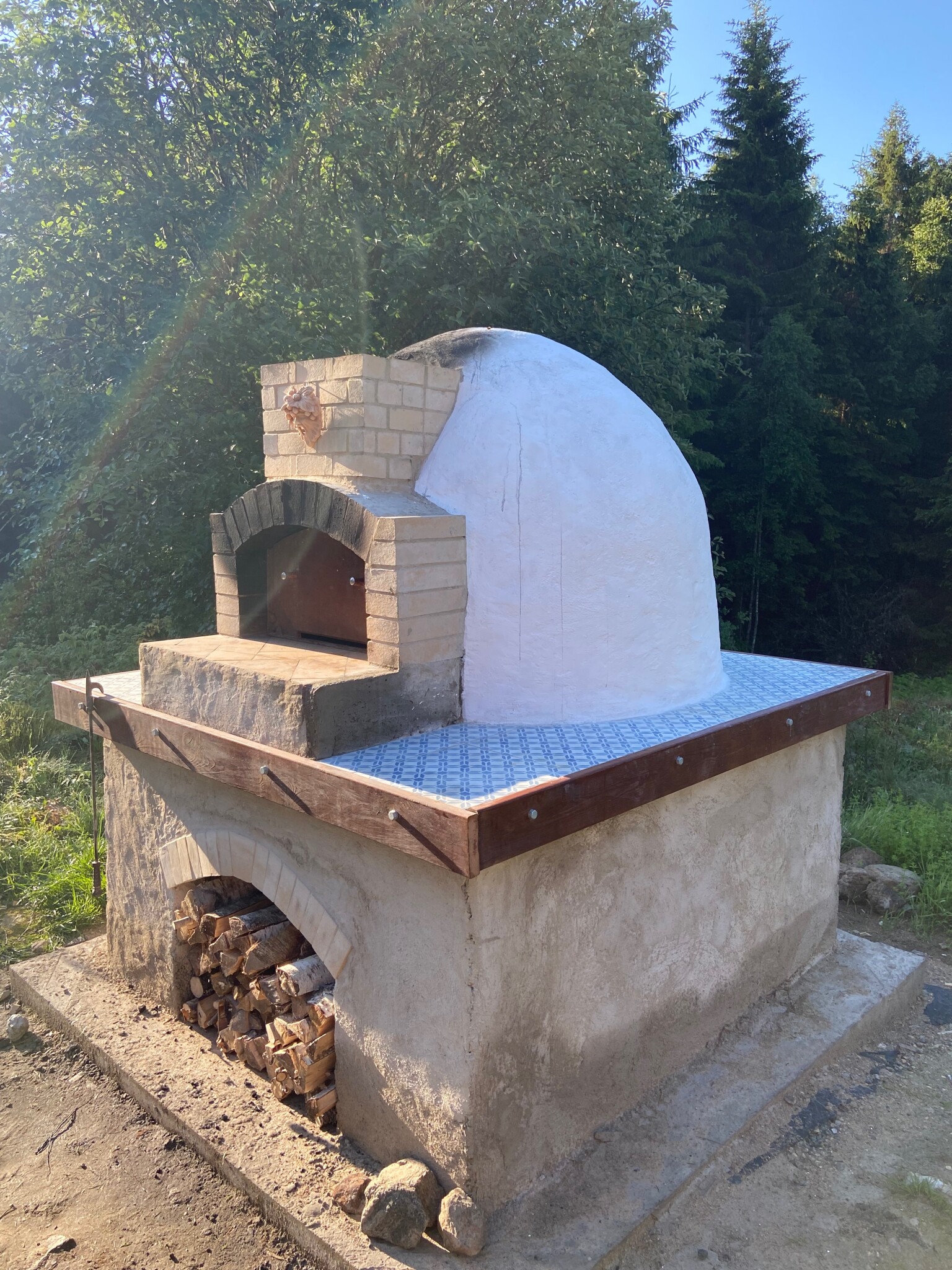
I can now consider my pizza oven project complete and it's time to move on in life 😄
The dome-shaped oven is built from chamfered firebricks and thin joints, allowing it to basically support itself. The entire construction with concrete slabs, masonry blocks, and dome weighs approximately 3.5 tons and took about 180 hours to build, with a total cost of around 27,000 kronor. Yes, it makes for expensive pizza but I view the construction mostly as a pleasant addition to the living environment 😅
I've photographed every step and made a YouTube video with a detailed description of the process, what purchases I made, and how long each step took. It can be found here:
Perhaps this will inspire someone and help someone move forward with their own oven project 🍕
The dome-shaped oven is built from chamfered firebricks and thin joints, allowing it to basically support itself. The entire construction with concrete slabs, masonry blocks, and dome weighs approximately 3.5 tons and took about 180 hours to build, with a total cost of around 27,000 kronor. Yes, it makes for expensive pizza but I view the construction mostly as a pleasant addition to the living environment 😅
I've photographed every step and made a YouTube video with a detailed description of the process, what purchases I made, and how long each step took. It can be found here:
Perhaps this will inspire someone and help someone move forward with their own oven project 🍕
Thanks 😊 The firebricks cost 35 SEK each and I needed 250, so that was a third of the cost. Then I didn't choose the cheapest tiles (they also had to be frost-resistant). They cost about 2500 with shipping. The fireproof mortar was also expensive, 3000 SEK. Maybe I should deduct that from the actual cost since I never needed it.P Posselosse said:
The rest of the costs have "just been ticking on."
Bravissimo, what an oven 👍 👍Z zingo said:I can now consider my pizza oven project complete and it is time to move on in life 😄
The dome-shaped oven is built from beveled refractory bricks with thin joints, making it essentially self-supporting. The entire construction with concrete slabs, masonry blocks, and dome weighs about 3.5 tons and took approximately 180 hours to build at a total cost of around 27,000 kronor. Yes, it results in expensive pizzas but I mostly see the build as a pleasant addition to the living environment 😅
I have photographed every step and made a YouTube video with a detailed description of the process, what purchases I made, and how long each step took. It can be found here: [media]
Perhaps this will inspire someone and help someone move forward with their own oven project 🍕
What an incredible effort you have put into the oven (and the detailed video)… your Dad must be smiling from Pizza heaven 😉
Will you also bake bread and cook other dishes in the oven?? Looking forward to videos of this😀
Thank you!Roga1337 said:
Yes, it became a solid project but it was always satisfying because it felt like something that was going to be lasting.
It's a cumbersome procedure every time you want to bake in the oven, so it won't happen every week. But sure, I'll start experimenting with doughs and other things when the mood strikes 😊 I'll get back to you when I get more comfortable.
And the build was never meant to become a new chapter in cooking but mainly a solid monument that can also be used for other things 😌
Thanks 😁Totte_S said:
It took 150 hours if I disregard the dome construction with the wrong material that I had to redo. An experienced builder probably does it faster 😅
I am impressed.
I have a question, how did you realize it was the wrong use? What went wrong? And another thing: what is the right use?
I have a question, how did you realize it was the wrong use? What went wrong? And another thing: what is the right use?
Thanks!H Hakimannen76 said:
It was simple. The stones did not stick to each other. A conversation with the supplier also clarified that refractory mortar should only be used when stones are to be joined horizontally on top of each other and with mortar in the vertical joints. Trying to build an arch with refractory mortar is therefore not a good idea. It burns incredibly slowly and results in no strong joints or none at all.
I would argue that there is no one who knows for sure what is the completely correct mortar, as there are not many ovens in our country that have been used outdoors for many seasons with large temperature variations (from -20 to +400).
But there is a mixture called "homebrew" that Americans have used and which seems to work well. There are a few variations of it and the one I chose to use was:
4-5 parts sandbox sand (Byggmax/Jula)
1 part hydrated lime (Granngården)
1 part cement (Byggmax)
1 part stove clay (Sunda byggvaror)
In parentheses, I have written the suppliers where I found the lowest price. It's hard to even find stove clay.
There are also some suppliers who claim to have ready-made mixes that are supposed to work. But I called around quite a bit and talked to the companies' "experts" who all seemed very uncertain precisely because there is too little experience.
What is good about "homebrew" is that it actually worked excellently for masonry and that it was much cheaper (one fifth as expensive) as the ready-made special mixes that may not even work. Now we have to see how it withstands firing and cold winters.
Appreciate your answer. Once again, I am very impressed with your build. Then, I think, this type of oven really belongs in Sweden. There is, after all, a difference in climate between Italy and Sweden. Regardless, I'm considering building something similar to what you've done. Pizza is super tasty. I've eaten many pizzas, so it's a big interest.Z zingo said:Thanks!
That was easy. The stones did not adhere to each other. A conversation with the supplier also clarified that refractory mortar should only be used when stones are to be joined horizontally on top of each other and with mortar in the vertical joints. Attempting to build an arch with refractory mortar is therefore not a good idea. It cures incredibly slowly and does not result in strong joints or any joints at all.
I would claim that there is still no one who knows for sure what is the completely correct mortar since there are not many ovens in our country that have been used outdoors for many seasons with large temperature variations (from -20 to +400).
But there is a mix called "homebrew" that Americans have used and which seems to work well. There are a few variations on it and the one I chose to use was:
4-5 parts sandbox sand (Byggmax/Jula)
1 part slaked lime (Granngården)
1 part cement (Byggmax)
1 part fireplace clay (Sunda byggvaror)
In parentheses, I have written the suppliers where I found the lowest price. Difficult to even get hold of fireplace clay.
There are also some suppliers who claim to have ready-made mixes that should work. But I called around quite a bit and talked to the companies’ "experts," who all seemed very uncertain precisely because there is too little experience.
The good thing about "homebrew" is that it actually worked excellently for masonry and it was much cheaper (a fifth of the cost) than the finished special blends that might not even work. Now it remains to be seen how it withstands firing and cold winters.
Kind regards, Jonas
Nice. Thanks again.H Hakimannen76 said:Appreciate your response. Once again, I am very impressed with your build. Then, I think, that type of oven really belongs in Sweden. There's a difference in climate between Italy and Sweden. Regardless, I'm considering building something like what you've done. Pizza is super delicious. I've eaten many pizzas, so it's a big interest of mine.
Best regards, Jonas
Feel free to come back with more questions. And if you don't live far from West Sweden, perhaps you could drop by for a study visit 😁
H Hakimannen76 said:
What kind of wood should be used? As I said, I've eaten in many places. I'd like to hear what you think?H Hakimannen76 said:
Spruce and pine contain too much acid and wear down the mortar faster. Additionally, they don't create a significant bed of embers since they burn so quickly. Therefore, birch is more suitable, just like in regular ovens and stoves.H Hakimannen76 said: