
2,773 views ·
13 replies
3k views
13 replies
How do I take care of these garage doors?
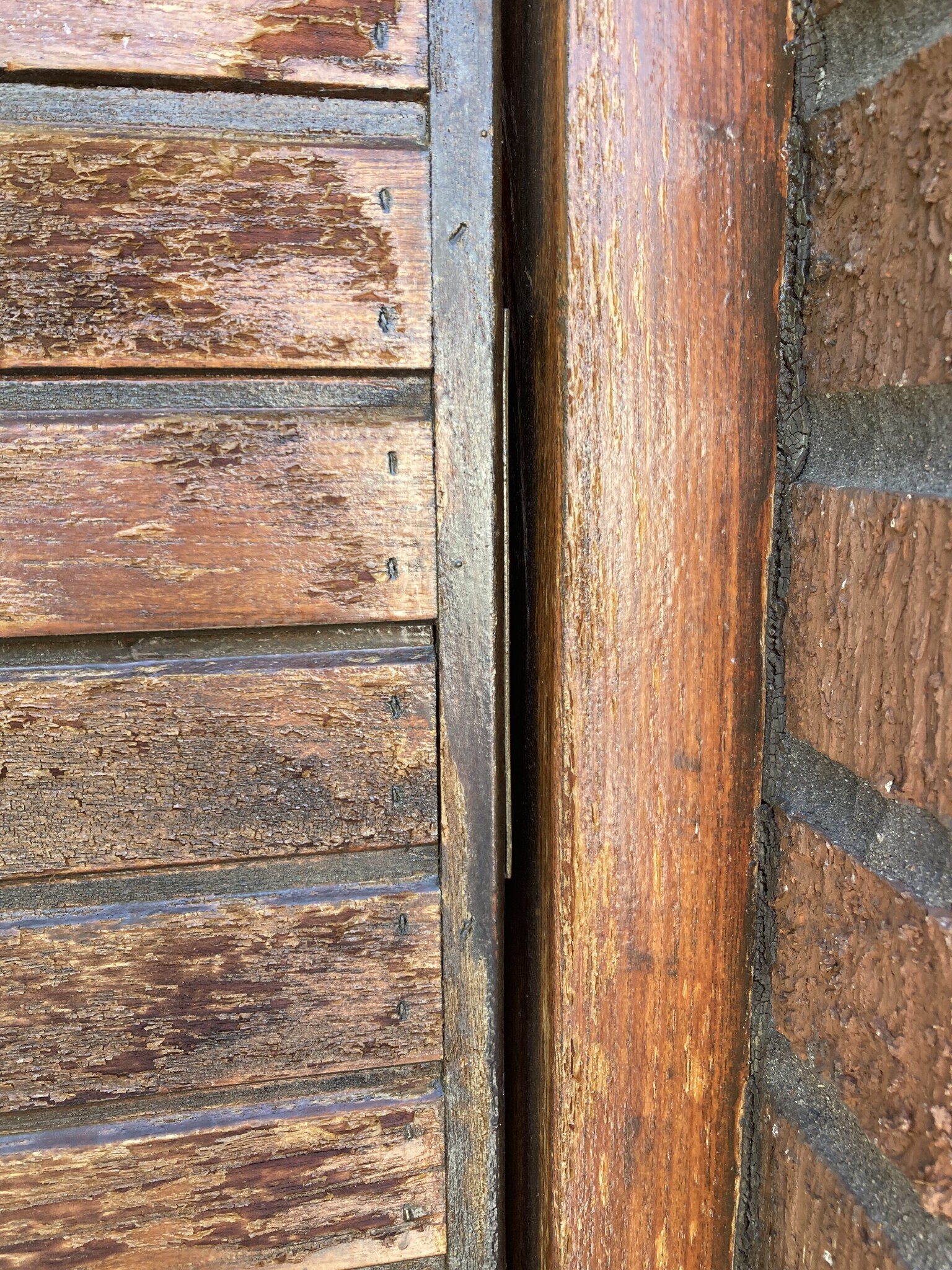
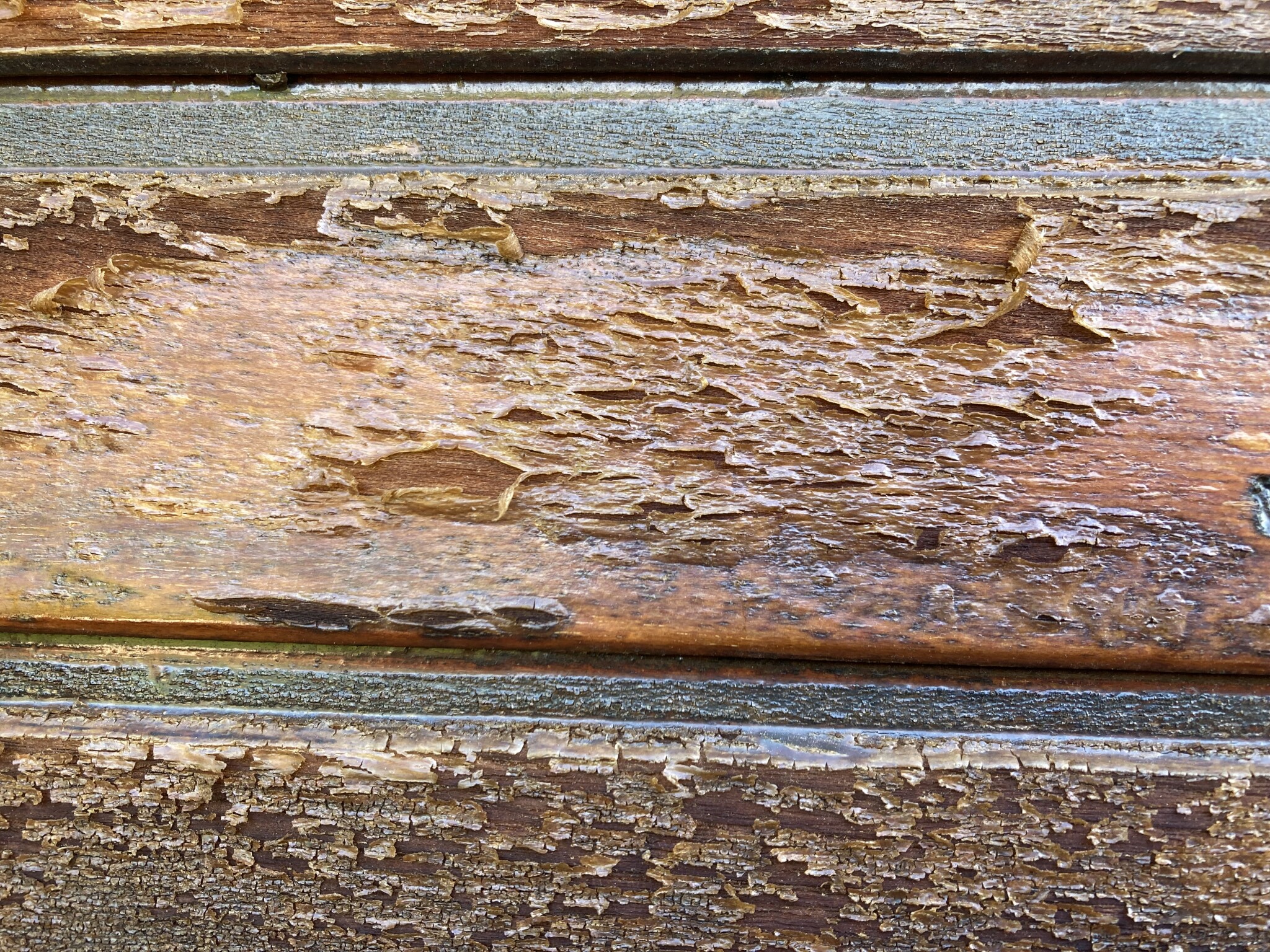
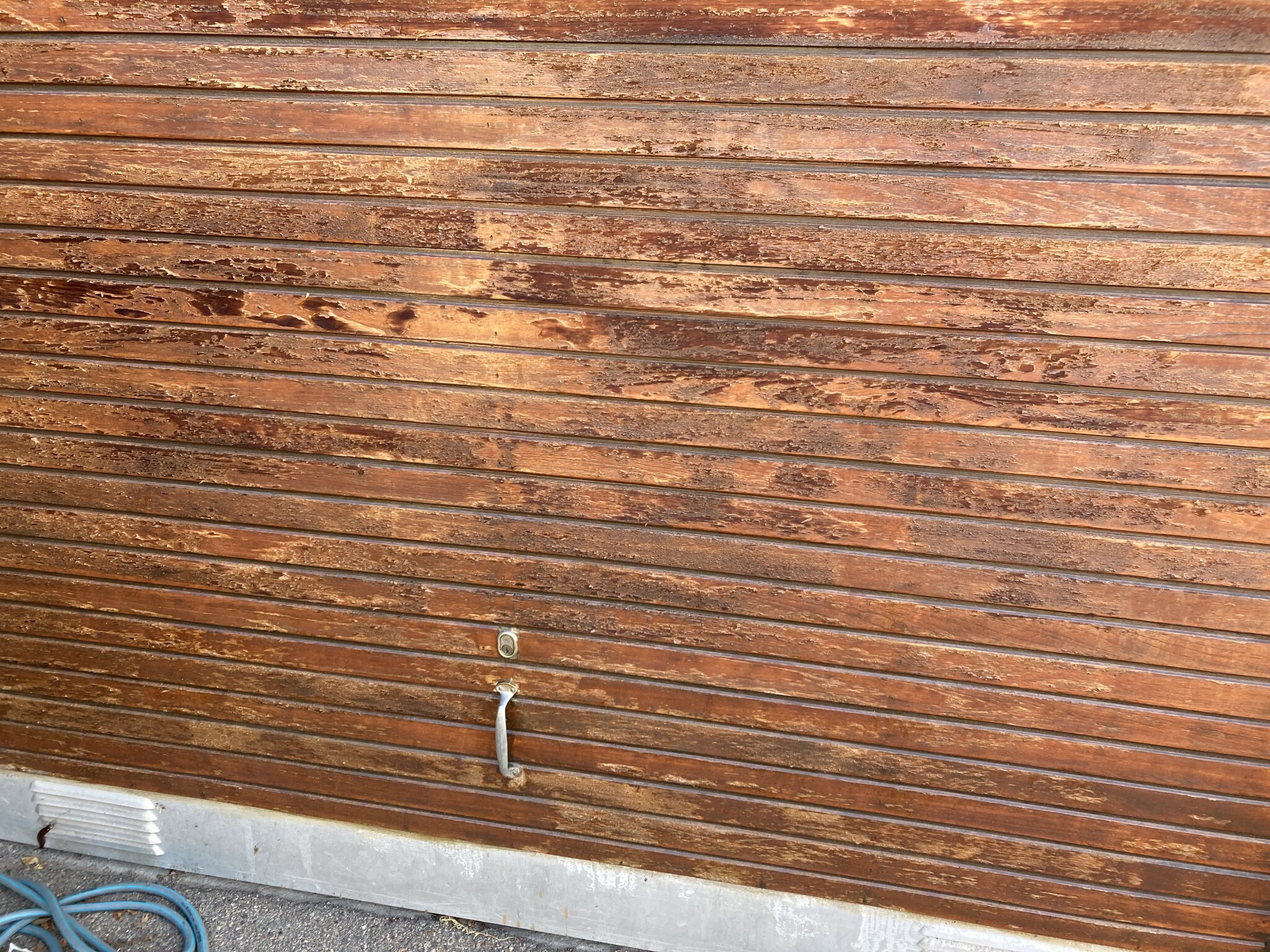
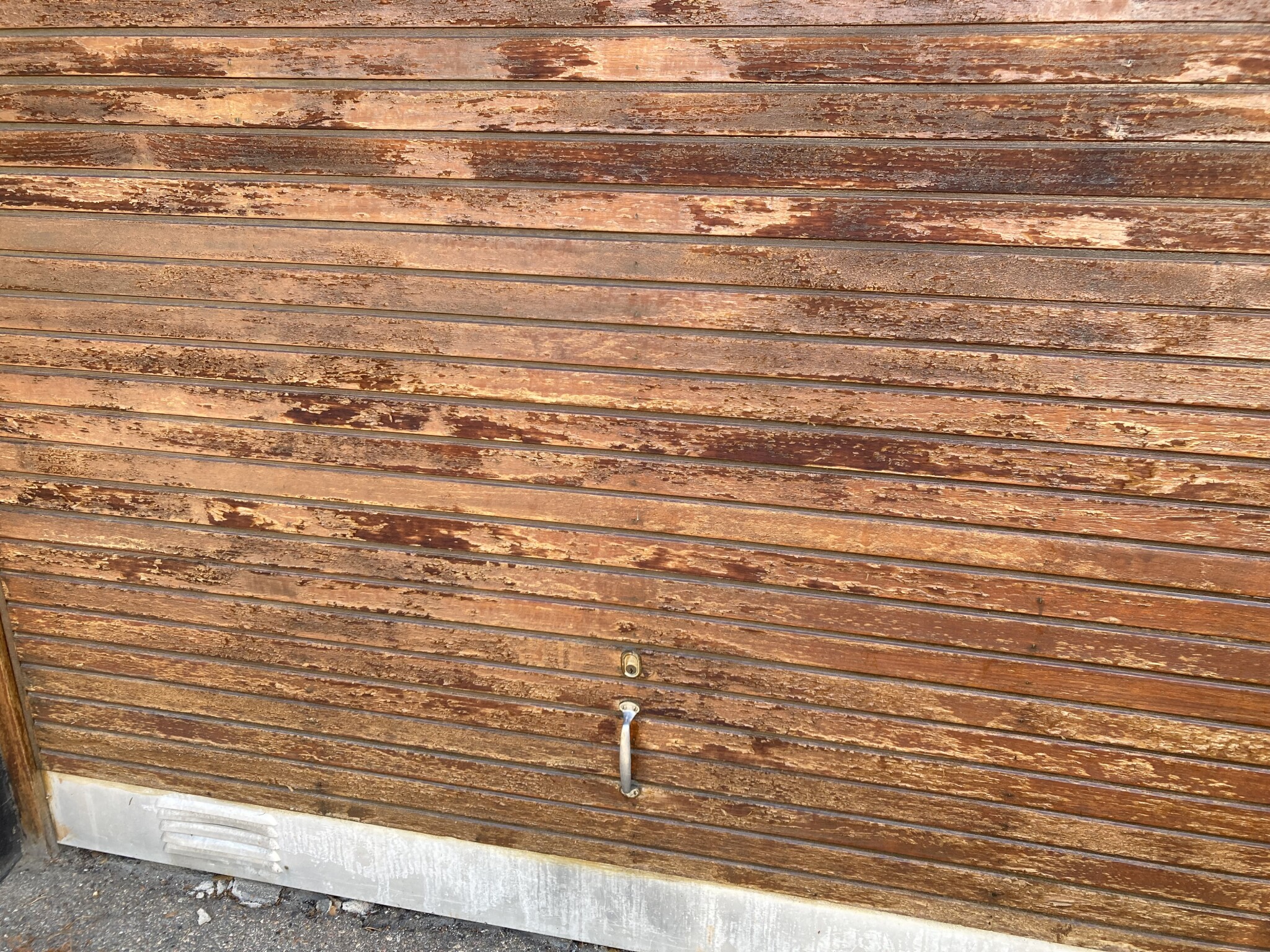
I have two garage doors in my house. It's time to do something about them. An acquaintance of mine who is a painter said that I should lightly sand them to remove anything loose and then oil them. He said that you absolutely should not use glaze.
How would you do it yourself? All advice is warmly welcome.
How would you do it yourself? All advice is warmly welcome.
Interesting statement from a painter. 
I am quite sure that they were lacquered at some point in the distant past, so it's an old lacquer that is on them today and has been degraded by sun and wind.
I would scrape them clean so you remove all the old lacquer and then re-lacquer them. Possibly prime first with oil after some sanding.
I am quite sure that they were lacquered at some point in the distant past, so it's an old lacquer that is on them today and has been degraded by sun and wind.
I would scrape them clean so you remove all the old lacquer and then re-lacquer them. Possibly prime first with oil after some sanding.

The painter means that a glaze forms a film on the surface of the wood, while oil penetrates.T Testarn said:Interesting statement from a painter.
I'm quite sure they were lacquered at some point in the distant past, so it's an old lacquer that's on there today and has been broken down by sun and wind.
I would scrape it clean to remove all the old lacquer and then re-lacquer them. Possibly prime first with oil after a bit of sanding.
Search for satineringsmaskin and you'll find variations in several price ranges. I would be very careful with one of those, it removes material extremely well and there's a risk of getting indentations if you don't have a stop or something similar for it.E Elnovis said:
Or one like this:Farstatjej90 said:
https://www.bygghemma.se/verktyg-oc...maskiner/borstslipmaskin-makita-9741/p-650706
Sand it clean and then use a good varnish with UV protection. I’m not certain about the exact product. Probably a boat varnish with solvent (?).E Elnovis said:
Oil makes the already darker areas darker and the rest gets a yellow tint.
Oil and then varnish gives a glossy surface like a wooden boat but still darker areas and a yellow tint.
Could the wood be teak? We have a similar garage door in the family from about the same time and it is covered with teak. If so, there is special teak oil to use. You'll find it easiest to sand it with a machine; you'll probably get far with a smaller oscillating variant.
I used AI and it says this.D D.anne_85 said:
Thanks for the picture! Based on the appearance of the garage door, I can make an educated guess:
Possible Wood Type:
Teak is a strong option here. Here's why:
- Color: The warm, golden-brown tone with hints of darker grain is typical for teak, especially when it has been exposed to the elements and gained some patina.
- Graining: The irregular, somewhat "blotchy" graining and natural pattern align well with teak, which often has quite a lively texture.
- Application Area: Teak is commonly found in outdoor environments (e.g., doors, boat interiors, garden furniture) due to its natural resistance to moisture and rot.
🔧 Step 1: Preparation and Cleaning
Materials You Need:
- Protective gloves and goggles
- Covering plastic or tarp (for the ground)
- Wood cleaner (e.g., soap, oxalic acid, or special teak cleaner)
- Scrub brush or sponge
- Water and bucket
- Sandpaper: grit 80, 120, and possibly 180
- Sanding block or machine (multi-sander or random orbital sander)
How to Do It:
- Protect the surroundings: Lay out plastic/tarp under the door so you don't get sanding dust or cleaner on the ground.
- Wash the wood thoroughly with wood cleaner and water. Use a scrub brush. This removes dirt, mold, grease, and old dust. Rinse thoroughly.
- Let dry completely — at least 24–48 hours in dry weather.
🪵 Step 2: Sand the Surface
- Start with coarse sanding (grit 80–100) to remove old finish and smooth out spots and chips.
- Finish sanding (grit 120–150) to achieve a smooth and nice surface before treatment.
- Remove dust thoroughly with a brush and then microfiber cloth. You can also use a vacuum or compressed air.
🛡️ Step 3: Treatment and Protection
Teak is best oiled, but you can also use stain or hard wax oil depending on appearance and maintenance needs.
Option A: Teak Oil (most natural)
You Need:
- Teak oil (preferably with UV protection, e.g., from Woca, Cuprinol, Jotun)
- Brush, sponge, or cloth
- Possibly sanding sponge (grit 240 for intermediate sanding)
How to Do It:
- Apply the oil thinly with a brush or cloth. Work in sections.
- Allow to absorb for 15–30 min.
- Wipe excess off with a clean cloth — very important!
- Let dry for 24 hours, preferably in dry weather.
- Repeat 1–2 times for best protection.
Option B: Pigmented Stain Oil (more UV protection)
If you want to keep the golden-brown tone longer without the wood graying, choose a pigmented stain oil in a teak tone.
- Examples: Jotun Trebitt, SiOO:X, Woca Exterior Oil with pigment
- Apply like regular oil but provides more color and longer protection.
🧼 Maintenance and Tips
- Lightly wash 1–2 times a year with mild wood cleaner.
- Apply new oil as needed (when the surface feels dry or dull).
- Avoid painting teak — paint adheres poorly and easily flakes off.
Click here to reply