Hello.
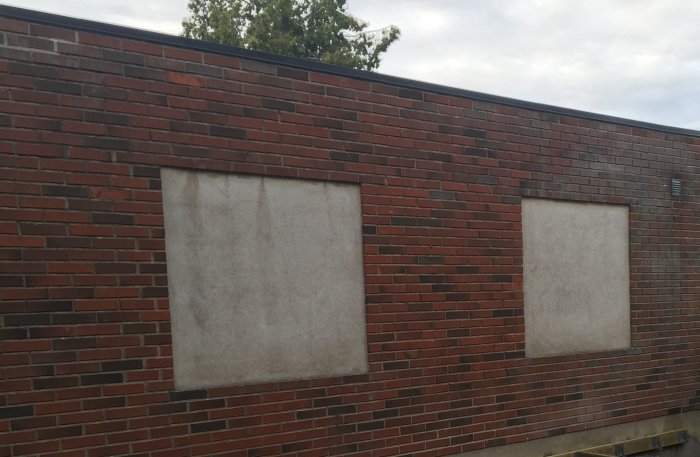
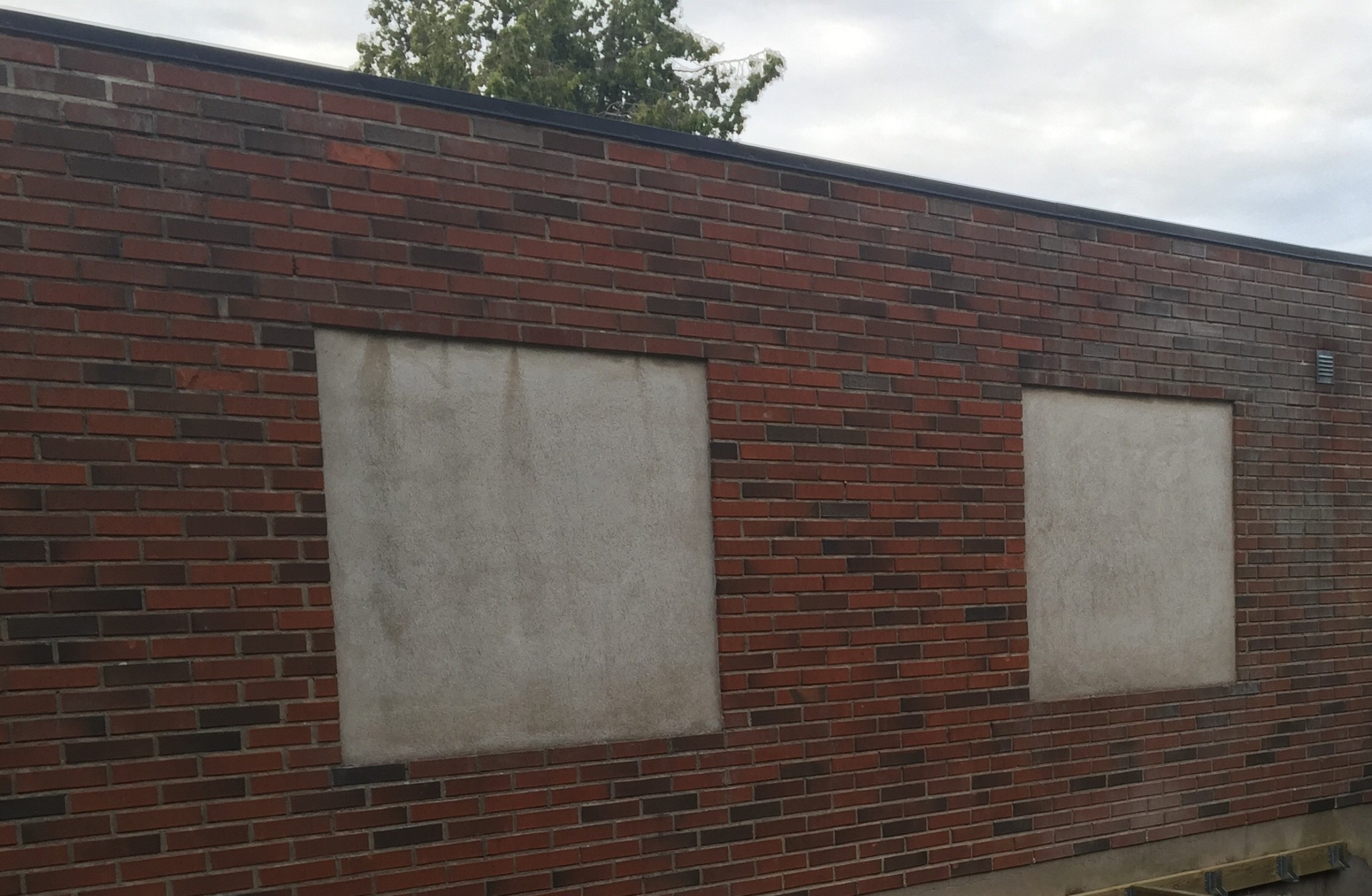
In my garage, there are two old windows that have been bricked up with Lecablock.
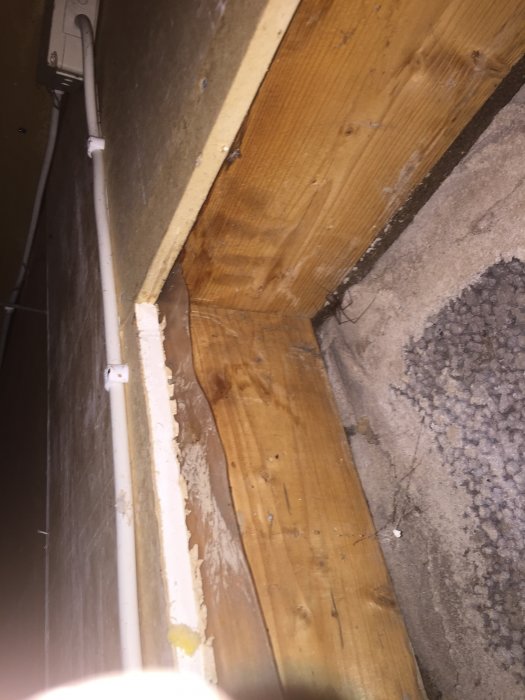
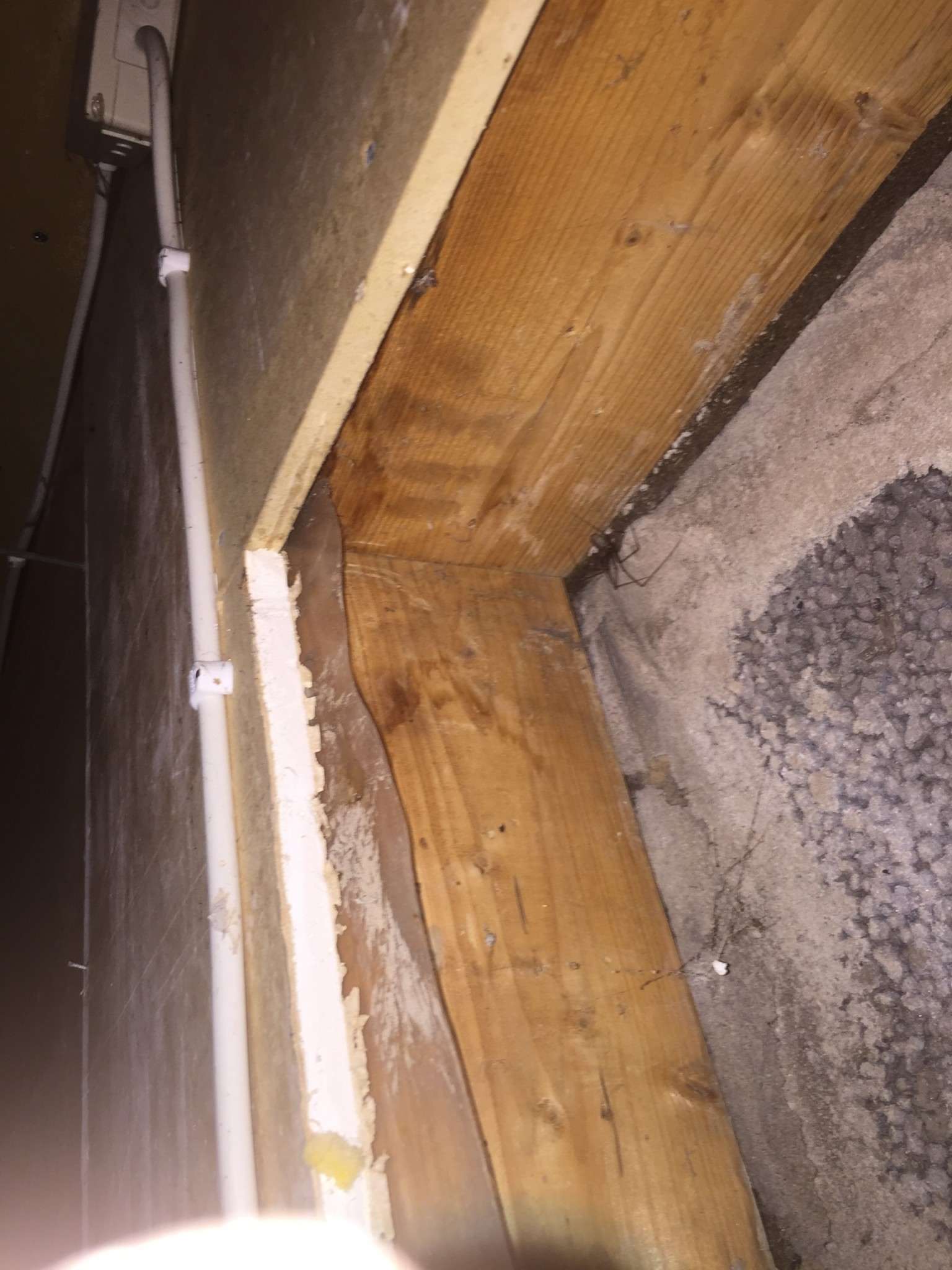
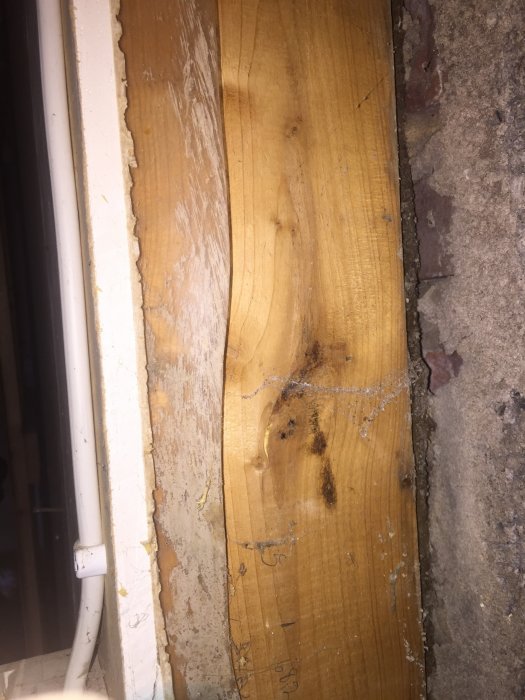
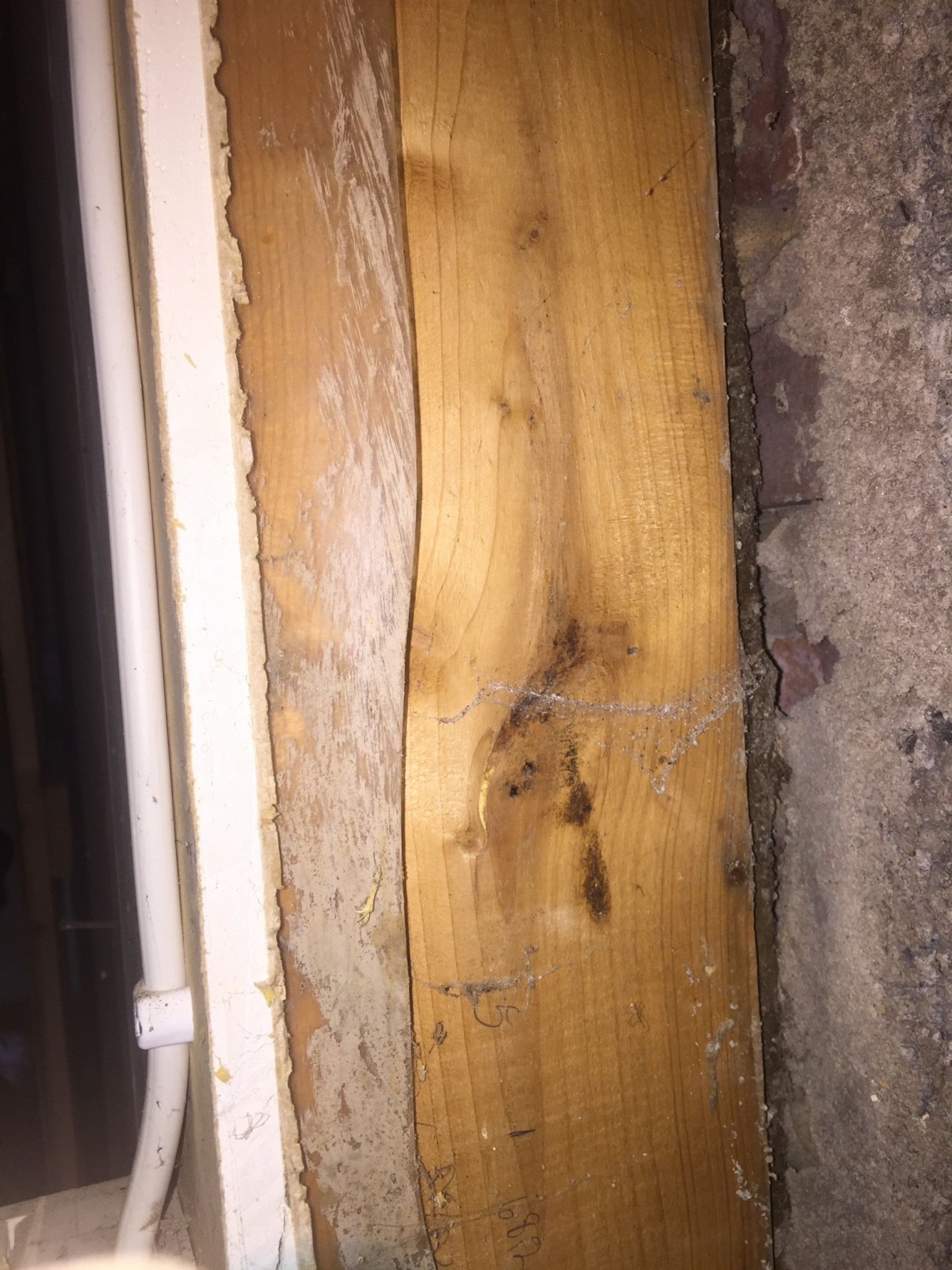
The wall around the windows seems to be constructed with (inside-out) drywall - plastic sheet - studs with insulation between - some soft wood fiber board - facade brick.
How do I best achieve a drywalled wall where the old windows were?
Regards, Björn b
Well, that much I know. But I'll probably need to put in insulation as well. And should there be any protection between Leca and the insulation? Should there be any plastic between the insulation and the gypsum? Etc.
It looks like there is an asfaboard on the outer layer from before, acting as a wind barrier and some moisture protection inside the facade brick, so it should be possible to place one inside the leca and then insulate with fiberglass wool. Then a plastic/diffusion barrier on that and finally plasterboard. Battens in the hole to mount the plasterboard on, but you had that covered
What I can't figure out is how the leca is built up. Is it placed in the hole in the facade brick? Is it plastered on the outside?
It doesn't seem to have an air gap between the asfaboard (or whatever it is) and the leca, is it the same behind the facade brick?
I was not aware of Asfaboard, but it sure looks like it. The air gap is probably minimal. Should I have an air gap between leca and the new Asfaboard and if so, how much? Can I screw strips into the studs in the hole to screw the board in (a la trossbotten type)?
Is it important to get the diffusion barrier completely sealed with the old one?
The leca is indeed plastered on the outside, just mortared in the hole.
Judging by the pictures, it looks like there is an air gap, ventilated every third brick in the bottom course, as it should be. At the same time, it looks strange with the brick lying directly against the asfa board in your first image. Hopefully, it has been done this way to achieve a neat connection to the windows.
Most likely, the asfa board is attached to the framed wooden structure. Outside of this is an air gap, followed by the brick facade.
Unfortunately, it seems they took the easy route when bricking up the windows. You might be able to get some short pieces of VP pipes through the asfa board and out into the air gap at both the top and bottom of the window opening to ensure circulation. Afterward, you should place trim around the window opening, leaving a few centimeters of air gap, then add, for example, subfloor board, insulation, plastic, and finally gypsum on the outside.
Click here to reply
Vi vill skicka notiser för ämnen du bevakar och händelser som berör dig.