
363 views ·
5 replies
363 views
5 replies
How do I find where the water is coming from?
I recently installed an air-to-air heat pump in the garage. The previously waterborne heating hasn't been very effective after the previous owner switched to geothermal heating for the house (from an oil boiler). It was built in the late '70s. Typical square construction with a kind of a border around it. The roof has very little slope.
I saw today, 9 days after installation, that I had moisture on the floor, slanted under the indoor unit. Behind a shelf. The outdoor unit is on the other side of the wall from where it seems to be the most moisture. I am not entirely sure if it's the heat pump itself that is the problem based on how it looks around.
I have three theories, I don't know which one to investigate/try to fix first.
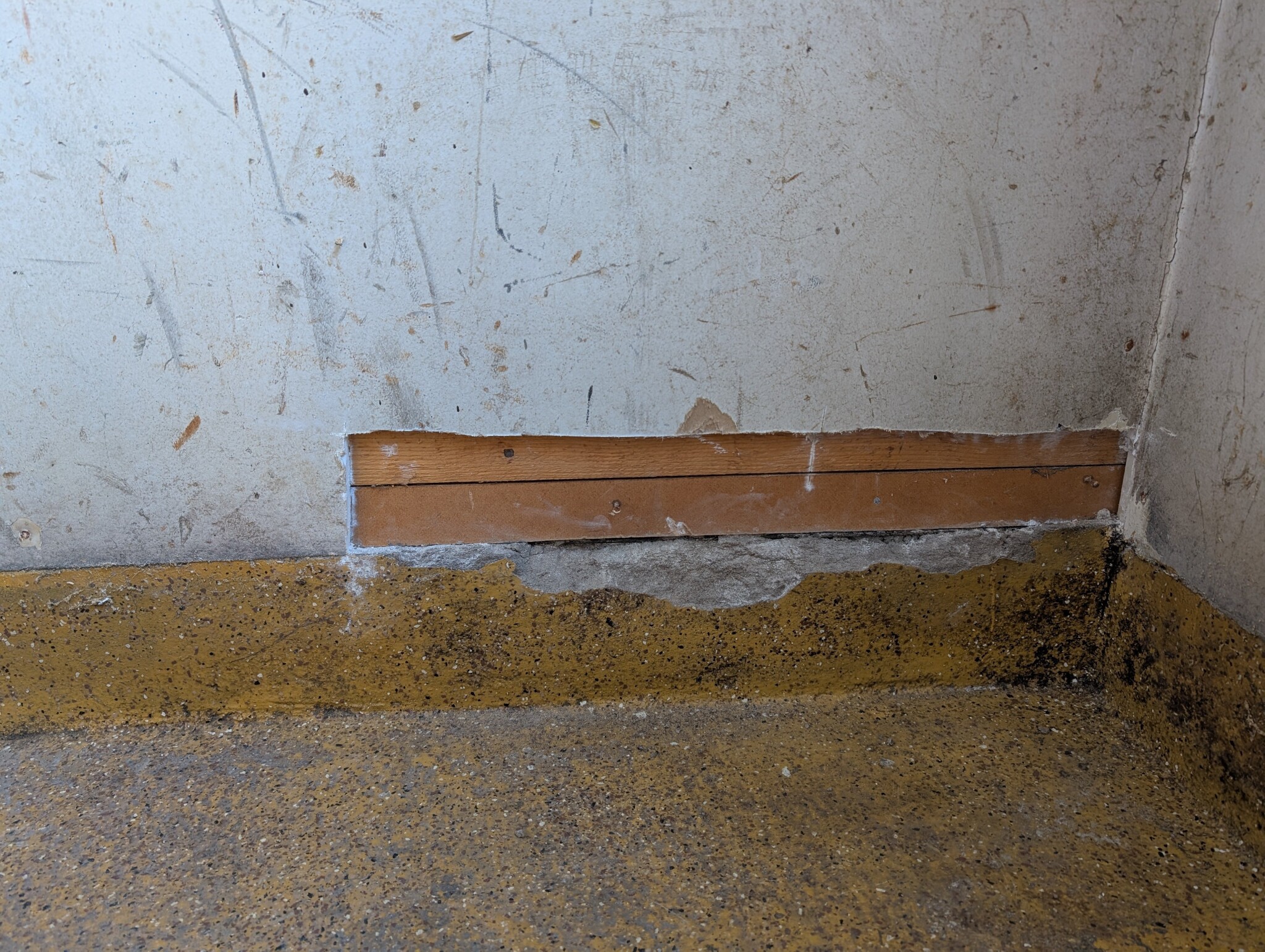
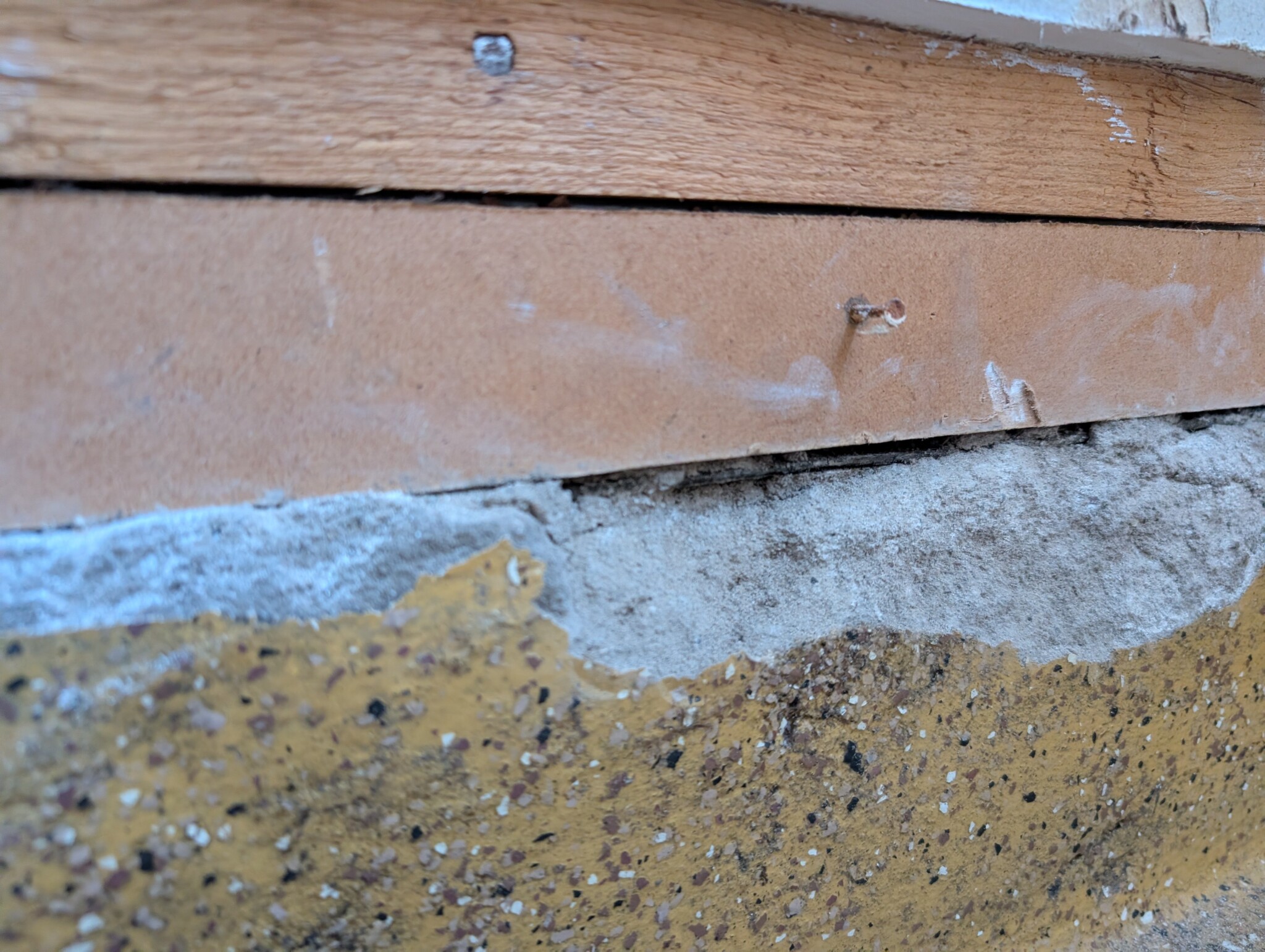
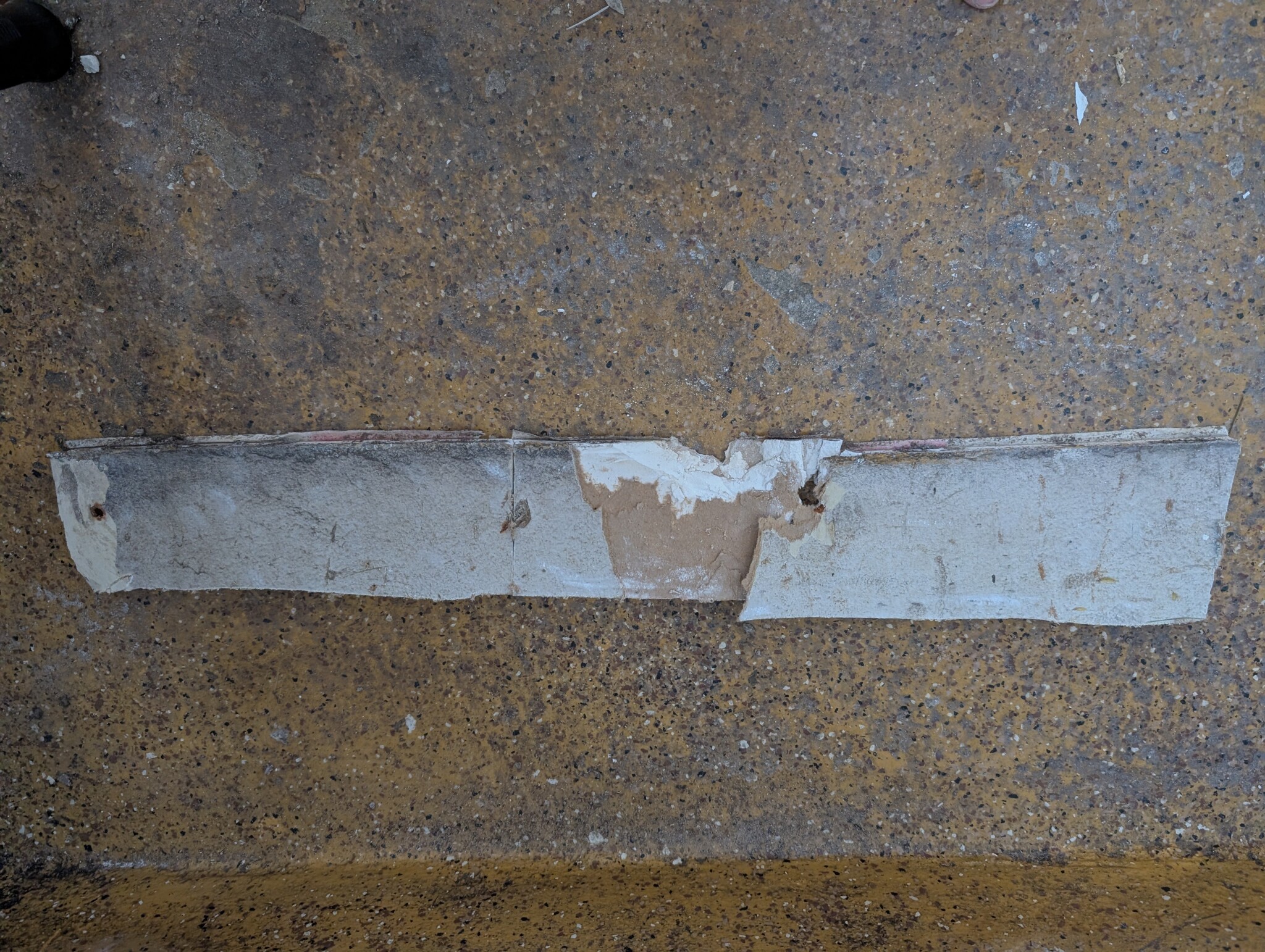
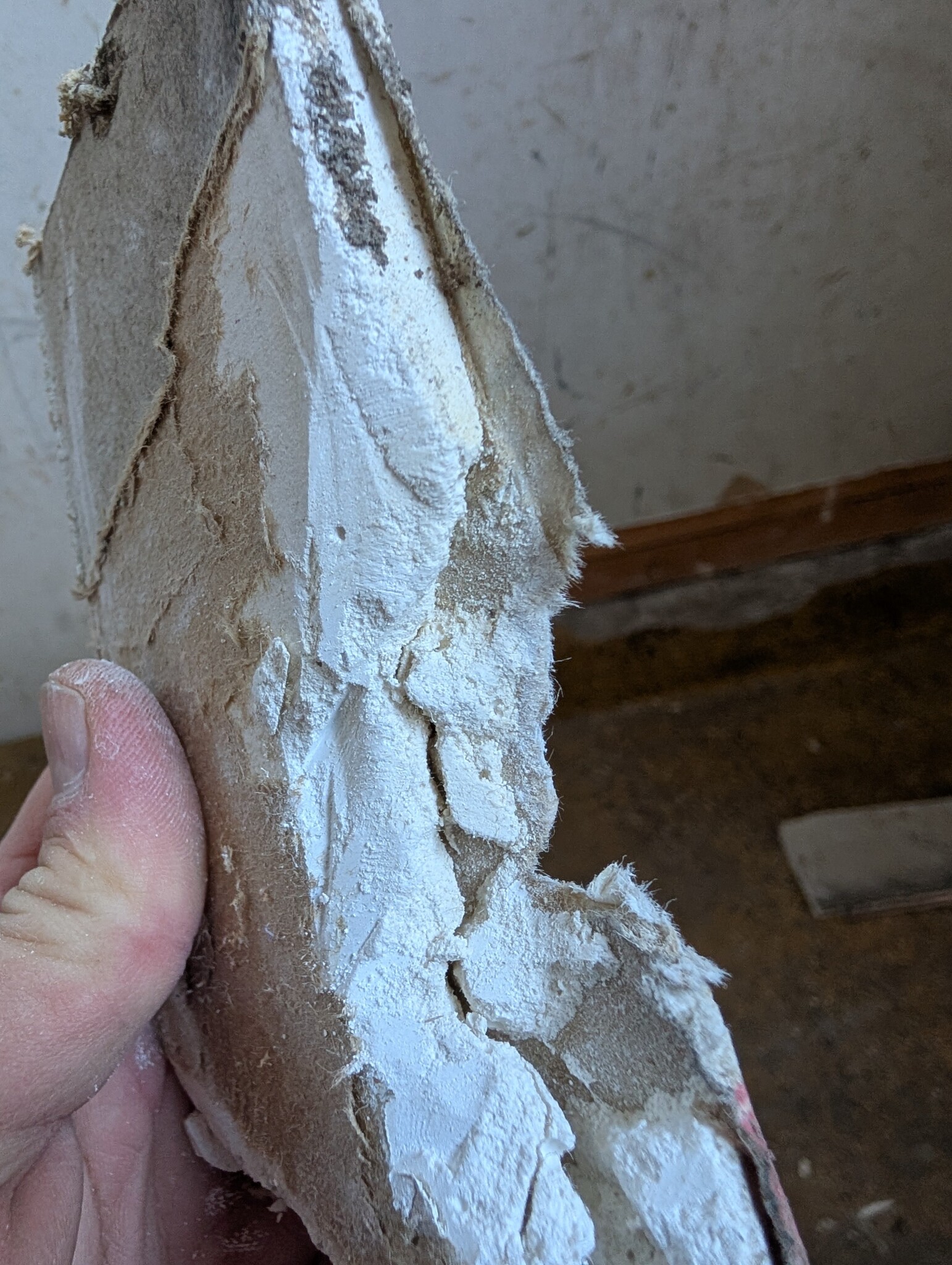
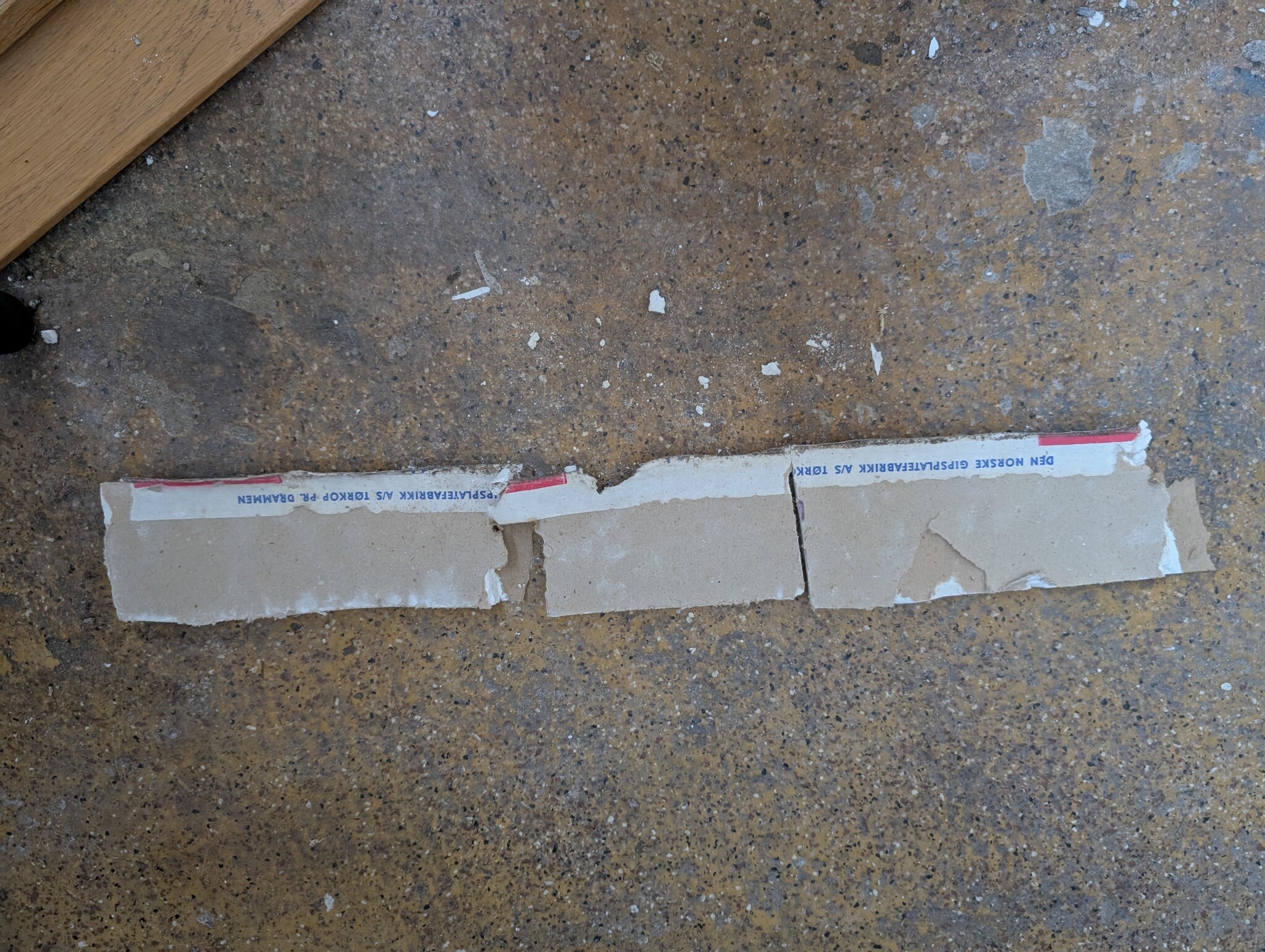
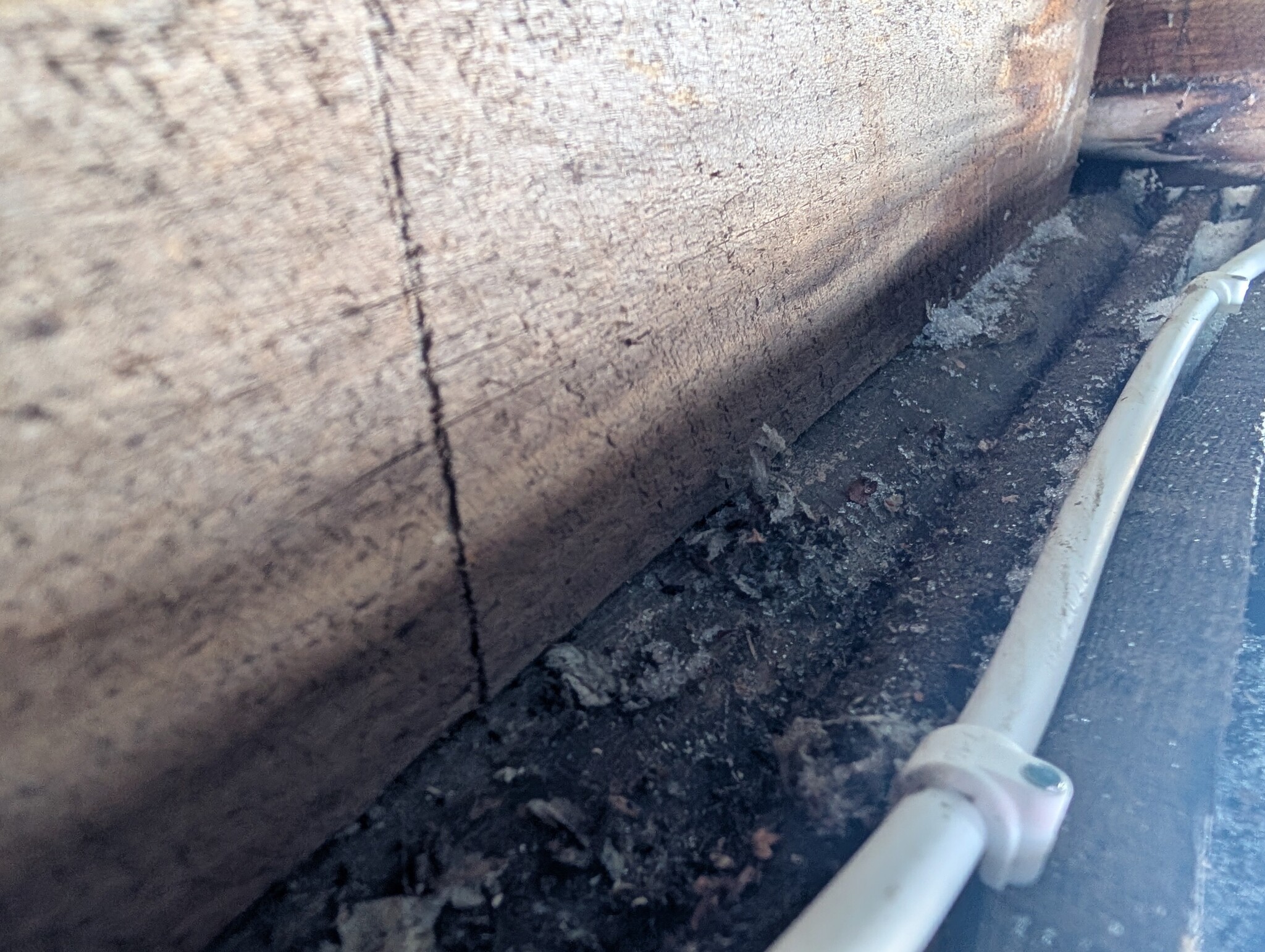
1. Water from the outdoor unit is seeping into the slab and in that way. The argument for this is that the drywall looks very fresh for having been exposed to a lot of moisture. The counterargument is that the concrete in the foundation was weathered, which I don't think happens in 10 days. The first five pictures show how it looks inside. There is also a piece of oilboard on the sill that looks brand new. What argues against it is that I expected more visible signs of moisture outside.
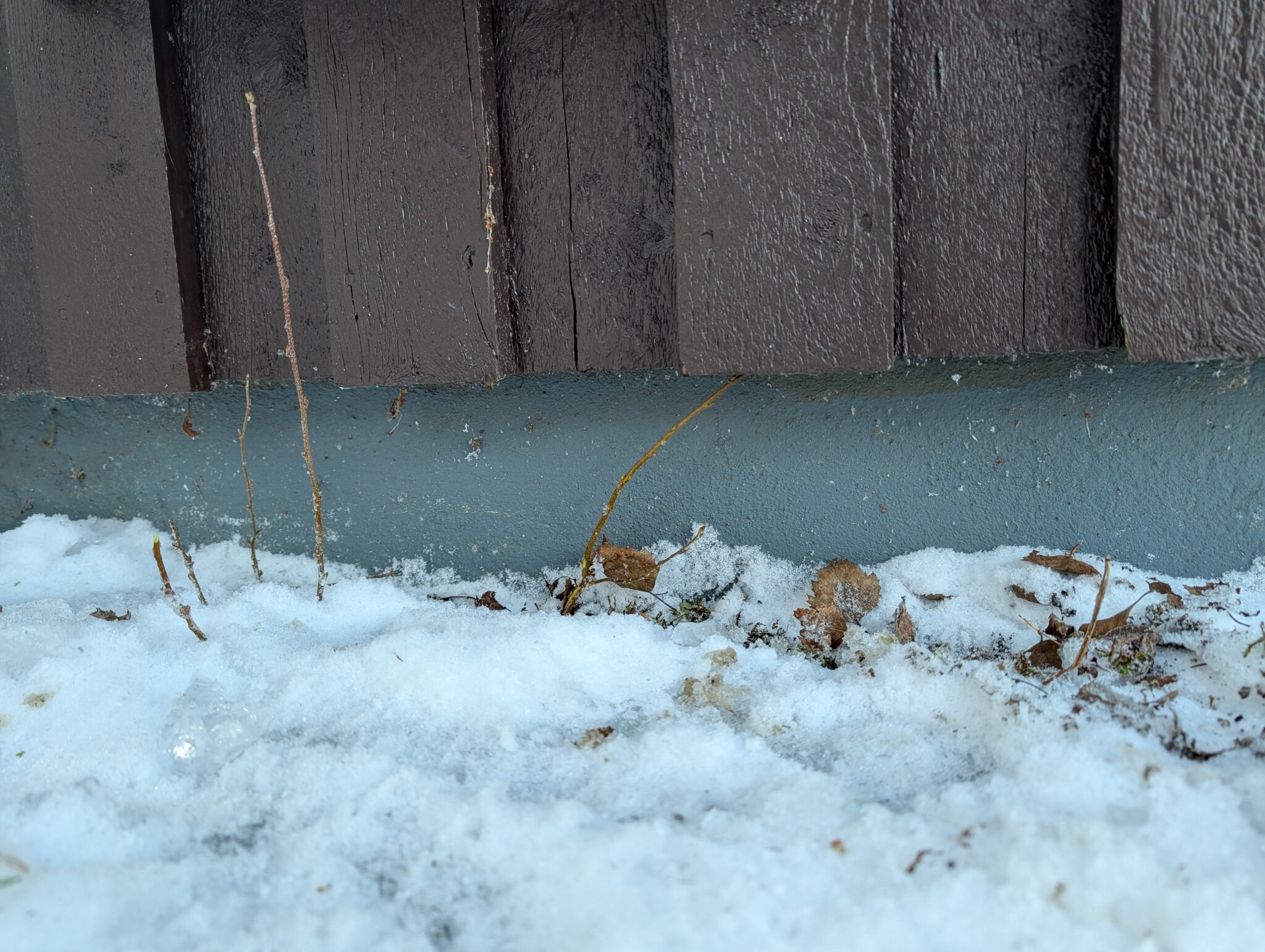
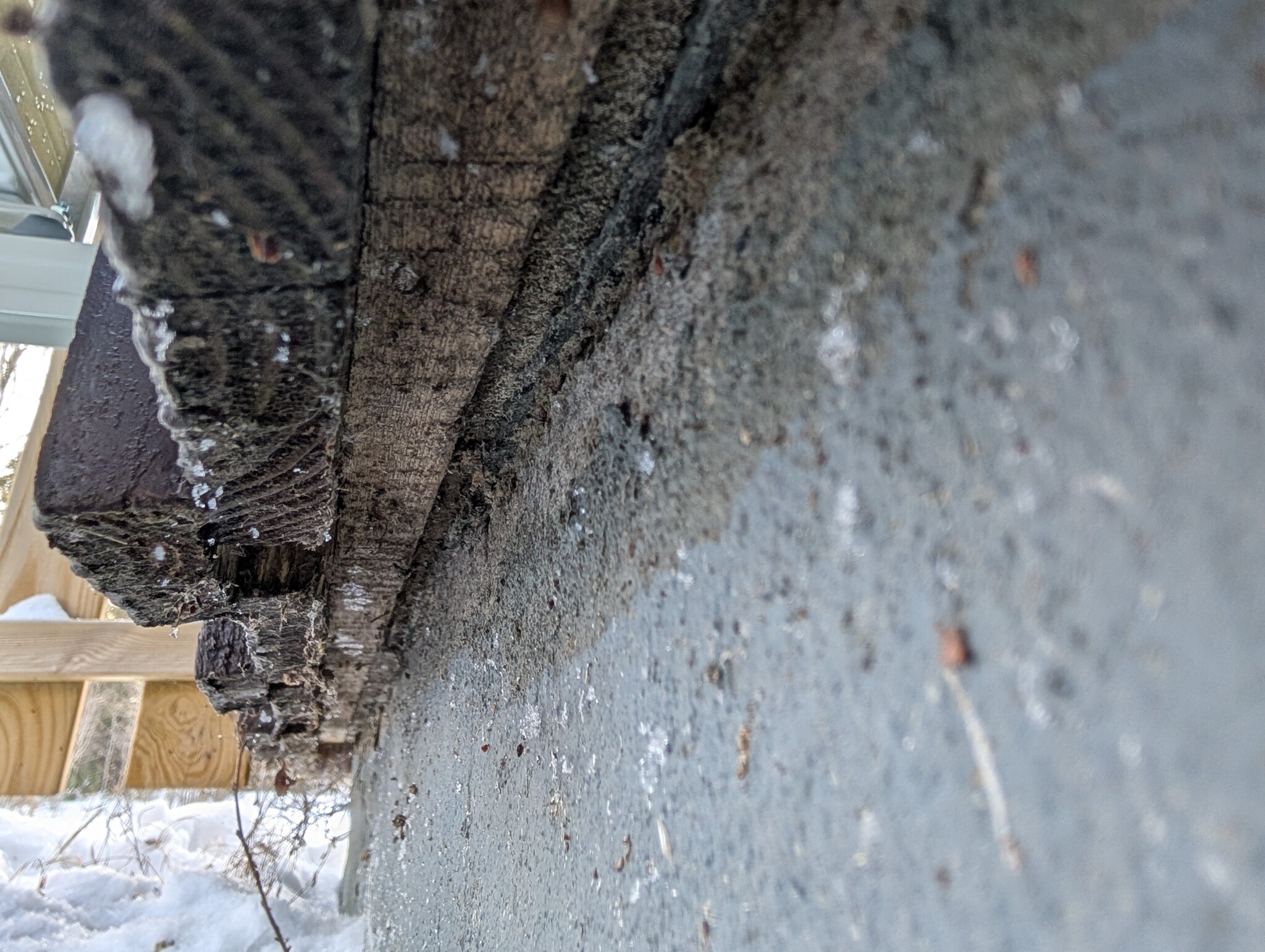
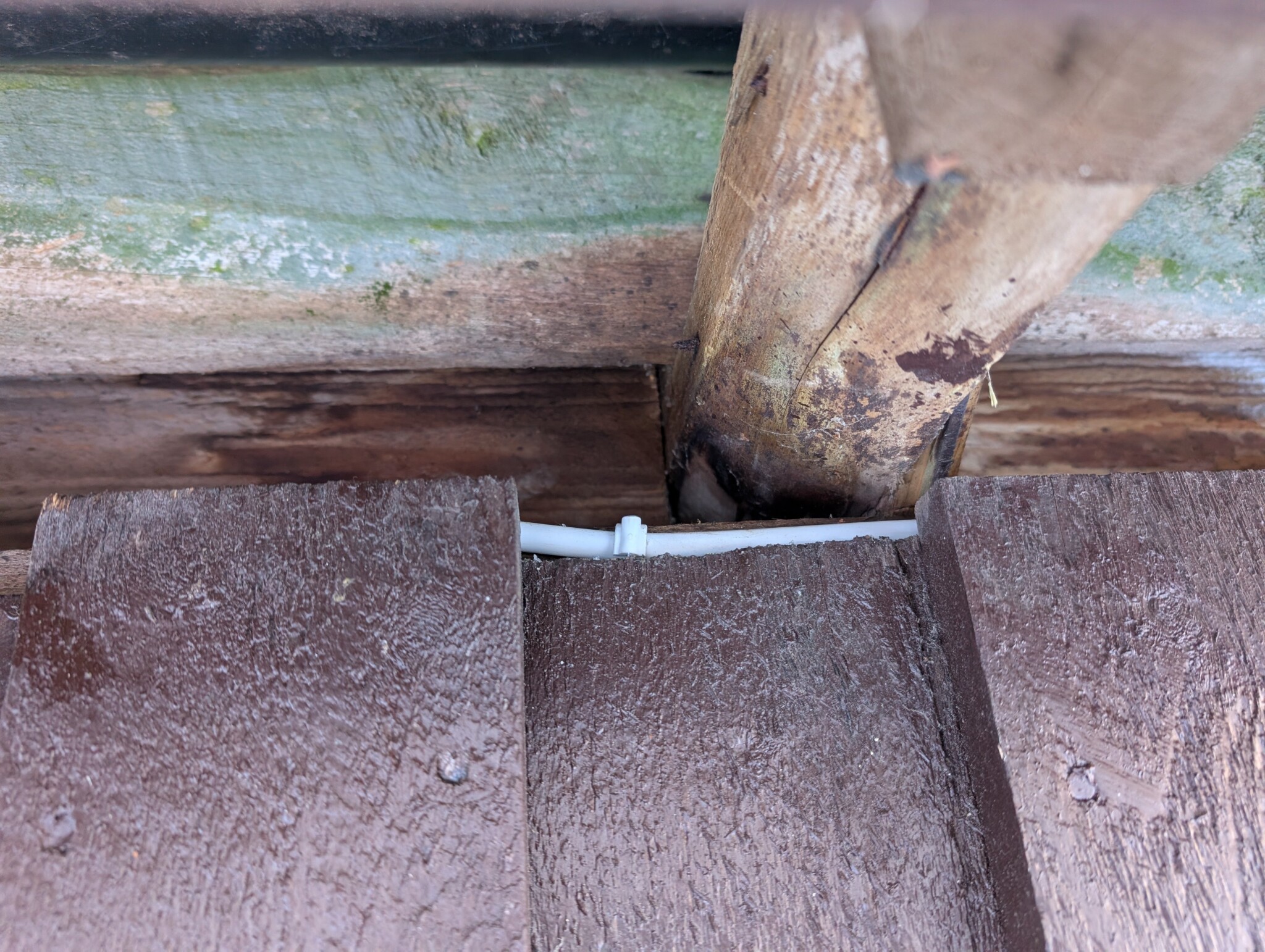
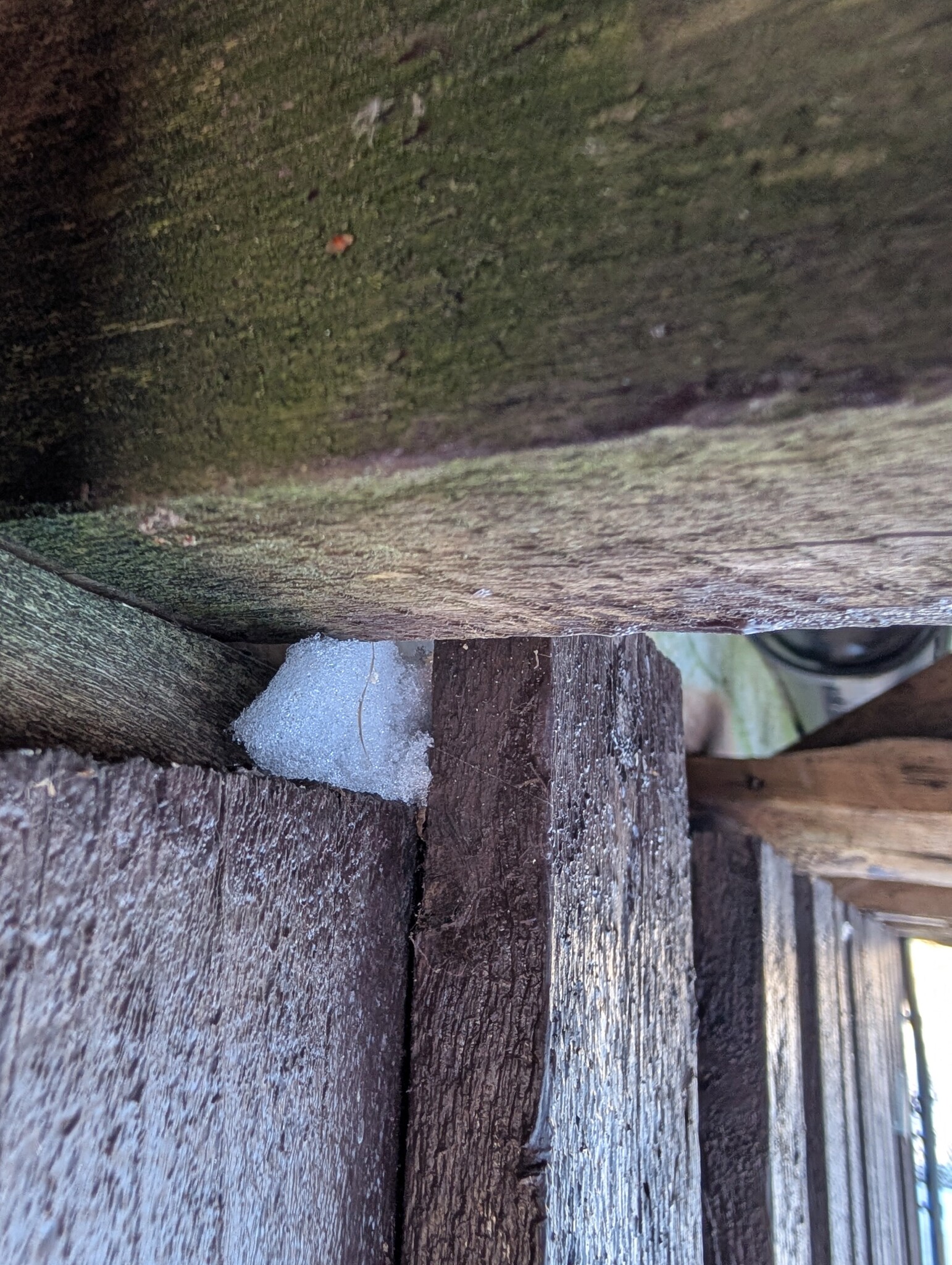
2. Snow has drifted in under the border of the roof and settled on a ledge, and warm air from inside has escaped, melting the snow, which then flowed along with the fiberboards (or whatever the black board on the outside is) and down the foundation wall to then seep in. On this ledge, it is damp outside, and this is clearly a problem. However, I am not sure it's the entire problem. Here, the wood is clearly decayed outside, something that also reasonably couldn't have happened in 10 days. I have a clear image in my mind that the wood outside had a stain here previously.
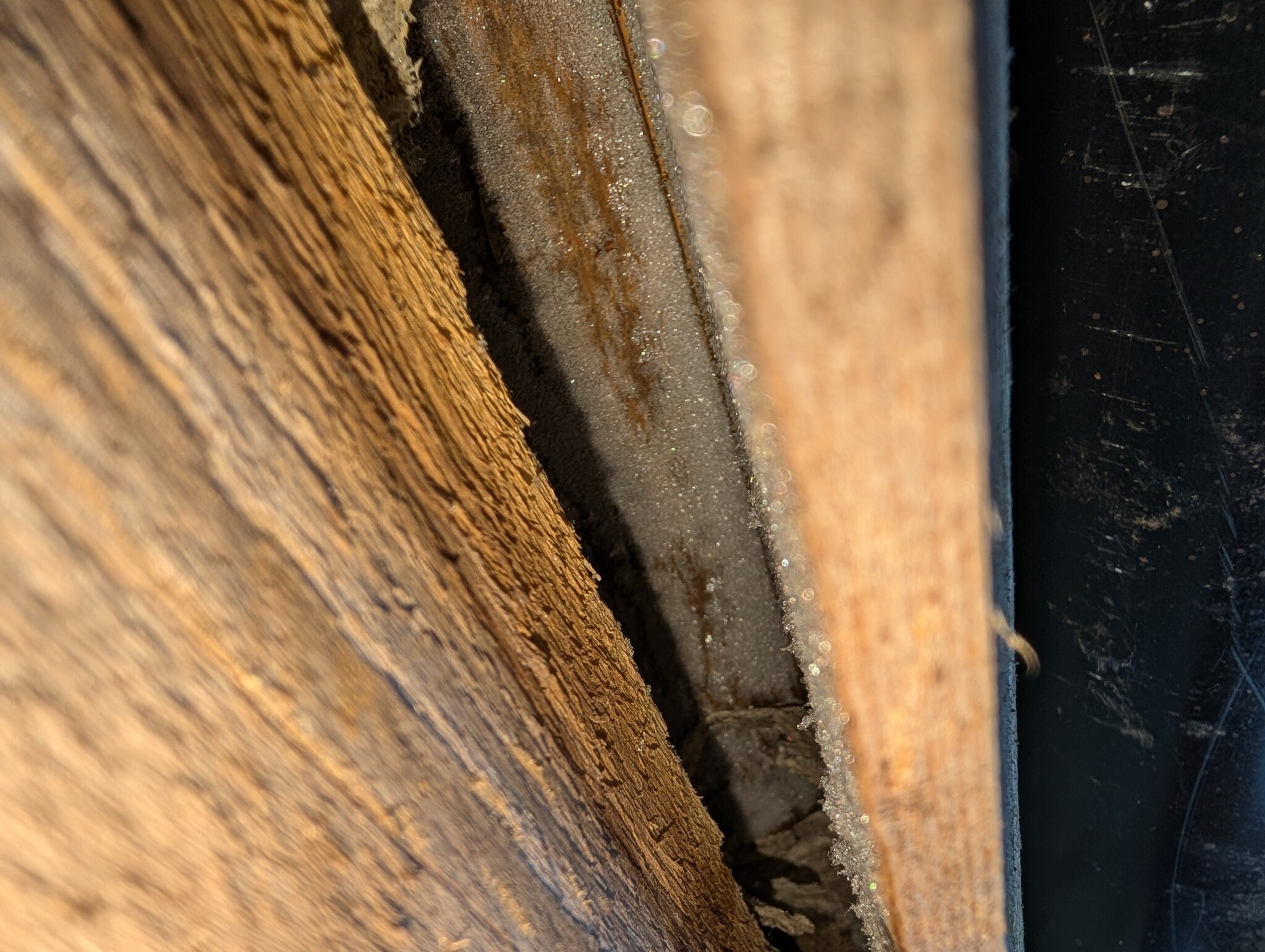
3. The hole for the pump on the inside is not sealed, allowing moist air to seep into the construction, condense against the exterior wall, flow down towards the concrete, and seep through. The argument for this is that there is frost on the "fascia" located inside the gutter, a typical sign that warm, moist air is escaping. What argues against it is that I would have expected more moisture outside if that was the case, and there are signs of damage older than 10 days.
Could it be a combination of all three? Diverting water from the foundation is a relatively simple measure. I can call the company and ask them to seal the pump's hole inside, also relatively easy to do. The "ledge" where water can seep into the wall is a risk construction (noted at the inspection), so what can be done there? If snow is blowing in, then windproofing with a slant or a metal flashing might be enough to keep the snow out. If it's a matter of condensation, closing it might potentially do more harm than good, though.
I'm a bit lost as to what the next step is. Should I contact the insurance, or is it not worth it? Is the hidden defect insurance or home insurance applicable in this case?
Grateful for help and guidance.
P.S. Feel free to move to the correct subforum if this is wrong.
I saw today, 9 days after installation, that I had moisture on the floor, slanted under the indoor unit. Behind a shelf. The outdoor unit is on the other side of the wall from where it seems to be the most moisture. I am not entirely sure if it's the heat pump itself that is the problem based on how it looks around.
I have three theories, I don't know which one to investigate/try to fix first.
1. Water from the outdoor unit is seeping into the slab and in that way. The argument for this is that the drywall looks very fresh for having been exposed to a lot of moisture. The counterargument is that the concrete in the foundation was weathered, which I don't think happens in 10 days. The first five pictures show how it looks inside. There is also a piece of oilboard on the sill that looks brand new. What argues against it is that I expected more visible signs of moisture outside.
2. Snow has drifted in under the border of the roof and settled on a ledge, and warm air from inside has escaped, melting the snow, which then flowed along with the fiberboards (or whatever the black board on the outside is) and down the foundation wall to then seep in. On this ledge, it is damp outside, and this is clearly a problem. However, I am not sure it's the entire problem. Here, the wood is clearly decayed outside, something that also reasonably couldn't have happened in 10 days. I have a clear image in my mind that the wood outside had a stain here previously.
3. The hole for the pump on the inside is not sealed, allowing moist air to seep into the construction, condense against the exterior wall, flow down towards the concrete, and seep through. The argument for this is that there is frost on the "fascia" located inside the gutter, a typical sign that warm, moist air is escaping. What argues against it is that I would have expected more moisture outside if that was the case, and there are signs of damage older than 10 days.
Could it be a combination of all three? Diverting water from the foundation is a relatively simple measure. I can call the company and ask them to seal the pump's hole inside, also relatively easy to do. The "ledge" where water can seep into the wall is a risk construction (noted at the inspection), so what can be done there? If snow is blowing in, then windproofing with a slant or a metal flashing might be enough to keep the snow out. If it's a matter of condensation, closing it might potentially do more harm than good, though.
I'm a bit lost as to what the next step is. Should I contact the insurance, or is it not worth it? Is the hidden defect insurance or home insurance applicable in this case?
Grateful for help and guidance.
P.S. Feel free to move to the correct subforum if this is wrong.
Hard to say without measuring, enough to melt the ice under the outdoor unit. The outdoor unit's defrost seems to create some as well.GoC said:
Edit: Now I understand, you mean indoors of course. No, it was relatively little, maybe a deciliter.
Last edited:
Update, no more drifting snow = no more water. So probably a small sheet or wind cloth.
Click here to reply