
780 views ·
1 replies
780 views
1 replies
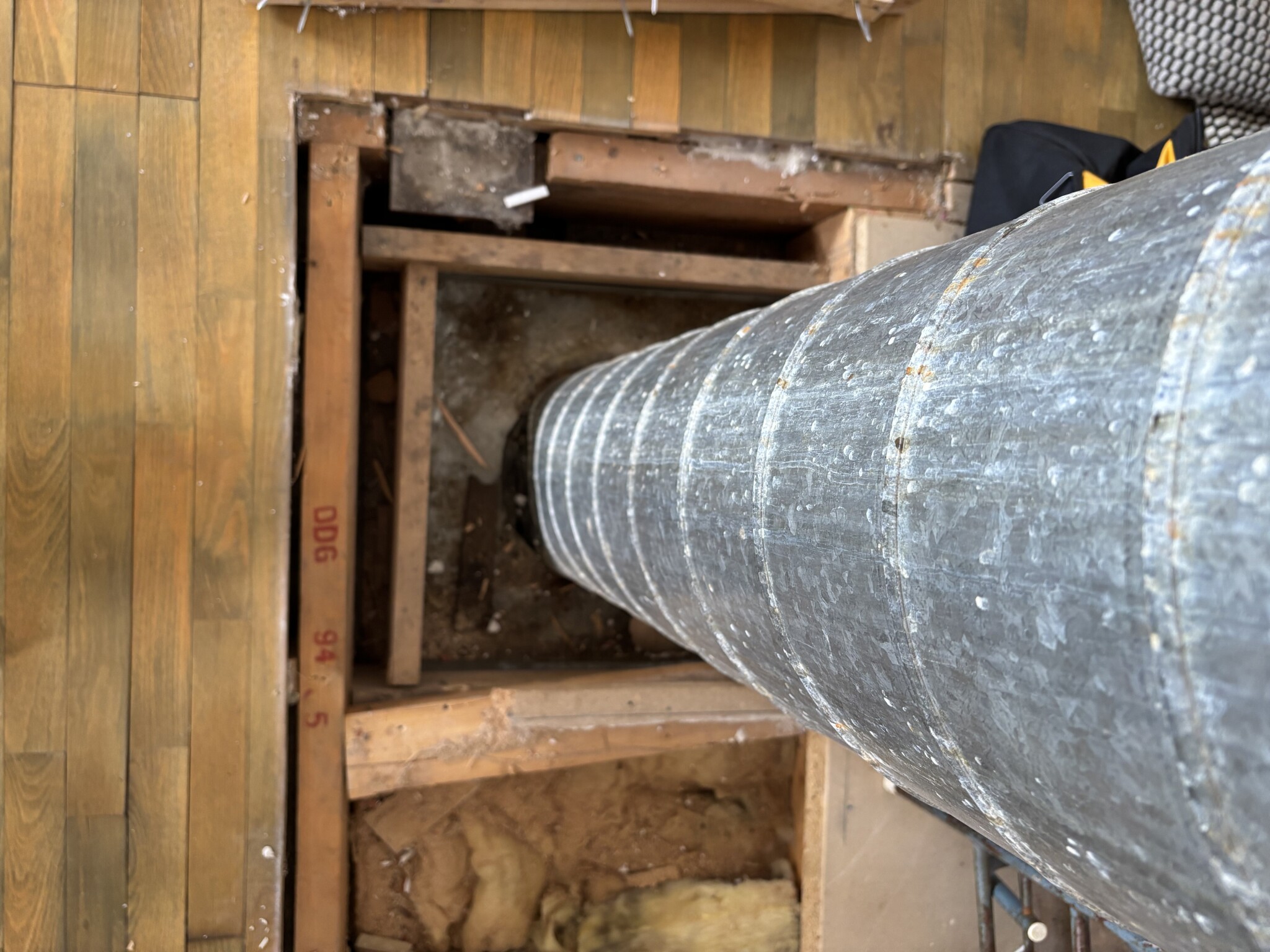
How close to the flue pipe can I lay the floor?
We are in the middle of a home renovation. We have switched to an air-water pump and removed our pellet stove.
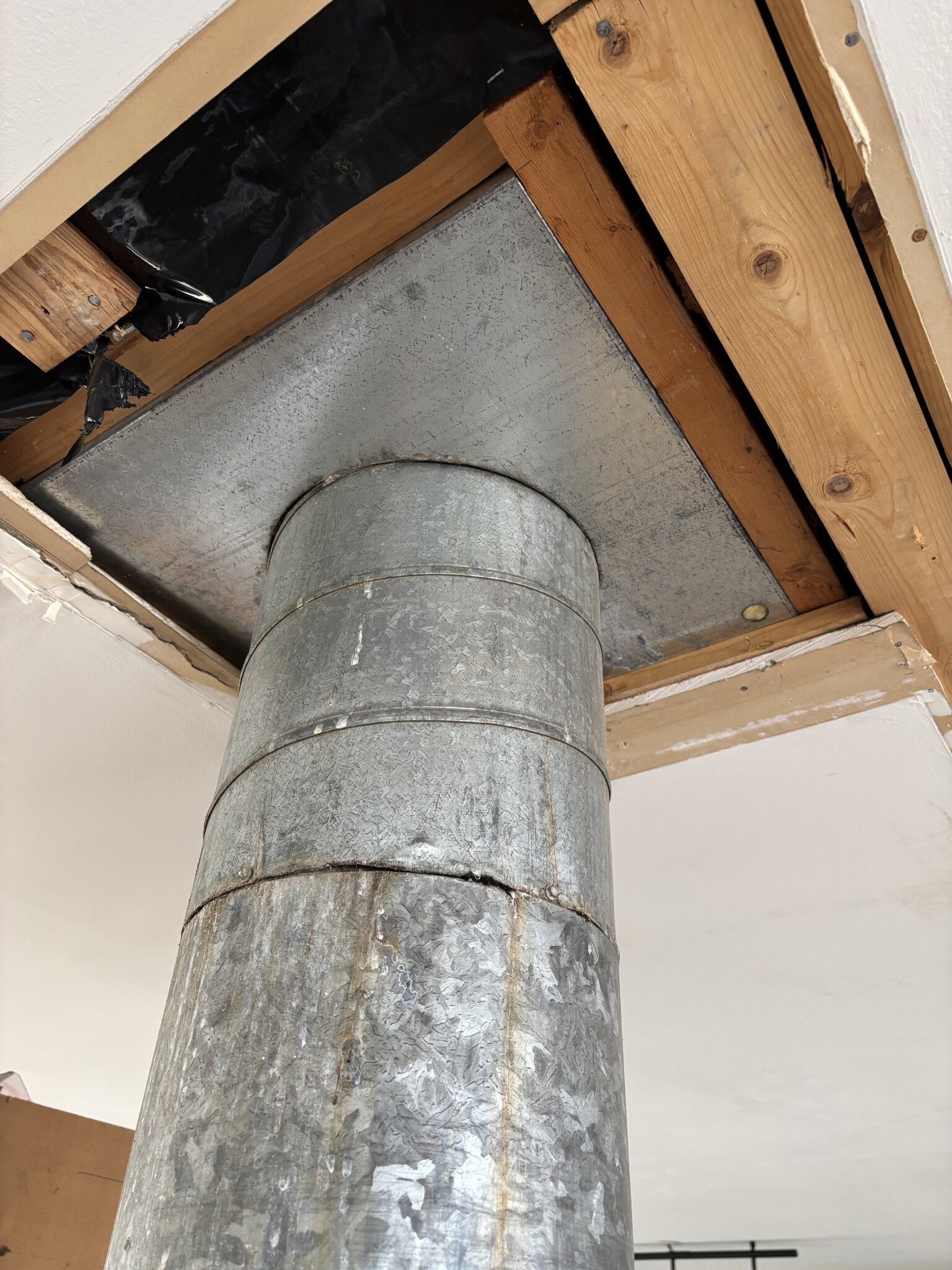
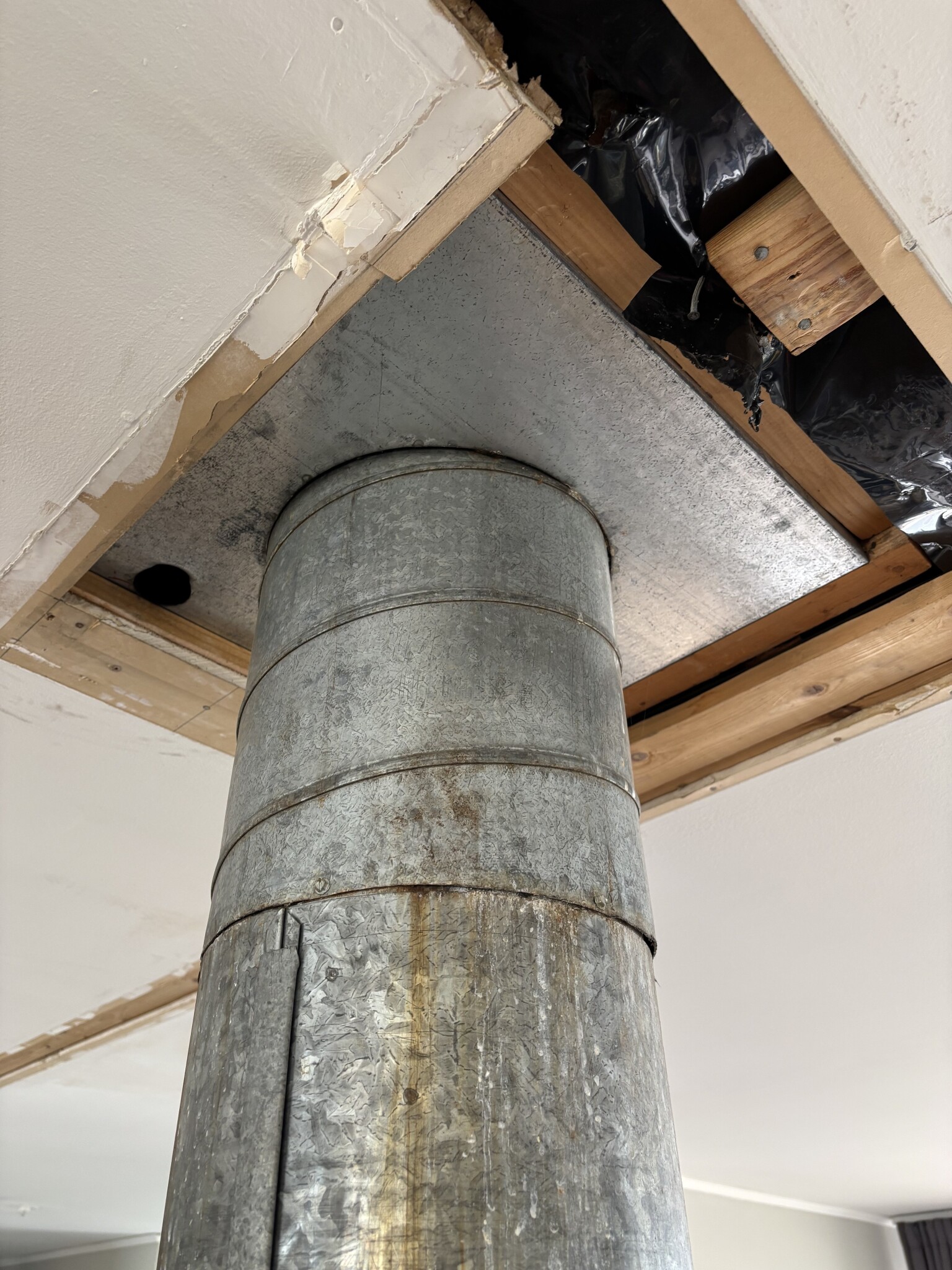
This flue pipe shown in the pictures is inactive and used to go from our pellets in the basement, which is now removed, up to the chimney on the roof.
We have taken down the interior walls and are planning an open floor plan between the kitchen and living room. This brings some challenges...
We are considering possibly installing a stove on the pipe later to be able to have a fire in the living room. However, this is in the future.
Two questions arise:
1. How close can we build up and lay flooring to the spiro pipe for future use?
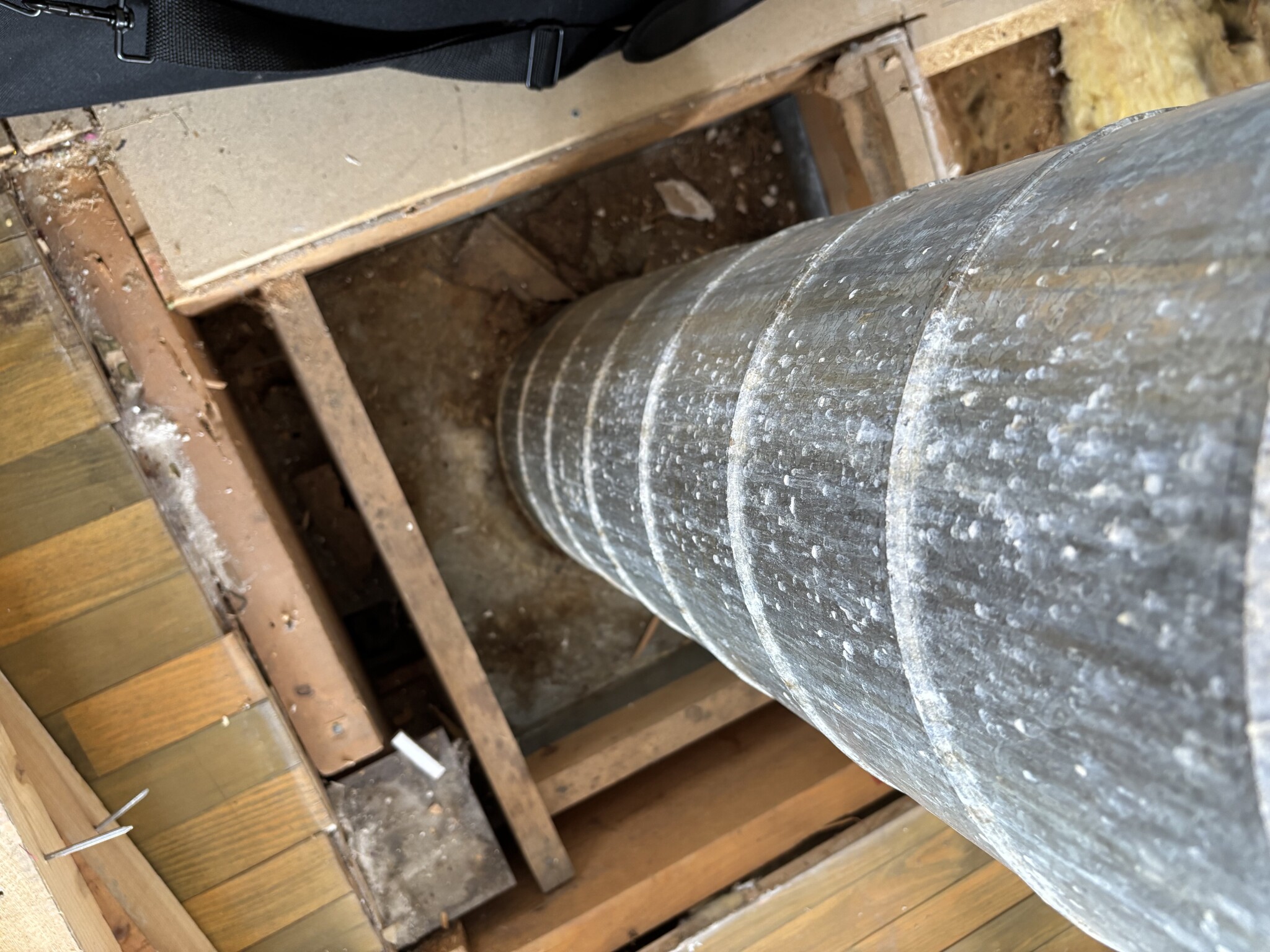
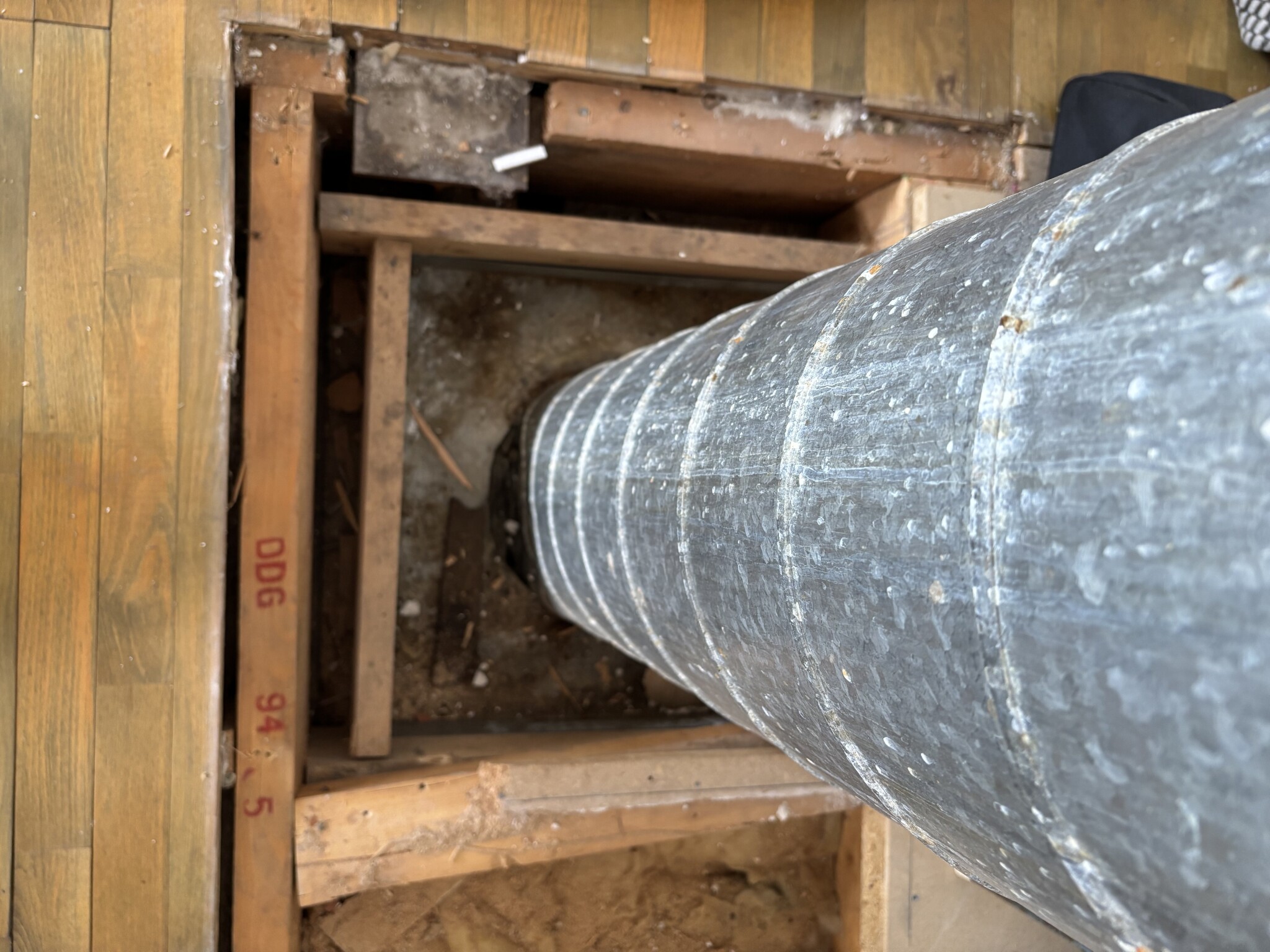
2. Can we encase the spiro pipe with black sheet metal and connect a stove to this pipe? We think this could be an attractive solution with a round shape in the middle of everything. What do we need to do, considering we have partially removed the pipe in the basement as shown in one picture that displays how the pipe is currently insulated? Do you have any tips for a "simpler solution" for this?
Regards
This flue pipe shown in the pictures is inactive and used to go from our pellets in the basement, which is now removed, up to the chimney on the roof.
We have taken down the interior walls and are planning an open floor plan between the kitchen and living room. This brings some challenges...
We are considering possibly installing a stove on the pipe later to be able to have a fire in the living room. However, this is in the future.
Two questions arise:
1. How close can we build up and lay flooring to the spiro pipe for future use?
2. Can we encase the spiro pipe with black sheet metal and connect a stove to this pipe? We think this could be an attractive solution with a round shape in the middle of everything. What do we need to do, considering we have partially removed the pipe in the basement as shown in one picture that displays how the pipe is currently insulated? Do you have any tips for a "simpler solution" for this?
Regards
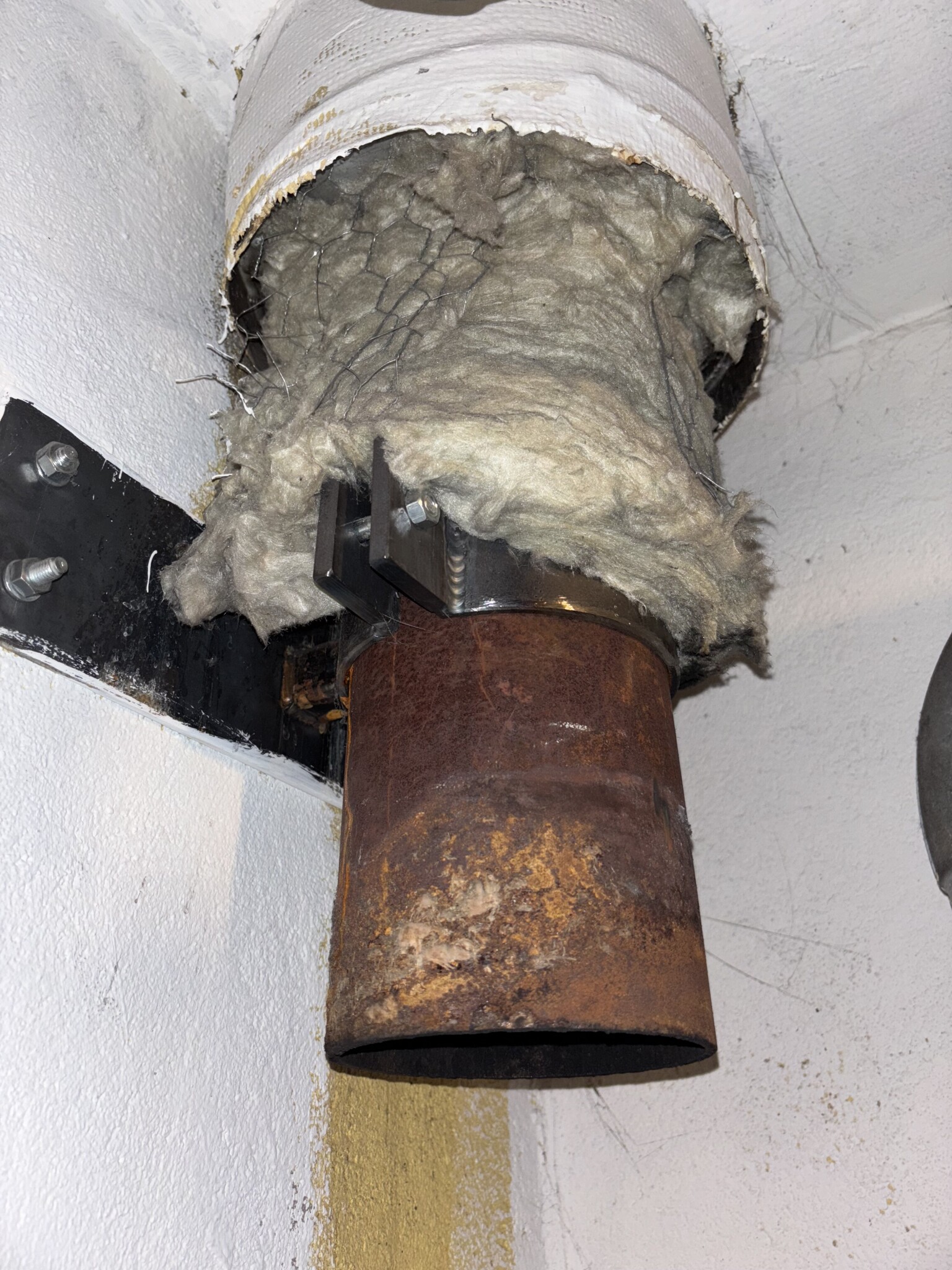

How thick is the insulation between the actual flue pipe and the outer pipe?
30 mm = semi-insulated
50 mm = fully insulated
The fully insulated chimney modules we have require at least 50 mm to combustible material.
The governing regulations are BBR, primarily chapter 5.
Finally, it is the person conducting the fire safety inspection (chimney sweep or rescue service) who determines if it's okay or not.
30 mm = semi-insulated
50 mm = fully insulated
The fully insulated chimney modules we have require at least 50 mm to combustible material.
The governing regulations are BBR, primarily chapter 5.
Finally, it is the person conducting the fire safety inspection (chimney sweep or rescue service) who determines if it's okay or not.
Click here to reply
Similar threads
-
Hur nära ska varmvatten- och kallvattenrör läggas i badrumsgolv?
Badrum -
Hur nära buskage kan min köksträdgård anläggas?
Trädgård allmänt -
Cannot install floor joists near wall, lay floor under wall?
Building Materials and Construction Technology -
Lägga regel i eller nära marknivå? Problem?
Altan & Uteplats -
Hur nära en innervägg får rökröret gå?
Värme allmänt