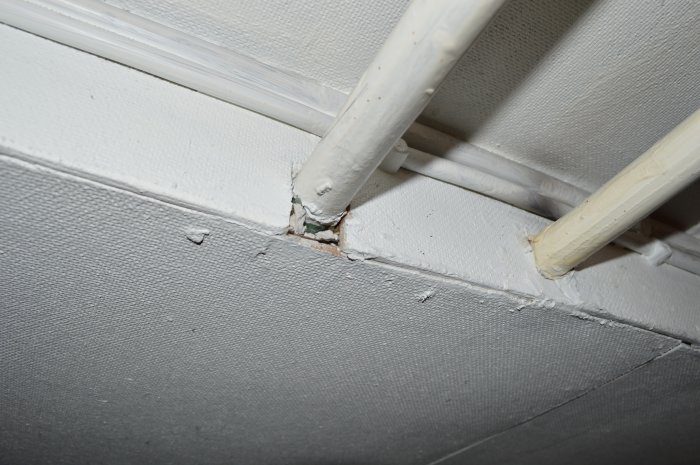
We have just bought a house that was built in 1936 but rebuilt and renovated in the 60s.
Since the house has eternit cladding that is built in under the wooden facade and ventilation shafts in eternit, I am a bit wondering where else the previous owner might have used asbestos material.
I have searched here on BH and found some good information but I would be very grateful if someone knowledgeable could take a look at the pictures and see if you recognize anything.
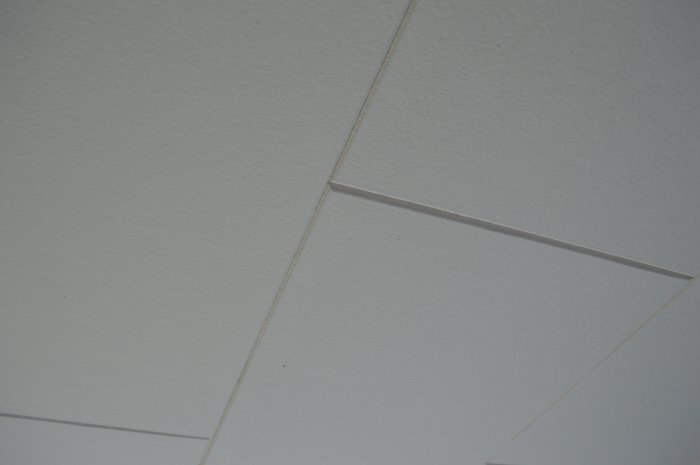
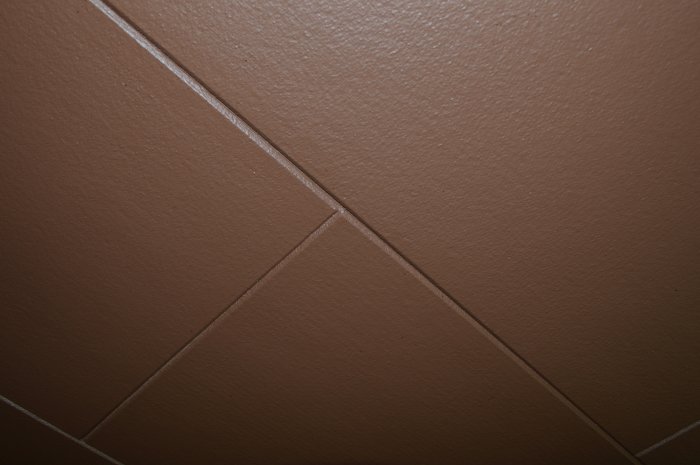
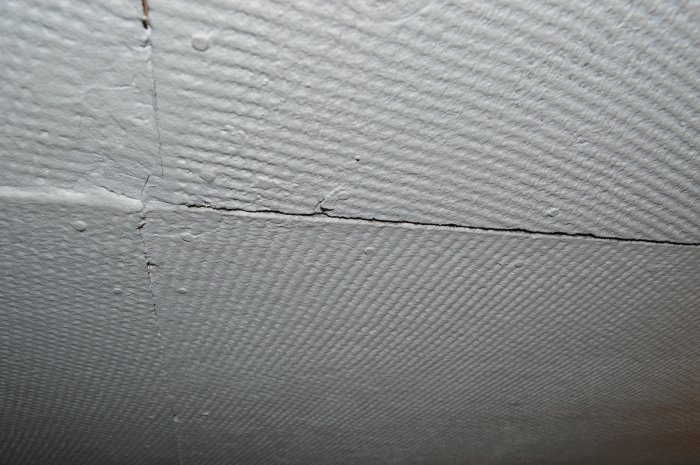
Thank you for the quick response! Yes, that was my suspicion as well. They have a significantly harder surface than the boards in the rest of the basement (see point number 6). Before we bought the house, we lived in an apartment built in the 90s, so I might have some strange questions...
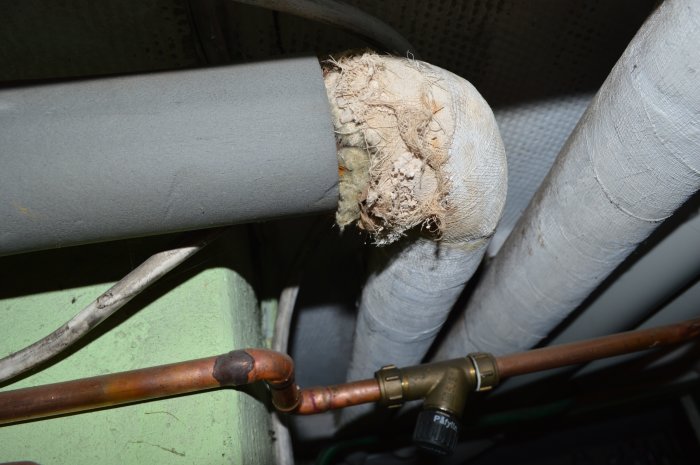
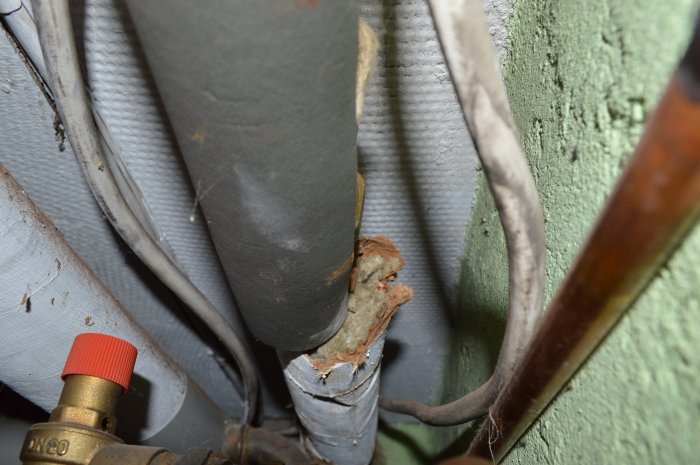
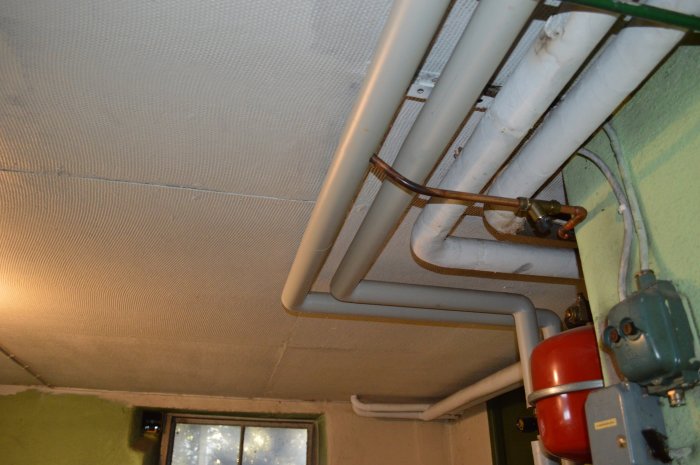
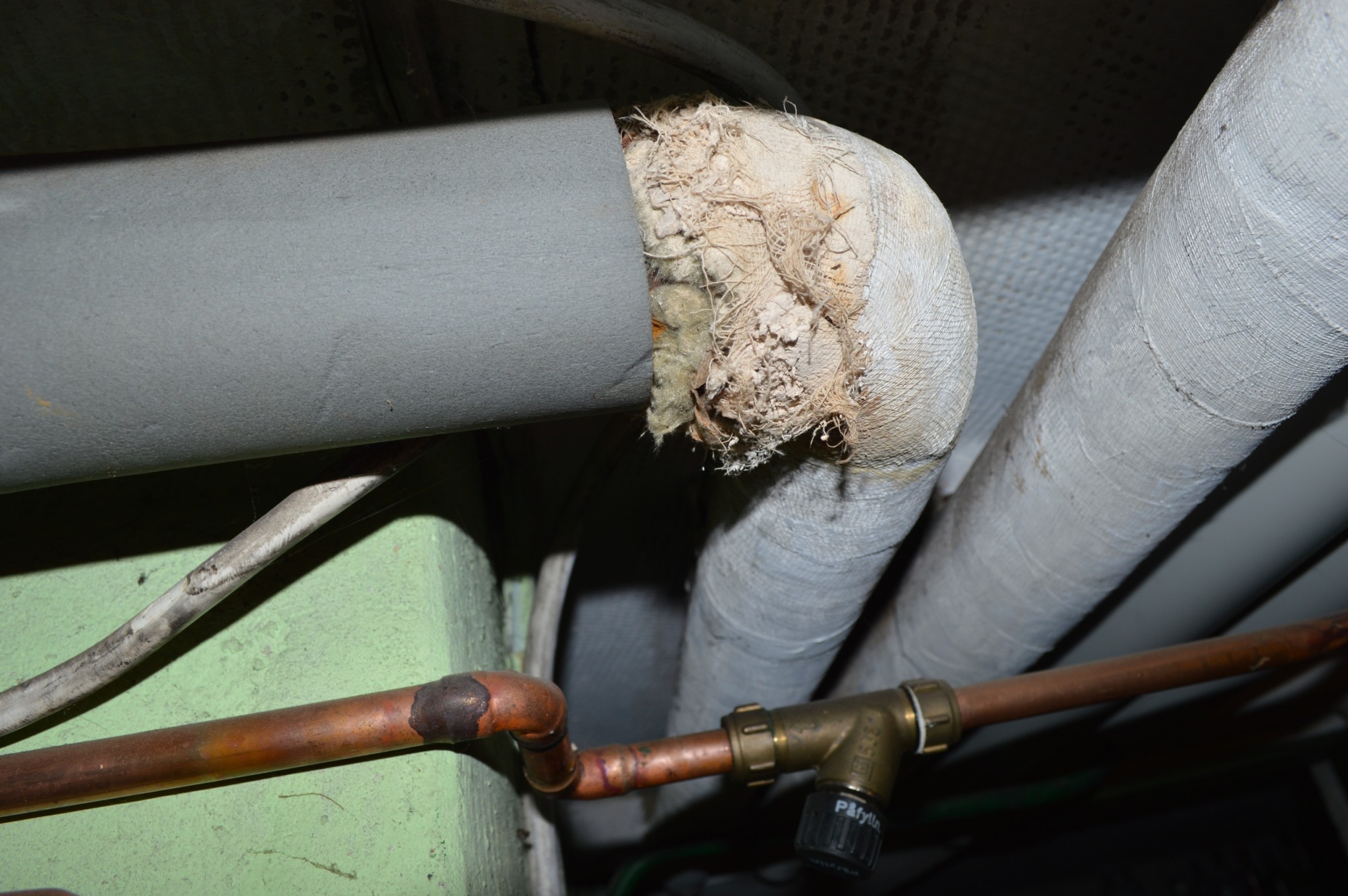
The broken pipe bend under point four looks like gurmassa, meaning asbestos. It is probably only in the bends, not on straight pipes. I would address the broken bend and any other defects. I would paint intact bends with a full layer of paint so they won't bother anyone until the day you start dismantling the system.
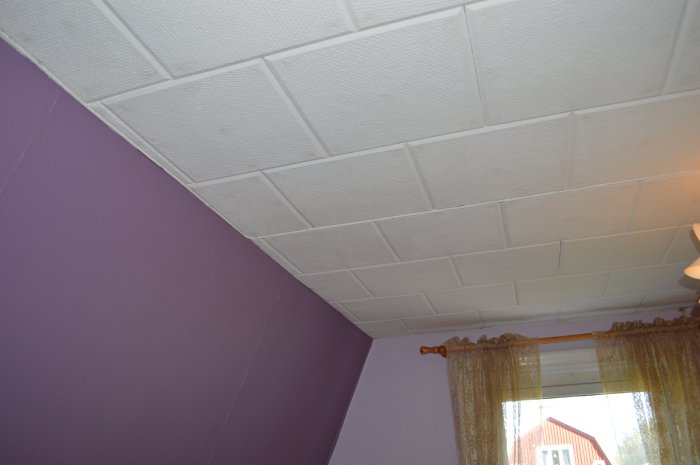
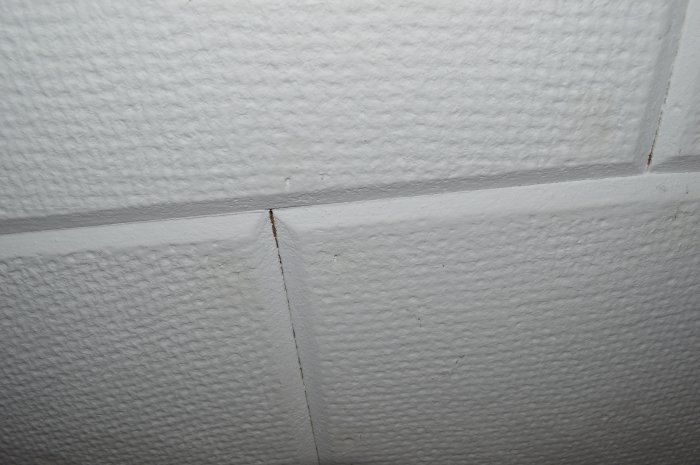
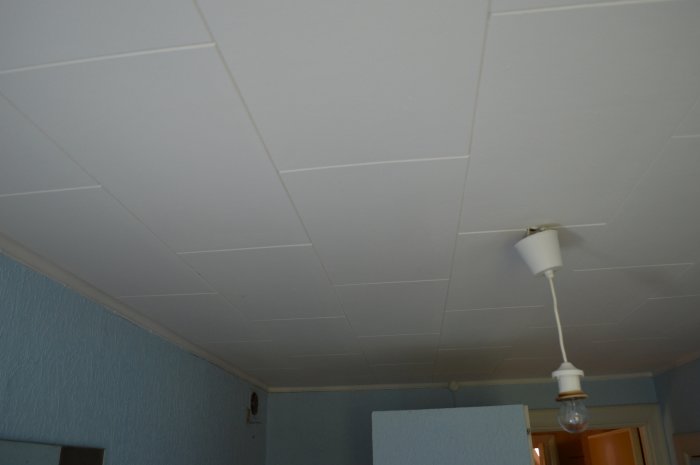
Agree with the above, the bends and plates in the boiler room are high risk for asbestos. Fix and grout for tiles cannot be judged based on appearance, must be tested. The ceiling tiles could be tricky, there are certain ceiling tiles with asbestos, though it's uncertain if it was that common in houses. I've mostly seen it in industrial premises and offices.
What you can do is take a sample and send/submit it for analysis. It costs about 650:- per sample, which may feel like a lot initially, but peace of mind and potentially reduced future remediation costs greatly outweigh that expense.
Additionally, it can be good to show that, for example, grout and adhesive do not contain asbestos if you hire a (reputable) bathroom company to fix the wet rooms.
To answer your original question, I would guess that all board material, including the ceiling in the boiler room, is asbestos-containing, as well as the pipe bends and possibly Eternit ventilation channels which may be in the attic. Also be cautious of plastic mats and carpet glue!
To answer your original question, I would guess that all sheet material, including ceilings in boiler rooms, contains asbestos,
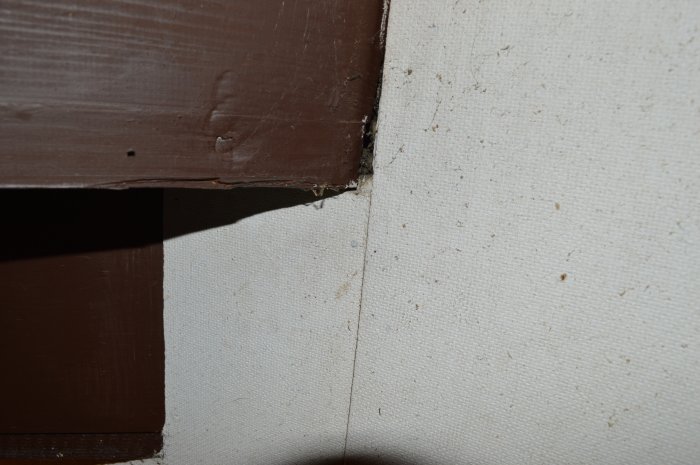
But boards that are obviously wood fiber-based shouldn't have to be a concern, right?
Like masonite, tretex, and those typical ceiling panels that were so common (which seem to be in the original poster's bedroom)
But boards that are obviously wood fiber-based shouldn't be a concern, right?
Like masonite, tretex, and those typical ceiling boards that were so common (which seem to be in TS's bedroom)
I wasn't very clear. What I meant was that all boards in a boiler room should probably be suspected to contain asbestos.
Thank you for all the information so far! Do you recommend doing a burn test on a small sample of what you believe is tretex, masonite, and co?
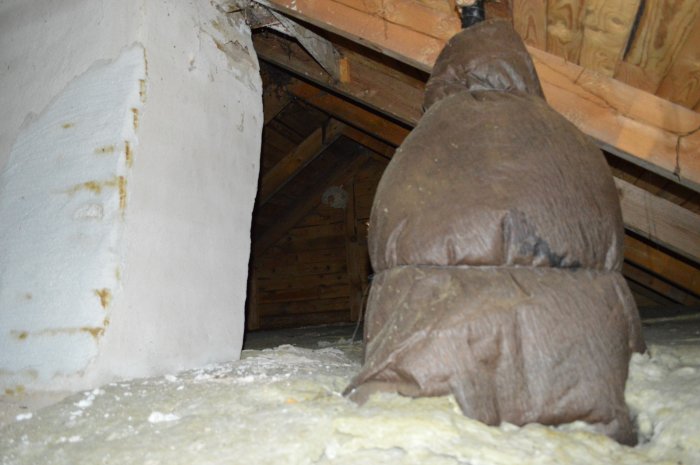
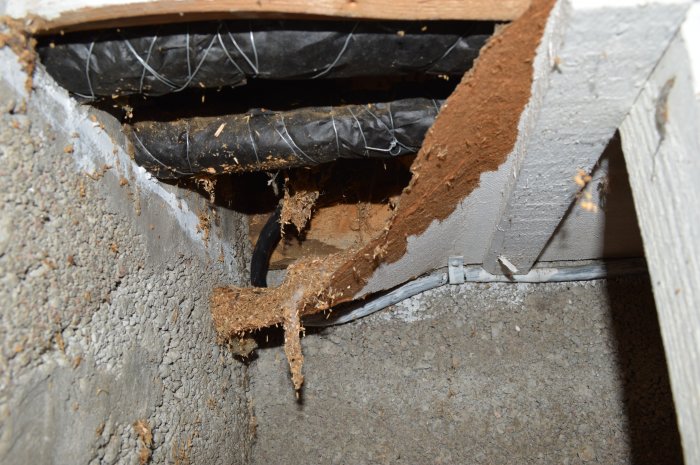
As for the attic, I was mostly worried about cutting open the brown sack around the expansion tank, but perhaps the chimney was/wasn't insulated with something. I thought it was only plaster.
Broken pipe bends are here and there in the basement. How do you neutralize these in the best way? Wrap tape around them or perhaps wrap them in cooking plastic wrap? I just want to avoid any dust until we find a permanent solution in a year or two.
Thanks for all the help.
I would guess that the brown sack is ordinary paper-coated mineral wool or glass wool.
But sure; it's not very pleasant either. Regardless, get a decent mask with a P3 filter. You will find it useful in the future, regardless of whether it's asbestos or not in the material. Sundström or MSA have decent masks at a reasonable price.
In the bathroom, samples should primarily be taken from the grout and the sealant. But while you're at it, also test the glue if you have vinyl flooring. The pipe bends can be taped thoroughly, and make sure to cut only on straight pipes. Don't forget the P3 filter in the mask.
Something else that comes to mind is if galvanized and copper have been mixed. Check to ensure the pipes are not clogged and that the expansion line hasn't rusted through.
The tiles appear to be newer than the 60s, looking like typical 70s style, also common into the early 80s. I believe the use of asbestos in tile adhesive was most common in the 60s, but it can also be found from the 70s.
Vi vill skicka notiser för ämnen du bevakar och händelser som berör dig.