

Hello, I would need some tips and reflections!
We have an old utility building on our property, of which one room is insulated.
The room is approximately 3.5 x 3 meters with a concrete floor with a drain. The room has a ventilation duct in the ceiling as well as a chimney stack with a ventilation duct there as well.
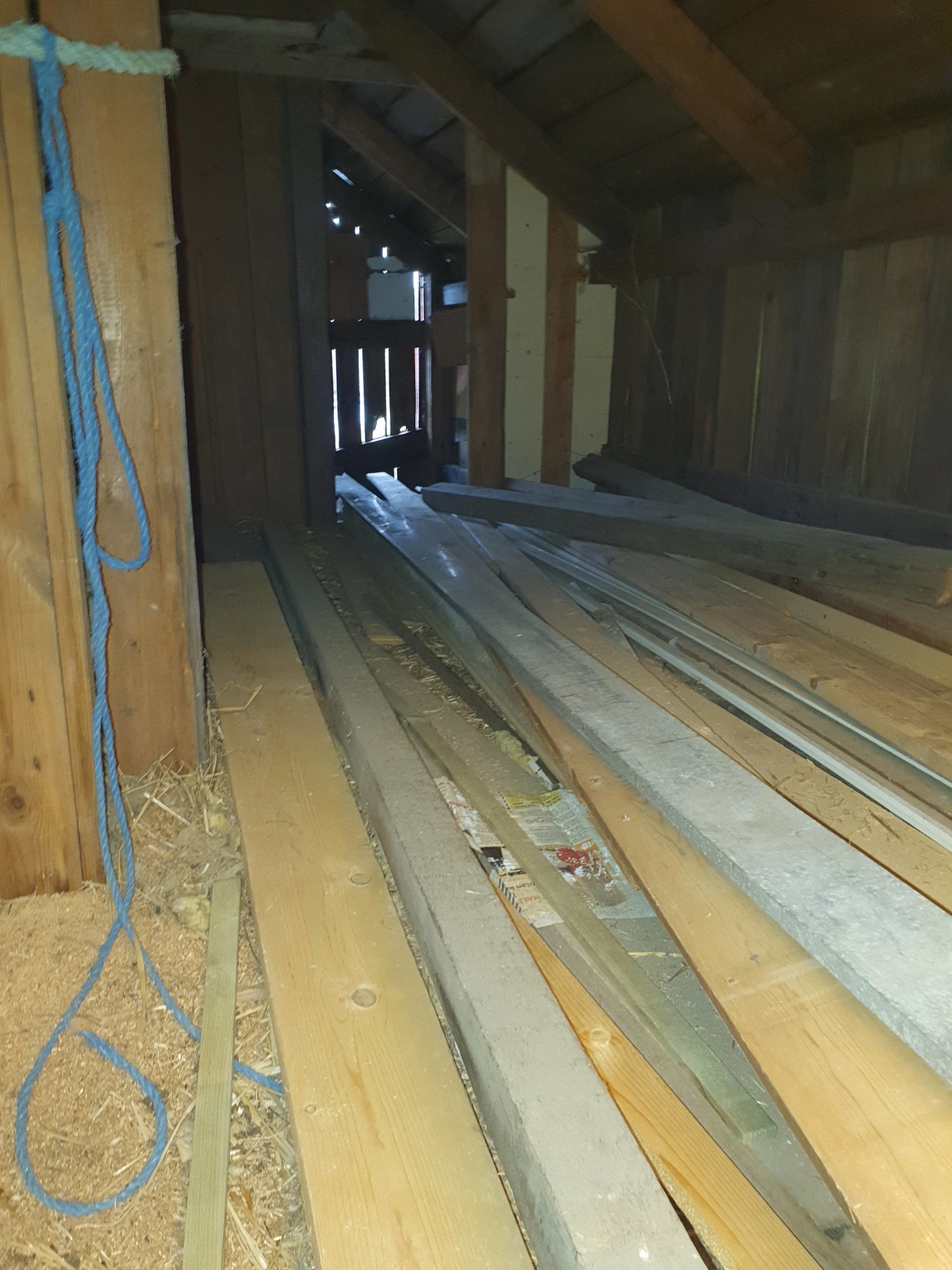
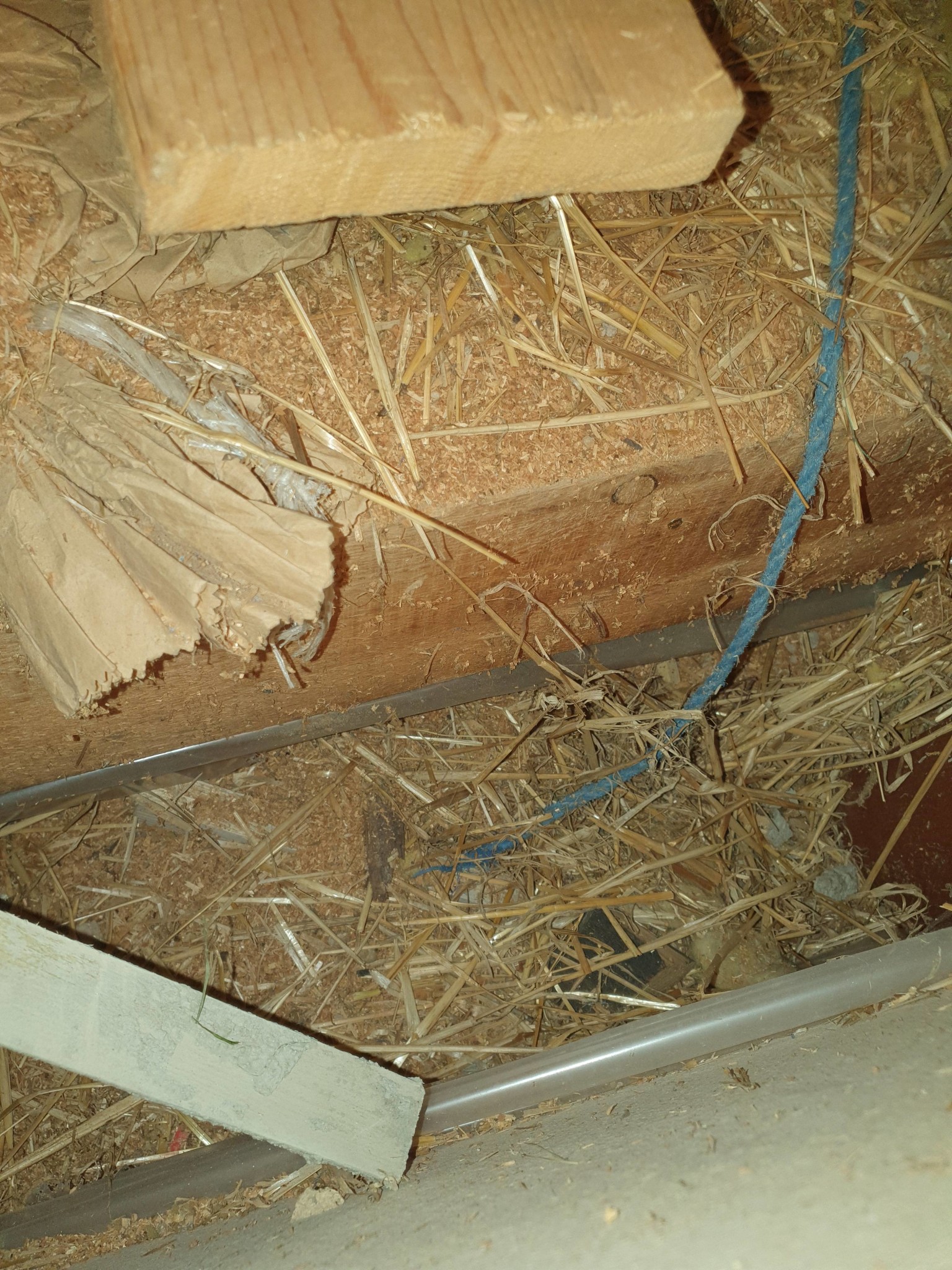
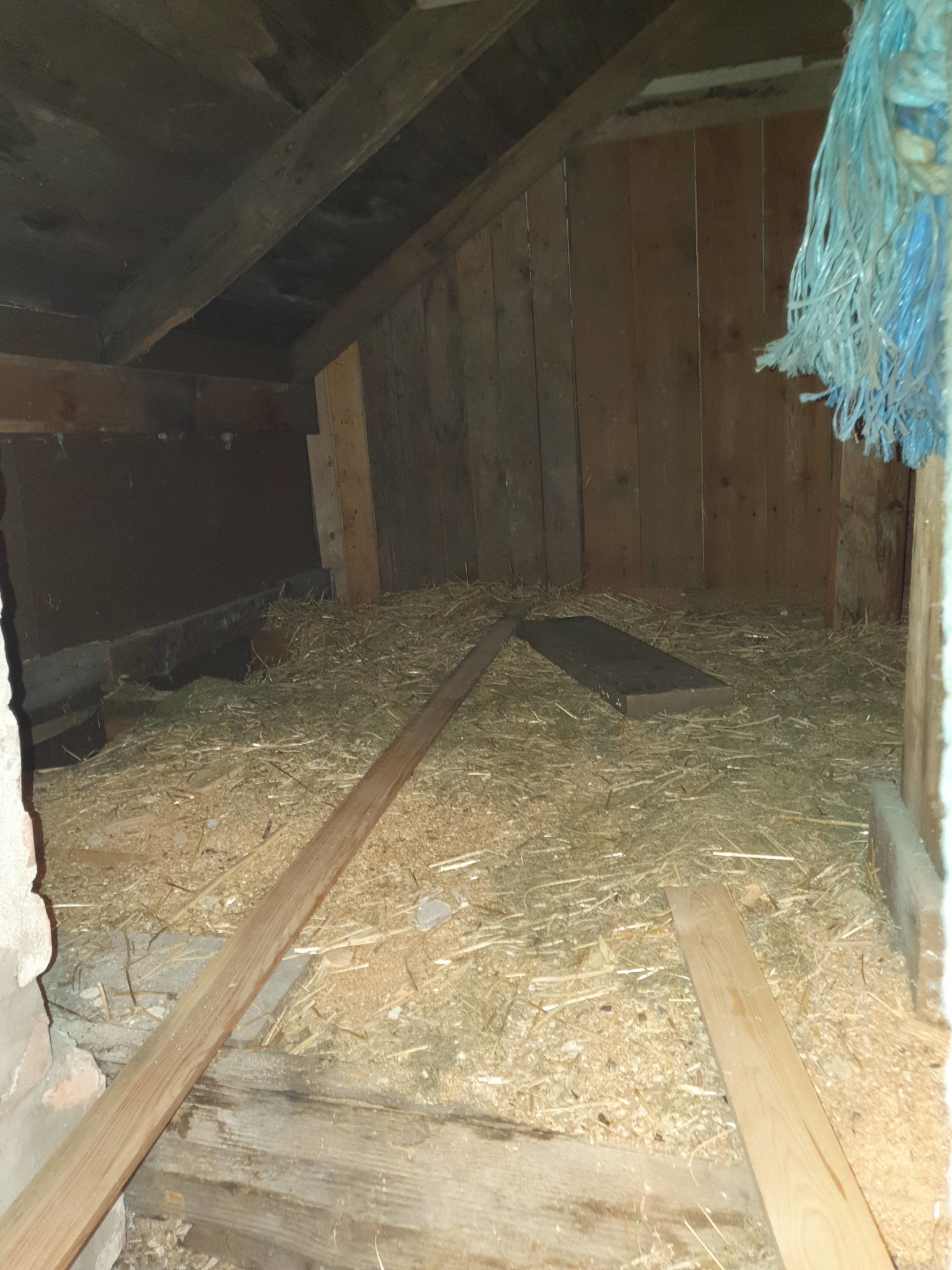
Above the room, there is an uninsulated loft, probably a former hayloft, there is no floor, and the surface consists of hay remnants and mostly sawdust. And what I assume is a vapor barrier in the form of plastic sheeting.
If I want to arrange the room into a guest room, is there any point in removing all the damn sawdust and replacing it with modern insulation, or could I just leave it and nail a floor onto the beams in the loft?
Attaching 3 pictures of the loft.
One wall also consists of sawdust.
We have an old utility building on our property, of which one room is insulated.
The room is approximately 3.5 x 3 meters with a concrete floor with a drain. The room has a ventilation duct in the ceiling as well as a chimney stack with a ventilation duct there as well.
Above the room, there is an uninsulated loft, probably a former hayloft, there is no floor, and the surface consists of hay remnants and mostly sawdust. And what I assume is a vapor barrier in the form of plastic sheeting.
If I want to arrange the room into a guest room, is there any point in removing all the damn sawdust and replacing it with modern insulation, or could I just leave it and nail a floor onto the beams in the loft?
Attaching 3 pictures of the loft.
One wall also consists of sawdust.
It is, in principle, fine to nail a floor without replacing the insulation, but:
This assumes that the existing insulated room is heated all year round (probably should be >15C), otherwise there will be plastic on the cold side of the insulation with ensuing risk of condensation and mold, and the floor may become a bit cool.
Make sure to nail down properly at the edges so that no rodents can get into the joists, walls, or ceiling.
This assumes that the existing insulated room is heated all year round (probably should be >15C), otherwise there will be plastic on the cold side of the insulation with ensuing risk of condensation and mold, and the floor may become a bit cool.
Make sure to nail down properly at the edges so that no rodents can get into the joists, walls, or ceiling.
Okay, thanks for the response!Oldboy said:
It is principally fine to nail on a floor without changing the insulation, but:
This assumes that the currently insulated room is heated year-round (should probably be >15C), otherwise, there will be plastic on the cold side of the insulation with the following risk of condensation and mold, and the floor might become a bit cool.
Make sure to nail down properly at the edges so that no rodents can get into the beams, walls, or ceiling.
But to clarify, I want the currently insulated room to only be heated when needed. Just as it has been used for the past 30 years before I bought the property. Then it should still work to just be able to nail a floor on the loft. Just for the purpose of using the space a little better and not having to walk around on sawdust?
Plastic is not good if the room is not heated, but if it doesn't seem to have taken damage over ... x ? number of years, it might work. Have you checked in various places if there is plastic everywhere and how tight it appears to be?
However, I would try to change the conditions as little as possible. Then it will be a pitched board floor, untreated. So any moisture/condensation can dry upwards.
However, I would try to change the conditions as little as possible. Then it will be a pitched board floor, untreated. So any moisture/condensation can dry upwards.
Click here to reply