
4,909 views ·
15 replies
5k views
15 replies
Help, demolition of load-bearing wall Moelven
Hello everyone!
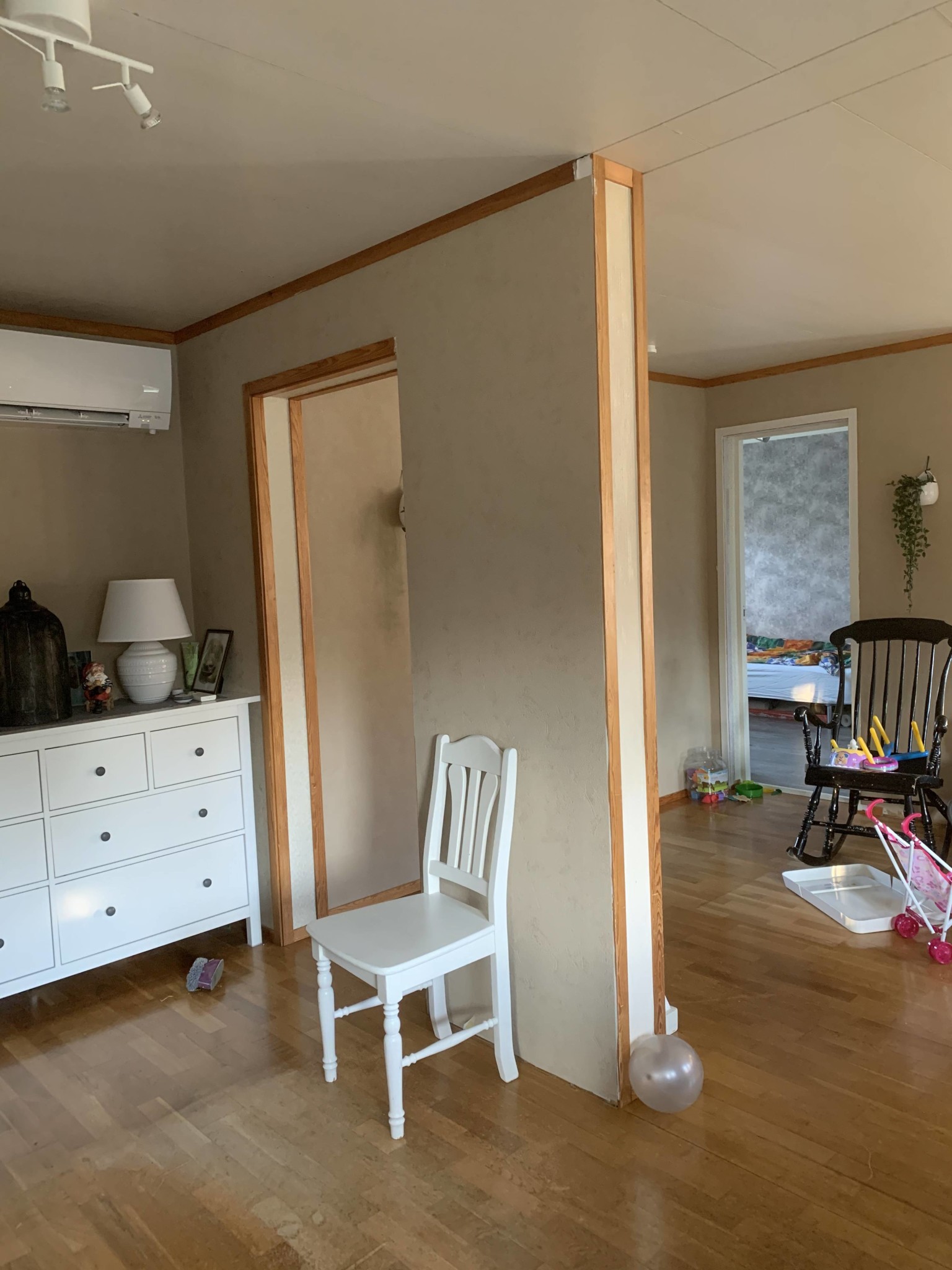
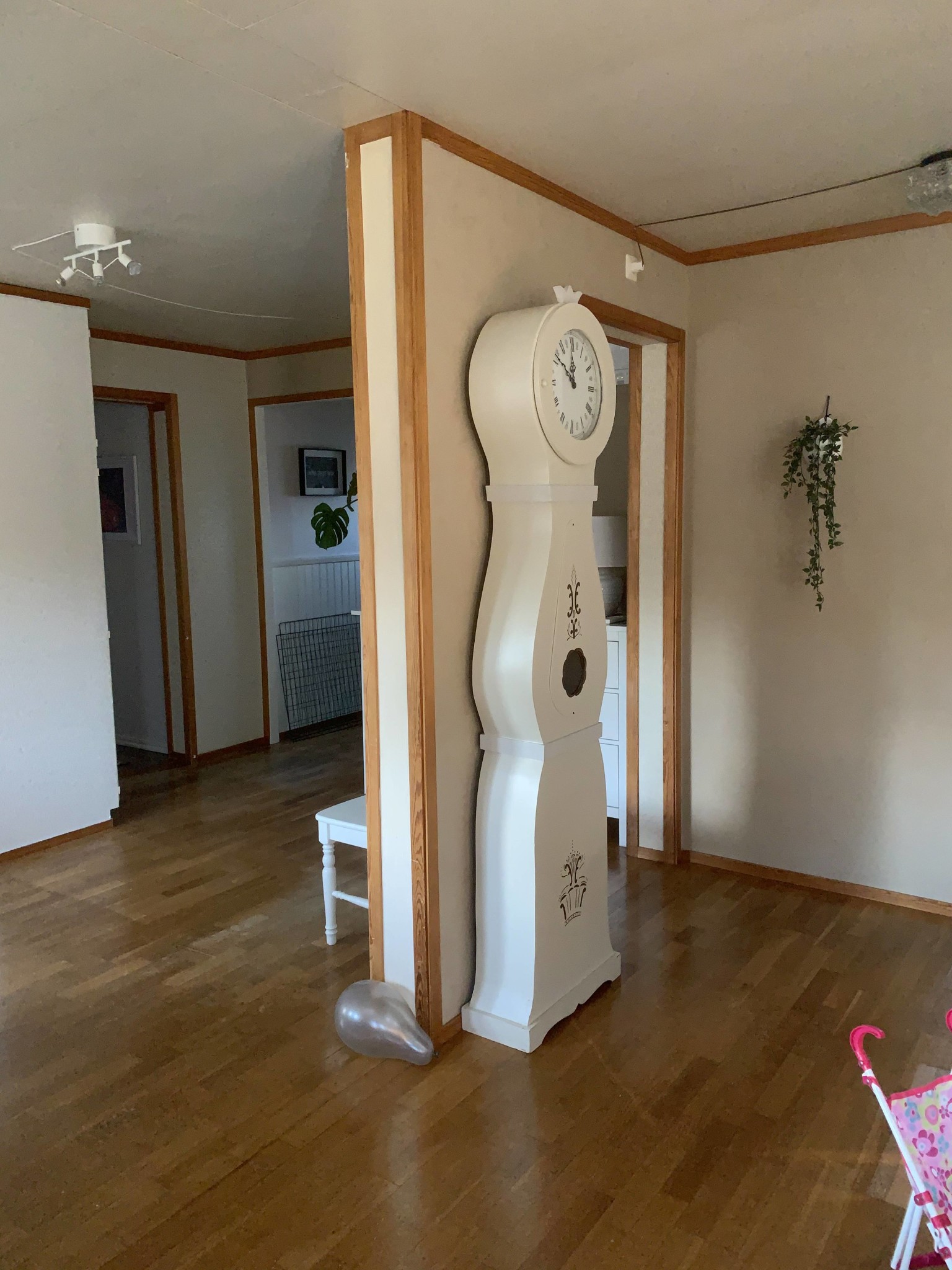
I'm about to start renovating our living room and dining room in our Moelven modular house from 1970, and we have a load-bearing wall section we want to remove because it looks completely insane. Attaching some pictures!
We want to remove the wall towards the beginning of the opening that leads to the other room, so to speak.
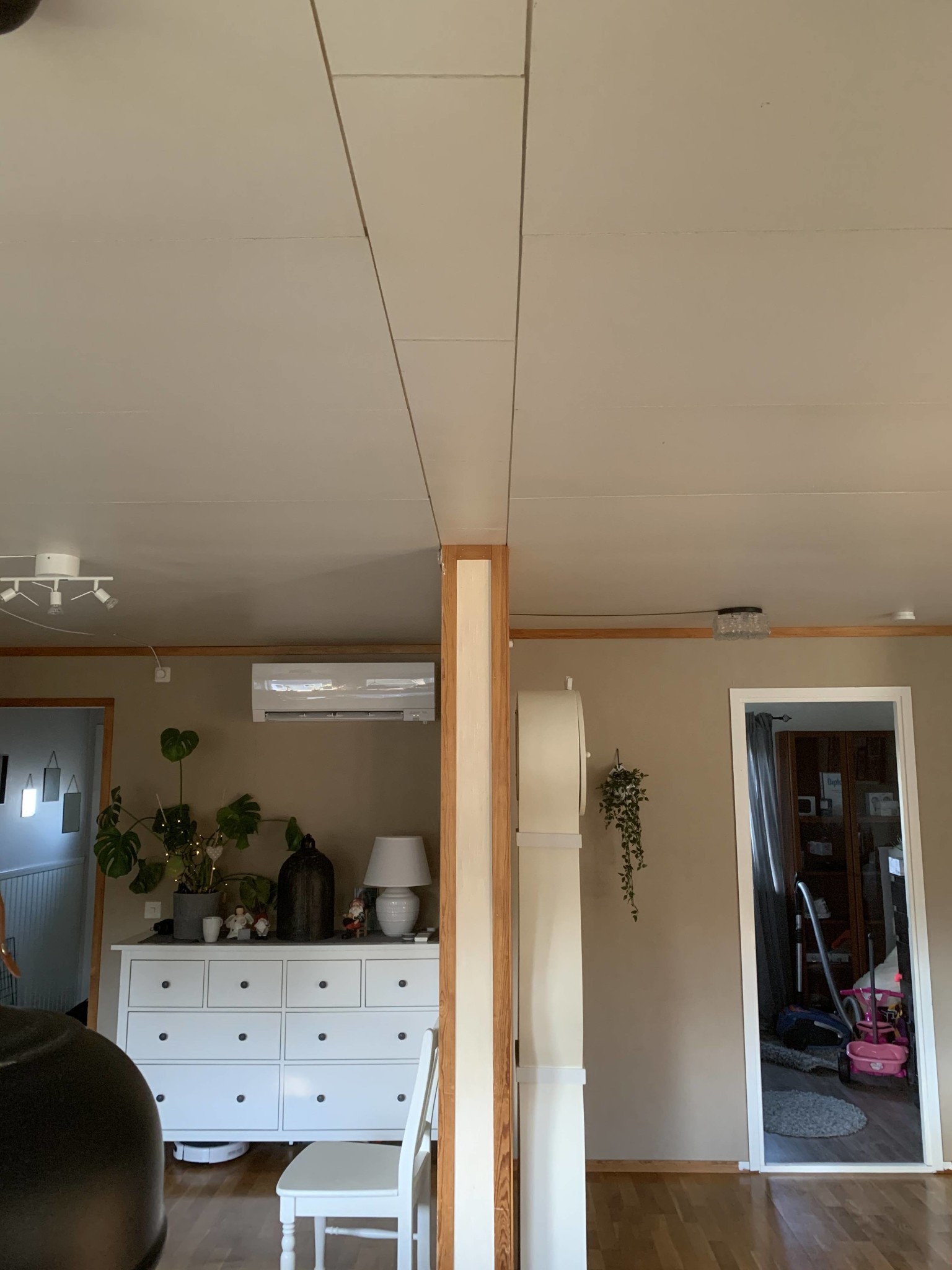
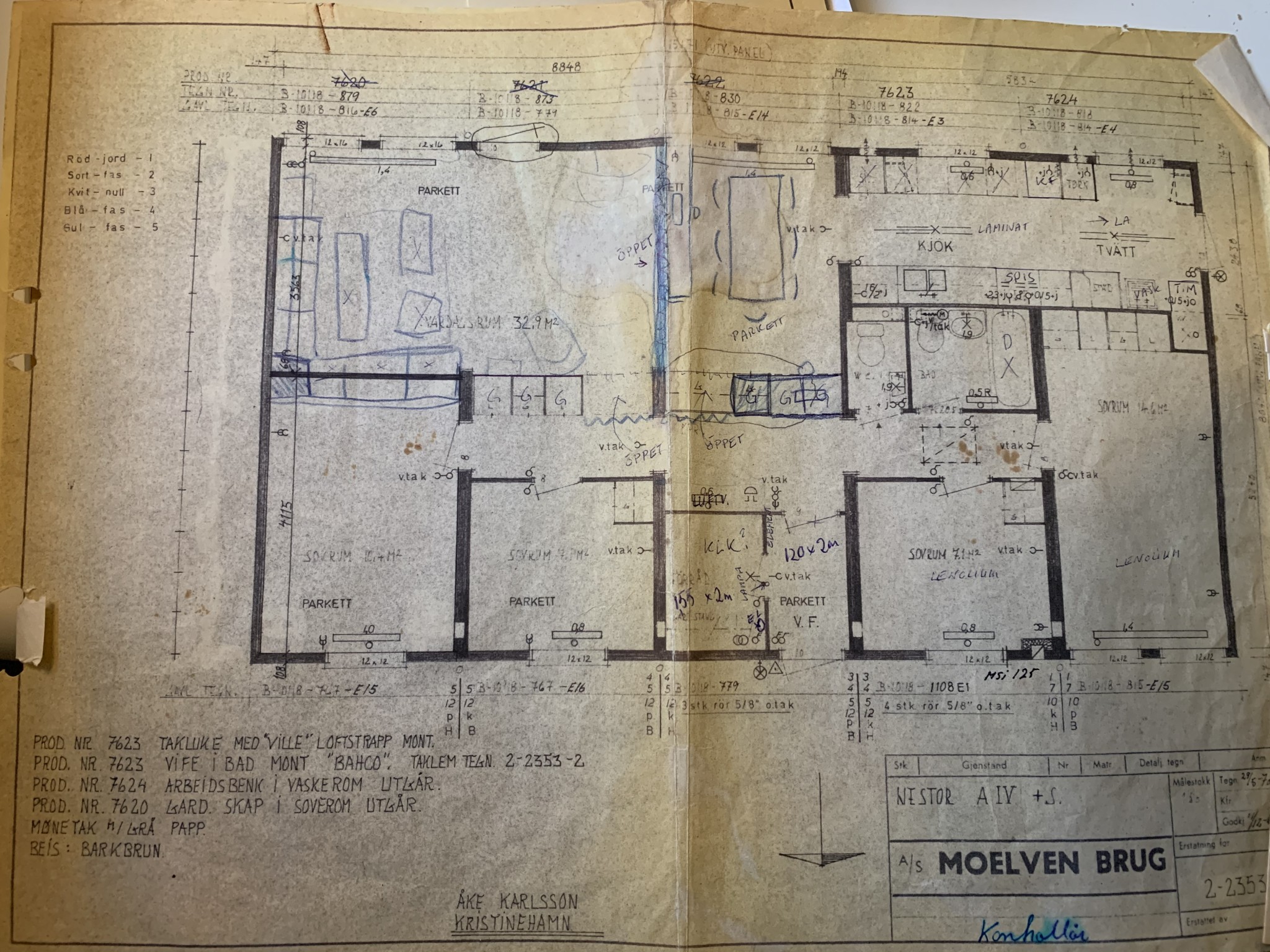
It's visible on the ceiling and drawings that the wall was supposed to run across the entire house originally, but they then decided to end it in the middle of the house.
As mentioned, it's a Moelven modular house from the '70s and consists of 5 modules, so the module joints are of course load-bearing. But I'm having a bit of trouble interpreting the drawings and naturally have no idea how to proceed with demolishing the wall sections.
Place posts at each end with a glulam beam in between?
Look at the pictures and help me
Best regards, Robin
I'm about to start renovating our living room and dining room in our Moelven modular house from 1970, and we have a load-bearing wall section we want to remove because it looks completely insane. Attaching some pictures!
We want to remove the wall towards the beginning of the opening that leads to the other room, so to speak.
It's visible on the ceiling and drawings that the wall was supposed to run across the entire house originally, but they then decided to end it in the middle of the house.
As mentioned, it's a Moelven modular house from the '70s and consists of 5 modules, so the module joints are of course load-bearing. But I'm having a bit of trouble interpreting the drawings and naturally have no idea how to proceed with demolishing the wall sections.
Place posts at each end with a glulam beam in between?
Look at the pictures and help me
Best regards, Robin
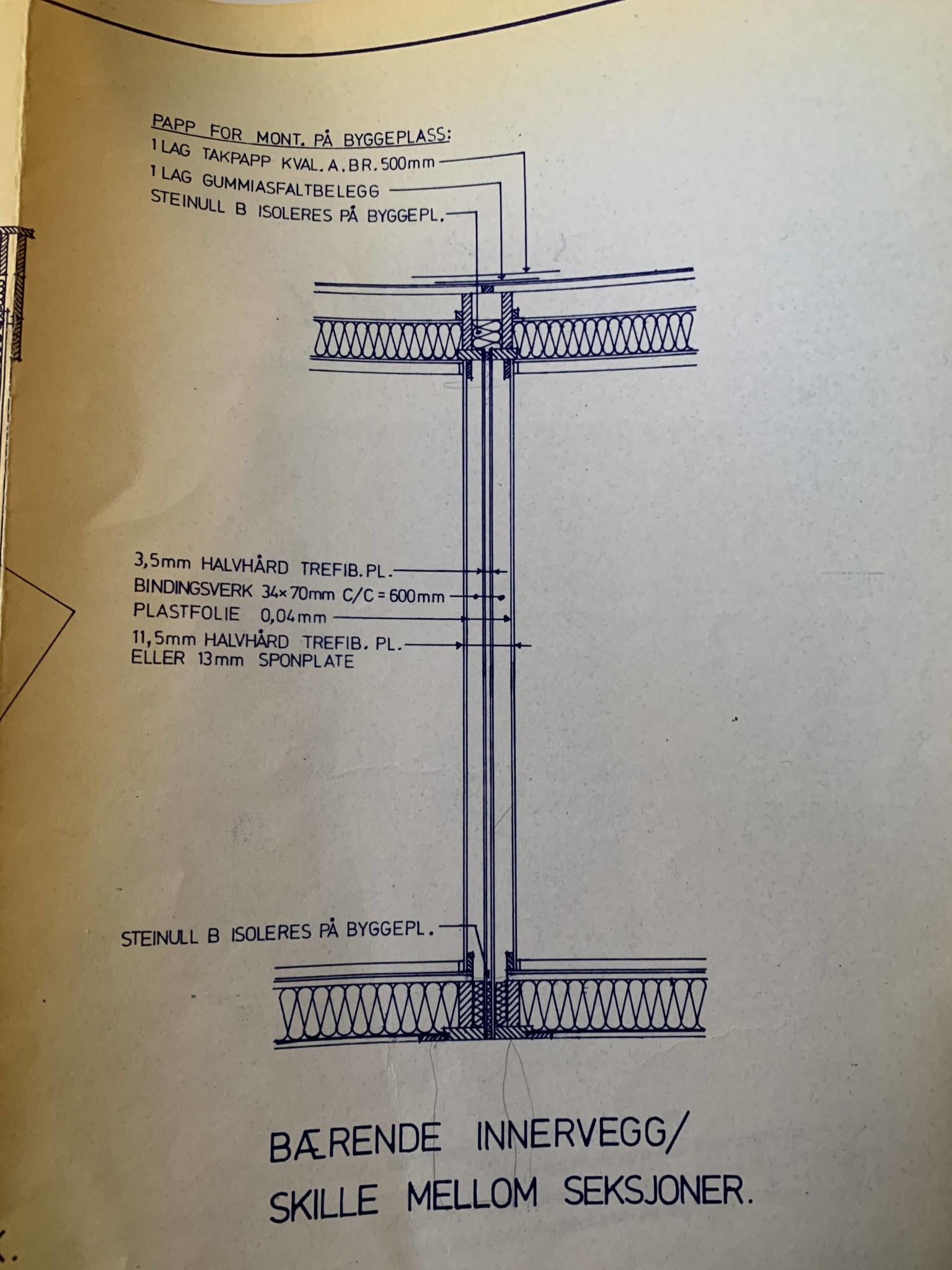
Have you received help??
What type of roof and trusses do you have on the house?
It doesn’t seem like there is a beam where the wall is missing. !!
So the question is whether the roof is entirely self-supporting and they have suspended the ceiling from the trusses. ??
//AA
What type of roof and trusses do you have on the house?
It doesn’t seem like there is a beam where the wall is missing. !!
So the question is whether the roof is entirely self-supporting and they have suspended the ceiling from the trusses. ??
//AA
Hello!S saiter said:
Haven’t received any help yet.. Had a carpenter over the week but haven’t gotten help yet..
oh, I'm not good at this part.. There are thin rafters, then there are a lot of boards overlapping along the entire joint in the attic.. The roof is standard 27 degrees with roof sheathing, felt, and then concrete tiles.
I can go up to the attic and take pictures of how it looks so we all understand better.
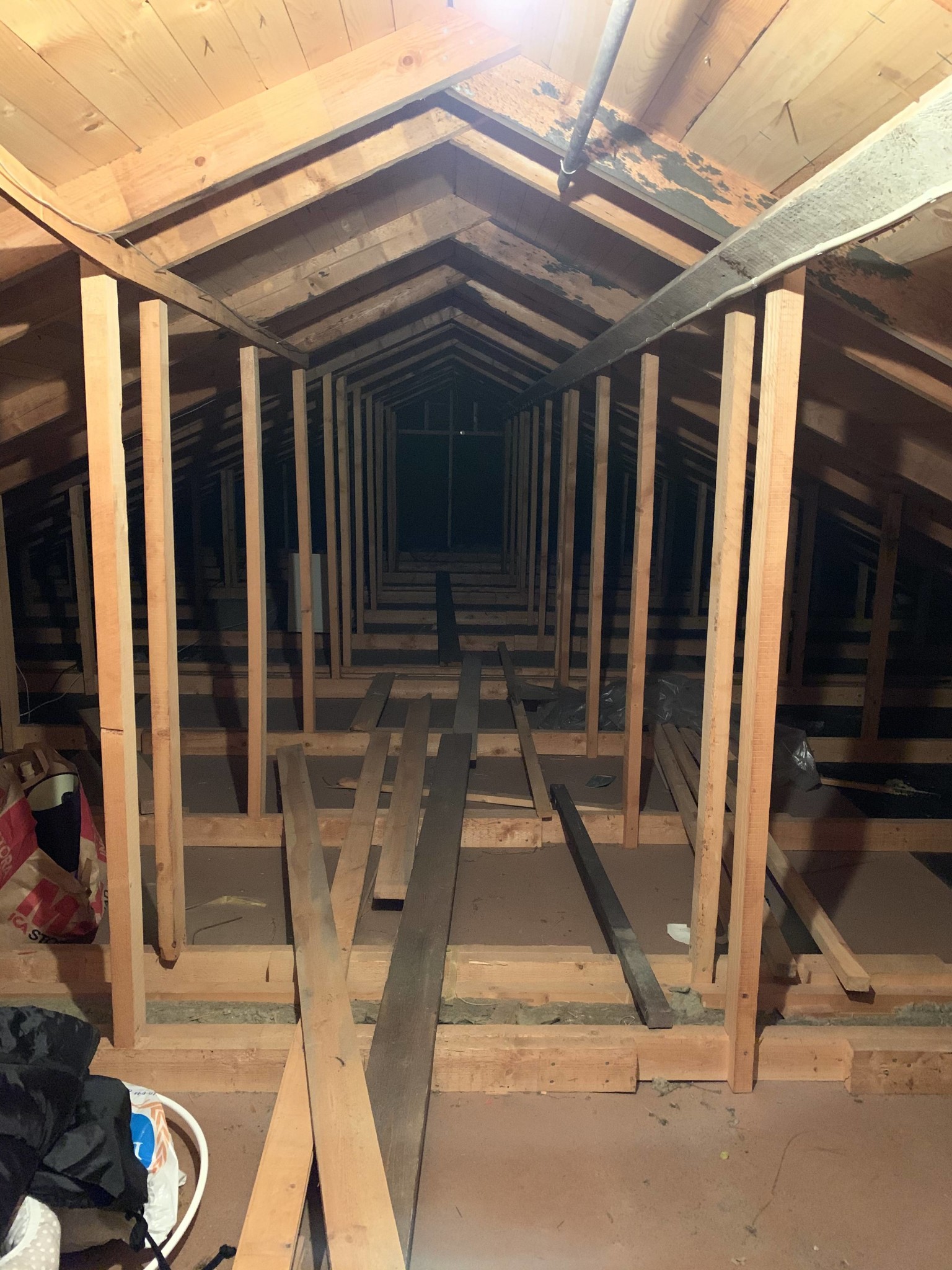
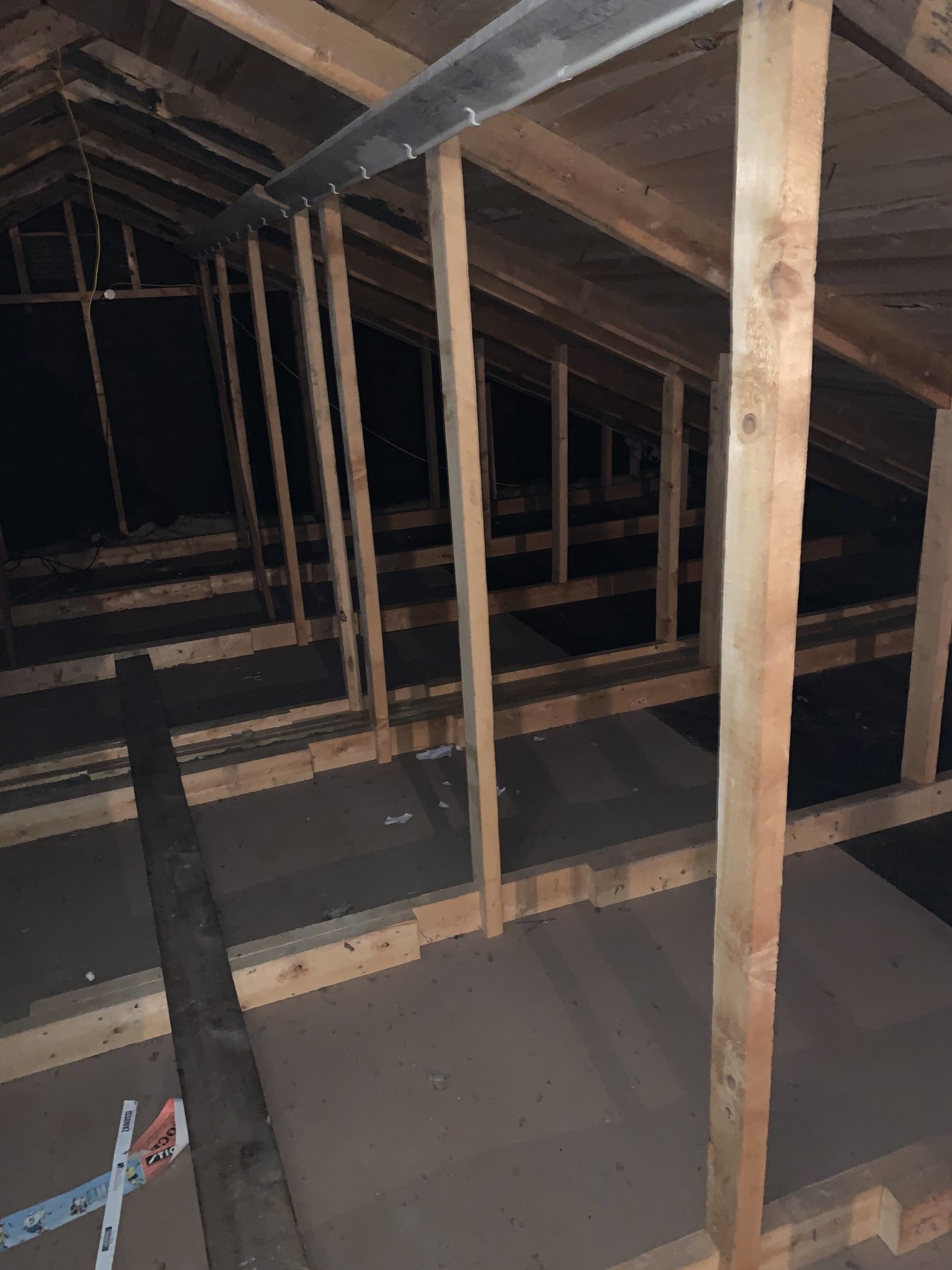
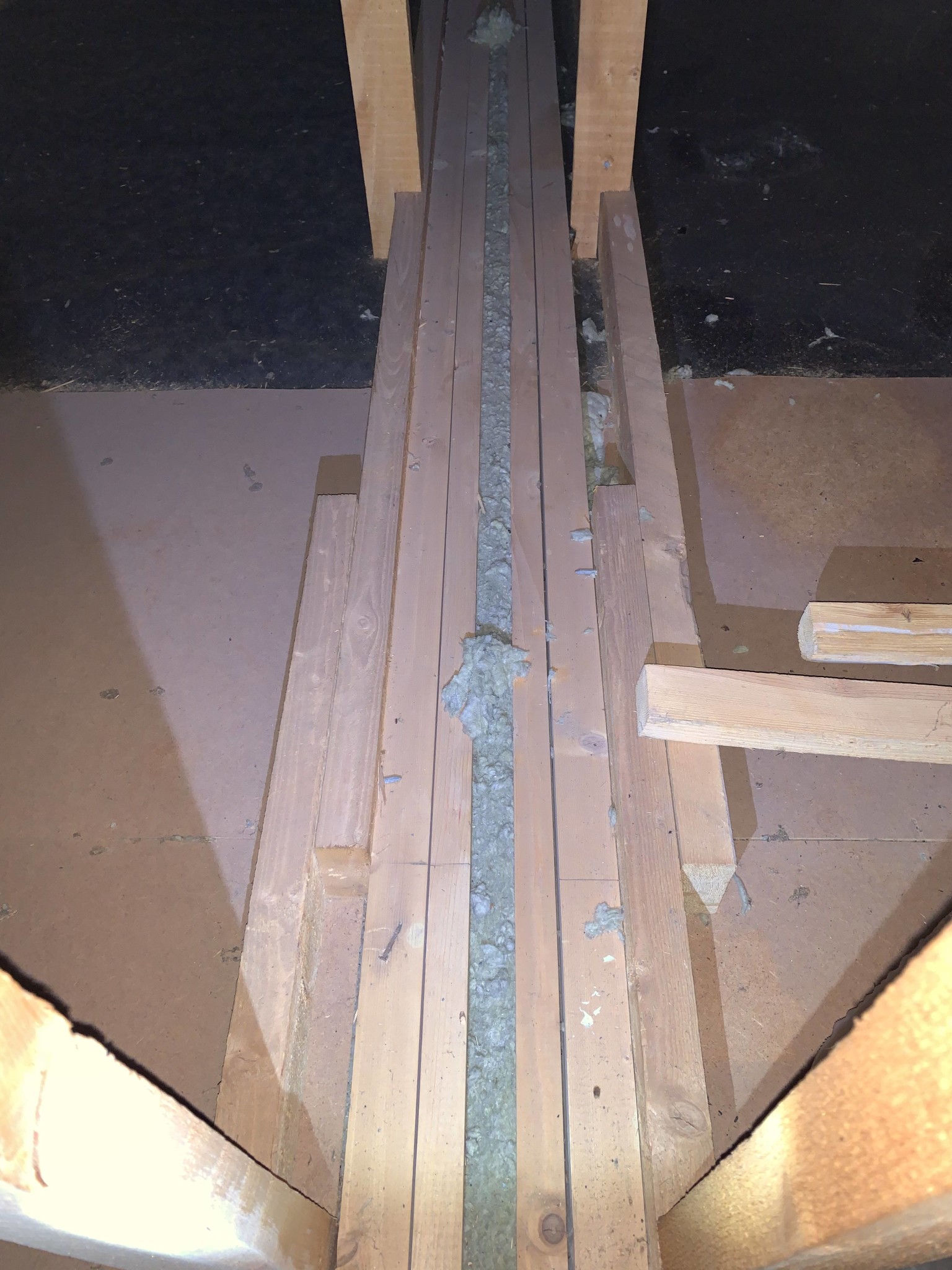
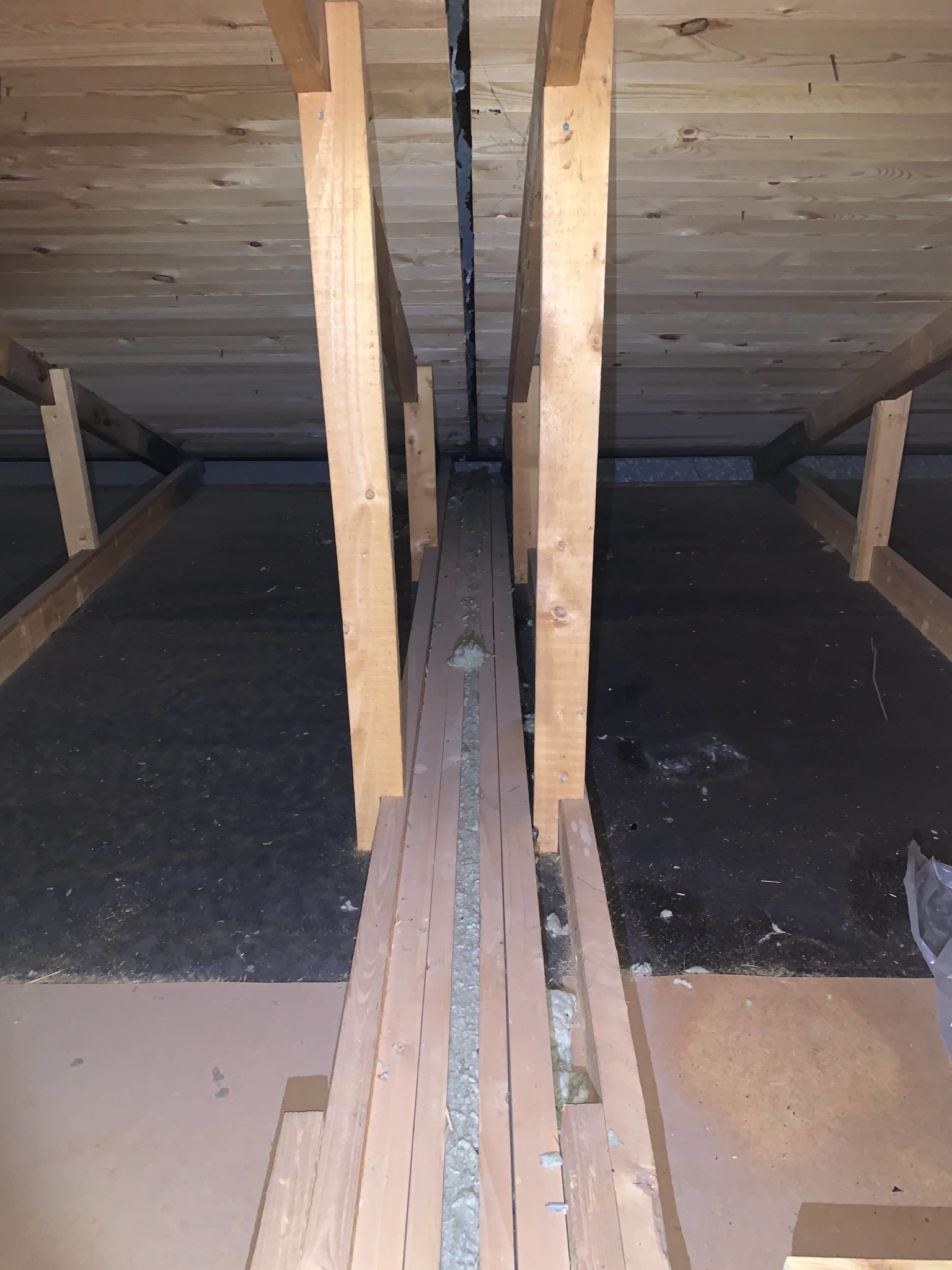
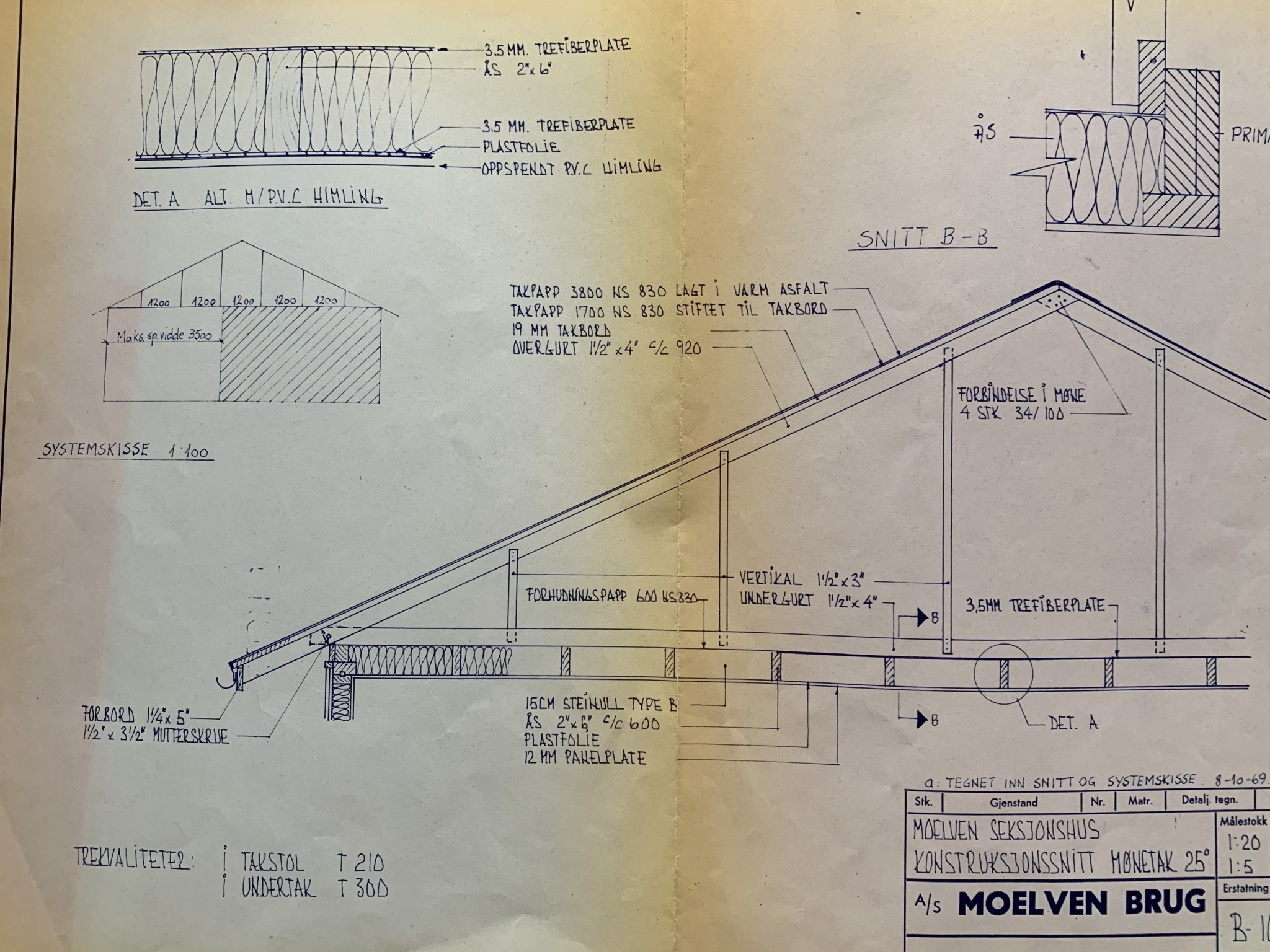
The thing is that your roof trusses are not free-standing, they need support from the house underneath.
Some of them are placed by a wall, others between the walls, in the open areas, but the latter are supported by the ceiling joists.
If too much of this support is removed, it is possible/probable that something will give in and come downwards.
I would have set up a support beam as reinforcement.
//AA
Some of them are placed by a wall, others between the walls, in the open areas, but the latter are supported by the ceiling joists.
If too much of this support is removed, it is possible/probable that something will give in and come downwards.
I would have set up a support beam as reinforcement.
//AA
Now I understand what you mean. 2 posts on either side of the room and a glulam beam is the way to go then, I guess? Then the next step is to get help with the sizing! I'll check with the carpenters next week.S saiter said:The thing is that your trusses are not self-supporting and need the support of the house below.
Some of them are positioned over a wall, others between the walls, in the open spaces, but the latter are supported by the ceiling joists.
If too much of this support is removed, it is possible/probable that something will give way and come down.
I would put up a supporting beam as reinforcement.
//AA
Yes, check with the carpenter. You might get good tips on site.
You can find a dimensioning table online.
Make sure that the pillars have a proper foundation. Otherwise, you'll have problems with the joists.
(If there's only particle board and insulation underneath.)
//AA
You can find a dimensioning table online.
Make sure that the pillars have a proper foundation. Otherwise, you'll have problems with the joists.
(If there's only particle board and insulation underneath.)
//AA

Carpenters are not reliable when it comes to the sizing of load-bearing parts; you need a structural engineer or similar. Interventions in load-bearing structures usually require you to make a building notification to the municipality, and they usually want to know how the sizing has been determined as well.Robin Berg said:
sometimes you are lucky to know skilled carpenters who have good connections with engineers. It's just that the carpenter needs to show up sometime too. HahaBirgitS said:
Carpenters are not reliable when it comes to sizing load-bearing parts, so you need a structural engineer or similar. Alterations to load-bearing structures usually require submitting a building notification to the municipality, and they often want to know how the sizing calculations were made as well.
I've got the building notification and such under control!
No point in proceeding until you have more information and see a potential start for the project.
Hi!C Clas2 said:
It never became a reality, and the house was sold in favor of a larger one.
But from what I can remember, my carpenter friend said he wanted to place a beam between the outer wall on the gable (towards the garage) and the load-bearing wall between the dining room and kitchen/guest wc. About 8 meters long.
Hope this helps.