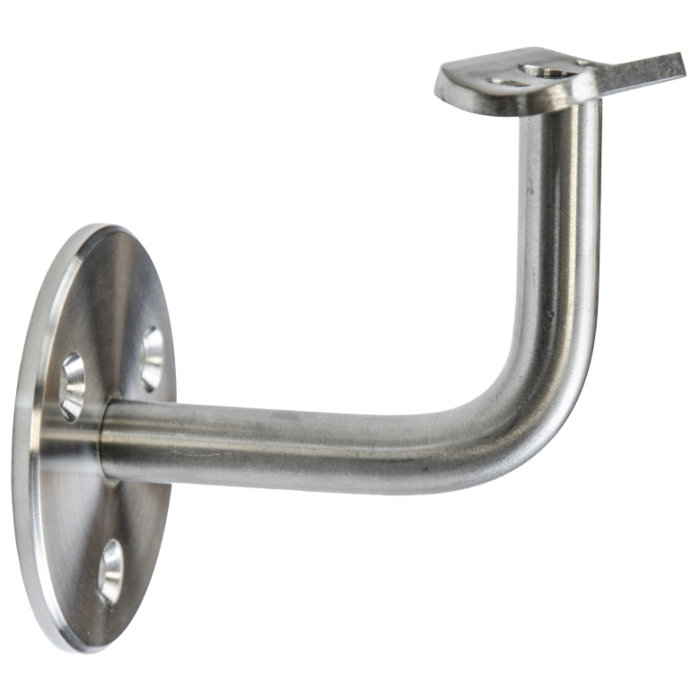
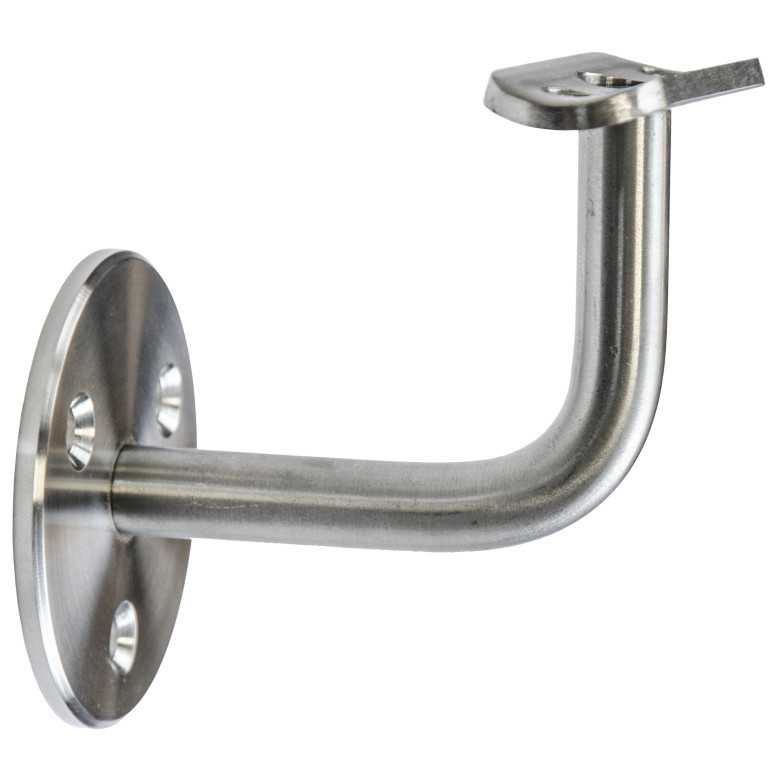
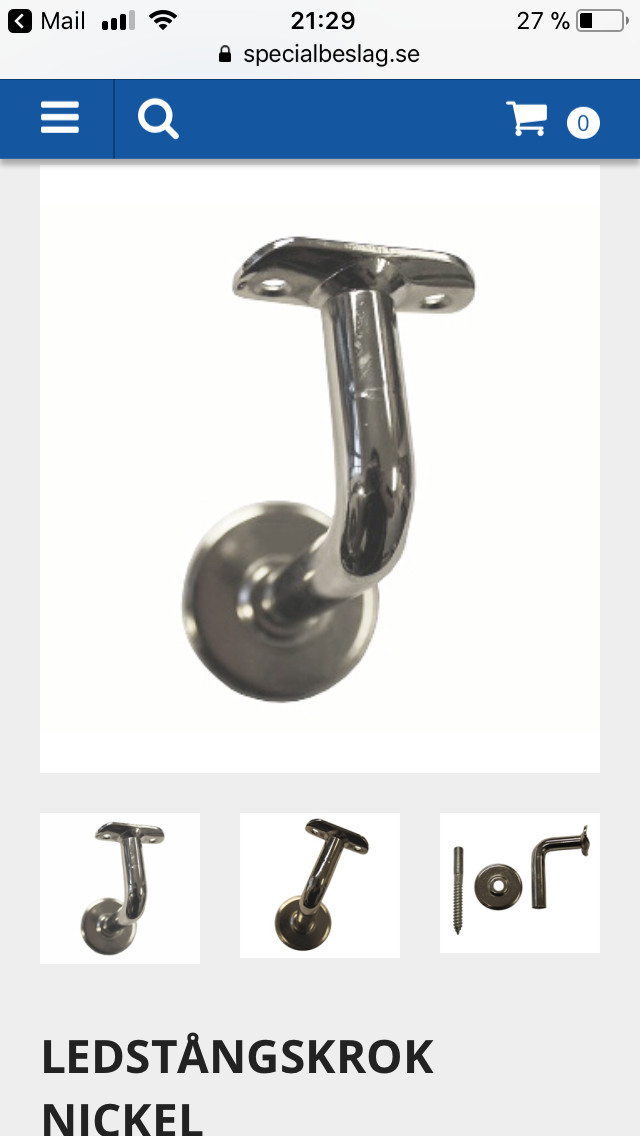
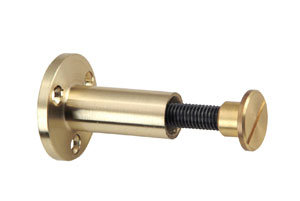
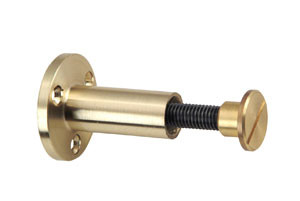
Krilleman_215 yeah that's why! I'm so glad I removed the sleeve, leaving just a slim screw, so I can attach a bracket like this, and mount the handrail. (Just hoping the bracket is hollow, so the screw can be hidden inside.
Hmm.. if those brackets are not hollow, I'll have to go to plan B and hope the threads for the included set screw are the same as the one in the wall. Never say die! I refuse to saw.
Bites probably well and good resistance and pull according to all rules, a hole will form, if you're lucky only the stud bolt comes out, otherwise a larger hole, just use mortar not filler, don't forget to dampen beforehand, and long screws and plugs, it is siporex, at least 70 mm in to make it hold well, it is something that will be under pressure that needs to stay there.
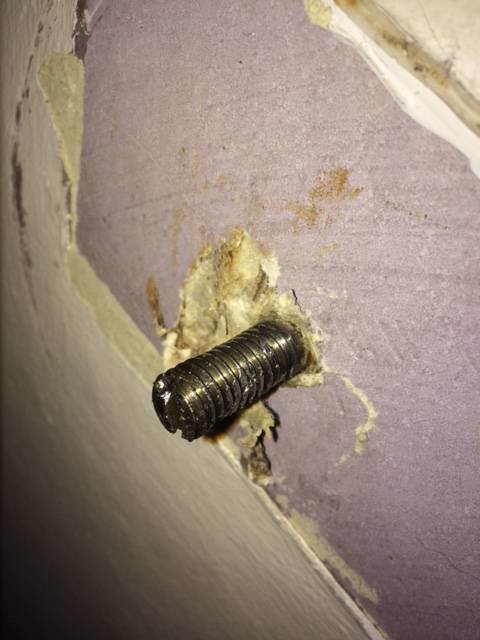
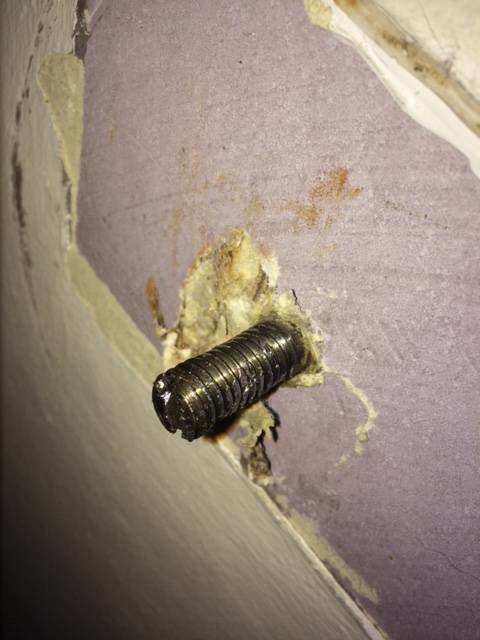
Well, continuing the thread. The pipe wrench didn't help remove the protruding screw part. Neither did two nuts locked against each other help to get the screw out of the wall. Also, couldn't find any fitting with the same holes and threads as the screw in the wall. Just as well, since the pipe wrench ruined the threads on one of the screw's end.
So now the only thing left is to saw off the protruding screw. I don't know what tool I need for this. Picture of the screw below. The only thing I have at home is a handsaw, but I understand that's not enough. What tool is needed, does anyone know?
The handsaw cannot handle iron, as you mentioned. A hacksaw with a metal blade is the solution.
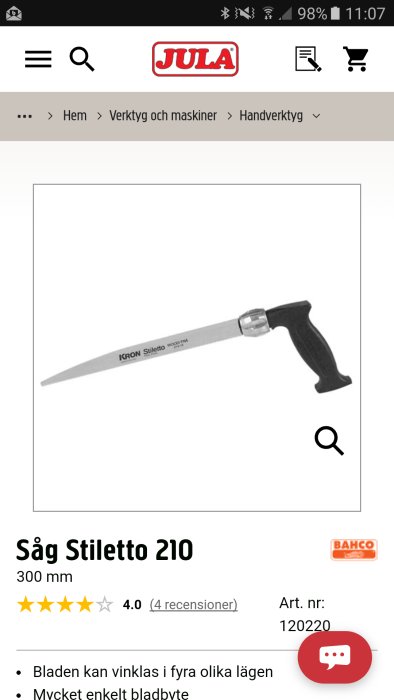
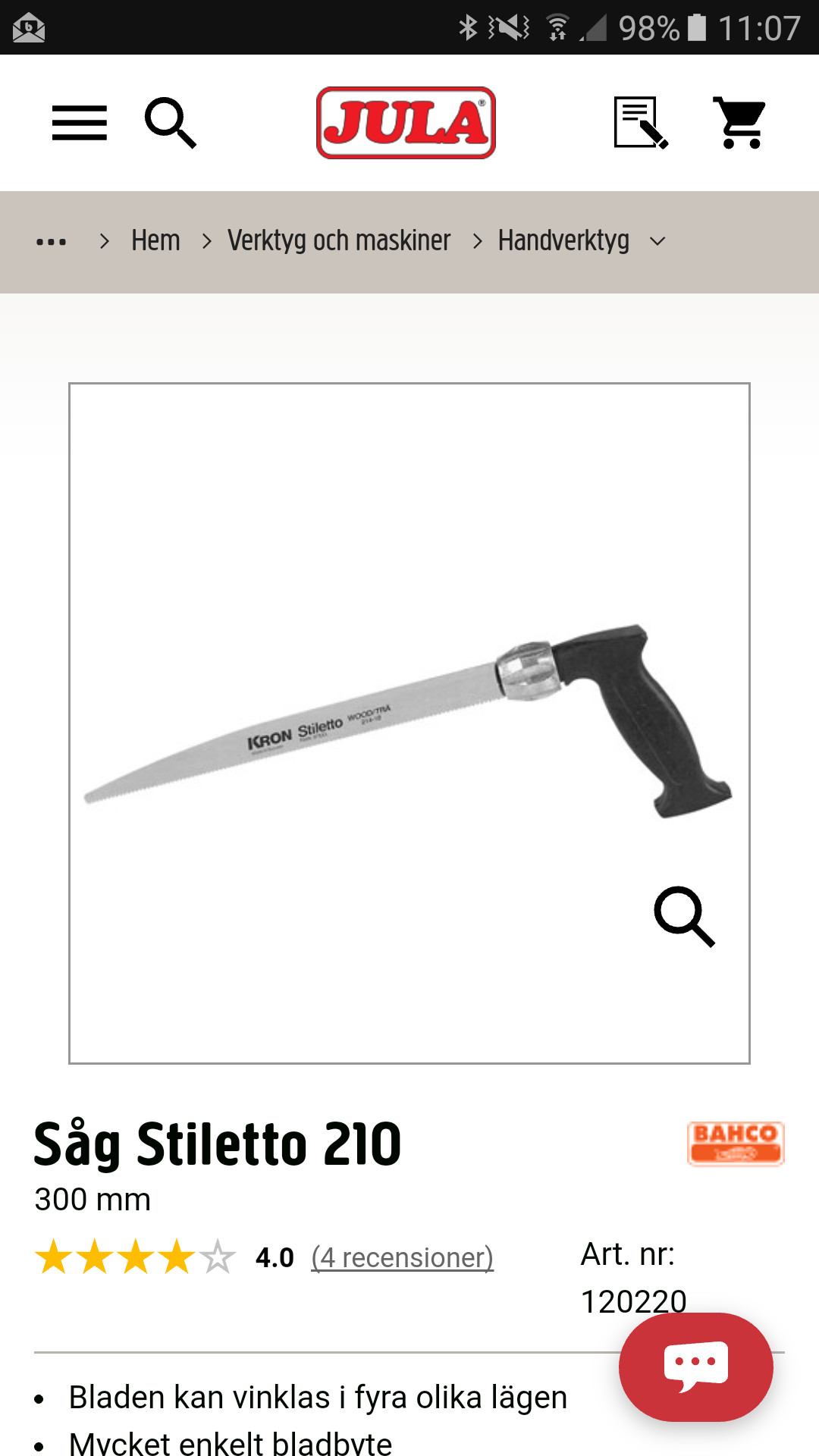
Preferably a stiletto that lacks the actual bow so you can saw as close to the wall as possible.
If you have access to a reciprocating saw, it is of course easier.
Thanks for all the answers! Unfortunately, I realize I can't handle cutting off 7 rock-hard screws from the wall, regardless of the tool. I've come up with a Plan C! I will go with these brackets, which are screwed in with three screws, and where the screw stuck in the wall can be hidden since it's hollow. However, I need to get a slightly shorter pin since the wall screw hits after a while.
The downside is that I can't have a rounded handrail as I wanted, but it will have to be one of those flat grip rails. But better than before anyway..

 (Just hoping the bracket is hollow, so the screw can be hidden inside.