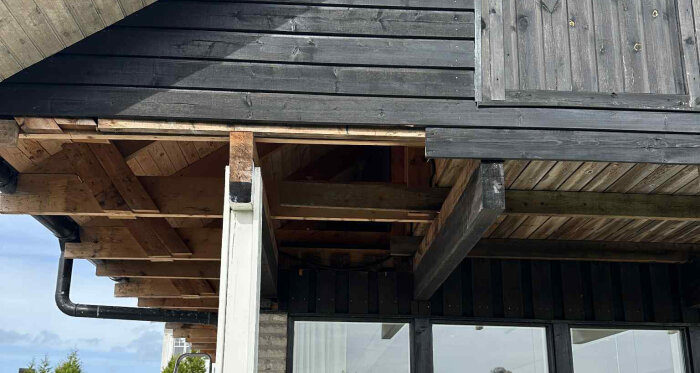
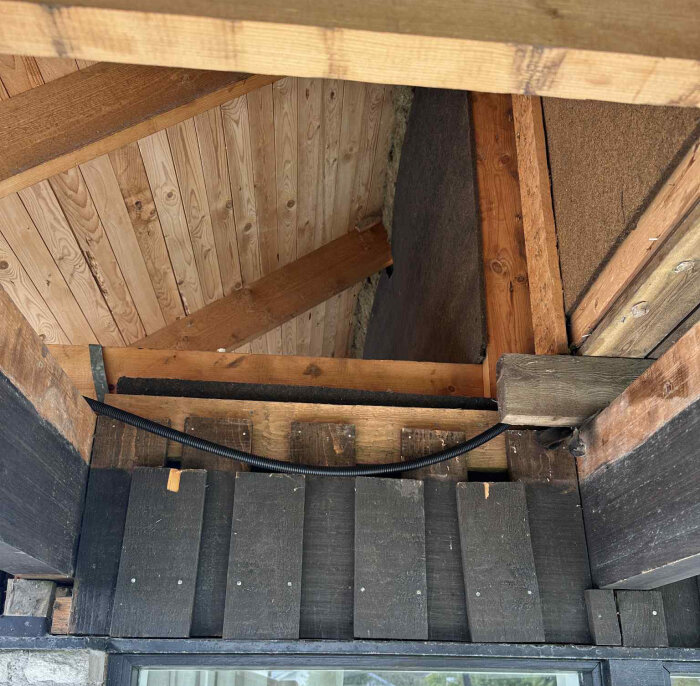
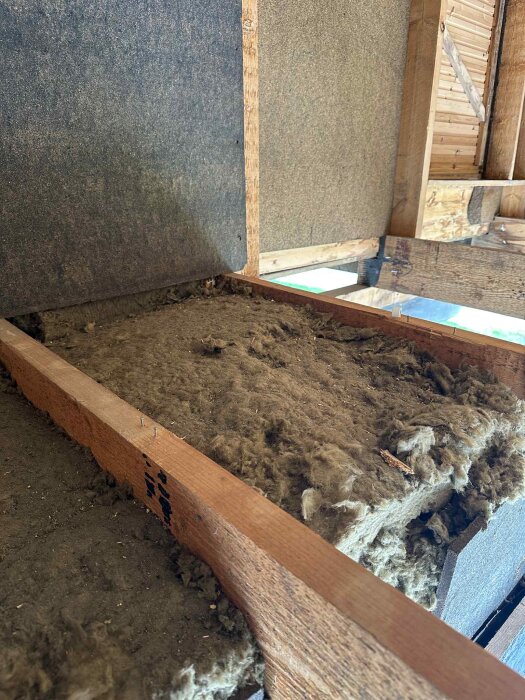
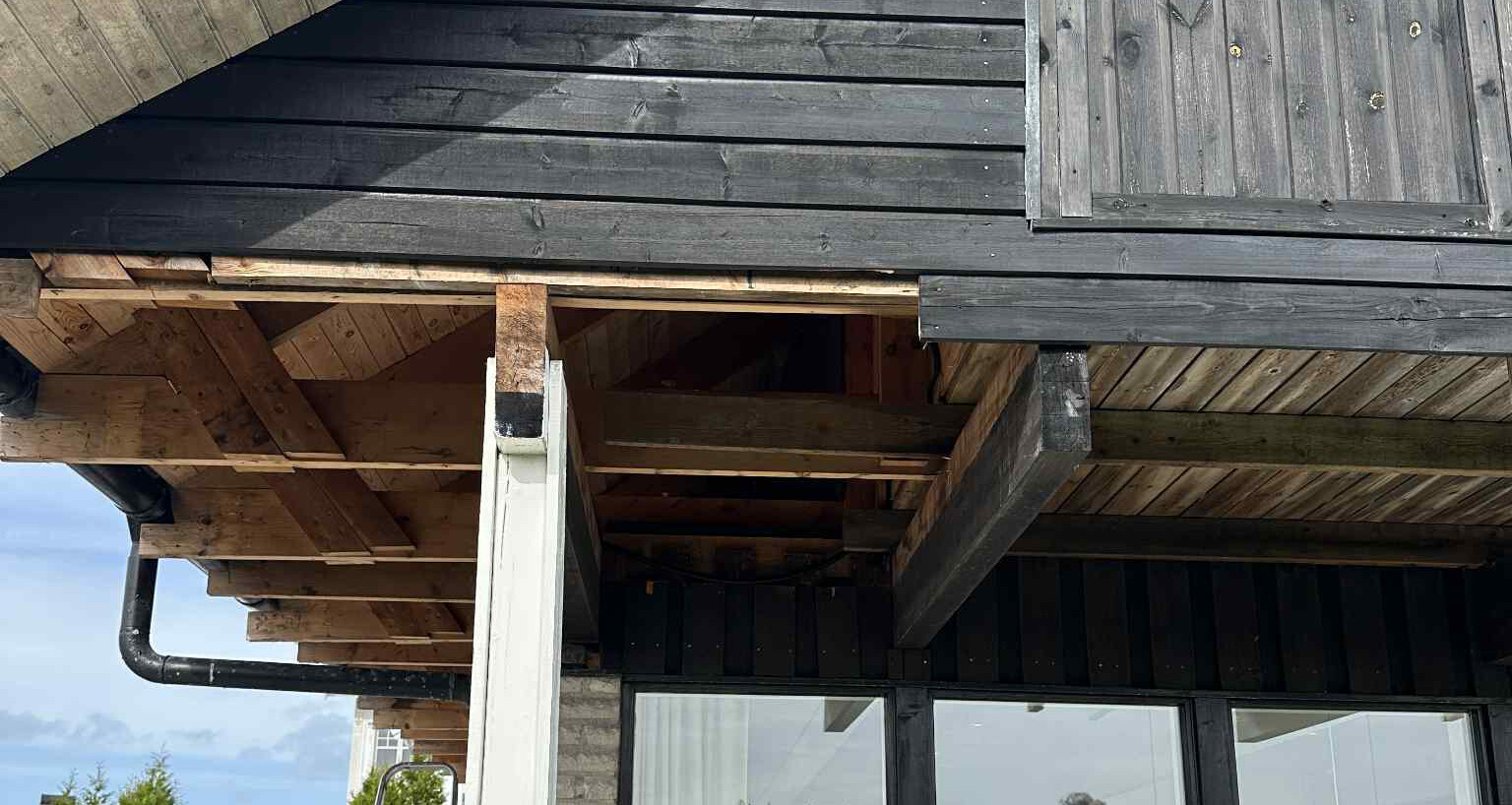
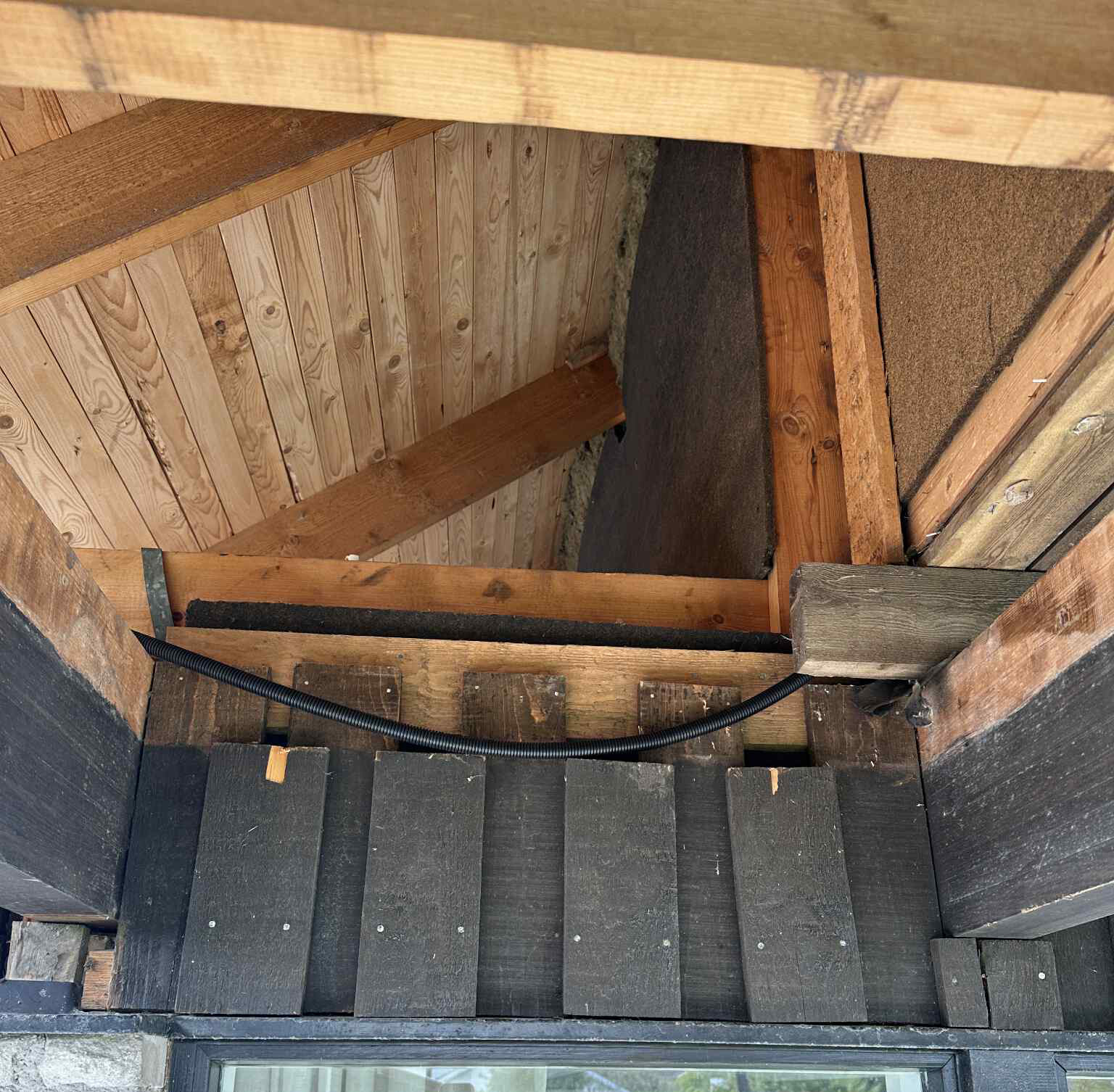
I have a 1.5-story house, where the walls on the upper floor are somewhat recessed compared to the walls on the ground floor. So there’s a kind of attic space above part of the ground floor that is currently completely open. There is insulation on the inner gypsum ceiling as the only "protection." I was thinking of laying down chipboard flooring up here to "seal in" the area a bit more, making it more mouse-proof for the winter. I also thought of placing some form of board between the beams to make it completely sealed. My goal is for it to be mouse-proof, but I also think it will become airtight.
My question is: Is it a bad idea? Does an intermediate floor need to breathe? It is completely closed on the other side of the house for other reasons, so this is the only opening left.
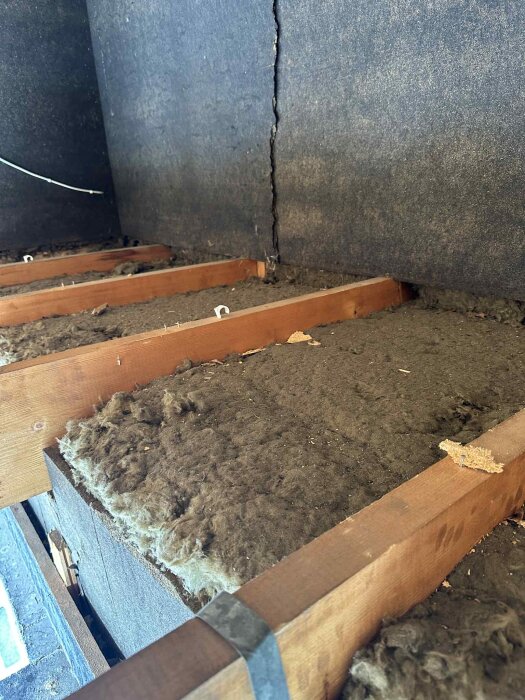
Then I wonder, as you can see in the pictures the insulation is about 45 mm below the top of the joists, so I was thinking of adding 45 mm boards before laying down the chipboard. Is that good or bad? Should there be a small air gap between the insulation and the chipboard?
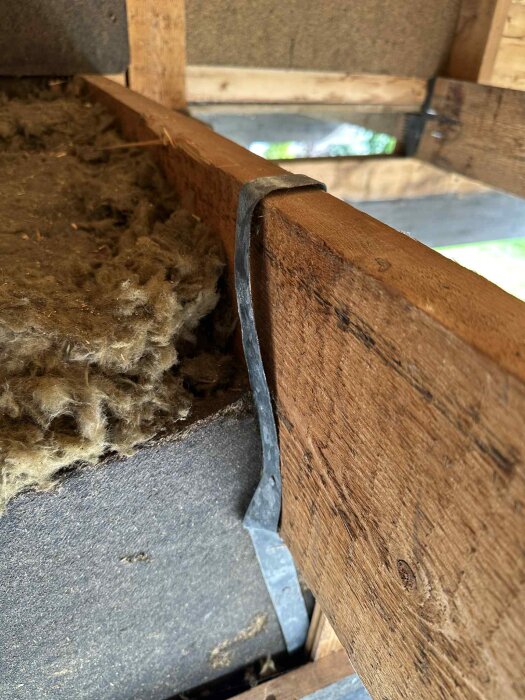
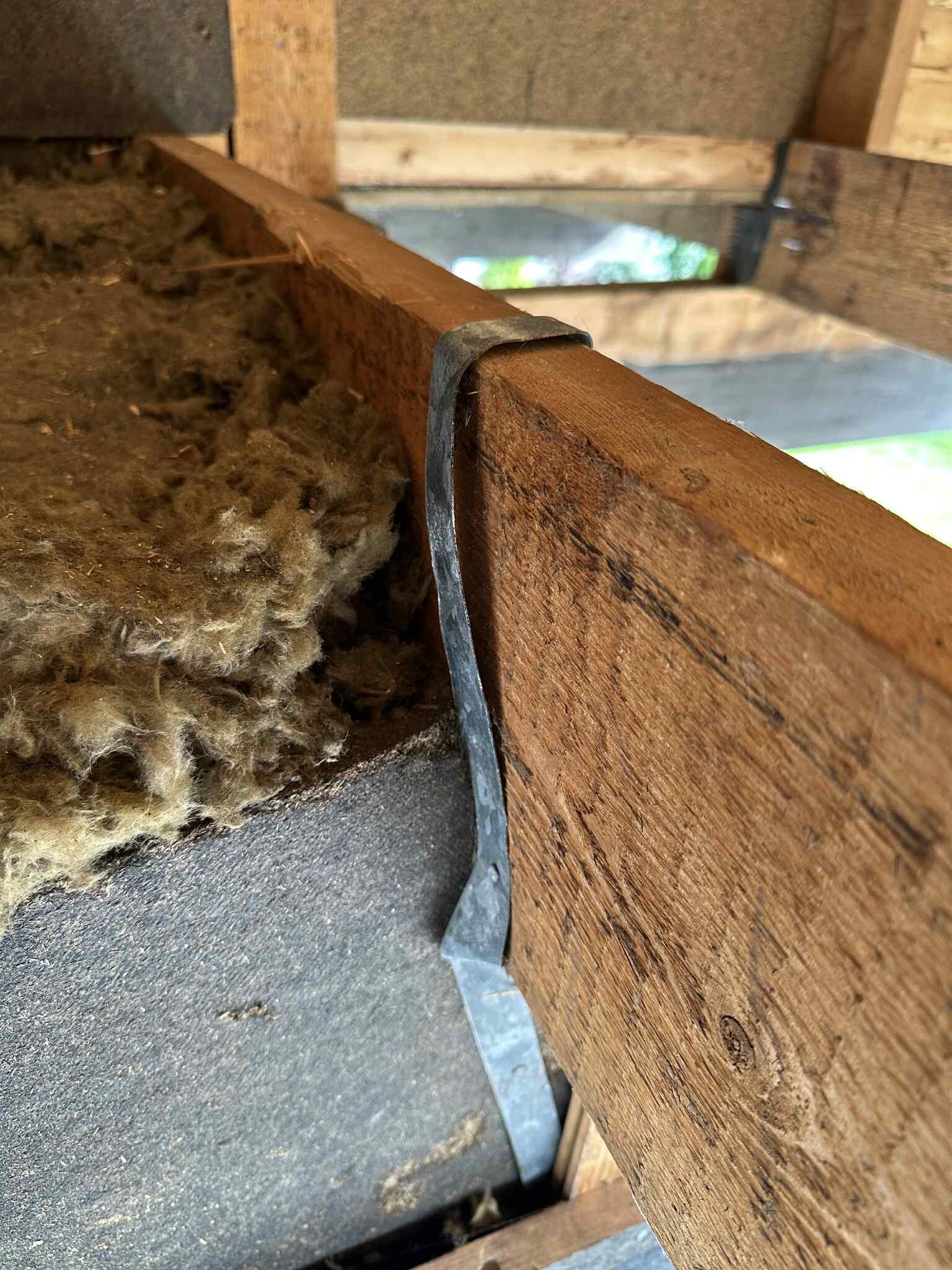
Finally, I’m wondering what the metal strip in the last picture is for? Can I remove it? It’s in the way of laying chipboard all the way out.
No, it's absolutely right. Rodents must be kept out.
AAndy1000 said:
Does a subfloor need to breathe?
No. However, it can "breathe" with the solutions you plan to use.
AAndy1000 said:
SHOULD there be a small air gap between the insulation and the floorboard?
No.
If you want to make it maximally rodent-proof, place listvirke, (= all kinds of small scrap wood available such as 45/50x45/50 triangular strips, 21x45/70/95, 28x70 (can be split), strips of asfaboard or plywood etc), in all edges and corners around, and avoid damaging the board as it offers inviting entry points easy for rodents to gnaw through. Careful strip sealing and calking also minimize drafts.
Thanks for the tips! That's great, because that's exactly what I did 😅
I'm going to apply tec-7 in all the joints as well to really seal up the small gaps between the board and studs, as I thought for the final part, I just haven't gotten around to it yet.
🤔 That's not recommended. Any form of goo is a nightmare when you or the next owner needs to tear into it. Regular reliable packing is much better. Flax packing or packing strips from some fiber insulation.
Click here to reply
Vi vill skicka notiser för ämnen du bevakar och händelser som berör dig.