
10,649 views ·
12 replies
11k views
12 replies
Fill screw holes in wooden staircase
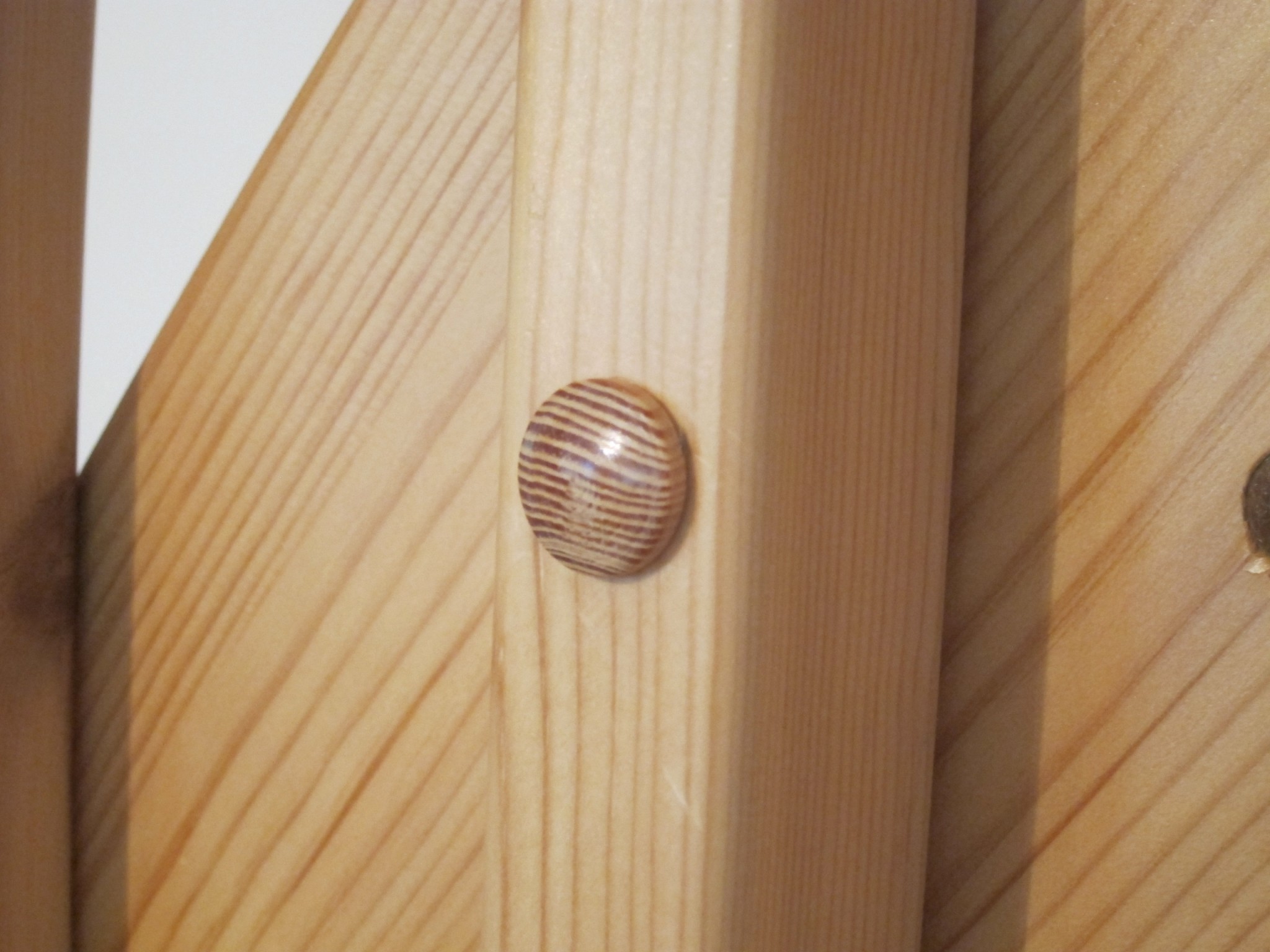
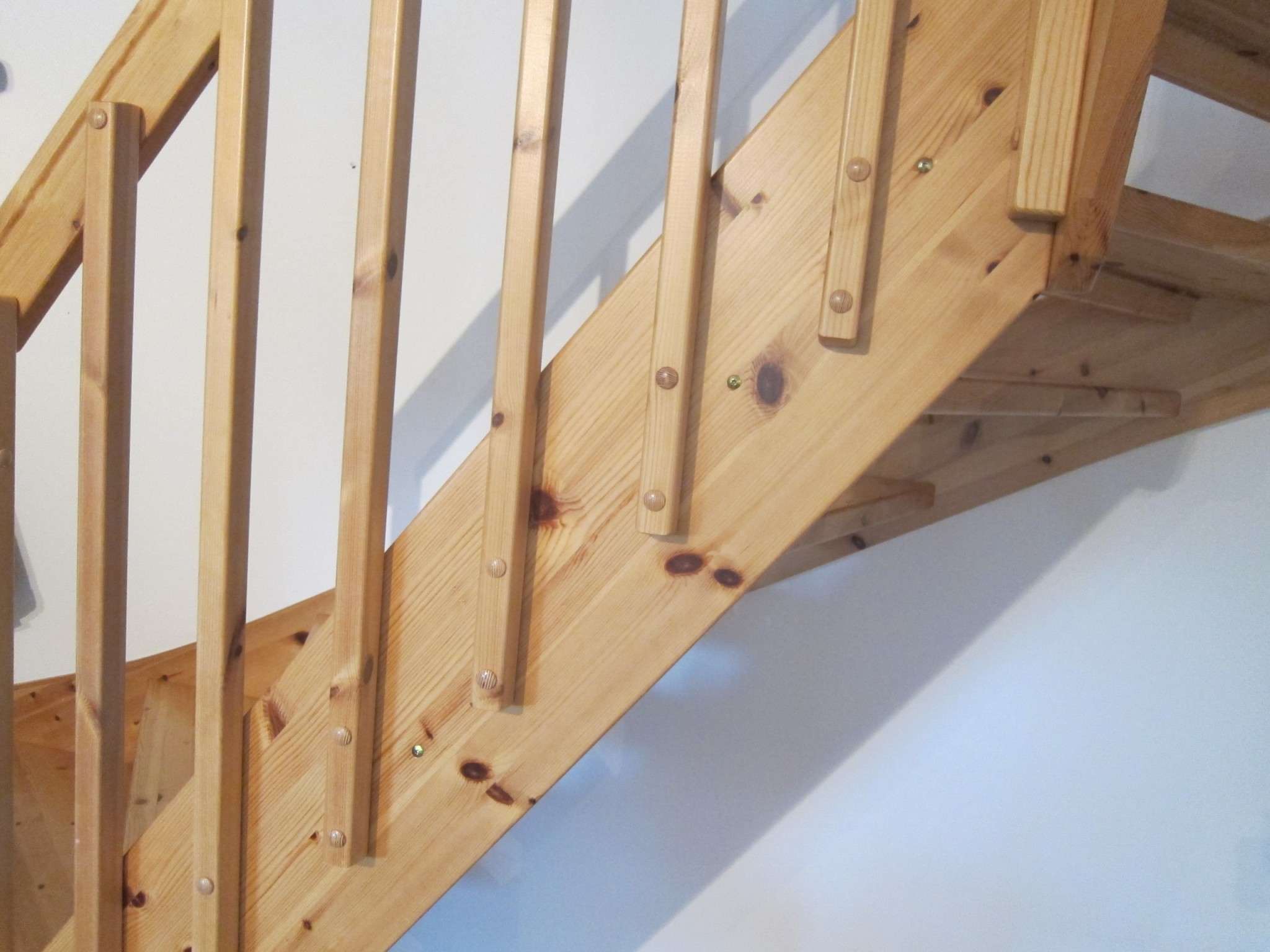
We are going to paint our pine staircase white. All the screws are sunk in holes, about 1 cm deep and 1 cm in diameter. They are covered by wooden plugs that stick out on the outside. I don't think this looks very nice. I would like to fill the holes with something that can be painted over. I considered puttying them up but the putty might crack? I thought about cutting small pieces of dowel and pounding/gluing them in and sanding them down, but that feels like a lot of work. Any other ideas?
Martin
Martin

Thanks. Good tips. Plastic Padding sounds clever. Is it easy to fill and sand? In that case, it sounds easier than drilling and sawing and pounding in and sanding down träpluggar?
Plastic Padding is easy to apply and quite easy to sand (as always with filling, spend time filling well so it becomes easy to sandköksbyggaren said:
 )
)

I would go with dowels. If the holes aren't perfect along the edges, buy a plug cutter and drill out the holes. Buy dowels and glue them in with wood glue. Dowels can be purchased at a fine woodworking shop or a builder's supply store. If you live in Stockholm, there is a workshop on Kungsholmen (Hantverkargatan) that sells small packages with both glue and dowels in the wood species of your choice. The dowels are then trimmed off with a sharp chisel.
When drilling out the holes with a plug cutter, you should drill through a template that guides the hole. It can be a small piece of plywood.
When drilling out the holes with a plug cutter, you should drill through a template that guides the hole. It can be a small piece of plywood.
That can be done.
But a tip for succeeding with the cut is to look at the grain pattern in the plug. Cut from the direction where the grain on the wood plug "swings" upwards. And cut in several steps, so you can see how the cut surface turns out. The last part is done carefully by hand with the chisel.
But a tip for succeeding with the cut is to look at the grain pattern in the plug. Cut from the direction where the grain on the wood plug "swings" upwards. And cut in several steps, so you can see how the cut surface turns out. The last part is done carefully by hand with the chisel.
Click here to reply