I am working on a houseboat project where a two-story timber frame house will be built on an assembly of three concrete pontoons. Since the concrete pontoons come in standard form, I am facing some challenges regarding the construction of the foundation and the attachment of the sills.
Ideally, I would like the sill to be attached directly at the edge of the concrete platform so that the edge facing the water acts as the foundation. However, I will need to attach the sill about 1 meter in from the edge. Since the concrete does not have any drainage, water will collect against the sills, and I foresee that this will cause problems in the future.
I have been considering building a new foundation with leca/lightweight concrete and then attaching the sills to these. However, the problem of no drainage remains. I do not want to make too many modifications to the concrete pontoon itself, as it is extremely important that moisture does not infiltrate and corrode the reinforcement. I am also very limited when it comes to the height of the house as this affects comfort, the selection of marinas, and increases wind loads.
If anyone has a smart solution for this, I would be immensely grateful!
Can you pour a new layer so you get a slope in all directions? The risk with your proposed solution as I see it is that you will still have standing water that the concrete can absorb?
Can you pour another layer so you get a slope in all directions? The risk with your planned solution as I see it is that you might still have standing water that the concrete can absorb?
That's a possibility. However, it's not regular concrete used in concrete piers as it needs to be waterproof. So standing water on the concrete shouldn't be a problem. That being said, I think that type of concrete might be a bit tricky to pour new concrete on since it doesn't absorb any water.
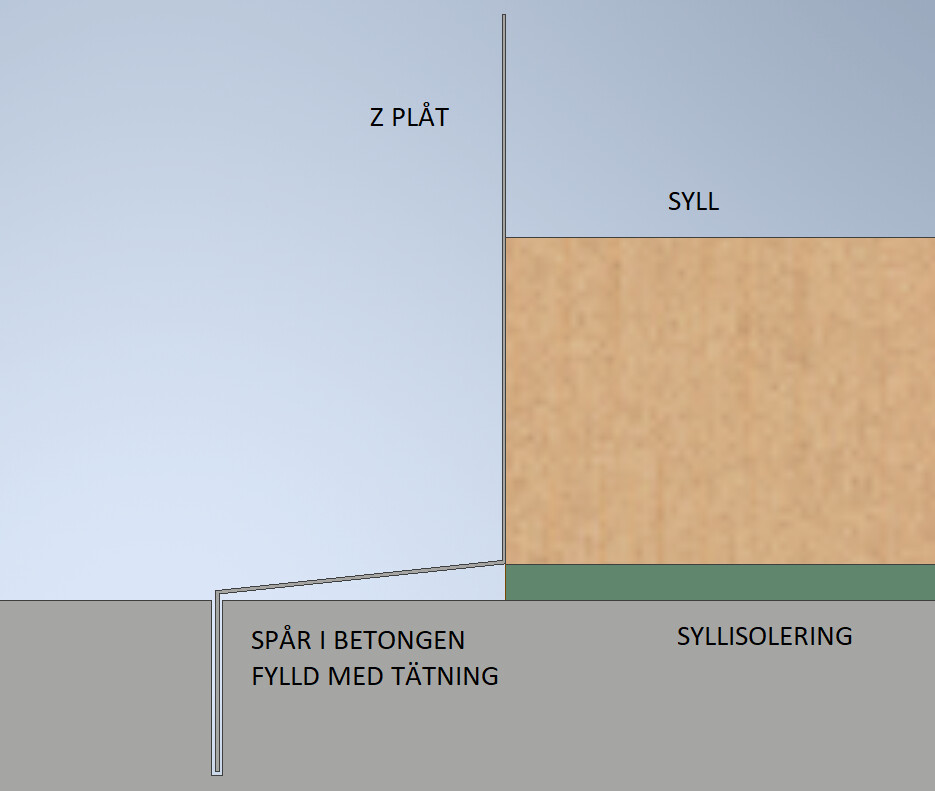
It is no problem to pour on your concrete. The best is as you planned but skip the levan and cast a waterproof edge with insulation so you have the problem solved. Alternatively, a waterproofing layer on the edge and a bit out on the concrete which you can cover with a plate for appearance's sake.
A plate is not tight enough at the seams for standing water.
It's no problem to cast on your concrete. The best is as you thought, but skip the levan and cast a waterproof frame with insulation, then you've solved the problem. Alternatively, a waterproof layer on the frame and a bit out on the concrete, which you can cover with a sheet for appearance.
A sheet is not tight enough in the joints for standing water.
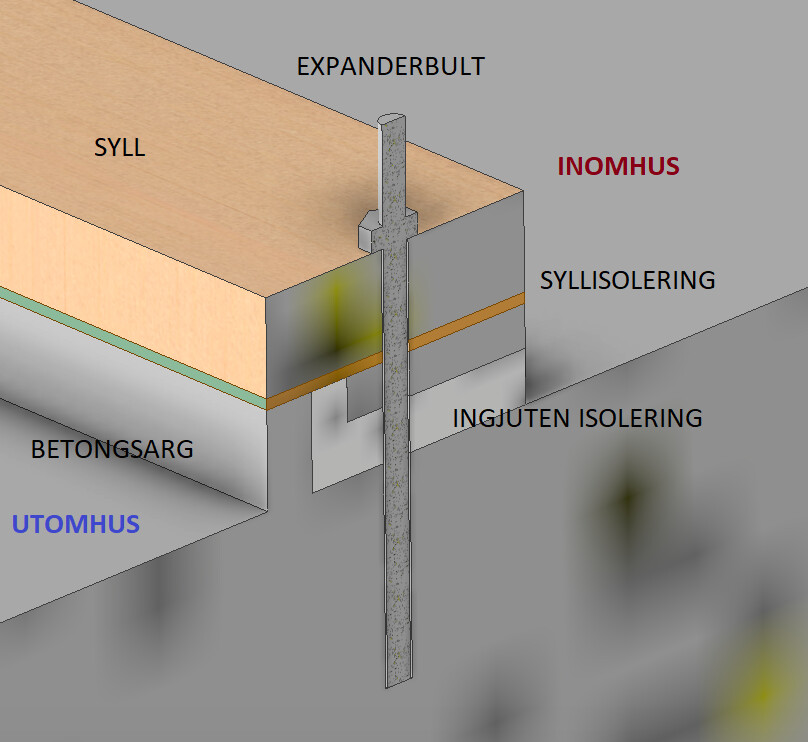
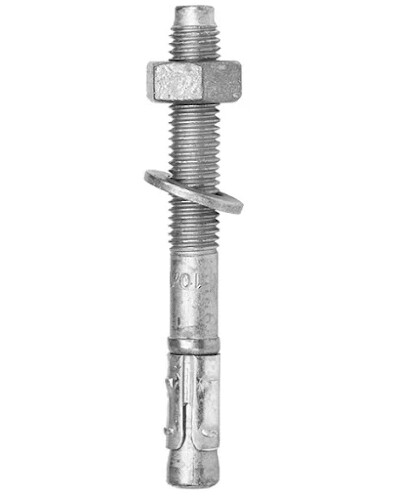
Thank you for the response! Do I understand you correctly if you're thinking something like this? Before casting, you could put down expansion bolts in the concrete bridge that both act as reinforcement for the new casting and as an attachment point for the sill.
Shouldn't you insulate downwards? I would probably consider casting a solid, well-reinforced pier to place the house on; you don't want the piers to be able to move individually. If you cast them together, that should be sufficient.
Aren't you going to insulate downwards? I would probably consider casting a solid, well-reinforced footing to place the house on; you don't want the docks to be able to move individually. If you cast them together, it should be sufficient.
Hello Liljeros and thank you for your input!
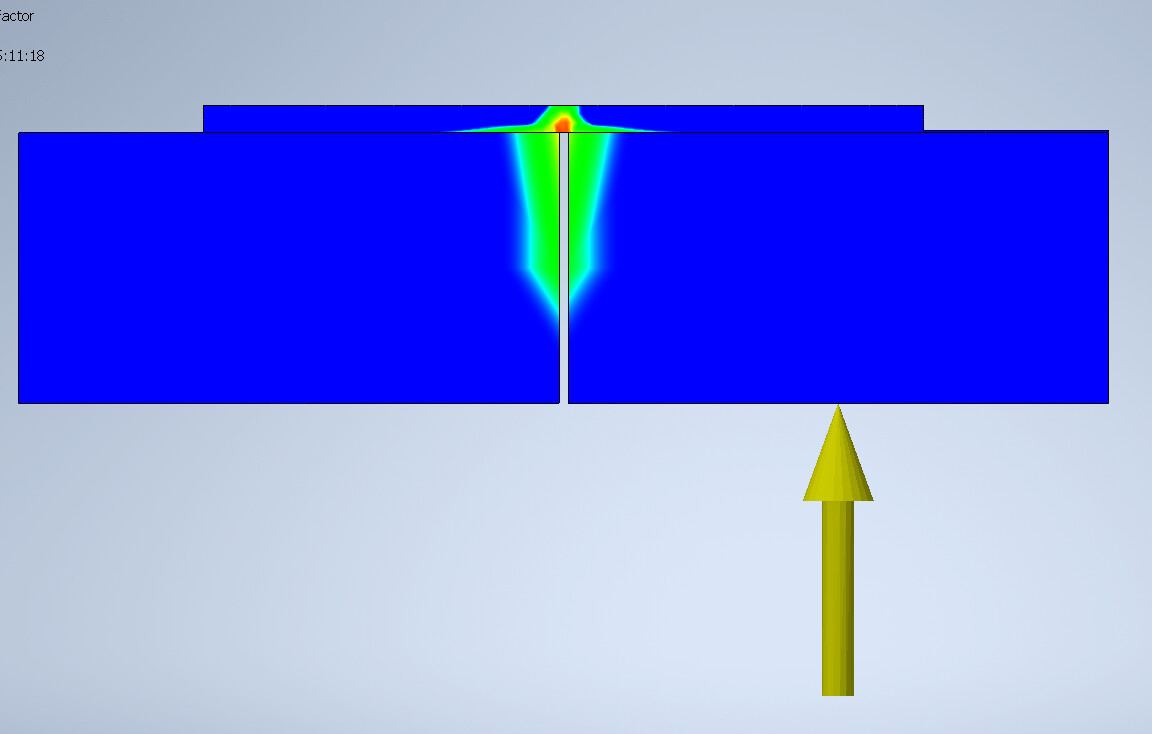
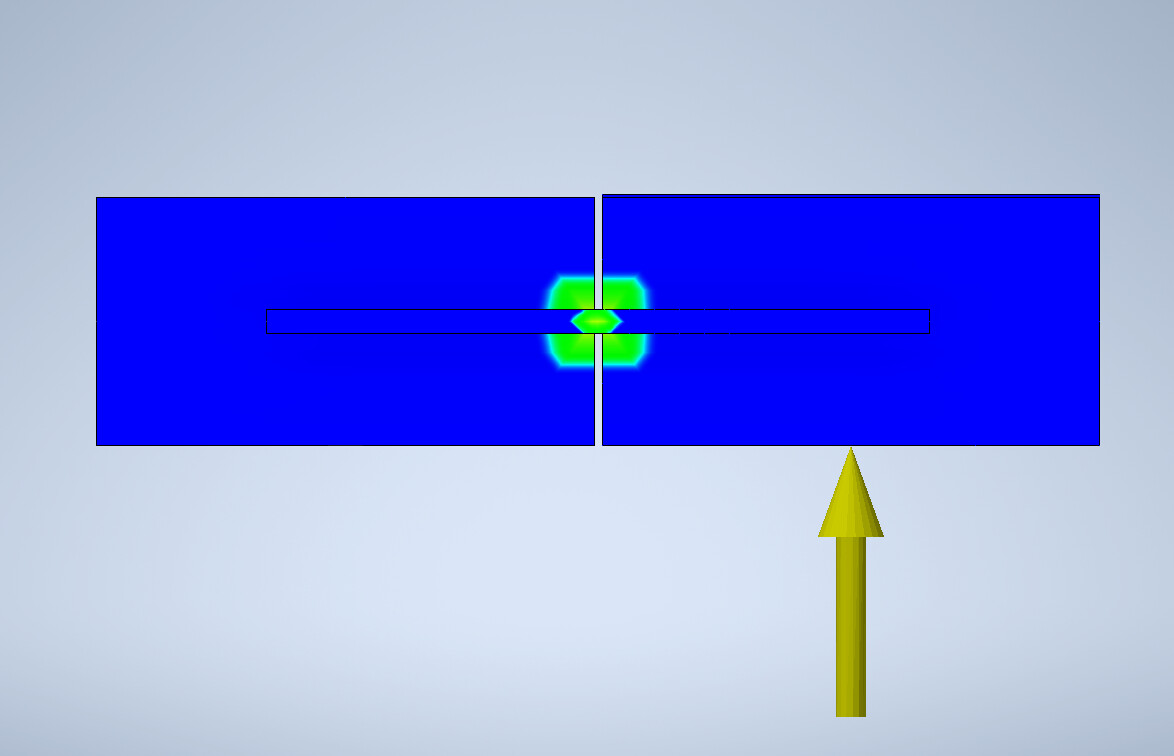
I will most likely need to connect the docks with a strong steel beam along the short sides to prevent individual movement. There are quite large forces when a wave moves perpendicular to the docks, and I prefer to absorb this force as close to the center as possible.
Force absorption in the footing vs an external beam
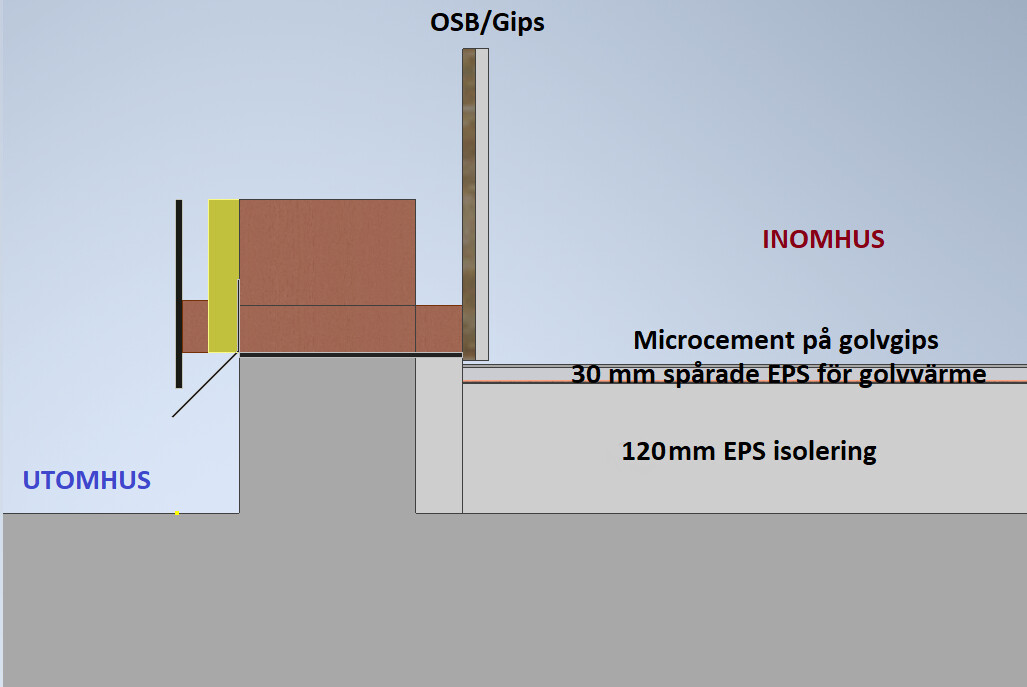
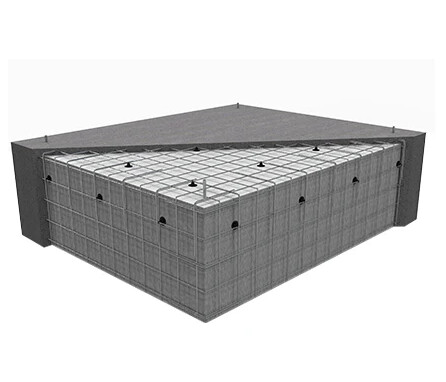
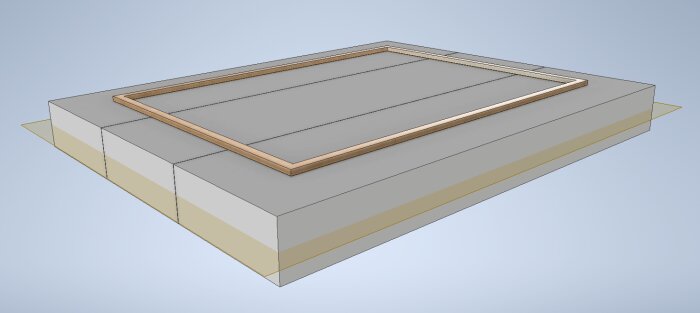
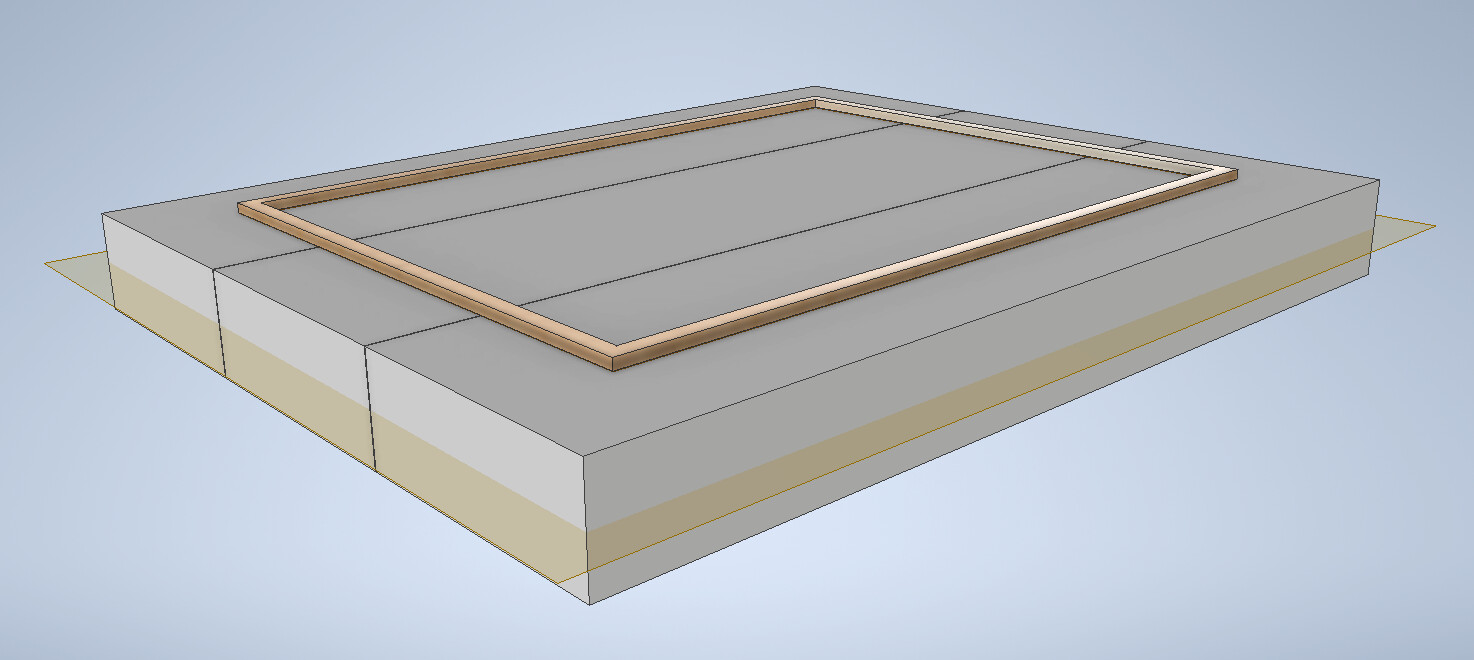
The docks have a core of EPS that is about 1 meter thick. Around this, there is reinforced concrete with a wall thickness of 8 cm. So downwards, they are very well insulated. The problematic part, however, is that heat will be conducted along the surface layer of the concrete slab and through the new concrete footing. I want to keep the building height as low as possible, so I've set the height of the footing to 15 cm. I plan to add insulation under the underfloor heating until reaching a reasonable height at the front door threshold. I would gladly receive input on this solution!
Proposed construction
Construction of concrete dock with internal EPS
Click here to reply
Vi vill skicka notiser för ämnen du bevakar och händelser som berör dig.

Viktor.J said:
Matti_75 said:
It's no problem to cast on your concrete. The best is as you thought, but skip the levan and cast a waterproof frame with insulation, then you've solved the problem. Alternatively, a waterproof layer on the frame and a bit out on the concrete, which you can cover with a sheet for appearance.