
15,248 views ·
30 replies
15k views
30 replies
Expander for drywall doesn't work, why...?

Is it single or double plasterboard, the first almost impossible to secure an expander in so it stays firm, with double it usually works. Get what's called a butterfly, and long screws, available without hooks too, but I can't remember the name now and they're often used in the electrical trade, others might know. It should be tightened moderately so it just grips lightly. It unfolds on the backside and clamps, there may be several depending on what needs to be fastened.
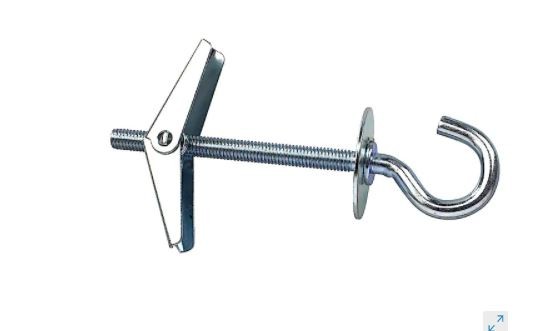
thanks! I'll check with the hardware store!J jonaserik said:Is it single or double gypsum? With the first, it's almost impossible to secure an expander so it stays fastened; with double, it usually works. Get so-called butterfly bolts and long screws, they are also available without a hook, but I don't remember the name now, often used in the electrical trade, others might know. They should be tightened moderately so that they only grip lightly. They unfold on the backside and fasten securely; there might be several depending on what needs to be attached
Otherwise, there are special ones in steel specifically for single plasterboard..
https://sandbergsjarn.se/produkter/...lC1_n9RAioI33Vuz6tdiykESF7xdEviRoC7UYQAvD_BwE
https://sandbergsjarn.se/produkter/...lC1_n9RAioI33Vuz6tdiykESF7xdEviRoC7UYQAvD_BwE
Yeah, but shouldn't the screw be long enough to go through the end of the expander? It will be +45 with the stud. +expander's length.Violina said:
That type works, but to make it secure, it needs to be fastened with a so-called mollytång, which attaches and tightens it correctly. The downside of this is that it is practically impossible to remove if needed. The butterfly type I mentioned also comes in a plastic version often used in the electrical field, but I don't have the E-number for it right now. A longer screw is needed; first, you drill into the stud and mark the holes on the board. Then the screw and fastener are placed in the stud and threaded into the hole, it should go in so far that the wings fold in and tighten until you feel some resistance.
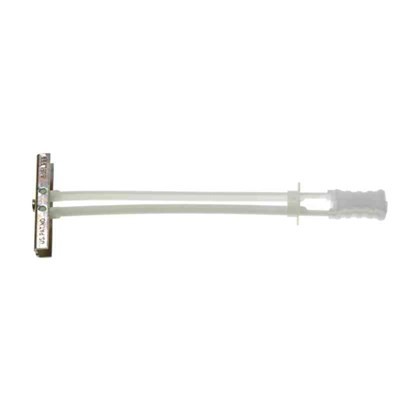
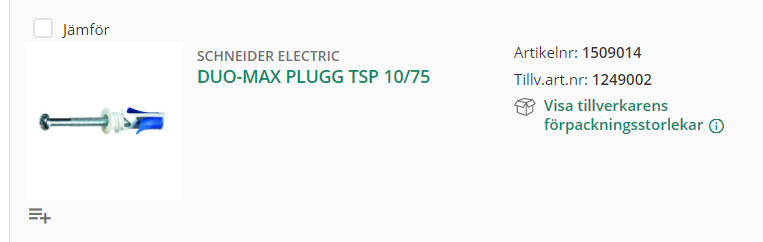
hi,J jonaserik said:That type works, but to make it effective it must be secured with a so-called mollytong which attaches and tightens it in the right way. The drawback of such is that it is almost impossible to remove if needed. What I mentioned about the butterfly also exists in a plastic variant that is widely used in the EL side but I don't have an E-number for it now. In this case, a longer screw is needed; you first drill into the joist and mark the holes in the board, then the screw and fitting are set in the joist and inserted through the hole. It should go in far enough for the wings to unfold and be tightened with the screw until you feel some resistance.
Thanks! I'll check those out today.
If you don't want to get a longer screw, you can, for example, drill a hole about 15-20mm into the rule approximately 30mm deep, then you only need a molly that can grip 15mm of wood.J jenbod91 said:
Use Molly instead. You can expand the anchor first, and then attach the stud in the next step.J jenbod91 said:Hello,
Right now I'm building a wall. I have a 45x70 stud that needs to be attached to a drywall.
I've tested two different drywall anchors and expanders. Different lengths of screws, but nothing works. You can just pull out the stud with ease. So, the anchor hasn't expanded, and the screw just "spins" when you tighten it to the max.
What am I doing wrong?
Any other tips to attach the stud to the drywall?