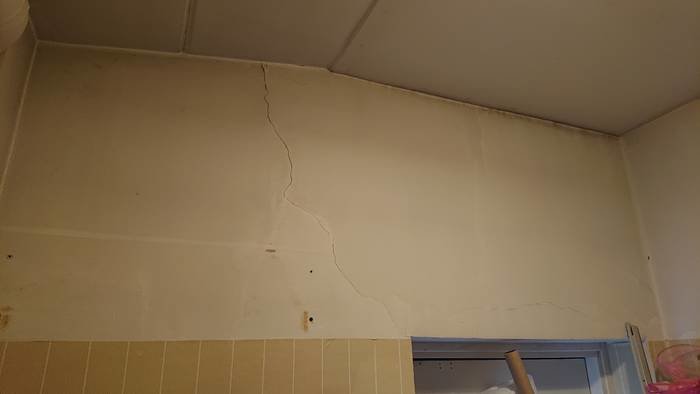
I have a large crack (quite long and about 1-3 mm wide) on the inside of an outer wall (the wall is made of plastered concrete blocks or brick, I think), and I've been advised to use "elastic filler." Unfortunately, the advice wasn't more detailed than that ("use elastic filler" was written on a note). I wonder what is meant by this? Is it a common flexible sealant (that can handle larger cracks), or are we talking about something completely different here? It's indoors, so there's no need for something that withstands moisture.
The plan is to fix the crack somehow and then glue a renovation fabric on top, and then paint.
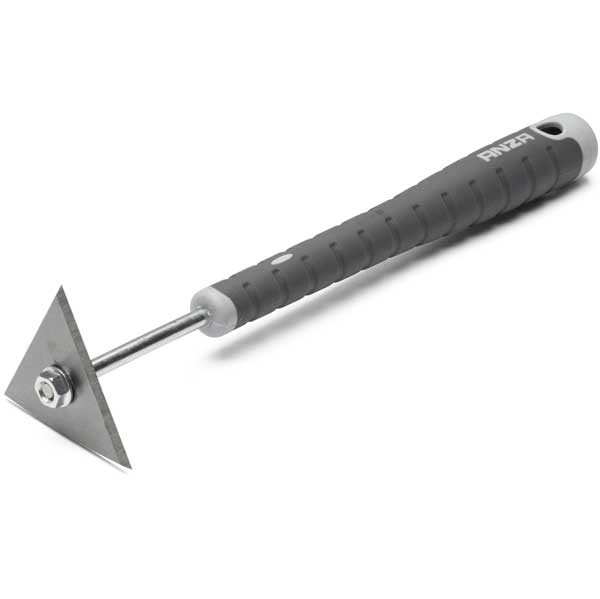
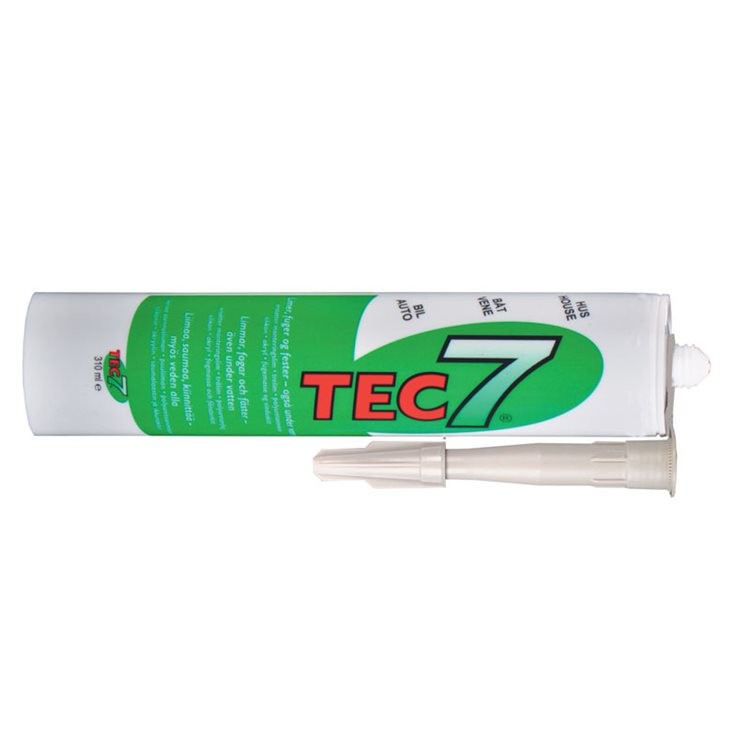
I have successfully fixed cracks by scraping out the crack with a paint scraper and then filling the gap with Tec7.
It's easy to putty and sand if needed.
Do you even need to fix the crack if you're going to have wallpaper? The most important thing is to find out if the wall is moving, because then the wallpaper will eventually crack as well...
Common filler, but acrylic-based I assume? Otherwise, there's a risk of cracks reappearing due to movements in the structure.
Tec7 was a great tip, but maybe a bit overkill since I'm not using it outdoors. I have some acrylic caulk/latex caulk at home that might work for this purpose? Or am I off track? I'd prefer to use what I already have at home instead of buying new products that I might not finish using and could go bad/old
Do you even need to fix the crack if you're going to have wallpaper? The most important thing is to find out if the wall is moving, because then the wallpaper will eventually crack too...
Yes, the wall does move a bit, otherwise it wouldn't have cracked. Therefore some repair/filling material that can withstand movement is needed.
My question is what I should use as filling material: soft caulk/acrylic caulk or something else? And the million-dollar question: "what is meant by elastic filler" - that's what I want an answer to
I have used construction sealant where I have needed a more elastic joint and for larger gaps that need to be filled.
Latex/acrylic/painter's caulk tends to crack/separate depending on quality/price is my experience.
Has the plaster come off? Does it sound hollow if you tap around the crack compared to other areas?
Yes, the wall does move a little, otherwise it wouldn't have cracked. Therefore, a repair/filler material that can withstand movement is needed.
My question is what I should use as filler material: soft sealant/acrylic sealant or something else? And the million-dollar question: "what is meant by elastic filler" - that's what I want an answer to
He
Solvskaftet said:
I have used construction sealant where I needed a more elastic seal and when there are larger cavities to be filled.
Latex/acrylic/painter's sealant tends to crack/come loose depending on quality/price in my experience.
Has the plaster come loose? Does it sound hollow if you tap around the crack compared to other places?
The plaster has come off a little right around the crack, so I'm going to scrape away/gouge out to fill in. Construction sealant seems sensible!
Click here to reply
Vi vill skicka notiser för ämnen du bevakar och händelser som berör dig.




Solvskaftet said: