Hello
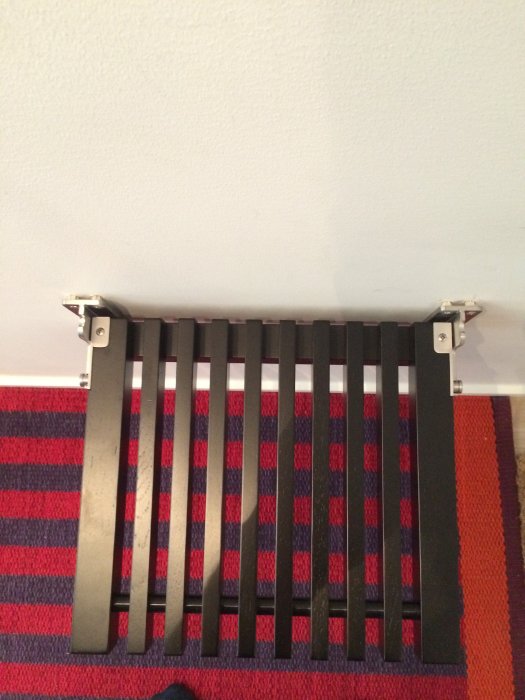
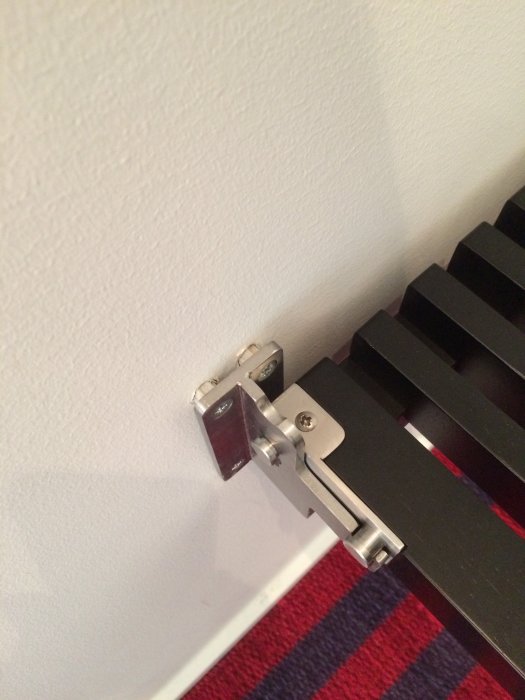
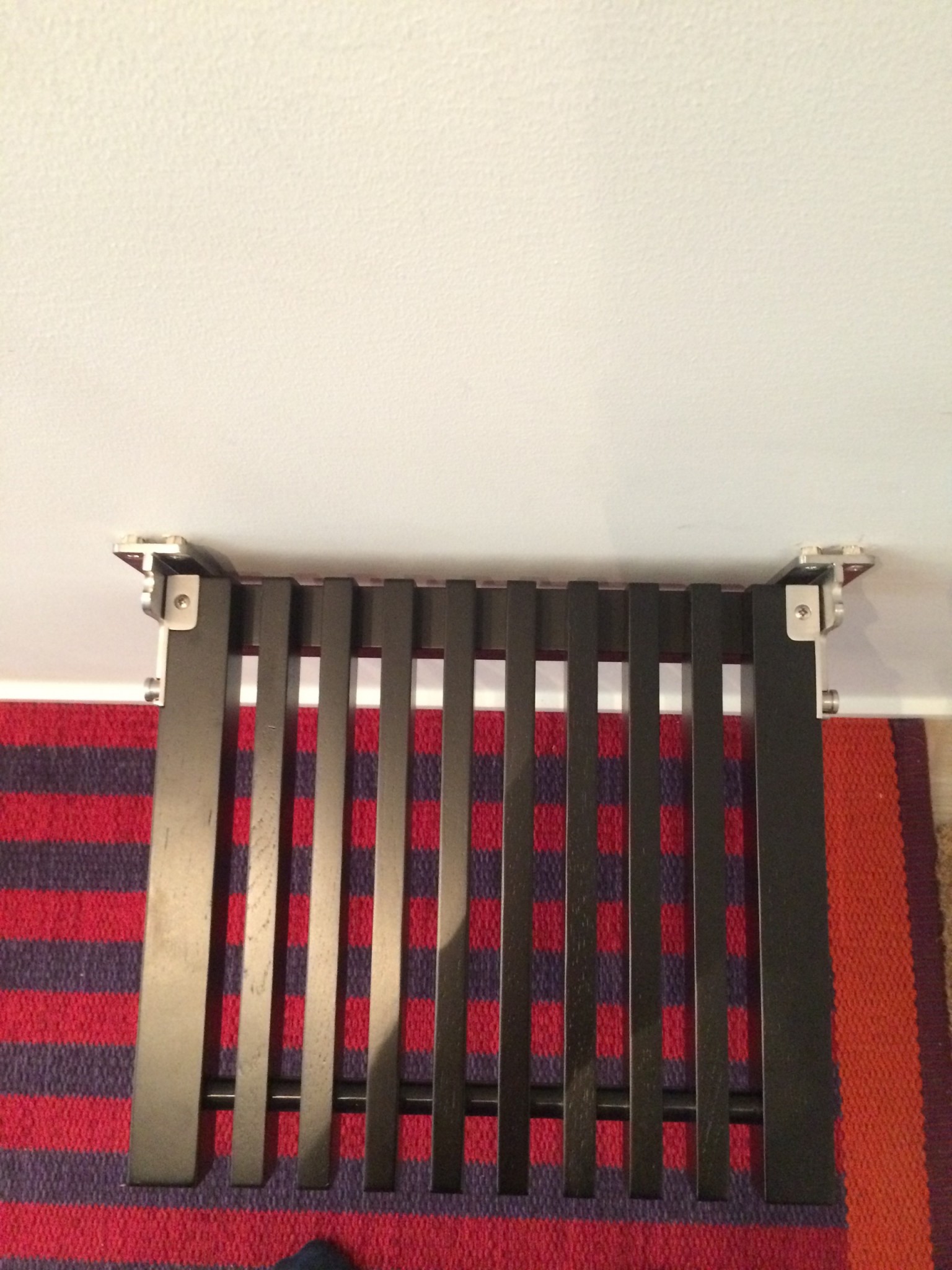
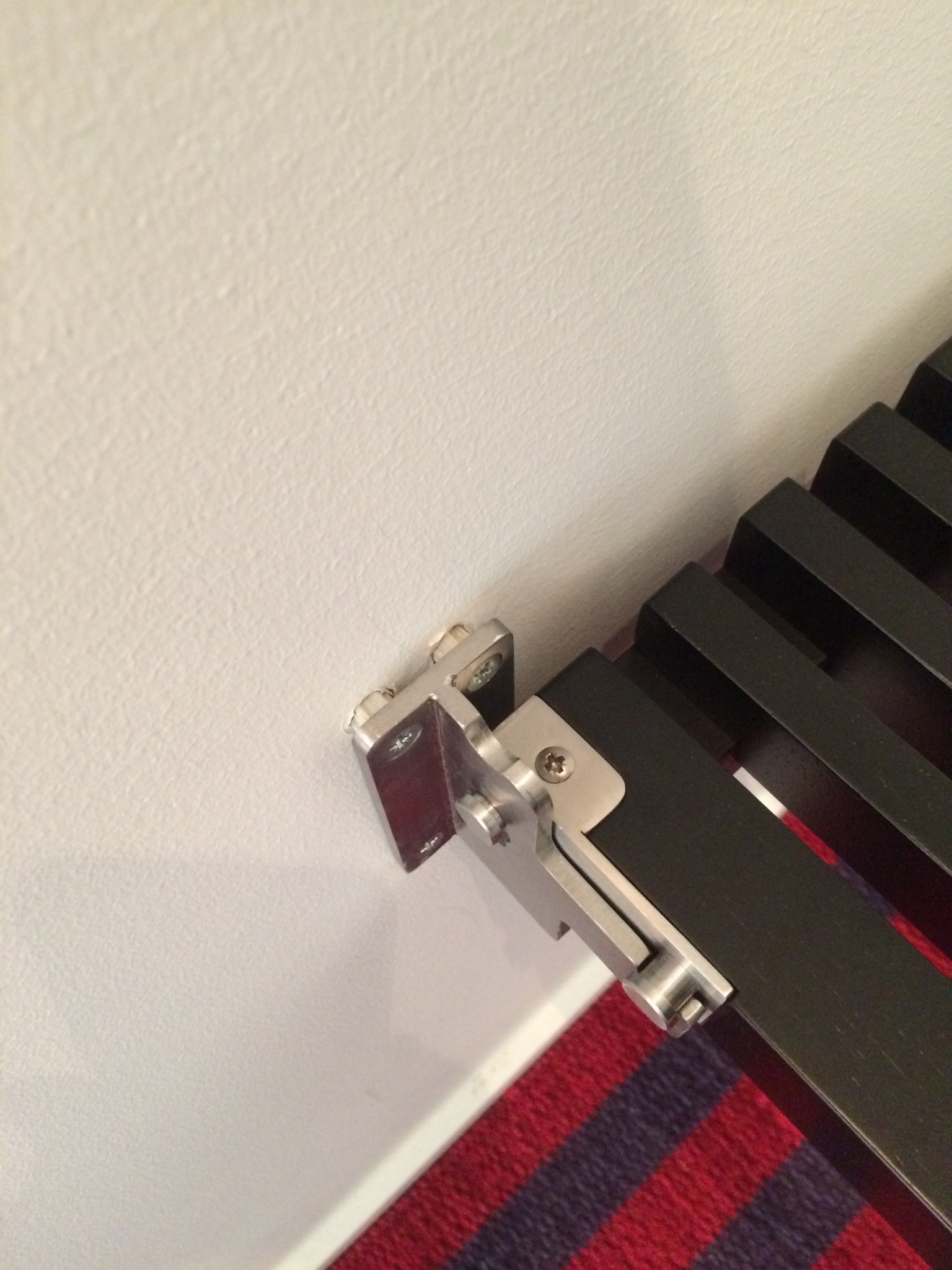
I have installed a wall-mounted seat in our hallway. The walls are made of concrete. I thought everything was rock-solid, but a little over a week later, the plugs have started to come out (see pictures below). I have used a plug that has worked previously in our concrete walls, with the correct dimension for the hole and screw, but I realize that the load when sitting on the seat is very large.
I would prefer not to move the seat, and was thinking I could either use a longer screw and possibly fill the hole with something that makes the screw hold better.
Do you have any suggestions for an appropriate approach? I found something called Ankarmassa, could that be a solution? Grateful for any tips I can get
It becomes a lever effect when someone sits on the seat, like a crowbar. And if you put 70kg at the end, the pull on the upper screws will be significant. If the wall is thick enough - try using larger plugs made for concrete (e.g., Fasadplugg)? And drill according to recommendations.
Thanks for the reply
The wall is adjacent to an elevator shaft, so it should be quite thick
With facade plugs, you can achieve good strength; the problem is that your load isn't vertical, but rather there's a large horizontal component. Anchor adhesive can be used to almost cast a threaded rod into the wall, which I've done to stabilize a plank, among other things. But that feels a bit overkill, you'll have to chip it away if it's ever removed (or cut with an angle grinder).
Exactly, the seat will function a bit like a crowbar and really pull hard on the plug.
If the seat is 30 cm long and you sit with 70 kg at the far end, it creates a torque of 21 kgm.
If the vertical distance between the screws (or between the bottom of the bracket and the upper screw holes) is 10 cm, then there are 210 kg pulling on the screw. However, since you have 4 screws, it’s only 50 kg per screw. But if you sit on one corner, it's probably just two screws bearing the load, so you might need to account for 100 kg per screw.
Is the screw the right length? In many plugs, the screw should go through the plug to work.
What type of plug is it?
What type of concrete is it? Lightweight concrete?
Anchor adhesive works but I don't think it's right for a small bench, and anchor adhesive works best without plugs, which then makes it difficult to dismantle again.
Personally, I like concrete screws without plugs, but the question is what dimensions can be used in the bench.
With good plugs and screws, it should work well.
Otherwise, it's common to mount a plate/board on the wall first if there are issues with the attachment and then attach the bench to the board.
It all depends on the conditions that exist.
concrete screw FS-H
14376312
FSH - Countersunk head.
For fastening in concrete, brick wall stone, lightweight concrete, natural stone, aerated concrete, and hollow brick. For mounting window and door frames made of wood, metal, and synthetic materials. With FS-H concrete screws, time is saved thanks to easy and quick installation. Constant and tension-free distance installation. High load-bearing capacity with small drill diameters.
Recommended load values in concrete C20/25 - at 30 mm embedment depth Tensile/Shear load 2.5 kN, at 40 mm embedment depth Tensile/Shear load 3.8/2.5.
Technical Data
Designation FS-H
Diameter 7.5-7.5 mm
Bit size TX 30
Head diameter 11.5-11.5 mm
Drill diameter 6-6 mm
Surface treatment Yellow/chrome
Application area Window frames - Door frames - Battens - Carrier laths - Rails
Embedment depth concrete 20-50 /40/50 mm
Embedment depth lightweight concrete 20-50 /40/50 mm
Embedment depth brick 20-50 /40/50 mm
Nerre: Looked at the packaging but it doesn't say anything about load capacity, so I actually don't know. We've also been careful not to sit just on the edge.
123abc: It's the right length of screw, I was careful with that. The plug is a universal plug that's supposed to work in both cement and other materials. It was recommended to me at Fredells building supplies when I was there.
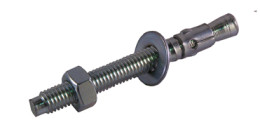
We want to be able to dismantle the chair, so anchoring compound doesn't seem to be the solution. So the alternatives are Facade plug, Concrete screw, or Expansion bolt. I'll have to check the dimension of the holes in the chair and see which one works.
A related thought... do you ever get a wedge anchor out again? I thought they were comparable to anchor resin in terms of removal.
I disassembled a welding table once that was anchored to the concrete floor with wedge anchors, and a wall that had been added after the table was erected made it impossible to remove the nut, so I used a forklift to lift the table away.
BANG!!!!!!!
The wedge anchor took the concrete floor with it...........
Good stuff, indeed.
A related thought... can you ever get a wedge anchor out again? I thought they were comparable to anchor adhesive in terms of removal.
If the concrete is old and porous, it might be possible to get it out by first hammering it in a little and then attaching the threaded rod to the screwdriver to expand the hole on its way out. But if that doesn't work, you have to cut it, hammer it in, and fill over it. If you want to make it easier for yourself, you can ensure that the hole is deep enough for the entire bolt, so you can just hammer it in without having to cut.
When I look at the picture, it seems a bit tight to fit the bolt and nut (and not so pretty), so maybe it's actually better with an internally threaded anchor (drop-in anchor) + a nice FSH bolt.