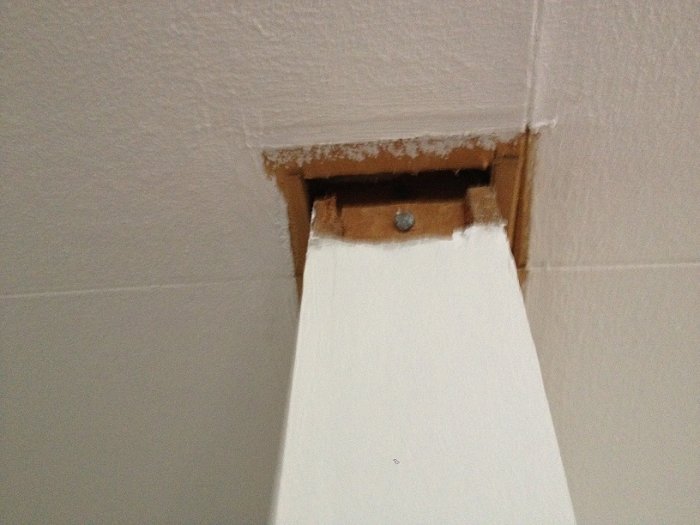
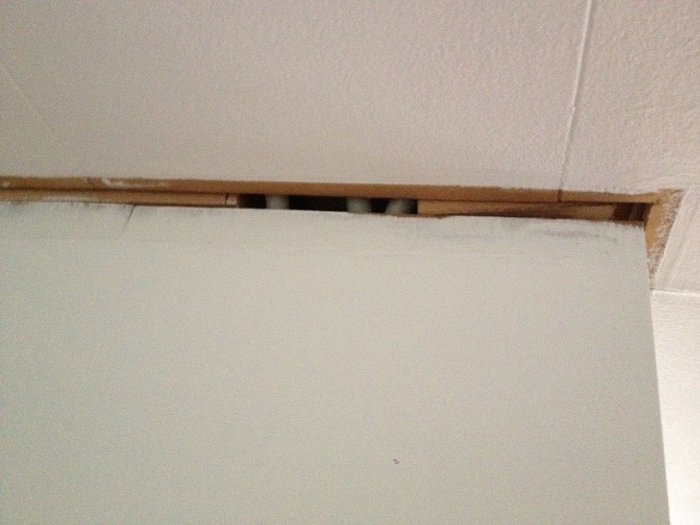
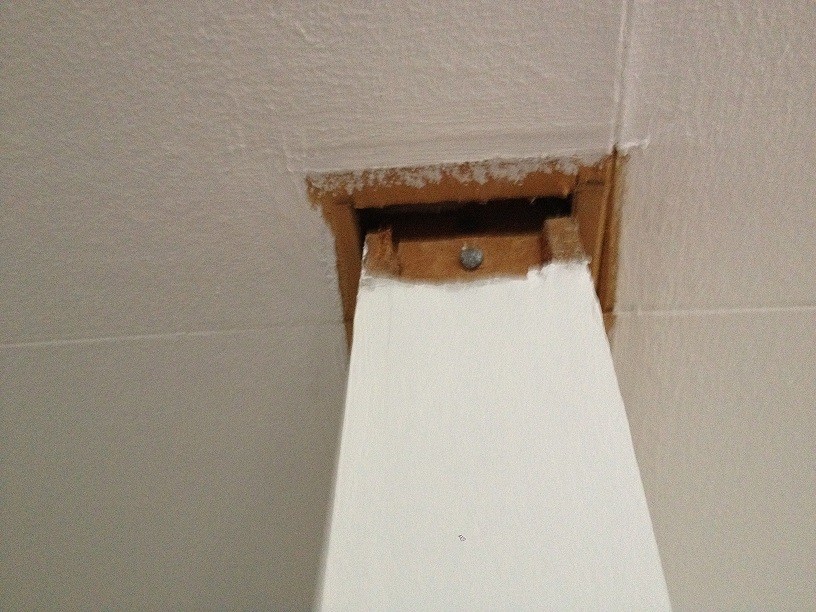
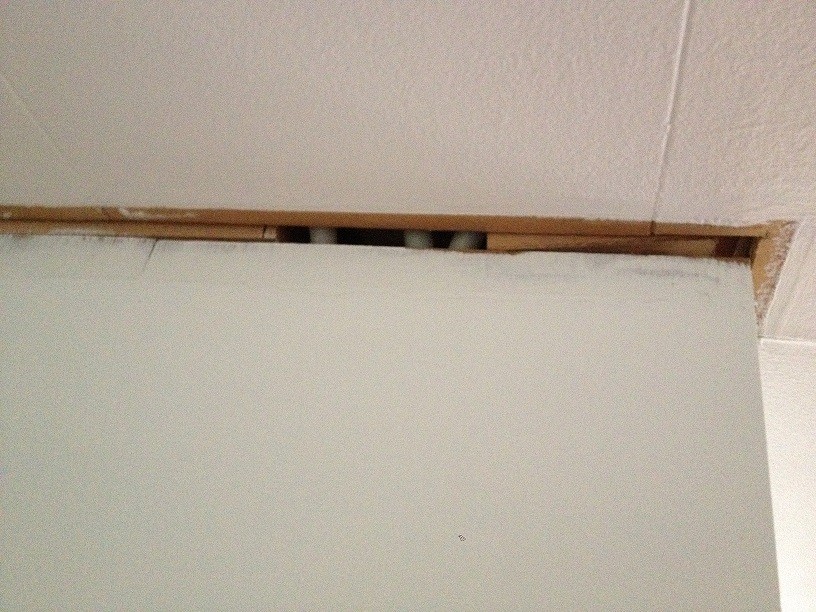
We are going to add insulation in the attic with loose fill, had a guy here a while ago who checked this job. When he was walking around the house, he noticed that a few centimeters are missing from the vapor barrier plastic up by the moldings and he wants us to fix this before they insulate the attic. He said we should do it from above in the attic, remove all the flooring and insulation to get access. A huge job that we feel we don't really have the energy for and it's not something they want to take on. My question is, do you think it would work if we do it from below instead? If we tape in the seam under the ceiling moldings?
I have also bought this tape for this purpose, planning to use it in the kitchen as well where I need to fix the vapor barrier, does anyone have experience with it?
I'm certainly no expert, but I would probably choose to do it properly. If I understand you correctly, you intend to tape on existing ceiling and wall coverings. Since these appear to be some form of porous wood panels, it probably won't work very well.
Ok thanks. I have to find an alternative to remove all the insulation & crawl around the whole house, all the walls, & sealing is not possible, I can't manage.
Can I just ask what you mean by "not going well"?
Is it that the function itself is not working, or do you mean that the tape is not sticking?
If it sticks well, will the moisture be kept away?
I guess the function will be lacking regardless of which tape you use. If you don't want to fix the vapor barrier properly, my advice would probably be to skip the additional insulation to avoid moisture damage in the attic.
Tightrope walk.
As I see it in the pictures, it's a house with some years on it, meaning it wasn't built as tightly and insulated as today’s buildings.
This results in warm air leaking into the attic, ensuring the space is a few degrees warmer than outside in winter, which likely helps keep the attic free from condensation.
If you add more insulation, you lower the attic's temperature and then have a higher risk of condensation, considering you can’t make it completely airtight and the moisture from escaping air might condense on the inside of your roof sheathing, leading to mold.
Many times, additional insulation is overrated as a cost-saving measure but is nevertheless frequently encouraged by industry organizations lobbying for market promotion. That’s not to say it’s ineffective, but it is overrated.
The cost-saving measures and their potential side effects can become more expensive.
Old houses are built to last, and if handled properly, they will do so.
Today's houses are built with an estimated lifespan of materials, etc.
//
Click here to reply
Vi vill skicka notiser för ämnen du bevakar och händelser som berör dig.