6,895 views ·
23 replies
7k views
23 replies
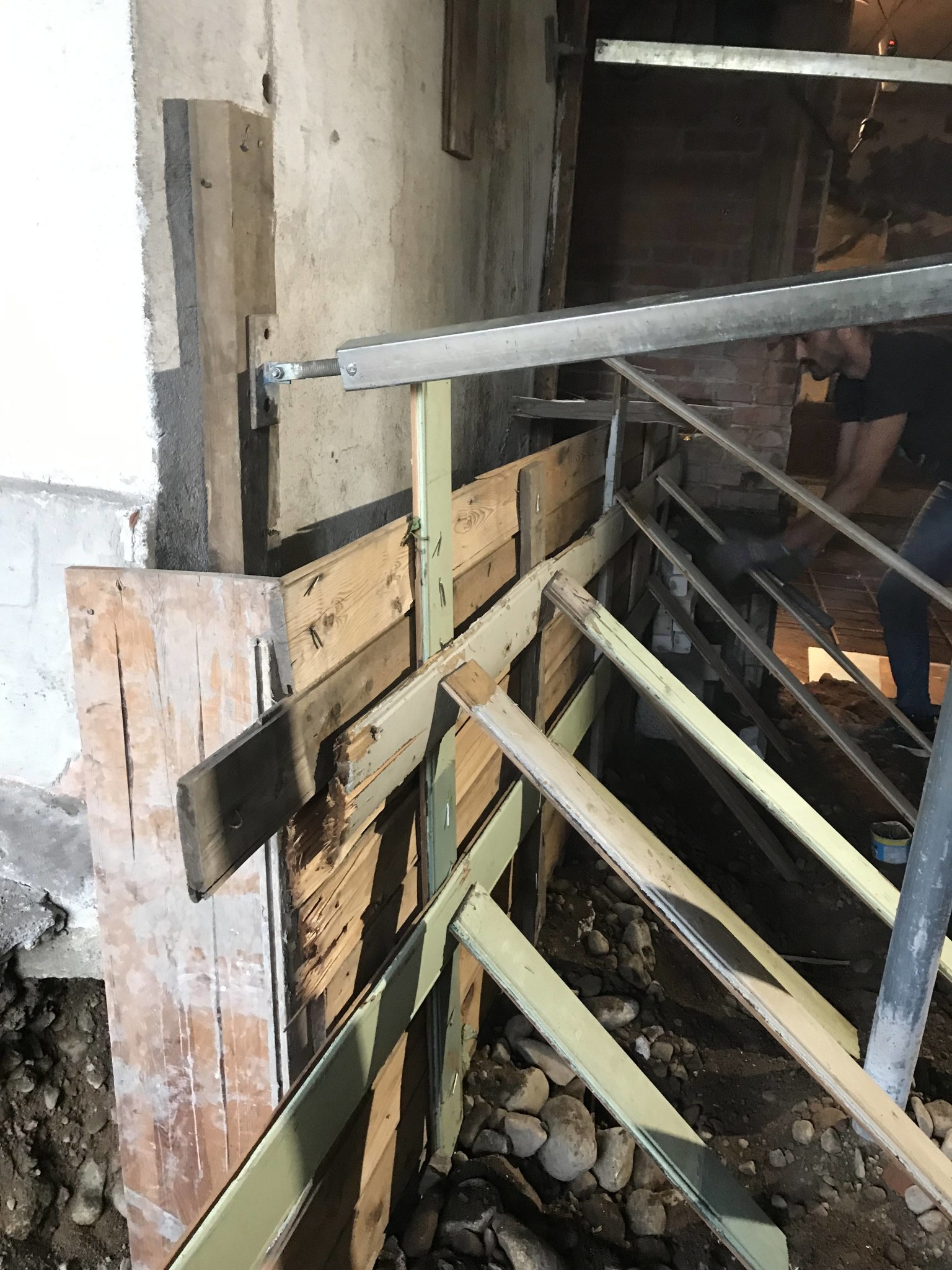
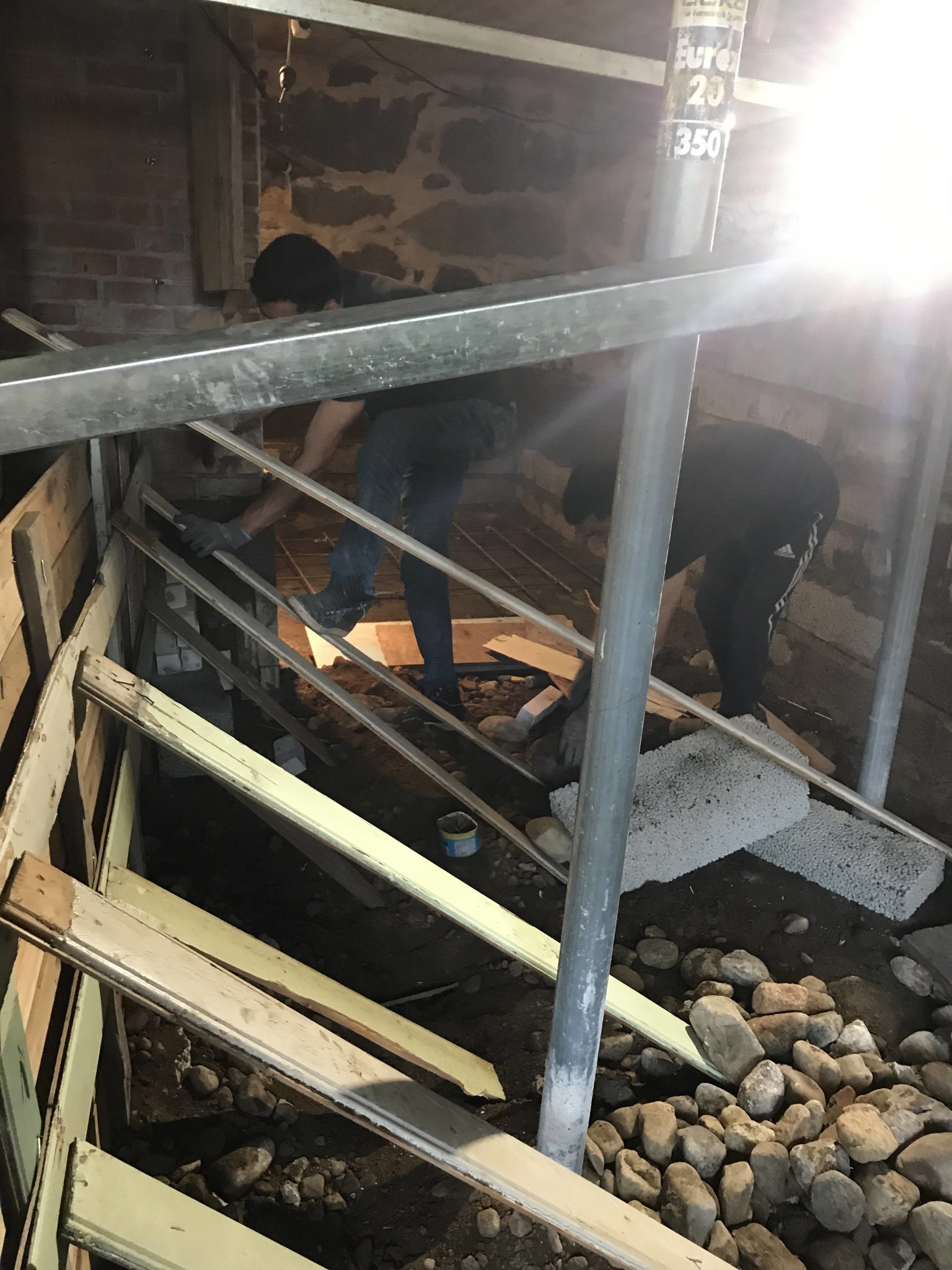
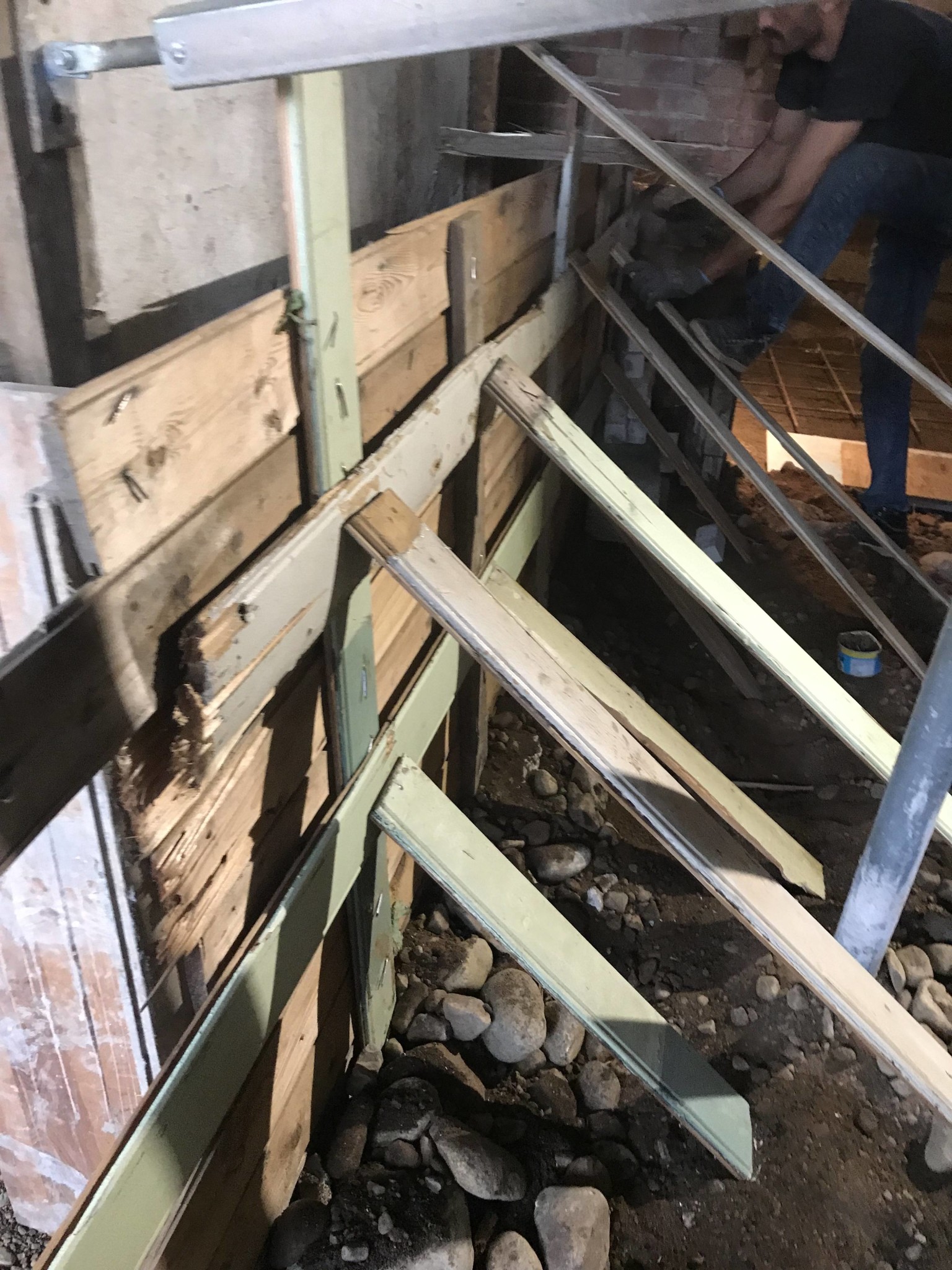
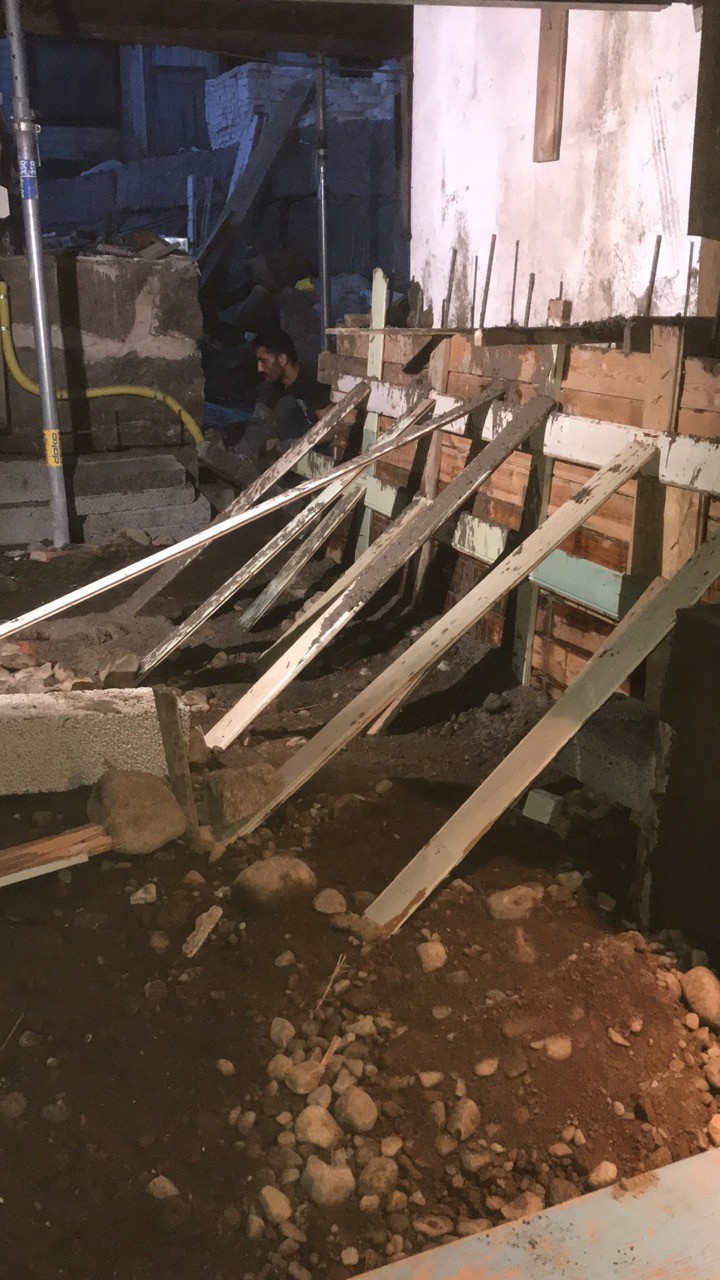
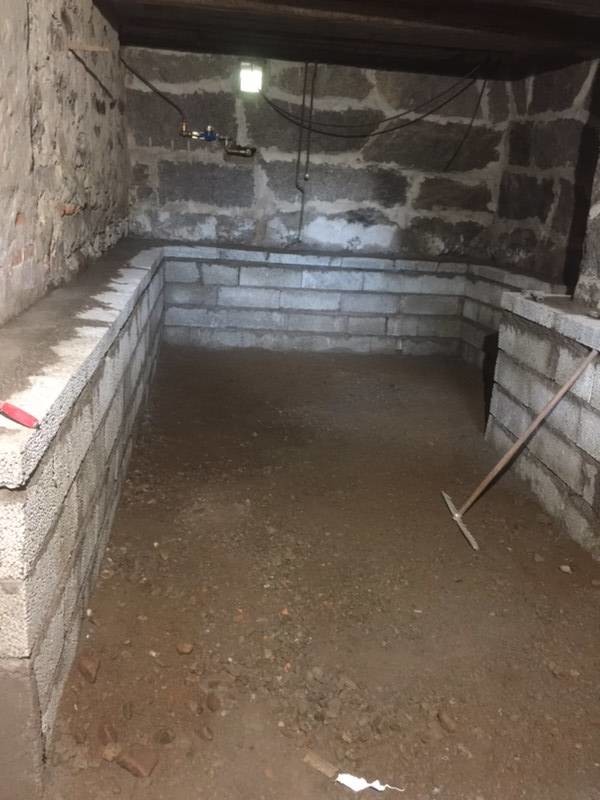
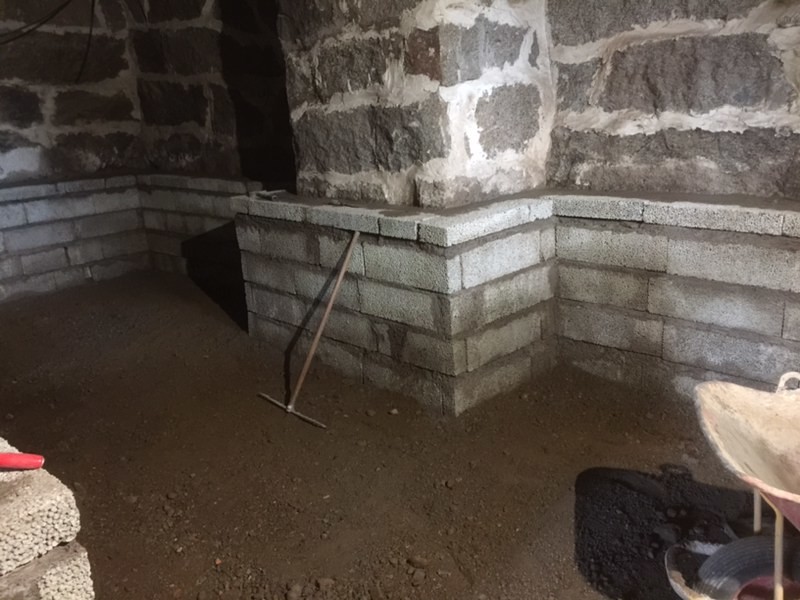
Dig out the basement.
You probably need to provide a bit more background, what kind of ground is it, what does the wall stand on? etc. Anyway, there's always a risk of subsidence, and if the ground is poor, you might need to use piles. Shoring is never wrong, but with more info and pictures of what it looks like, you'll get more suggestions.
leby said:
You probably need to provide a bit more background, what kind of ground is it, what is the wall resting on? etc. In any case, there is always a risk of settlement and if the ground is poor, you may need to pile. A brace is never a bad idea, but with more info and pictures of what it looks like, you'll get more suggestions.
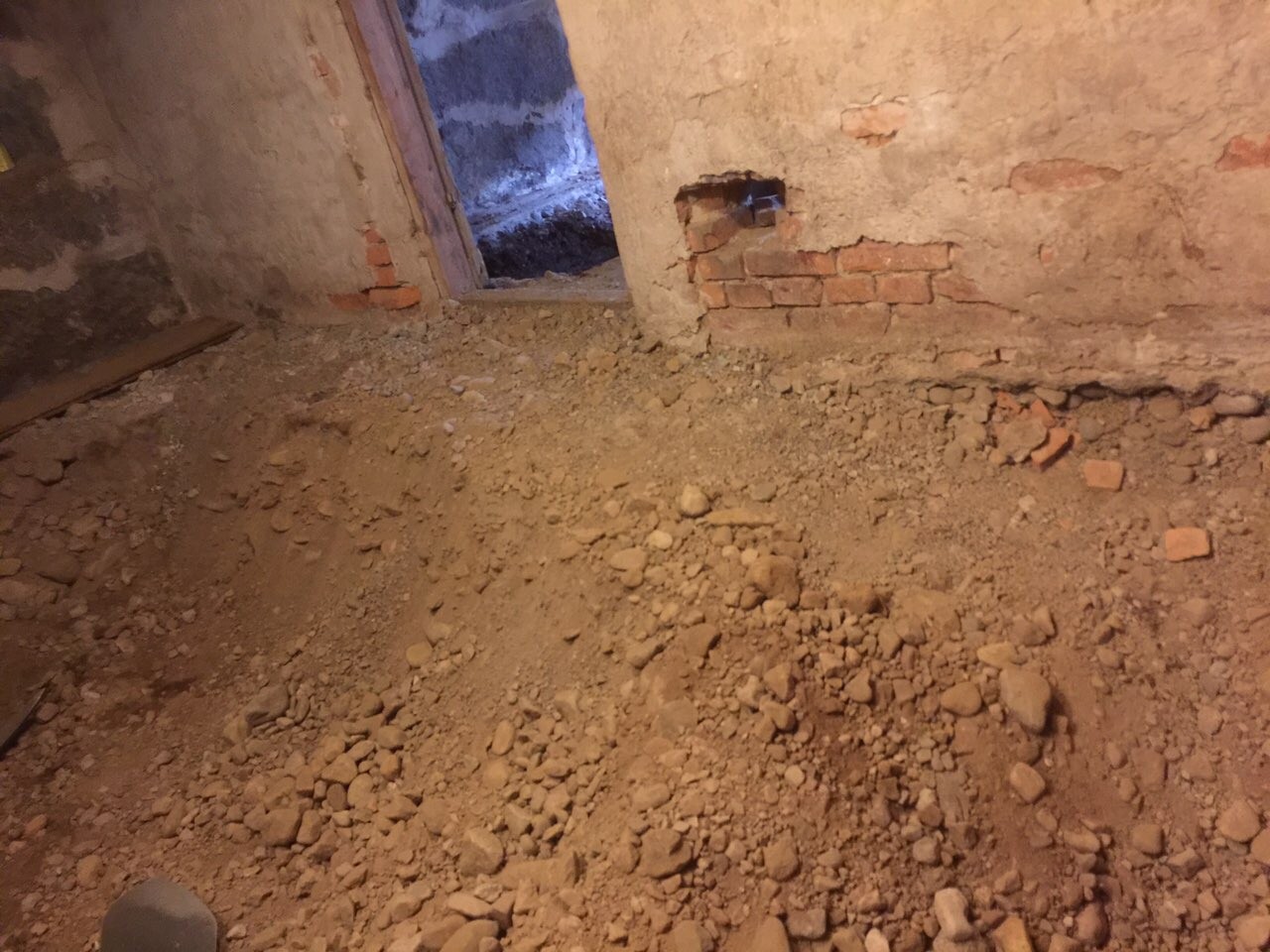

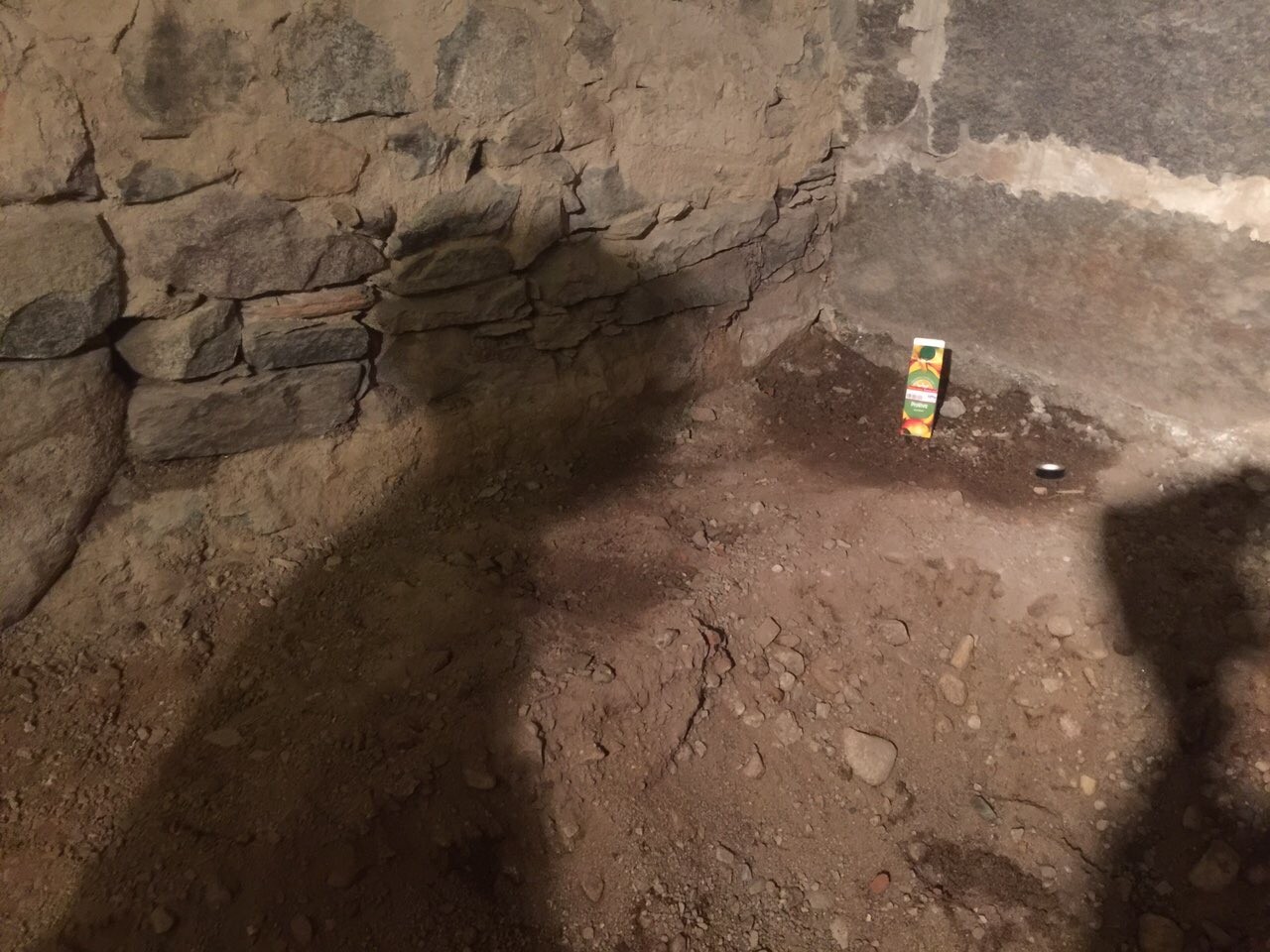
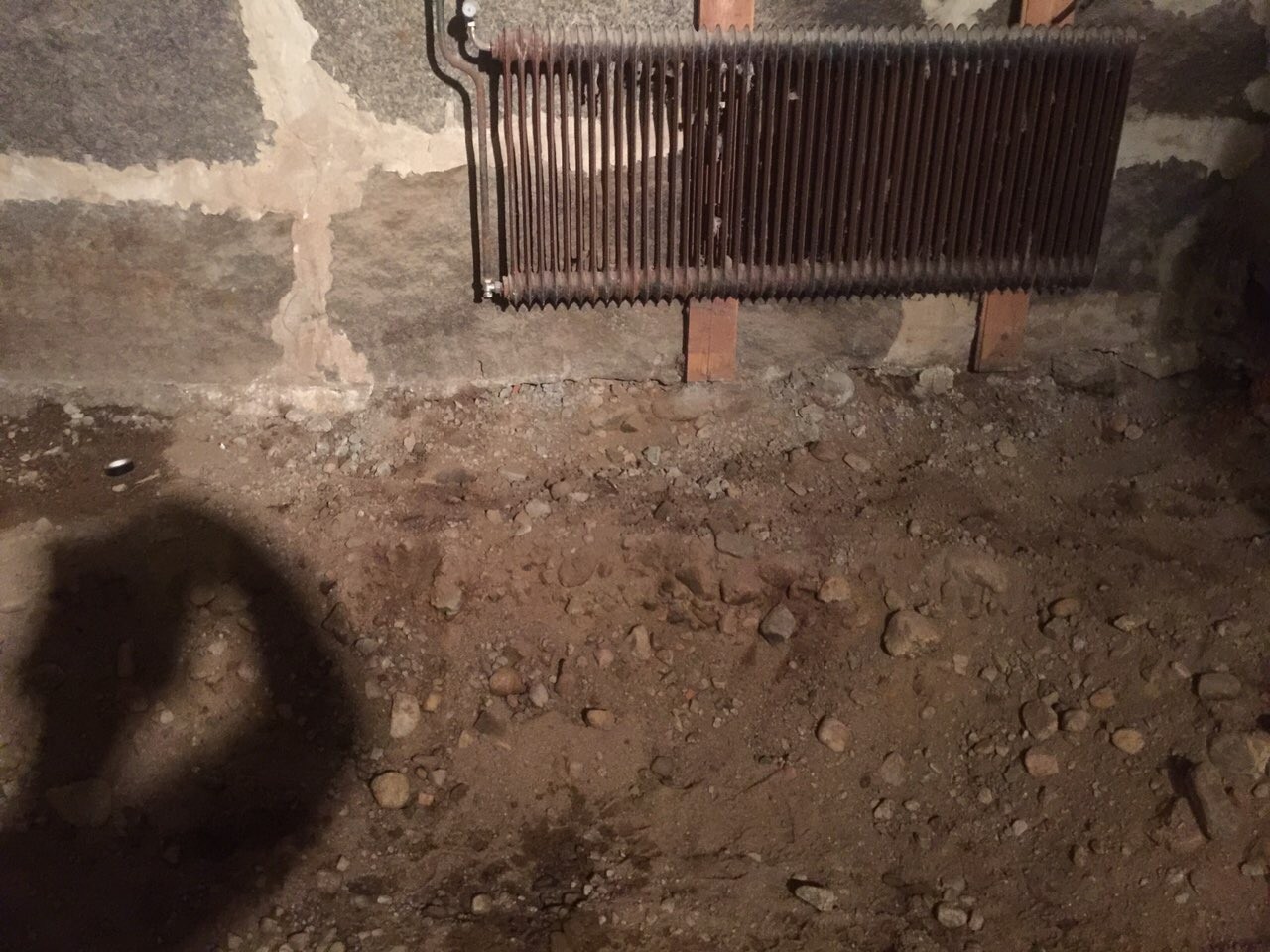

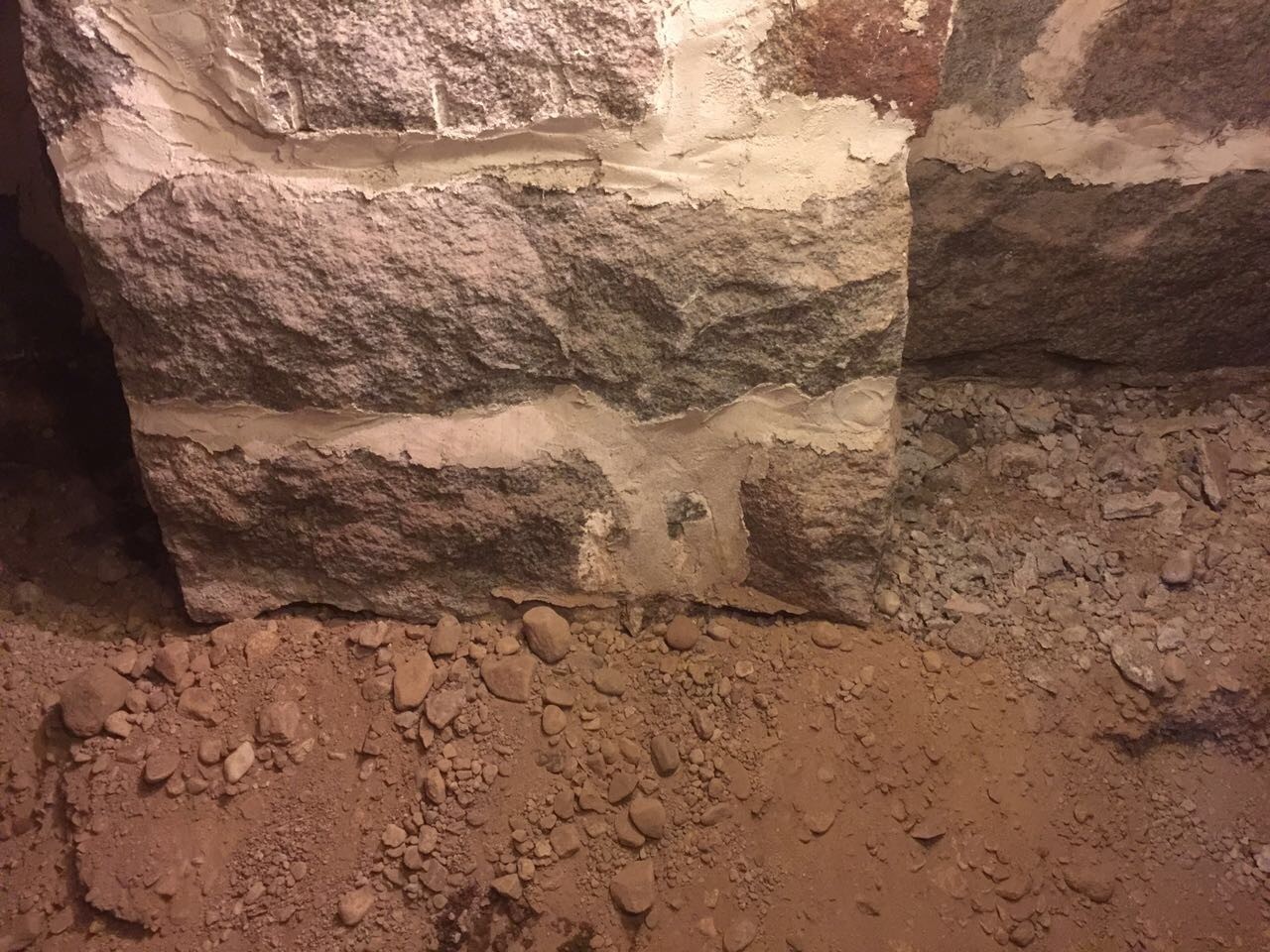
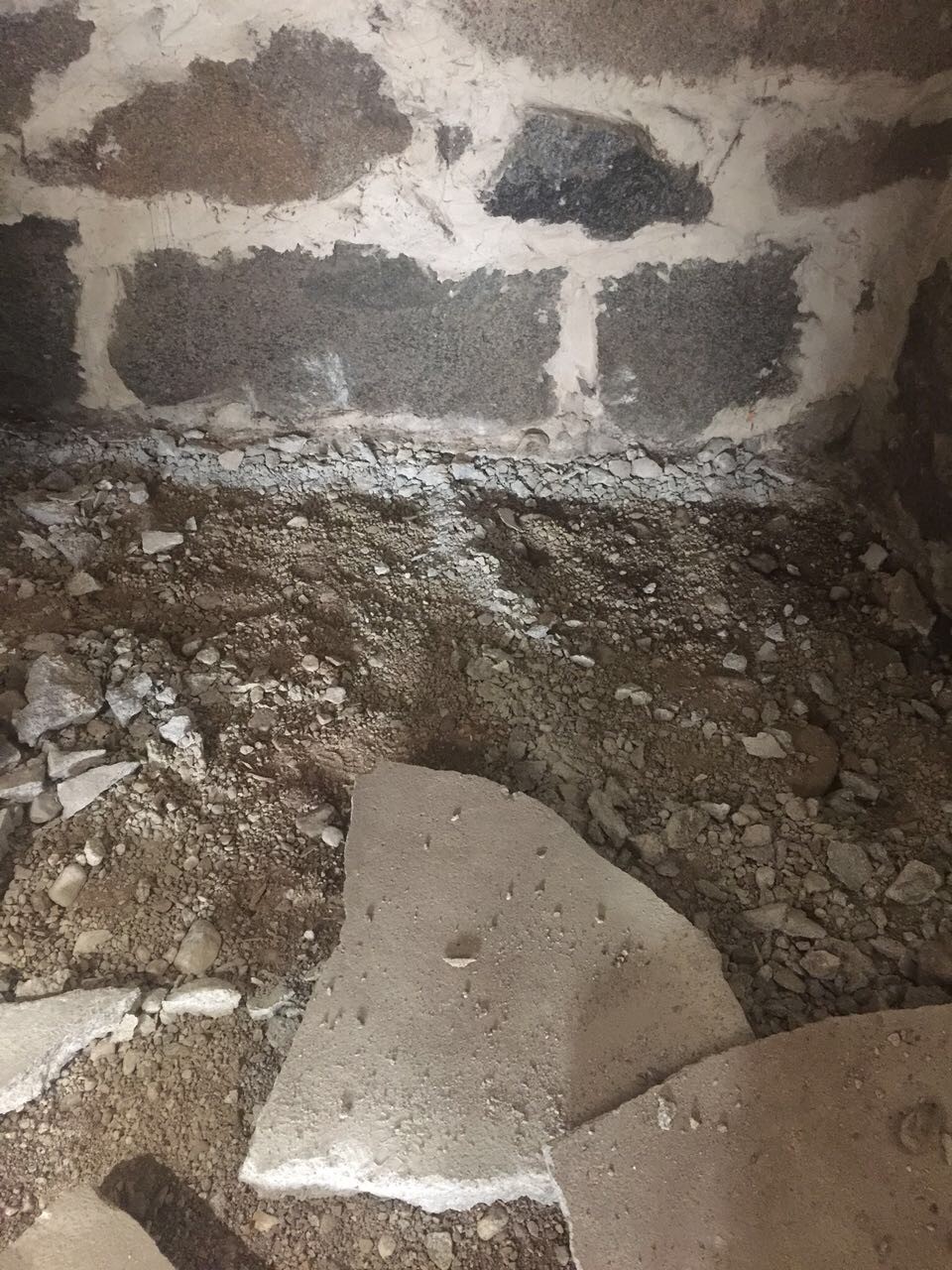
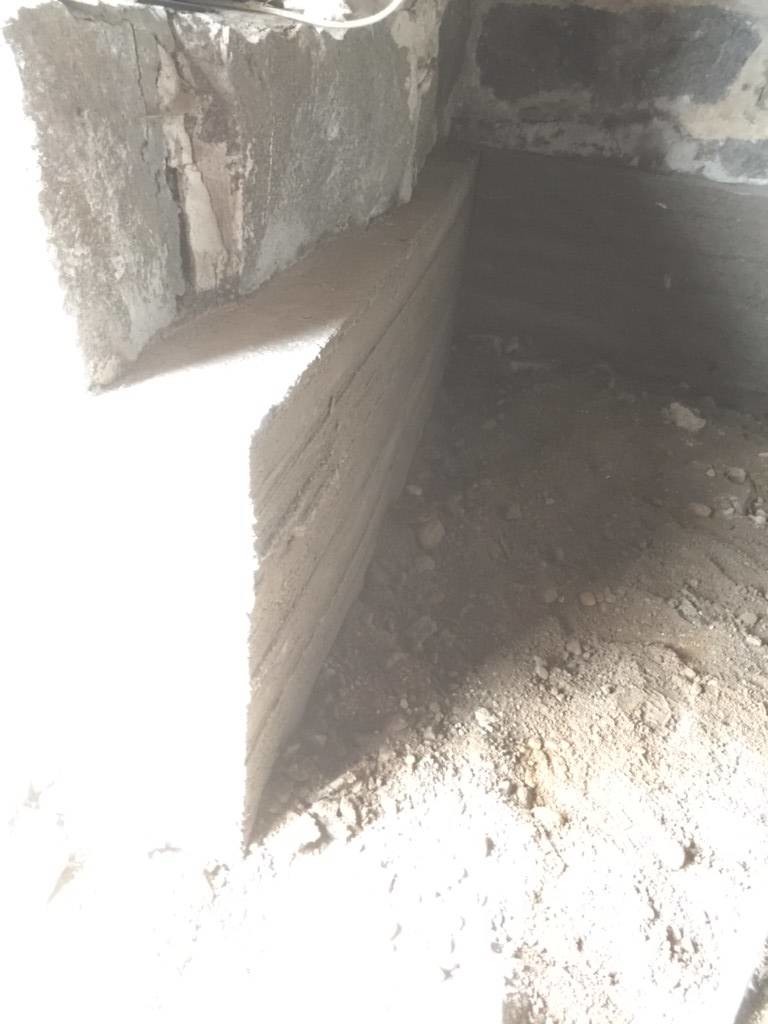
I wouldn't dare to take that on. A wall made of natural stone is not as stable as cast/concrete block, so there's a high risk that the old wall will collapse if you dig under it. Of course, everything is possible; you could lift the house on a steel beam and build an entirely new basement, but that's a bit extreme. Get a company that specializes in this, and if you're not experienced, be careful; things can go very wrong if you take a chance and dig yourself and the wall collapses...
EDIT: and now I see you've already dug, ugh... looks dangerous! Unstable soil and natural stone wall, I can't give any advice other than to get a specialist firm, not a bunch of enthusiastic amateurs...
EDIT: and now I see you've already dug, ugh... looks dangerous! Unstable soil and natural stone wall, I can't give any advice other than to get a specialist firm, not a bunch of enthusiastic amateurs...
ufff.. stuck with the first step. completely exhausted.I wouldn't dare to attempt that. A wall of natural stone is not nearly as stable as cast/concrete hollow blocks, so there's a big risk the old wall will collapse if you dig underneath it. Of course, anything is possible; you could lift the house with steel beams and create a completely new basement, but that's a bit extreme. Bring in a company that specializes in this. If you're not experienced, be cautious; it can go very wrong if you gamble and dig yourself and the wall collapses...
EDIT: and I see that you've already dug, ufff.. looks dangerous! Unstable soil and a natural stone wall, I don't dare to give any advice other than to bring in a specialized company, not a bunch of enthusiastic amateurs...
there is very low ceiling height.L largab said:
F
fredrik.johansson
Homeowner
· Skåne
· 1 778 posts
fredrik.johansson
Homeowner
- Skåne
- 1,778 posts
Oh, it's not a small project you've taken on.
Here are some ideas.
https://www.byggahus.se/forum/threa...rgrund-fran-ide-till-faerdig-kaellare.270651/
Here are some ideas.
https://www.byggahus.se/forum/threa...rgrund-fran-ide-till-faerdig-kaellare.270651/
Hello.
We have done something similar to coccon, and it's a lot of work but possible.
The difference from your situation is that you don't have a concrete foundation at the bottom. If you dig away part of the soil underneath, stones are likely to fall loose - and then it's time to run. FAST.
Even though I usually suggest trying and doing it yourself, in your case, I would contact someone or just pour a concrete floor and forget about the project.
Unfortunately.
/ Regards, Fredrik
PS, to give you a little hope, I know that it's possible. A friend worked for NCC in Gamla Stan doing about the same thing - but it wasn't cheap...
We have done something similar to coccon, and it's a lot of work but possible.
The difference from your situation is that you don't have a concrete foundation at the bottom. If you dig away part of the soil underneath, stones are likely to fall loose - and then it's time to run. FAST.
Even though I usually suggest trying and doing it yourself, in your case, I would contact someone or just pour a concrete floor and forget about the project.
Unfortunately.
/ Regards, Fredrik
PS, to give you a little hope, I know that it's possible. A friend worked for NCC in Gamla Stan doing about the same thing - but it wasn't cheap...
Hi, not a bad project you've undertaken.
I just saw that you sent a pm, but I haven't been logged in here for the past month as I've been digging worse than a gold digger in Klondike during the gold rush's heyday, and there went this summer vacation...
Do you have a sketch of the house so we can see which parts you plan to excavate?
How many square meters do you plan to dig out?
When was the house built?
Is it single-story with a crawl space or do you also have an upper floor?
Are there both interior and exterior walls?
Are all the walls load-bearing?
Do all the walls appear to have the same construction?
What is the composition of the ground? Soil, clay, silt, stone?
How does it look with drainage, groundwater, and so on?
What is your timeline for the spectacle?
I have some ideas on how you can proceed, but I dare not say anything until we have more information...
I just saw that you sent a pm, but I haven't been logged in here for the past month as I've been digging worse than a gold digger in Klondike during the gold rush's heyday, and there went this summer vacation...
Do you have a sketch of the house so we can see which parts you plan to excavate?
How many square meters do you plan to dig out?
When was the house built?
Is it single-story with a crawl space or do you also have an upper floor?
Are there both interior and exterior walls?
Are all the walls load-bearing?
Do all the walls appear to have the same construction?
What is the composition of the ground? Soil, clay, silt, stone?
How does it look with drainage, groundwater, and so on?
What is your timeline for the spectacle?
I have some ideas on how you can proceed, but I dare not say anything until we have more information...