
1,690 views ·
3 replies
2k views
3 replies
Determine load-bearing wall from images
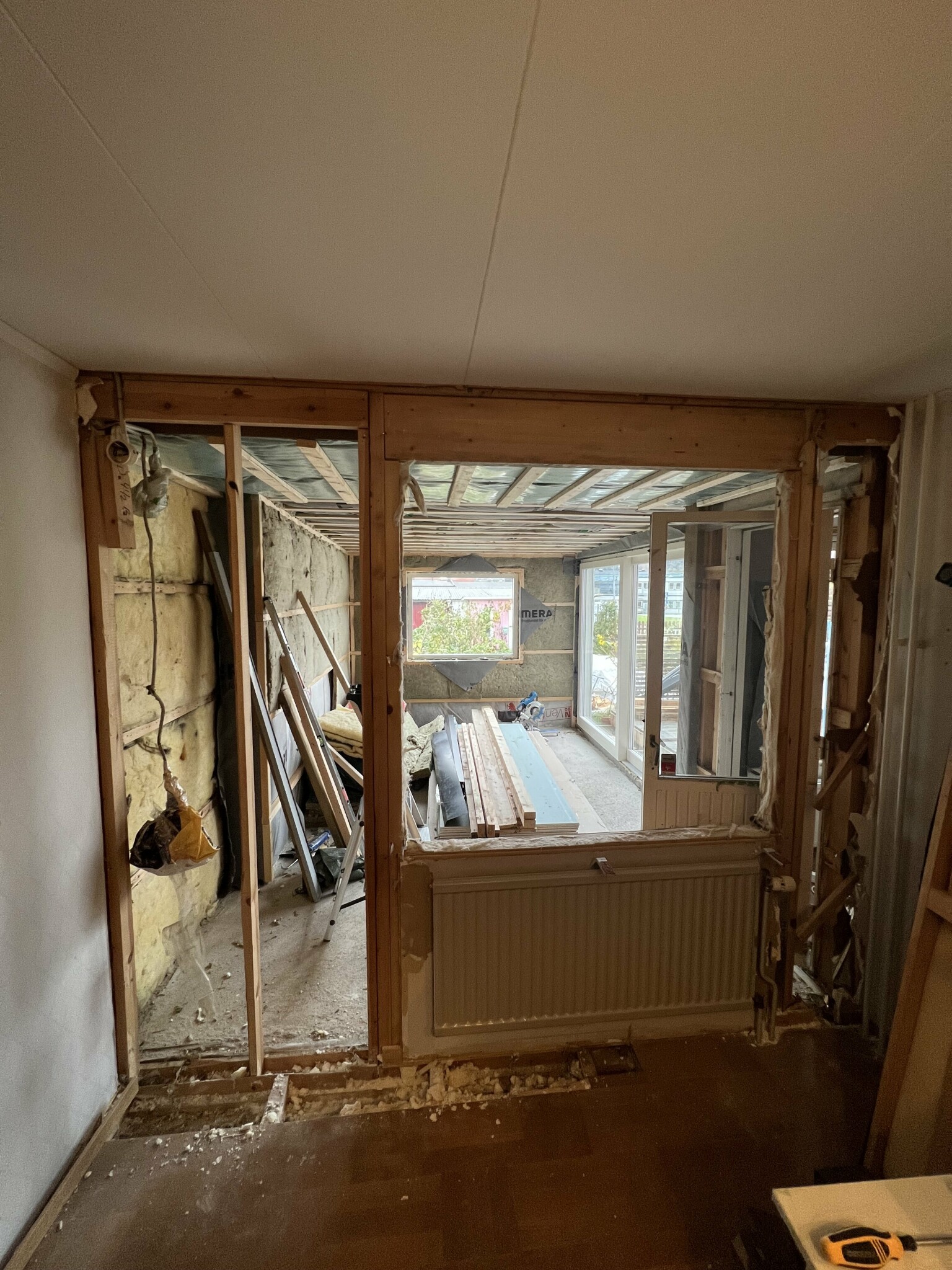
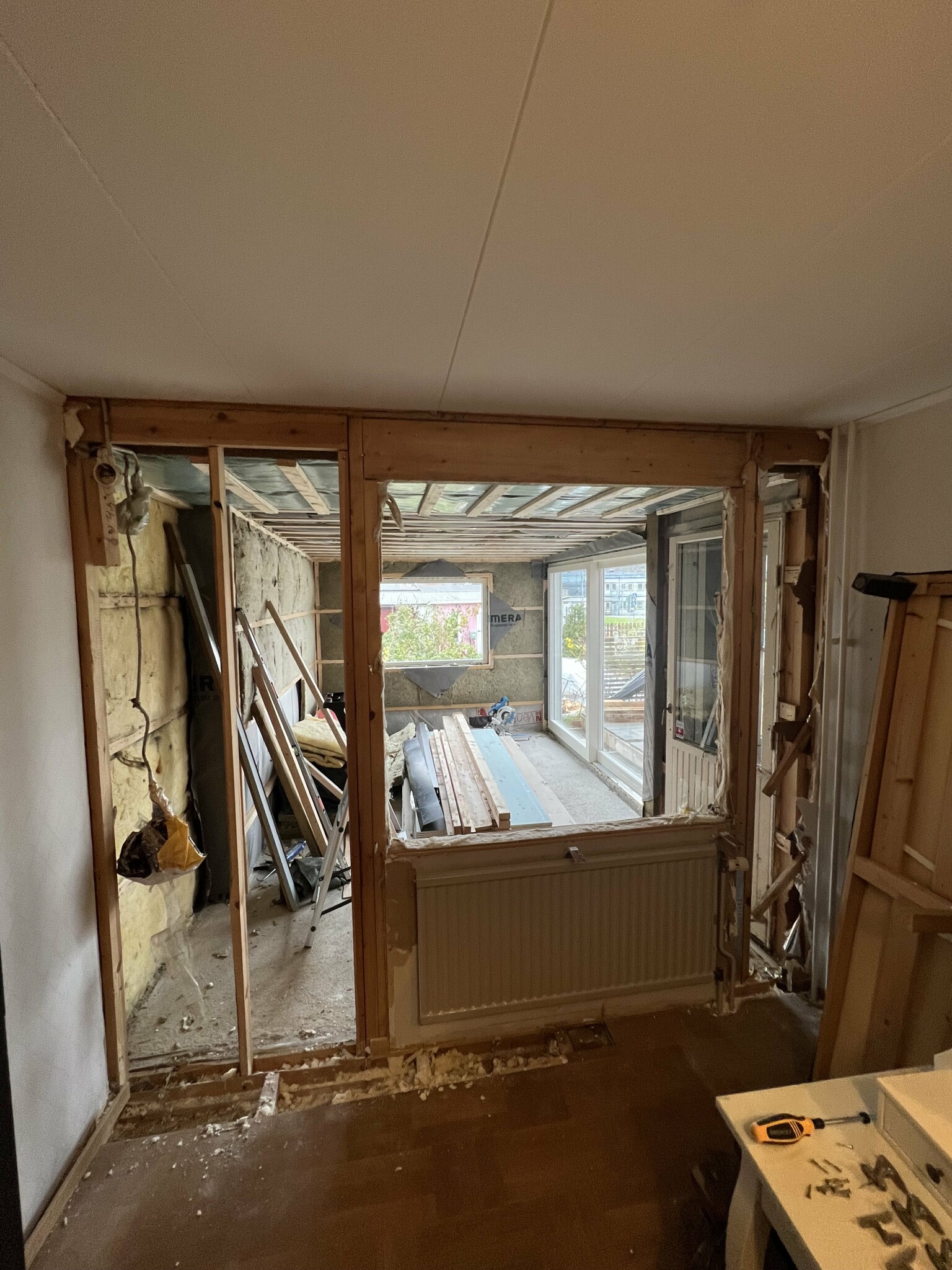
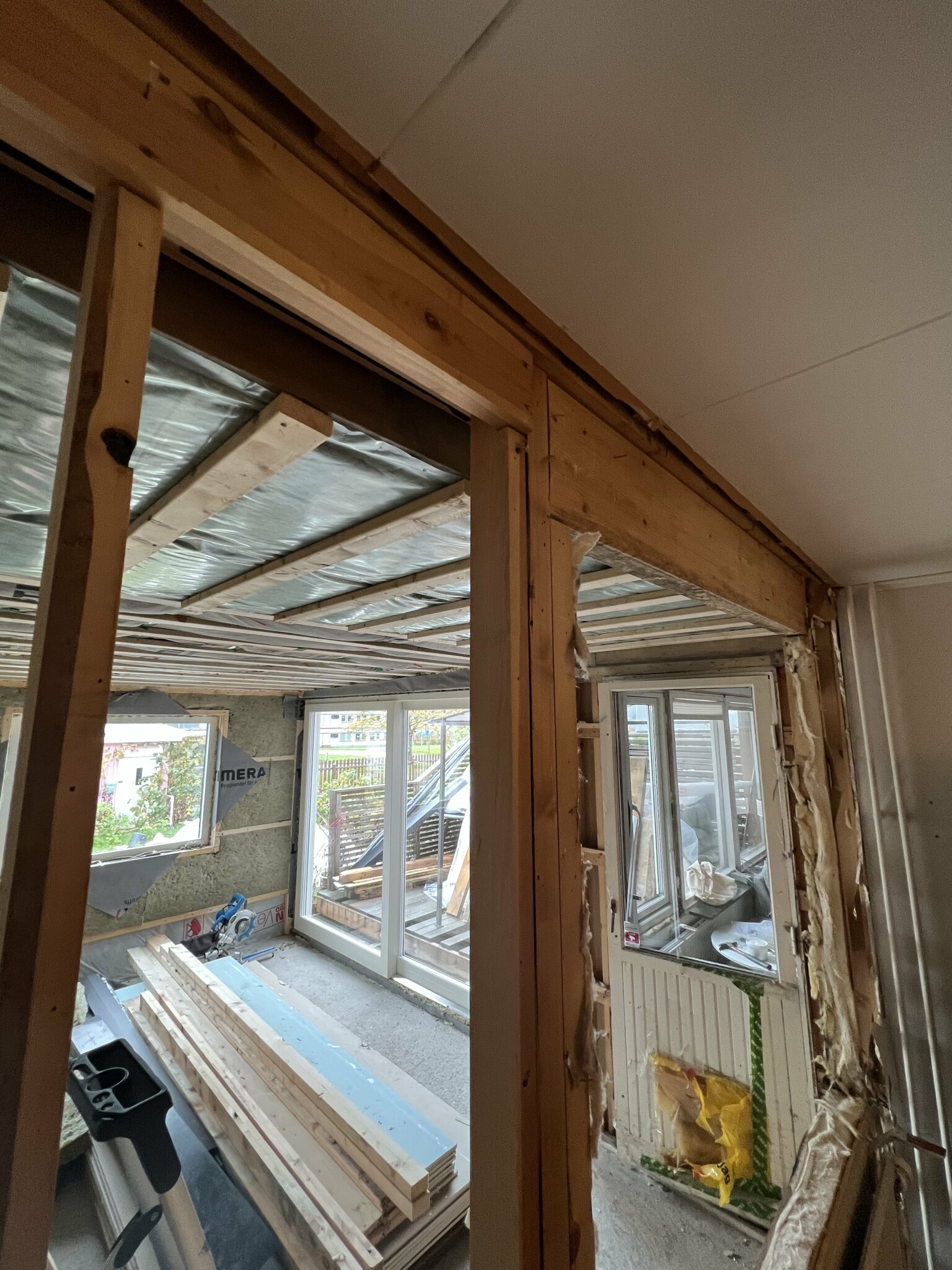
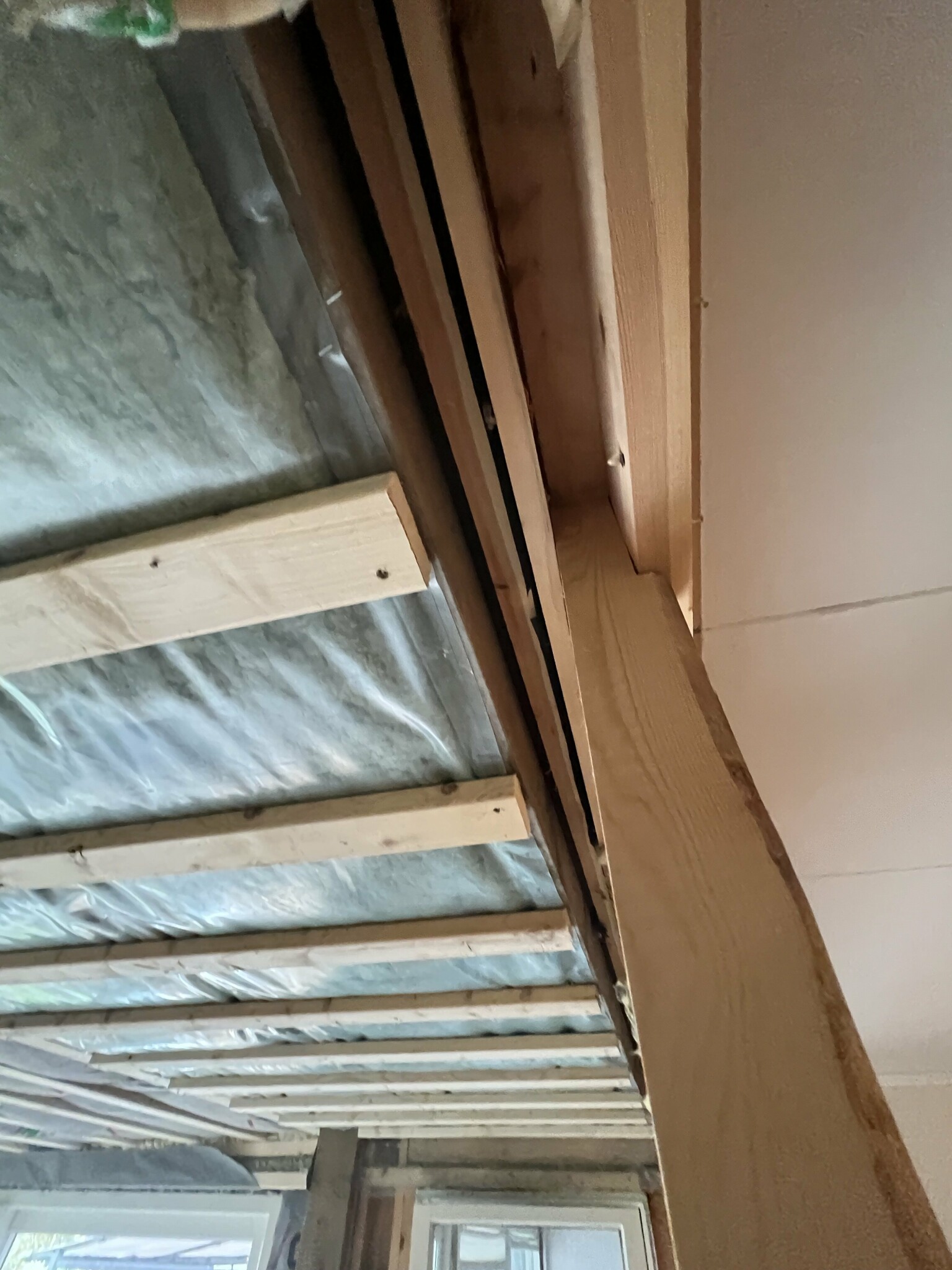
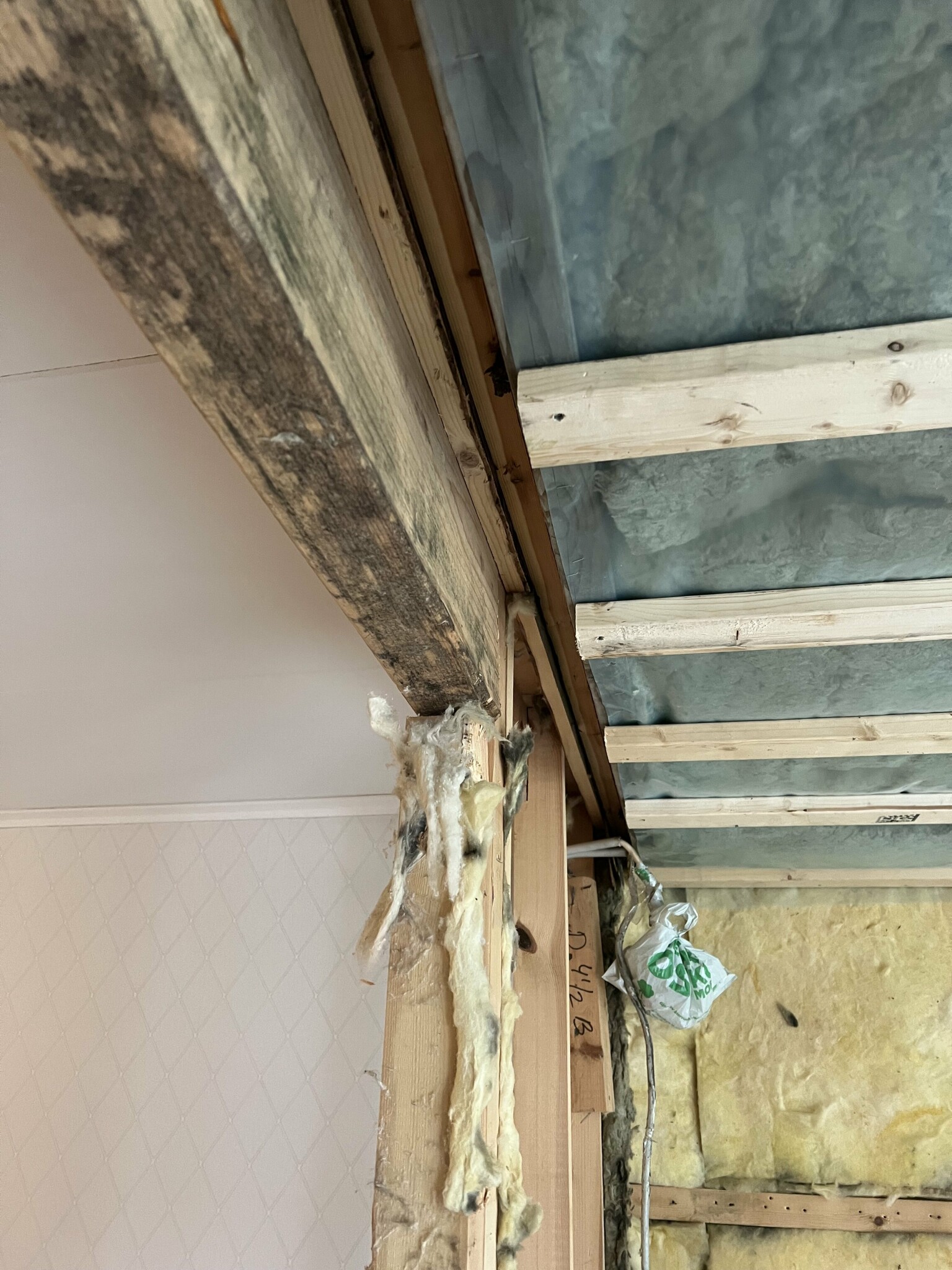
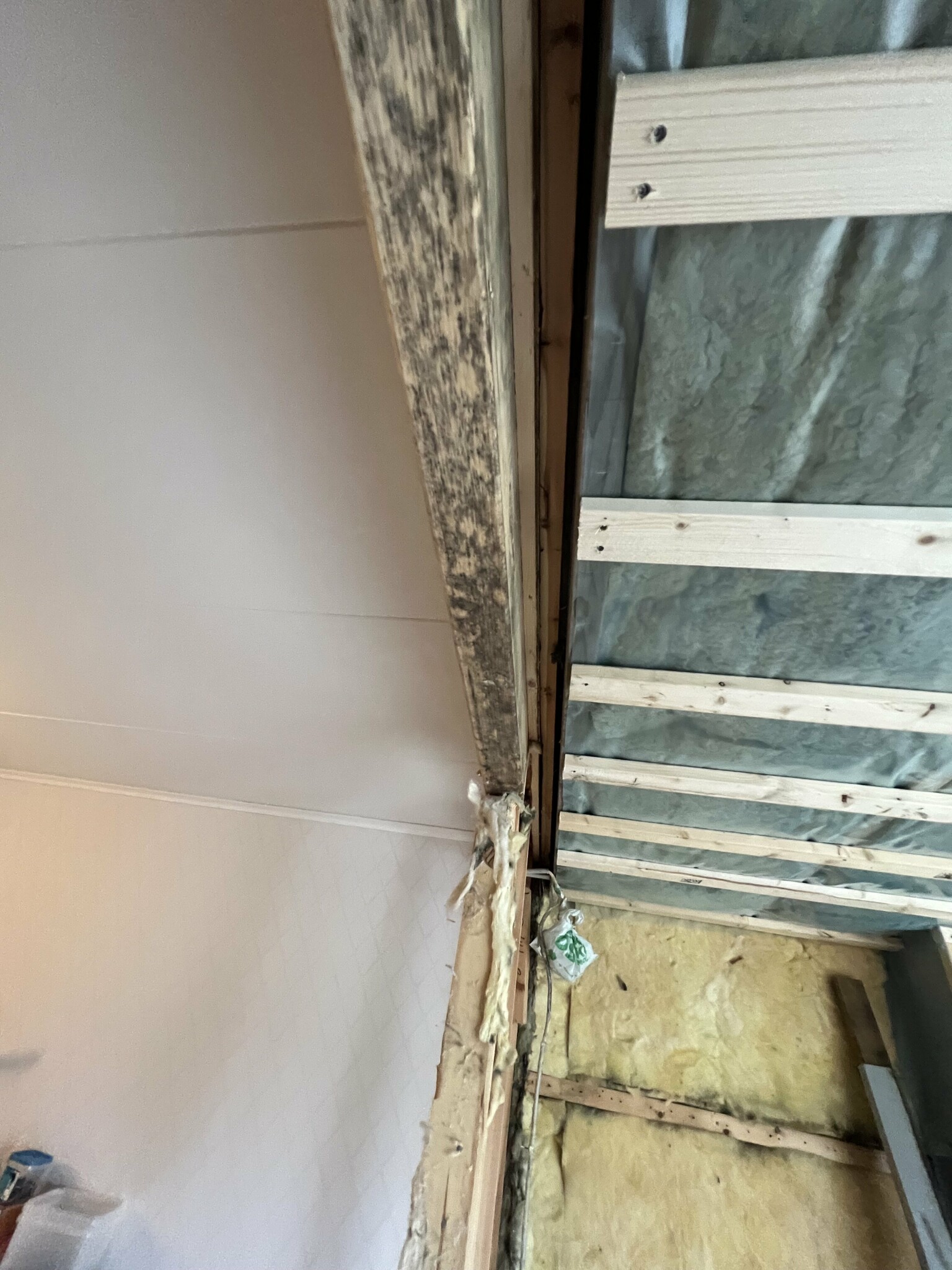
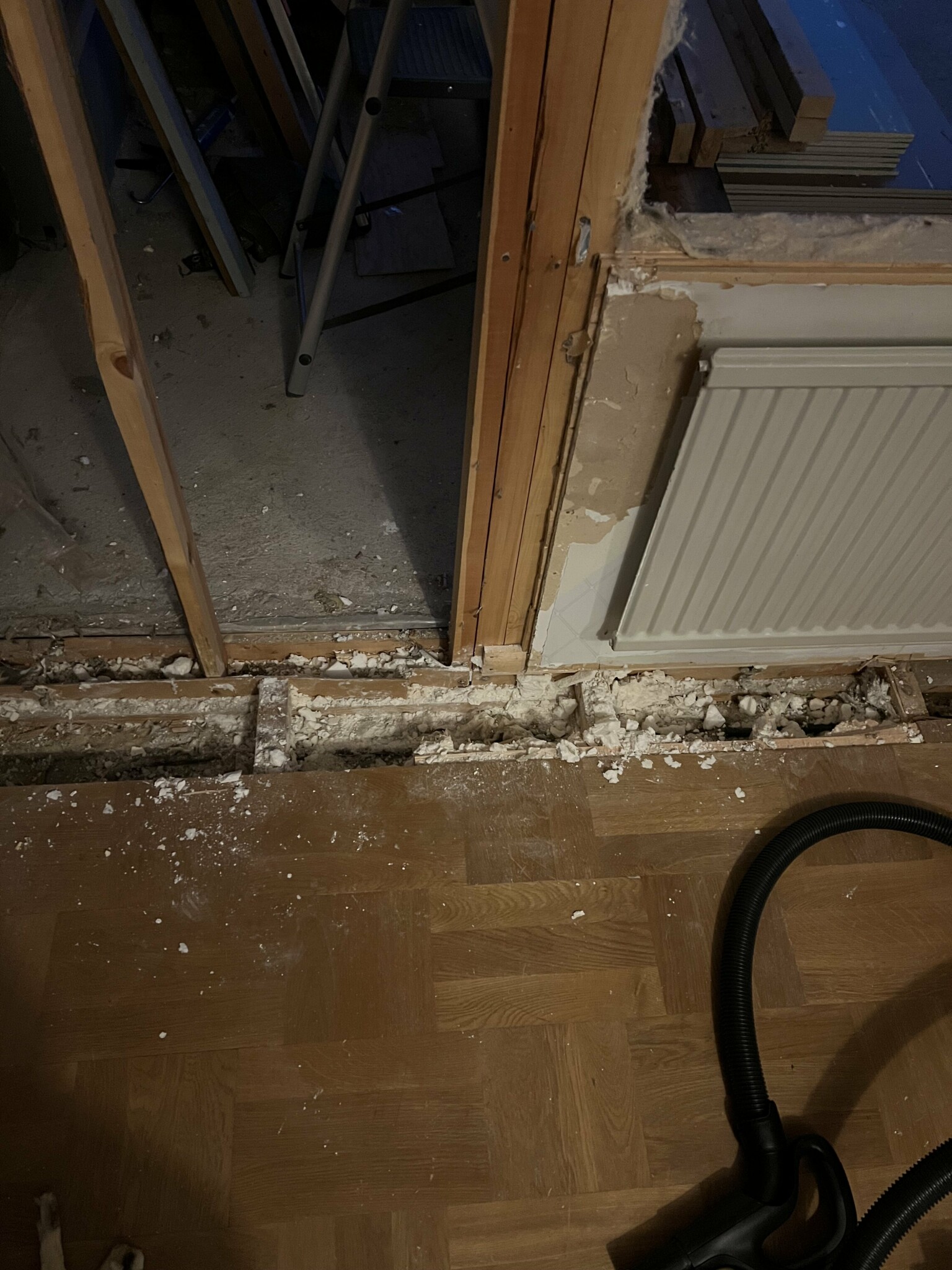

When checking for load-bearing walls, one primarily looks at floor plans, sectional drawings, and roof truss construction, complemented by when the house was built.
Looking at photos makes it very uncertain because when there is maximum snow load on the roof, the house can shift and the load on walls is higher. But it looks like a header has been made above the window, which is above the radiator in the first picture, indicating that it is load-bearing. Is it a former exterior wall? Such walls are often load-bearing.
Looking at photos makes it very uncertain because when there is maximum snow load on the roof, the house can shift and the load on walls is higher. But it looks like a header has been made above the window, which is above the radiator in the first picture, indicating that it is load-bearing. Is it a former exterior wall? Such walls are often load-bearing.
The house is from around the '60s.BirgitS said:
When checking for load-bearing walls, you primarily look at floor plans, sectional drawings, and roof truss constructions complemented by when the house was built.
Looking at how it appears in photos is very uncertain because when there is maximum snow load on the roof, the house can move, and the load on the walls is higher. But it looks like there has been a beam installed above the window, which is above the radiator in the first picture, indicating that it is load-bearing. Is it a former exterior wall? Such walls are usually load-bearing.
Terraced house
Correct that it was previously an exterior wall.
There are just so many studs. Do they all belong to the load-bearing structure?
How do I best reinforce? What steps should I take?
I assume I need studs on either side and a beam above them, but what steps should I take?
Attaching some pictures. Arrow on the wall I want to remove.
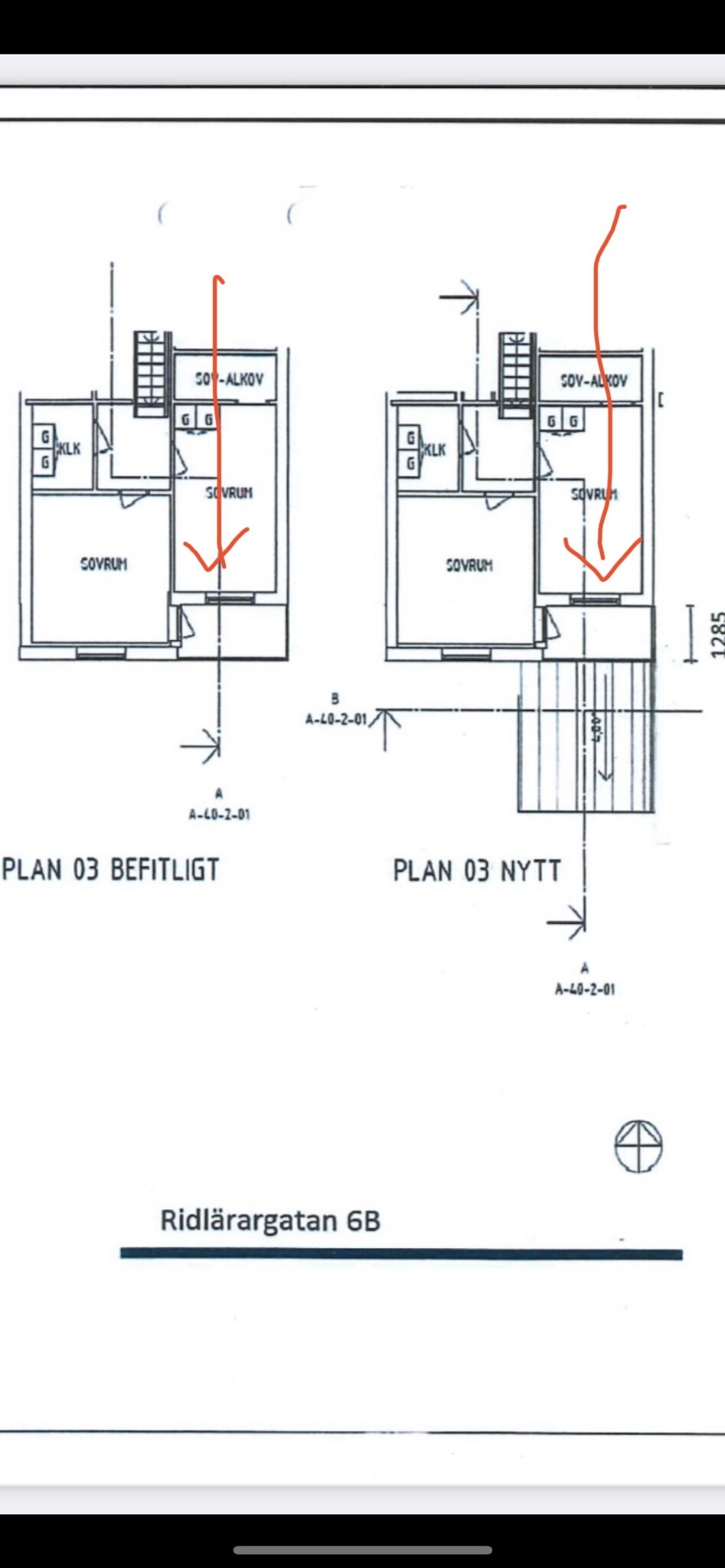
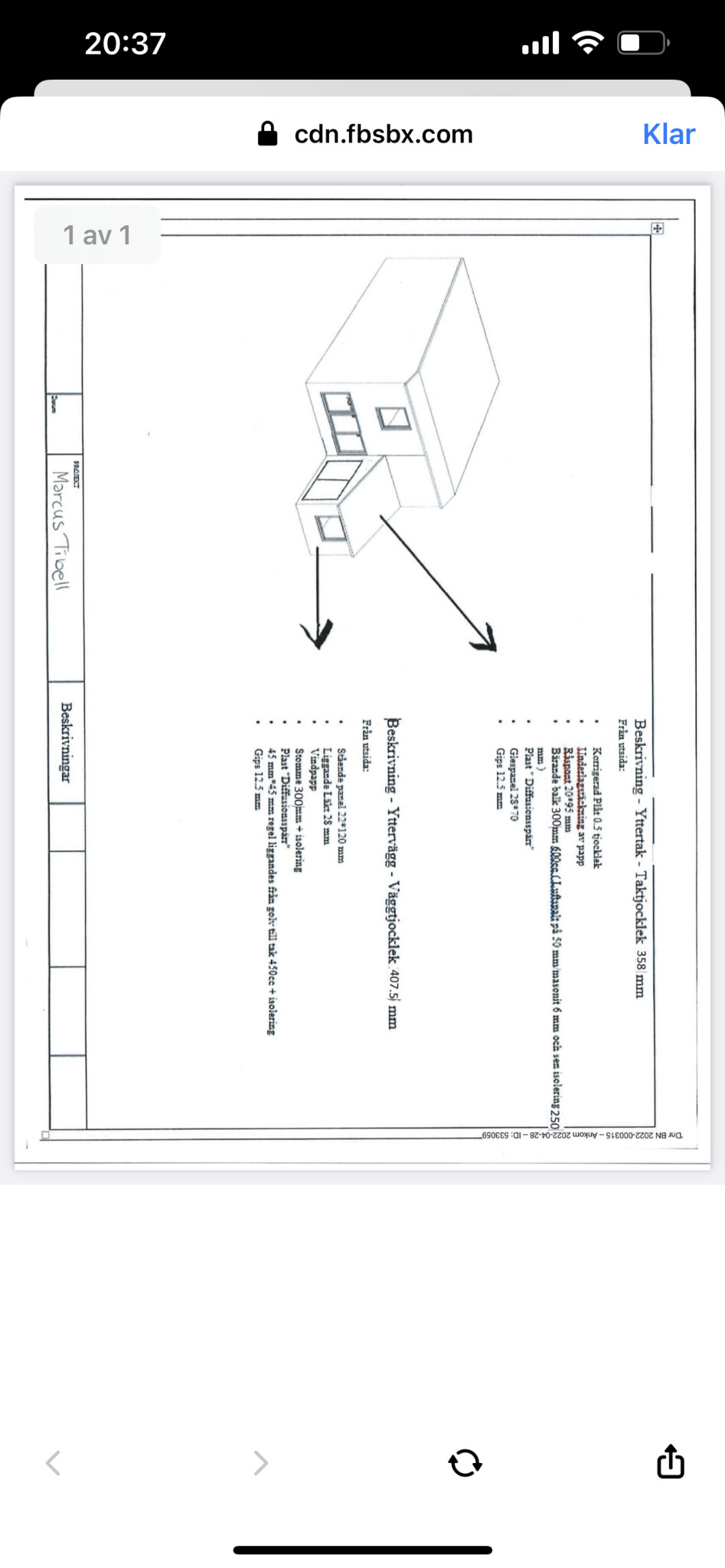
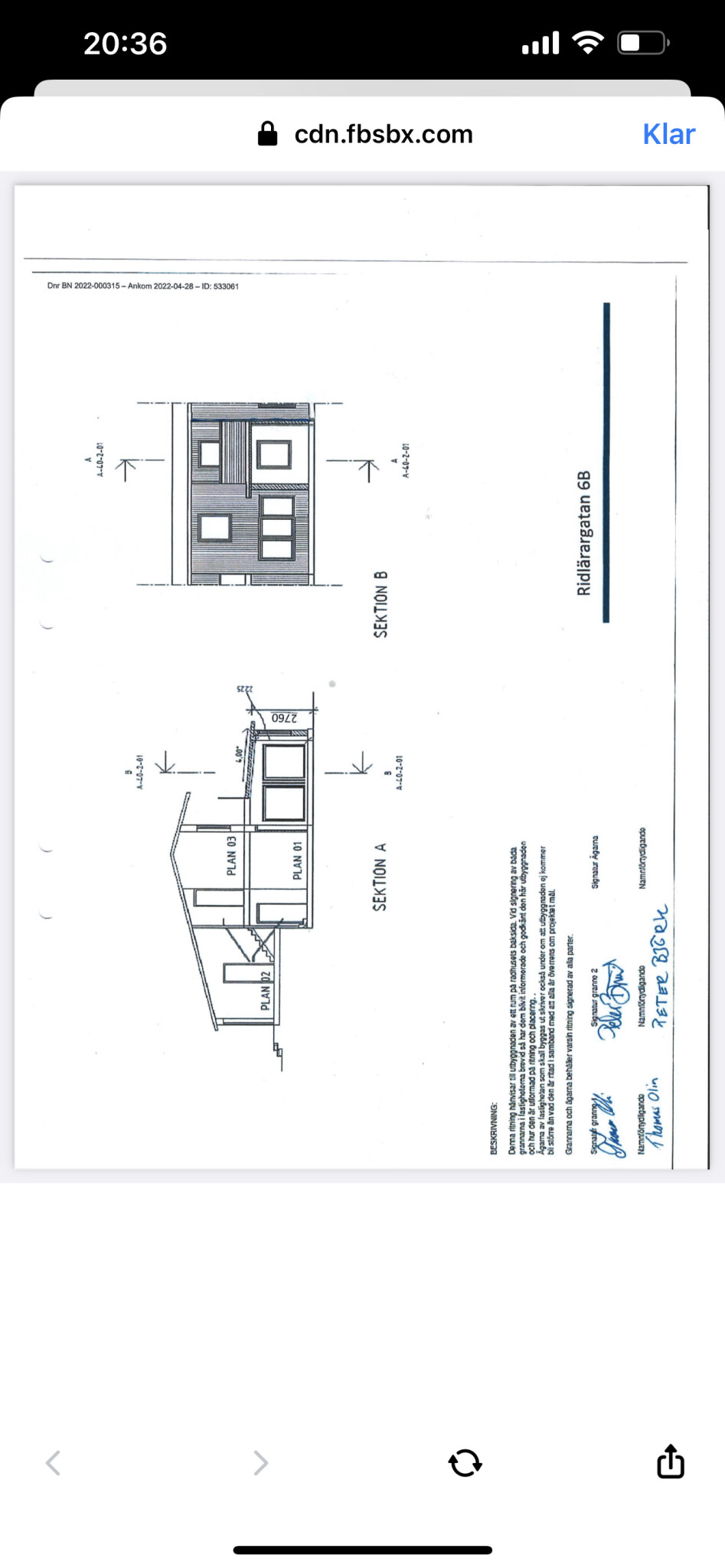
It looks like it is an exterior wall designed to support the roof weight, i.e., load-bearing. When making modifications to load-bearing constructions, you should have an approved building permit (or planning permission) before you start, and this usually requires calculations of how the loads will be supported going forward. These calculations should be carried out by a structural engineer to minimize the risks of the roof or other walls moving inappropriately. The principle is that you need a sufficiently strong beam over the opening, and it should rest on columns. The larger the opening, the stronger (especially taller) beam and columns are needed.
The only thing in the first image of the first post that is presumably not part of the load-bearing construction is the thin standing stud in the middle of the space to the left of the element and possibly the studs behind the element.
The only thing in the first image of the first post that is presumably not part of the load-bearing construction is the thin standing stud in the middle of the space to the left of the element and possibly the studs behind the element.
Click here to reply