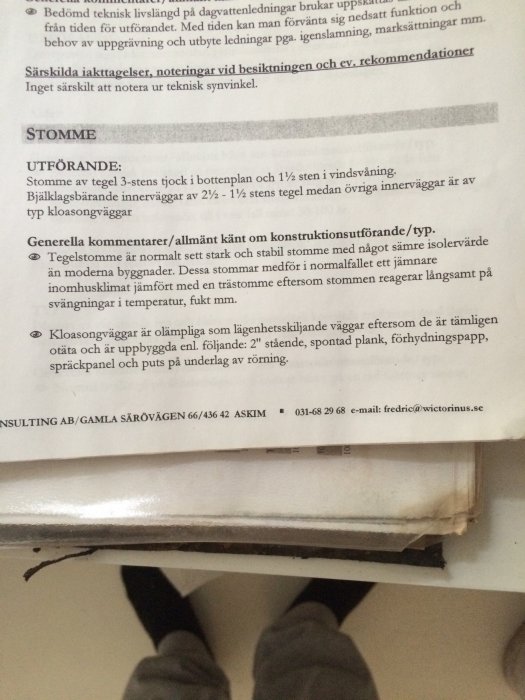
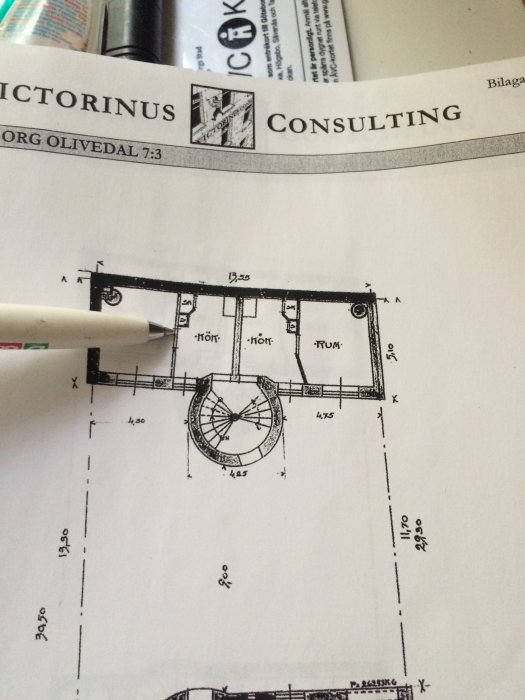
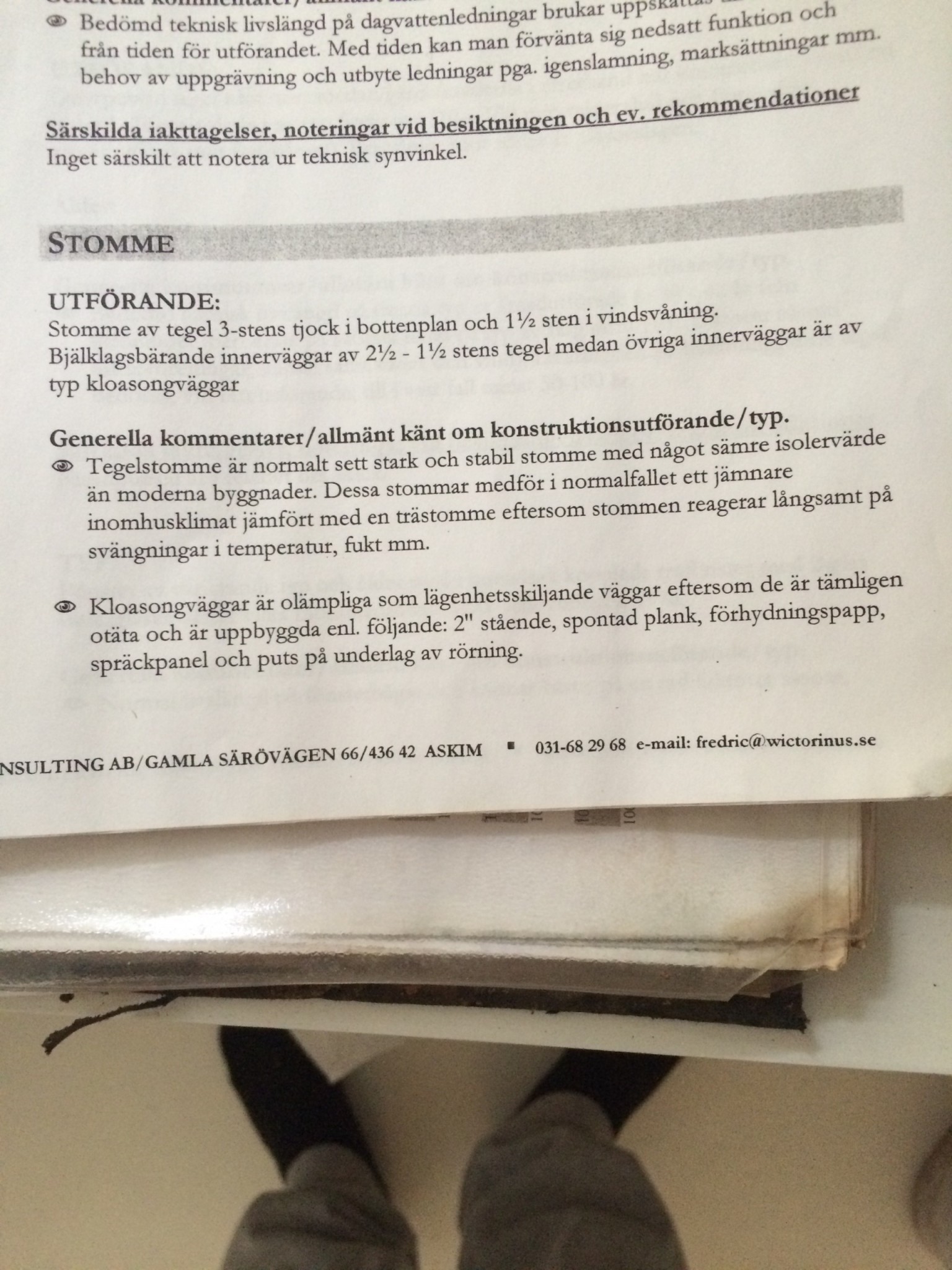
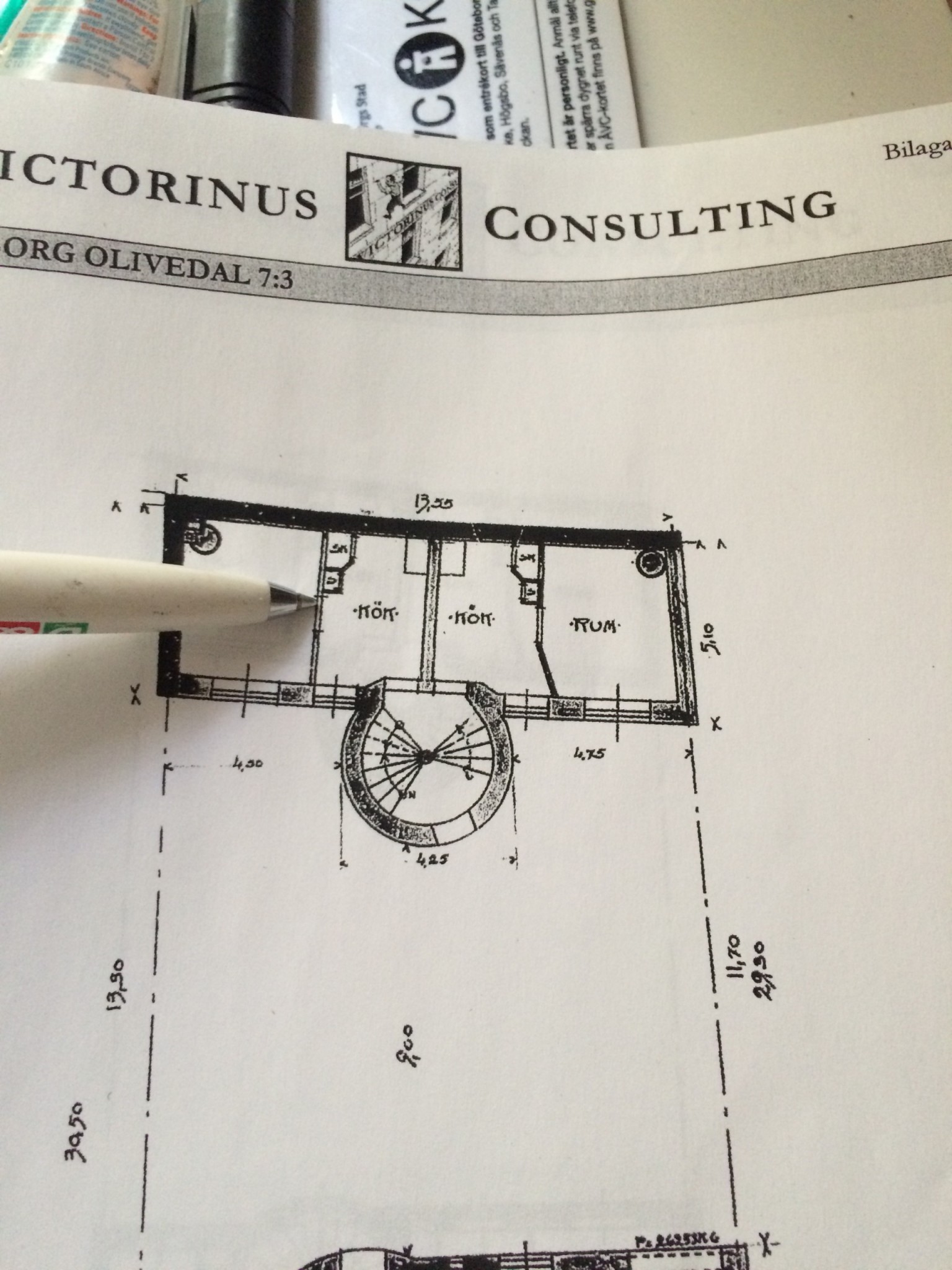
My girlfriend and I are planning to open up our floor plan in our apartment in a building that was constructed in 1910. When we started to take down the wall, we noticed that it is not a partition wall, as stated in the inspection done when the building was acquired by the association in 2005 (picture 1). Instead, it consists of some kind of lightweight clinker material. I can both hammer a 3" nail and screw regular screws into the wall. I can also saw into the wall without any problems using a reciprocating saw with a stone/Leca blade. What could this material be?
The wall was erected at the time of construction. However, it is not a load-bearing wall as I have checked that the beams run parallel to the wall. The wall is 90 mm thick. Do I need to get approval from the board to remove this wall, or is it enough to inform them (since it is not load-bearing) and then support it with an appropriate beam?
The opening we will create will be approximately 3 meters. Assuming the same material is used upwards in the building (we live on the first floor of four), is it possible to support it with an IPE beam? Do I need to consult a structural engineer even when it is not a load-bearing wall? Or is there someone here with experience in similar projects who can provide input?
If the wall supports a wall on the floor above, then it is a load-bearing wall because it carries something. Even if it's not the floor slab.
But I don't think it supports the wall on the floor above.
If you then read further into my question, I wonder if it is assumed that the same material has been used upwards in the house (i.e., not directly load-bearing), what would be a suitable beam?
If the wall is definitely not load-bearing, no beam replacement is needed at all. As for the rules in the BRF, isn't it just a matter of asking the board?
If you then read further in my question, I wonder if you assume that the same material has been used upwards in the house (i.e., not directly load-bearing), then what would be a suitable beam?
If the wall continues upwards in the house, your wall is load-bearing because it supports the wall above.
If it is not load-bearing, the wall above is supported by the floor structure, regardless of whether it is the same material or not.



 Where I got 1920 from (which I thought it was) is a big question mark.