
4,663 views ·
15 replies
5k views
15 replies
Concrete bench outside


We have used acrylic lacquer
Hi. I'm going to do the same thing. I saw on Bygglov (TV program) that they applied a Primer to the concrete to allow it to withstand being outside all year round. What did you use to sand the concrete? //MagnusN Niclas123 said:
Hello!
Sorry, this is a bit off-topic but I thought it was a good place to share more experiences.
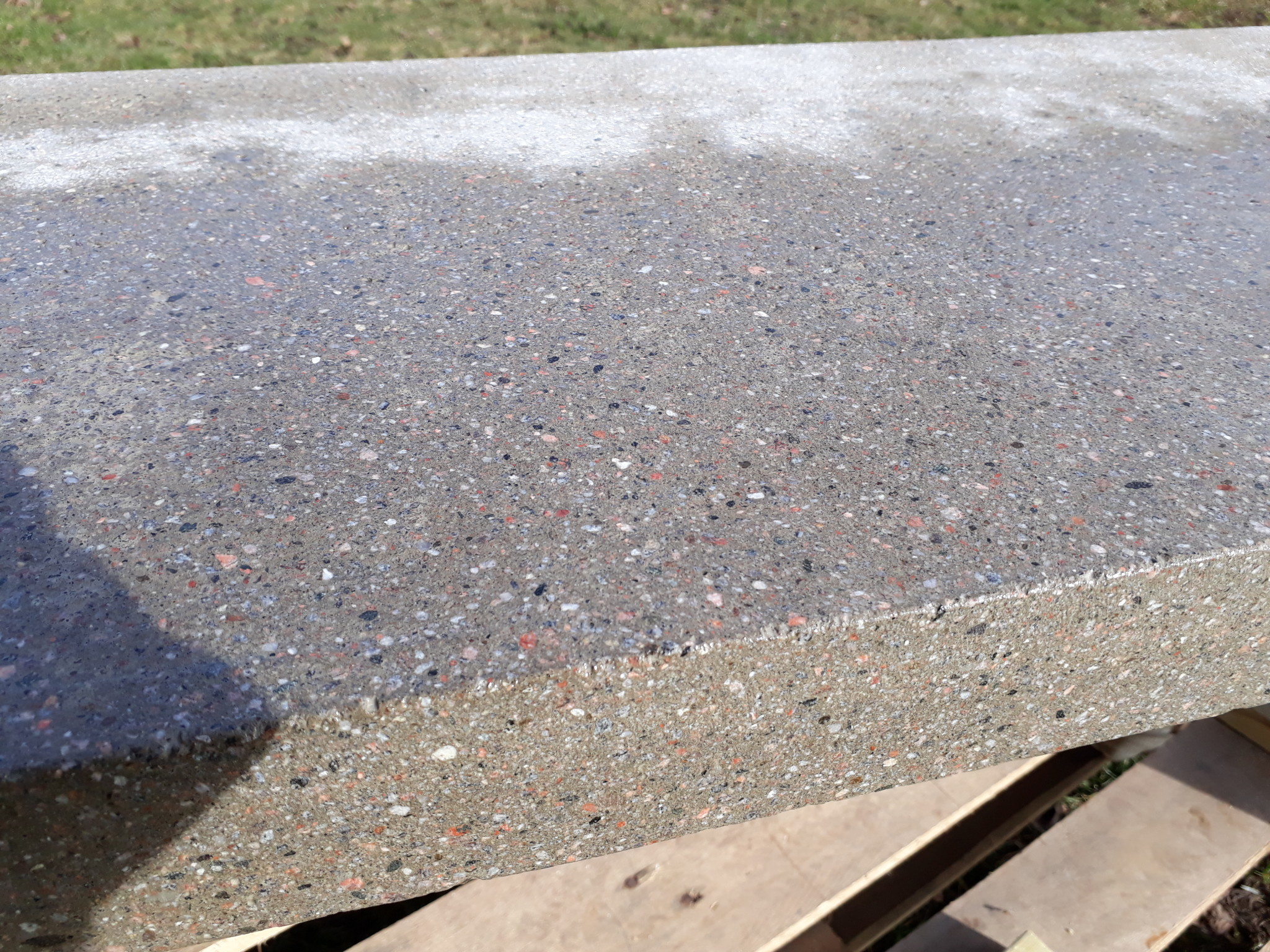
I recently made a concrete countertop similar to the one you made. My plan was not to sand much. I created a mold from form plywood and battens as a frame. According to various YouTube clips I've seen, corners should be treated with silicone, which turned out to be a big mistake. The silicone dried for about 1 day before casting, which perhaps was too little.
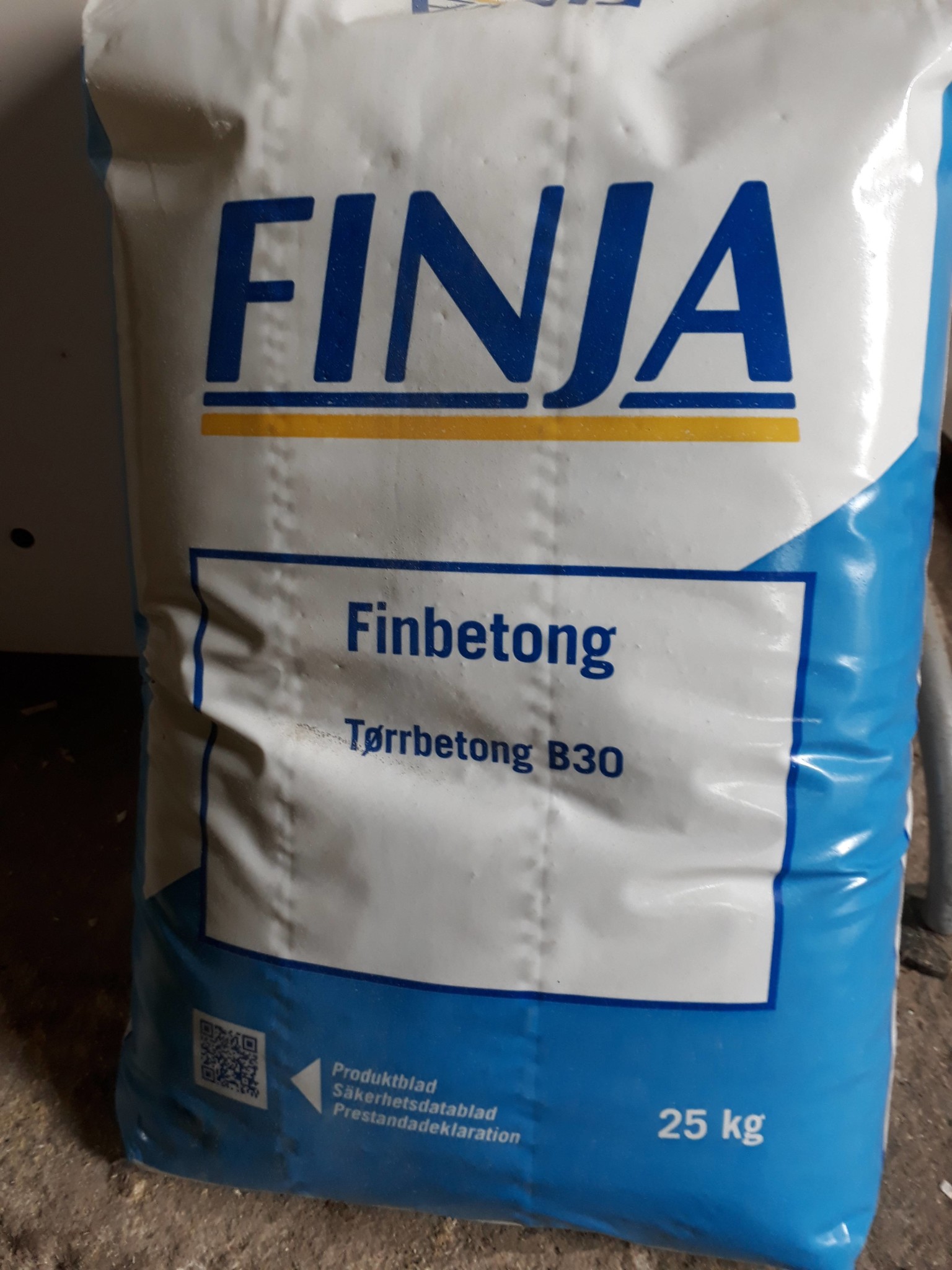
The casting was done with Finja's expanding concrete K50. I vibrated carefully and cast in multiple layers to avoid color variation in the top layer of the slab. BUT, it seems the concrete reacted with the silicone in the corners, or maybe the silicone was too strongly hydrophobic.
If I do it again, no silicone, better to sand the corners afterward (works with regular wet sandpaper). Do not use battens as a frame, use plywood, consider fiberglass reinforcement (fabric) instead of reinforcement mesh. Finja expanding concrete K50 gives a mirror-like surface directly (against the form plywood) without sanding. I've heard rumors that aluminum profiles as a frame are good but that's too advanced for me, but it might be worth checking out!
Finishing, if it weren't for my ugly edges, I would have left it as is (outdoor grill bench) but I got so annoyed yesterday that I applied a coat of OSMO Hard Wax Oil I had lying around at home. Now at least the whole slab has the same color!
Good luck to all DIY enthusiasts!
Sorry, this is a bit off-topic but I thought it was a good place to share more experiences.
I recently made a concrete countertop similar to the one you made. My plan was not to sand much. I created a mold from form plywood and battens as a frame. According to various YouTube clips I've seen, corners should be treated with silicone, which turned out to be a big mistake. The silicone dried for about 1 day before casting, which perhaps was too little.
The casting was done with Finja's expanding concrete K50. I vibrated carefully and cast in multiple layers to avoid color variation in the top layer of the slab. BUT, it seems the concrete reacted with the silicone in the corners, or maybe the silicone was too strongly hydrophobic.
If I do it again, no silicone, better to sand the corners afterward (works with regular wet sandpaper). Do not use battens as a frame, use plywood, consider fiberglass reinforcement (fabric) instead of reinforcement mesh. Finja expanding concrete K50 gives a mirror-like surface directly (against the form plywood) without sanding. I've heard rumors that aluminum profiles as a frame are good but that's too advanced for me, but it might be worth checking out!
Finishing, if it weren't for my ugly edges, I would have left it as is (outdoor grill bench) but I got so annoyed yesterday that I applied a coat of OSMO Hard Wax Oil I had lying around at home. Now at least the whole slab has the same color!
Good luck to all DIY enthusiasts!
How exactly do the corners look? If you don't have silicone, it can dry out faster in the corners if you're unlucky. Then it doesn't need to be much silicone.
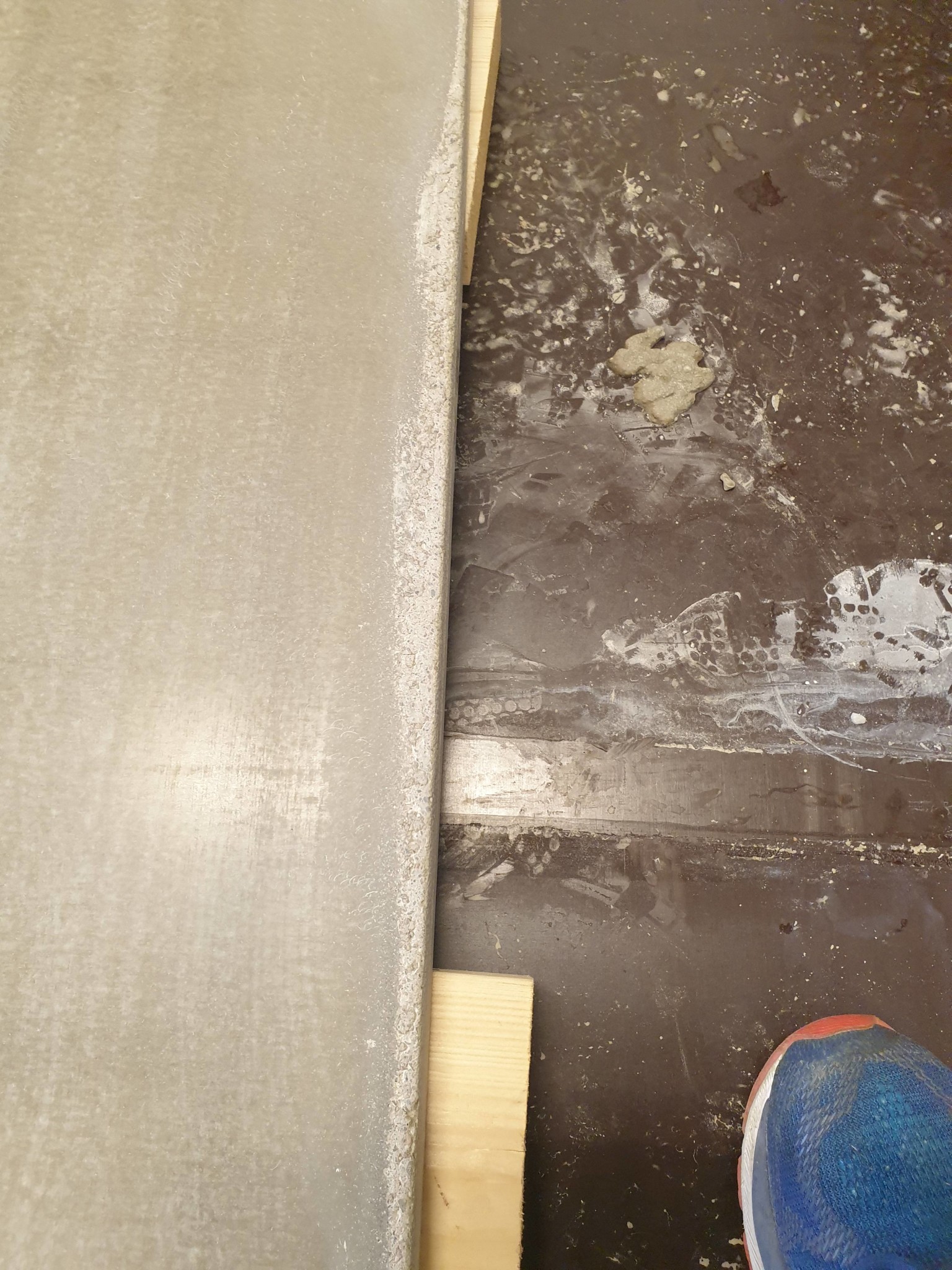
The surface turned out really nice. I cast with Weber's fine concrete, which also turned out well. I tapped the mold with a hammer for quite a while to get rid of bubbles. I've understood that expanding concrete is good for minimizing bubbles. I got a smooth surface but some bubbles/holes on the edges.
The reinforcement showed through but disappeared (almost) when I applied a primer.
The reinforcement showed through but disappeared (almost) when I applied a primer.