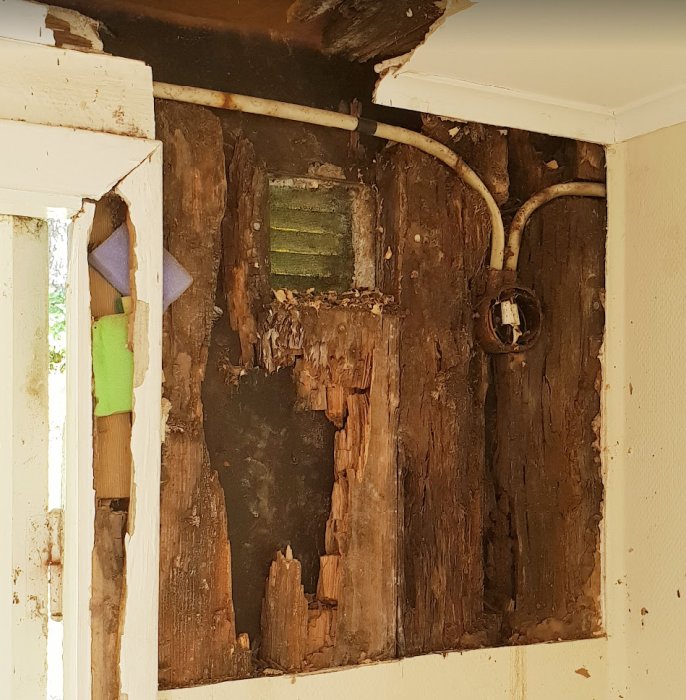
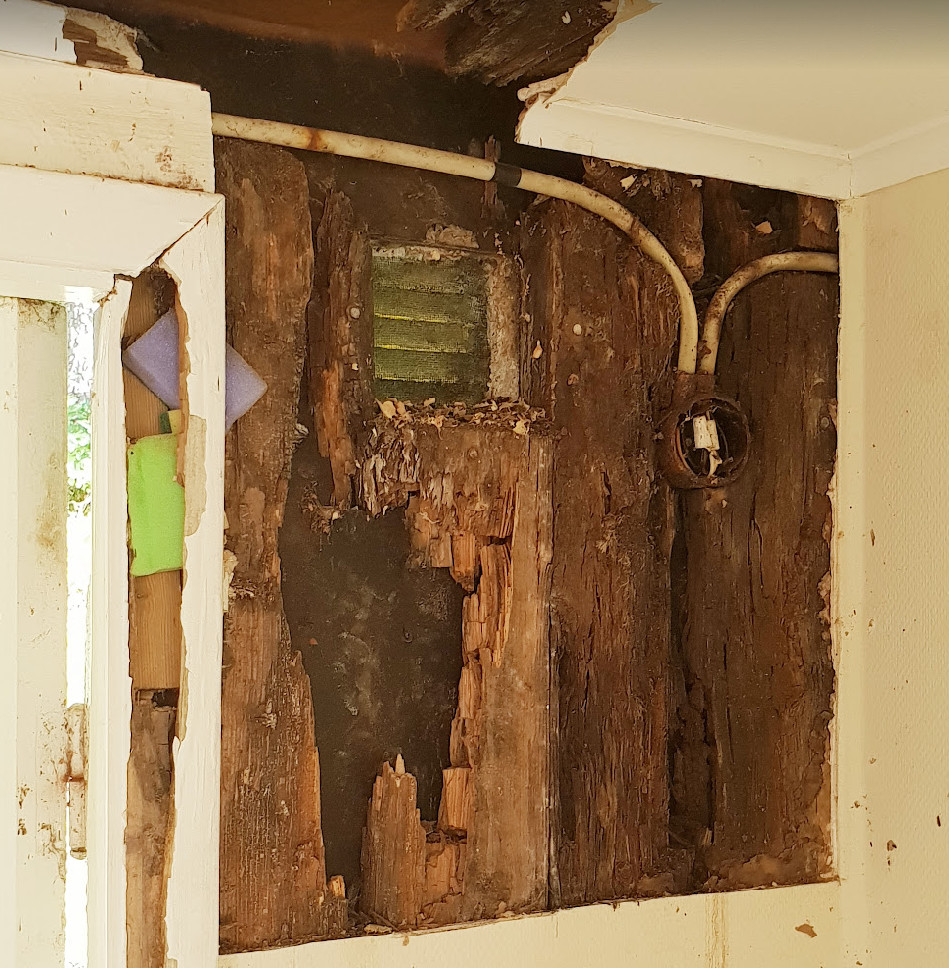
I have a severe moisture damage issue in my guest cottage. The interior wall is completely rotten, and I don't know how to fix it. It didn't look too bad "on the surface," but when I started to dig into it...
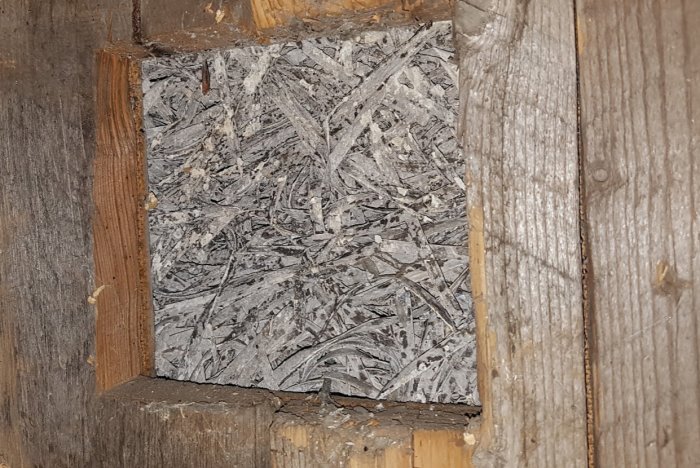
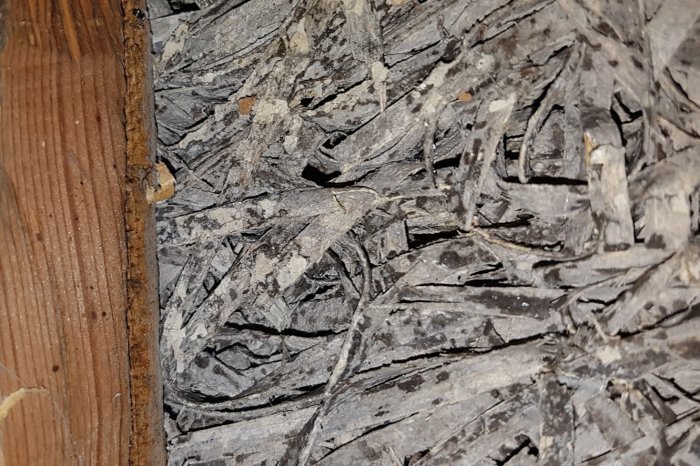
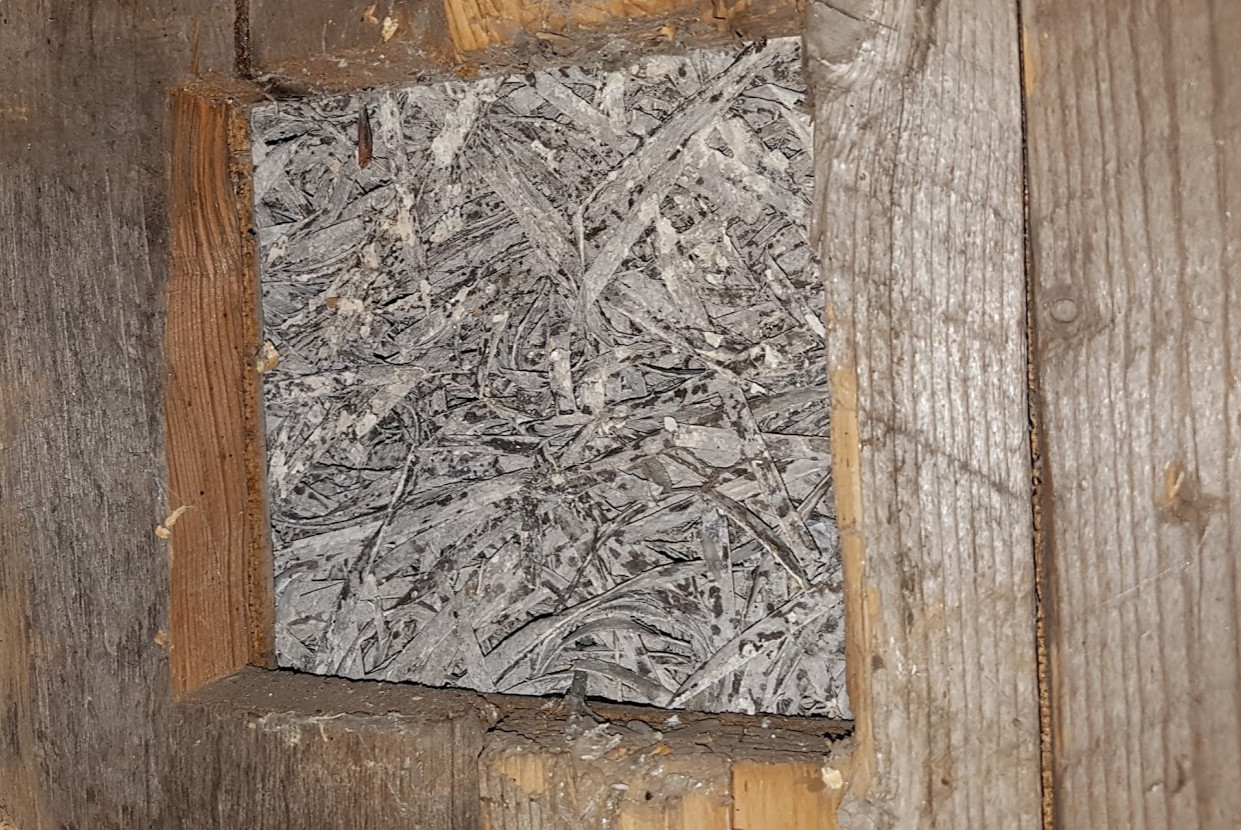
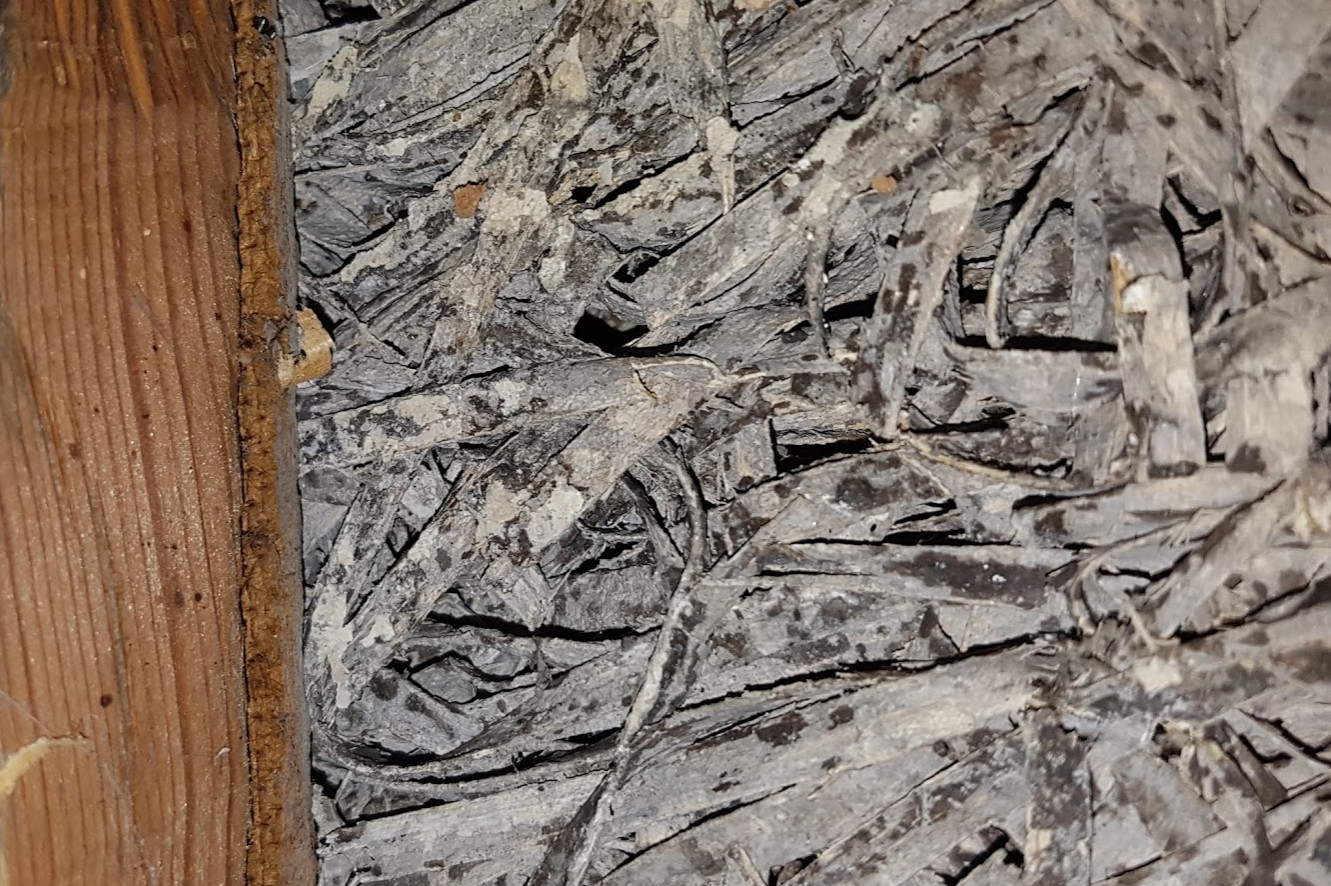
Inside, there's a thin (6-8 mm) gypsum board, which has camouflaged the damage quite well, and the facade is made of a material that I can't quite figure out what it is (about 20 mm thick):
On the outside, there's painted plaster.
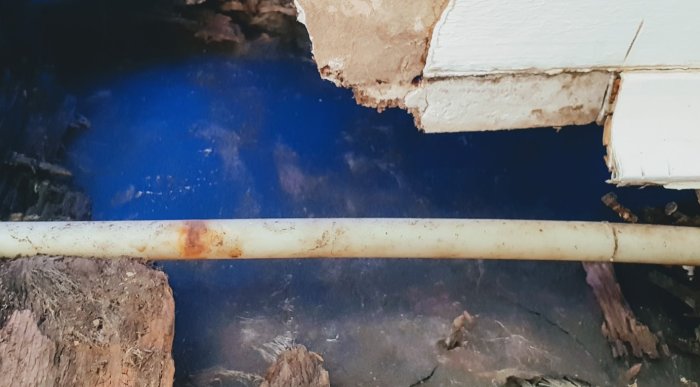
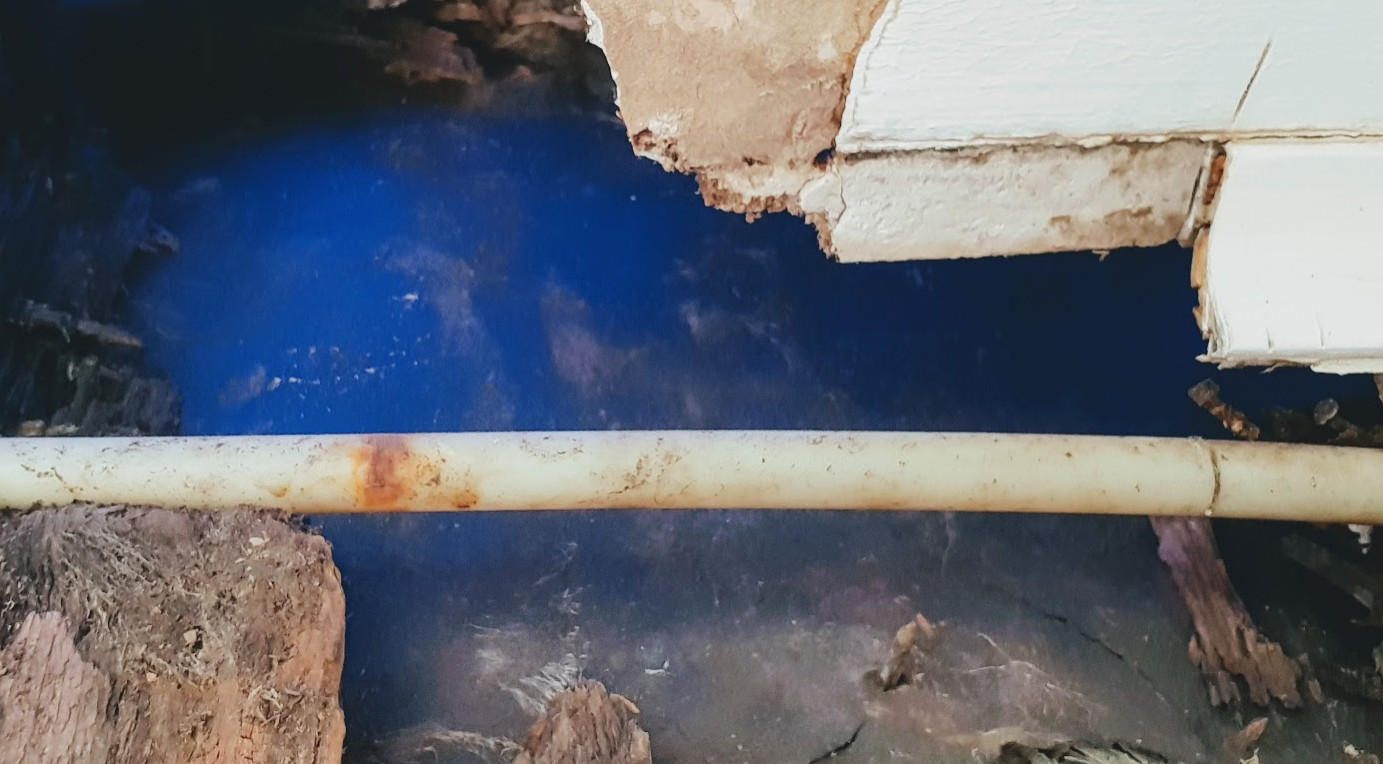
Between the "mysterious" material and the wood, there's a kind of "plastic-like" blue paper (it's probably plastic that has hardened over the years), which has served as a moisture barrier between the wood and the "mysterious" material:
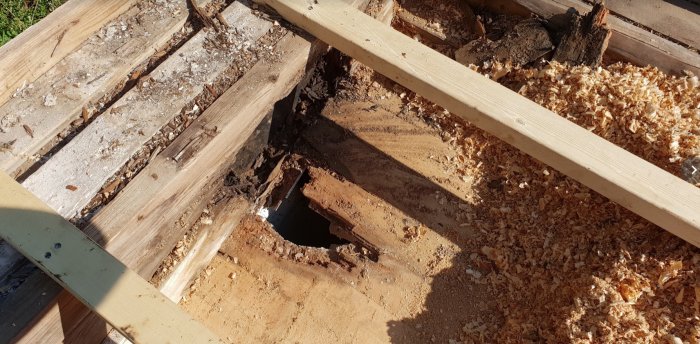
It's quite possible that the entire interior wall looks like it does in the first picture, but even if it's only part of it that does, I don't know how to go about replacing the moisture-damaged wood.
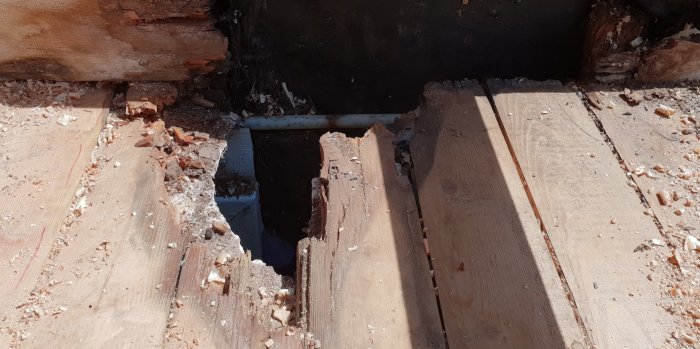
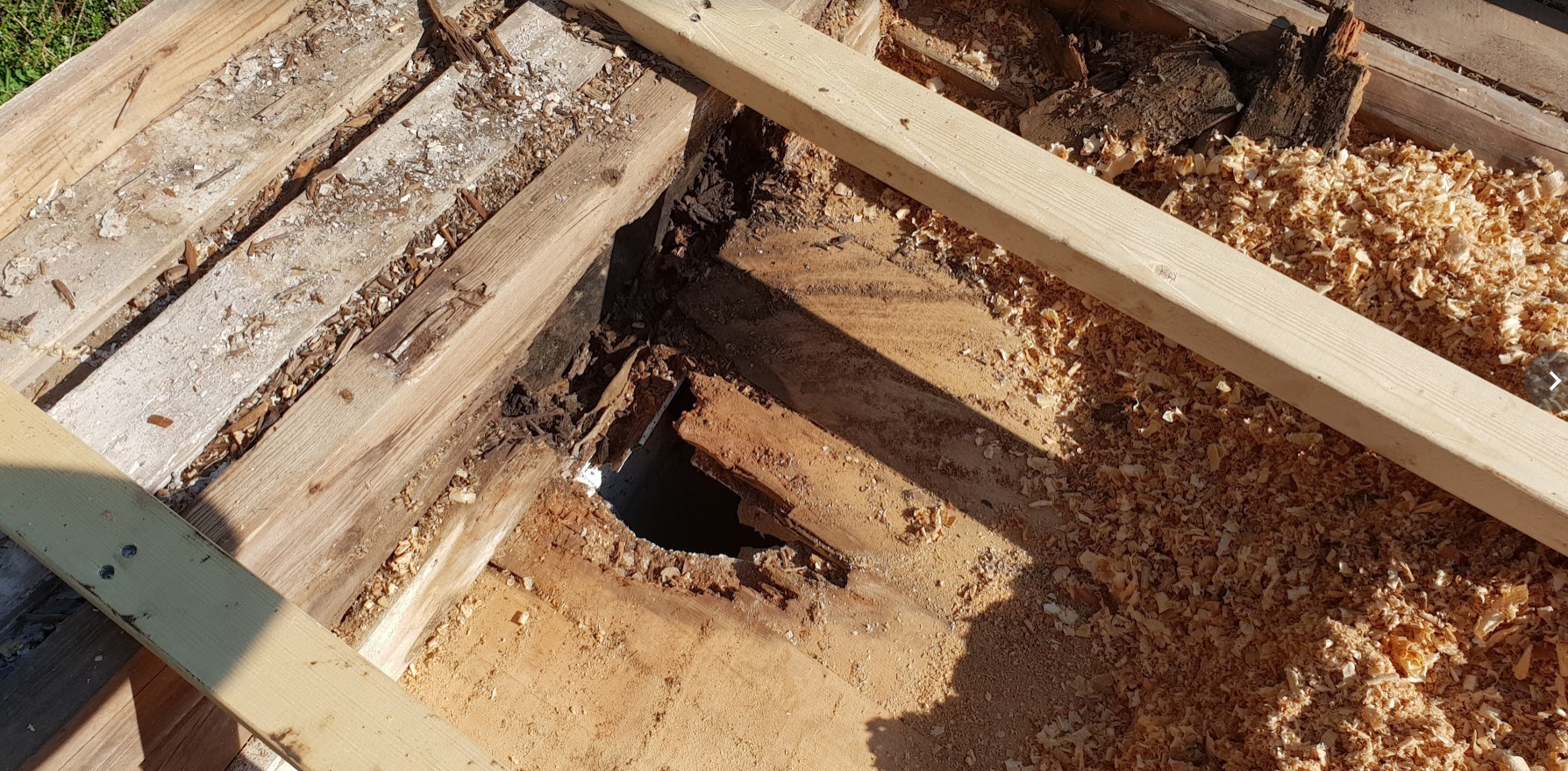
The thing is, I'm in the process of replacing the corrugated asbestos cement sheets that were there previously with raw boards and paper (low roof pitch), and before I lay the raw boards over the damaged area, it would be good to know if I should fix the damage before doing so - there's only crawl space up there.
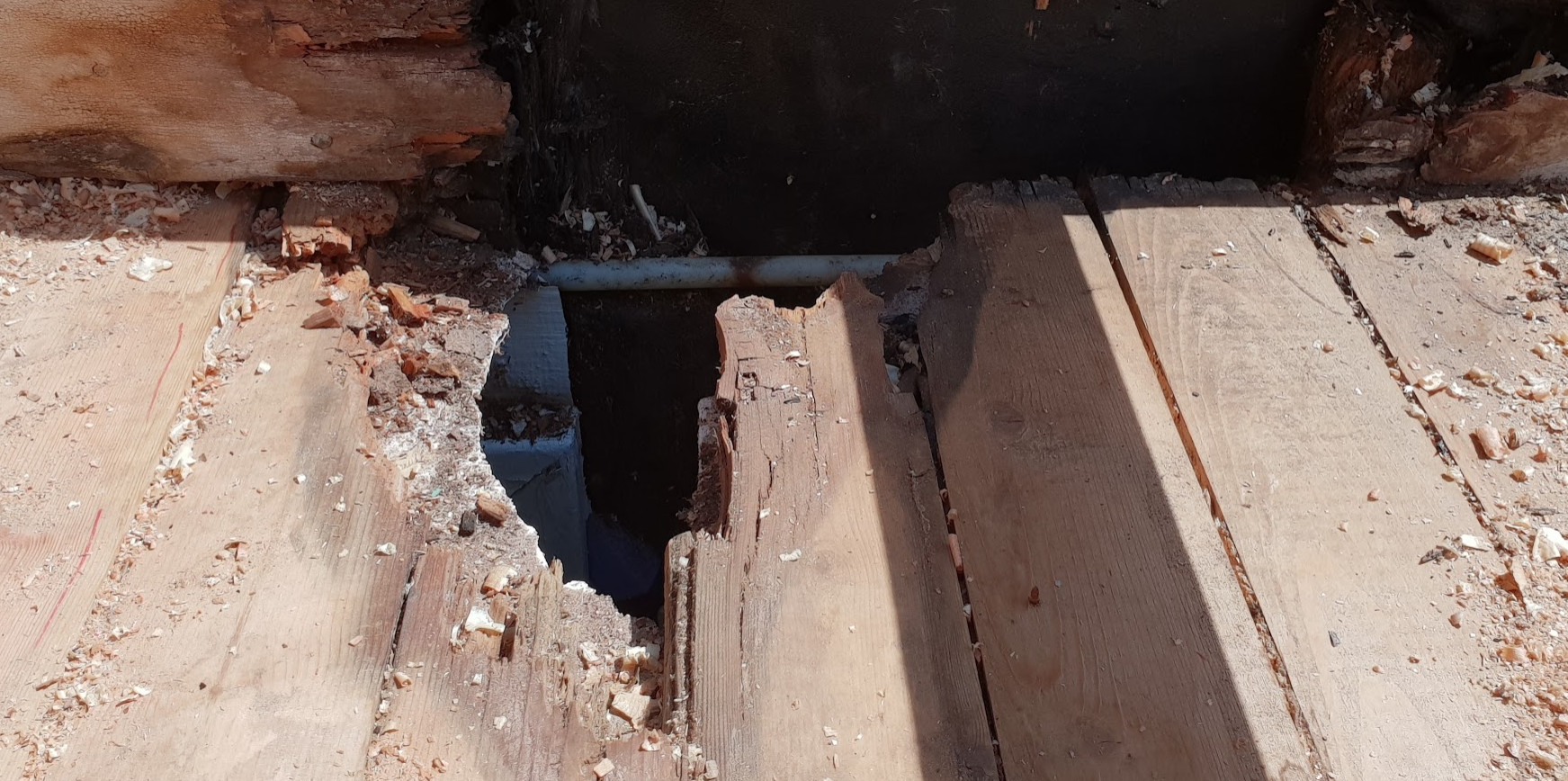
Here's what it looks like from the "attic" view:
The description may have become a bit confusing, but do you have any ideas on how I can solve this?
A leak in the roof that has run down into the wall, before the roof, so prop up the roof internally and replace the rotten parts. The insulation that's there is heraklit, wood fibers mixed with cement water to become boards, which usually doesn't rot.
A leak in the roof that has gone down into the wall before the roof, so prop up the roof from the inside and replace the rotten parts. The insulation that is there is heraklit. Wood shavings mixed with cement water to become boards, it usually doesn't rot
Thanks for the answer. Now comes the stupid question: what do you mean when you say "prop up"?
A rule that is against the ceiling and some standing between the floor and the one on the ceiling, which braces against it, then the ceiling cannot fall down when you tear down a part of the wall, is called "stämpa"
A rule that lies against the ceiling and some standing between the floor and the one in the ceiling, which tensions against it, then the ceiling can't fall down when you tear down a part of the wall, it's called "stämpa"
Aha, ok. Thanks. I'm a bit curious about the load-bearing capacity in Heraklit...
Do you think it's a job that can be done after the ceiling is complete, or do you need access from above? It would be nice to finish the ceiling first while the weather is still good.
The "mysterious material" is called Träullit, used among other things as a rendering carrier. https://www.traullit.se/
Heraklit is a newer copy of the original that was manufactured in Österbymo, Östergötland for many years
The "mysterious material" is called Träullit, used among other things as a plaster carrier. [link] Heraklit is a newer copy of the original that was manufactured in Österbymo, Östergötland for many years
It was an exciting material that I have never heard of (which probably says a lot about my building knowledge...)
What do you think? Should it be possible to replace the inner wall without accessing from above? I am happy to take more pictures if needed
The wood wool board is used as insulation in the wall and has no load-bearing capacity. There are probably vertical studs in the wall and an outer panel, so everything is supported anyway. During new construction, the outer panel is sometimes installed first and the interior walls later. I don’t think you need to worry that the house would collapse if you remove the inner boards.
You and rävlyan fd. liteavvarje compete to be unclear. But maybe you understand each other. Good luck!
It seems there are more competitors on the forum, considering what can be found in your posts. So I think you should stop with your sarcastic and ironic comments, it's just a well-meaning suggestion and not to act like some guru in the world of grammar as you certainly portray yourself. A clear violation of the forum rule § 4.5.1
I'm not quite clear on the concept of an interior wall, that looks like the inside of an exterior wall in the first picture?
I would definitely want to see the full extent of the damage before deciding whether to address it now or later.
If it's vertical planks with träulit and plaster on the outside, then there's about as much load-bearing capacity in the wall as a bag of potting soil in this particular area.
The träullskiva is placed as insulation in the wall and has no bearing capacity.
There are likely standing studs in the wall and an outer panel, so everything is supported anyway.
In new constructions, the outer panel is sometimes installed first and interior walls later, so I don't think you need to worry
that the house would collapse if you remove the inner panels
I think it looks like a load-bearing plank wall, so the risk of it collapsing is quite significant if you remove the planks.
That's why I said to prop up the roof on the inside so nothing happens when the planks are replaced
Then after that you wrote
Rrävlyan said:
That träullskiva acts as insulation in the wall and has no load-bearing capacity. The wall likely has vertical studs and an outer panel, so everything is supported anyway. In new builds, the outer panel is sometimes put up first and inner walls later; I don't think you need to worry about the house collapsing if you remove the inner boards
Which makes it even more unclear since it is a house with plaster on the outside, and träullit is probably the plaster carrier.
I understand that it's difficult to determine if I can replace the wooden parts without more information, so I will take more pictures tomorrow and upload them here.
Vi vill skicka notiser för ämnen du bevakar och händelser som berör dig.

hscn said: