A question comes up. Do you have the board's approval for this?
If I answer your question, will I then get an answer to my question?
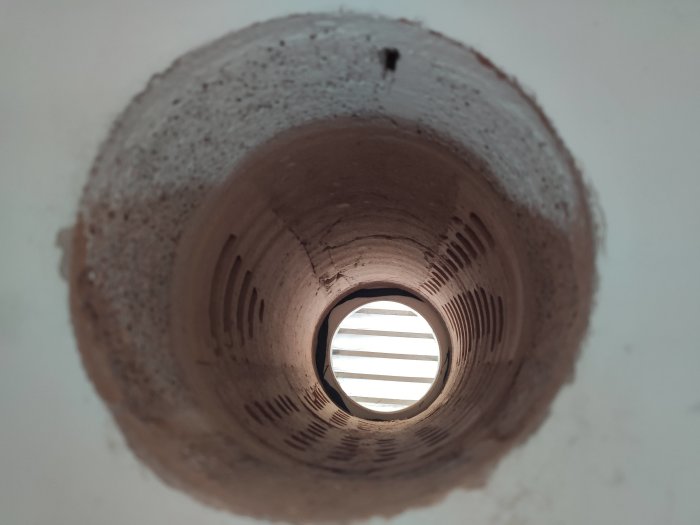
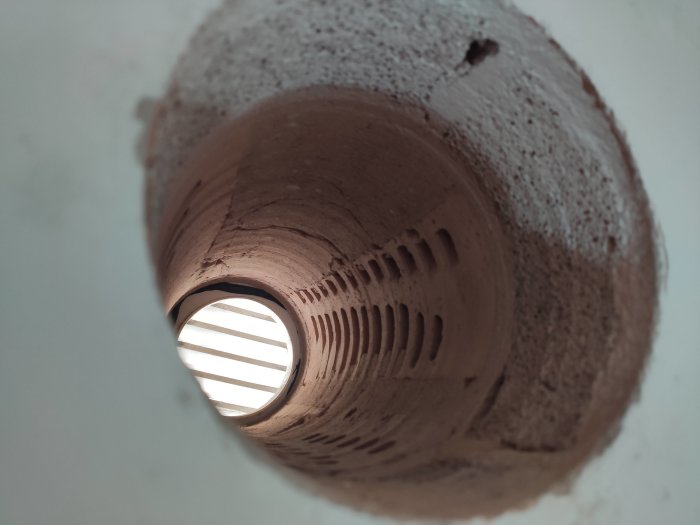
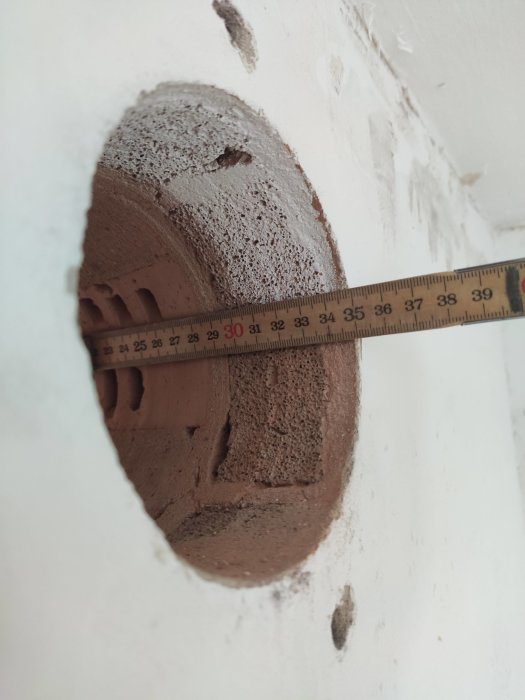
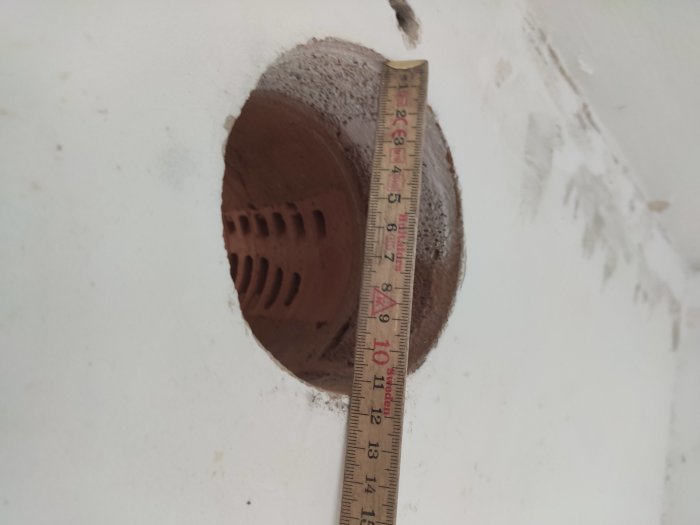
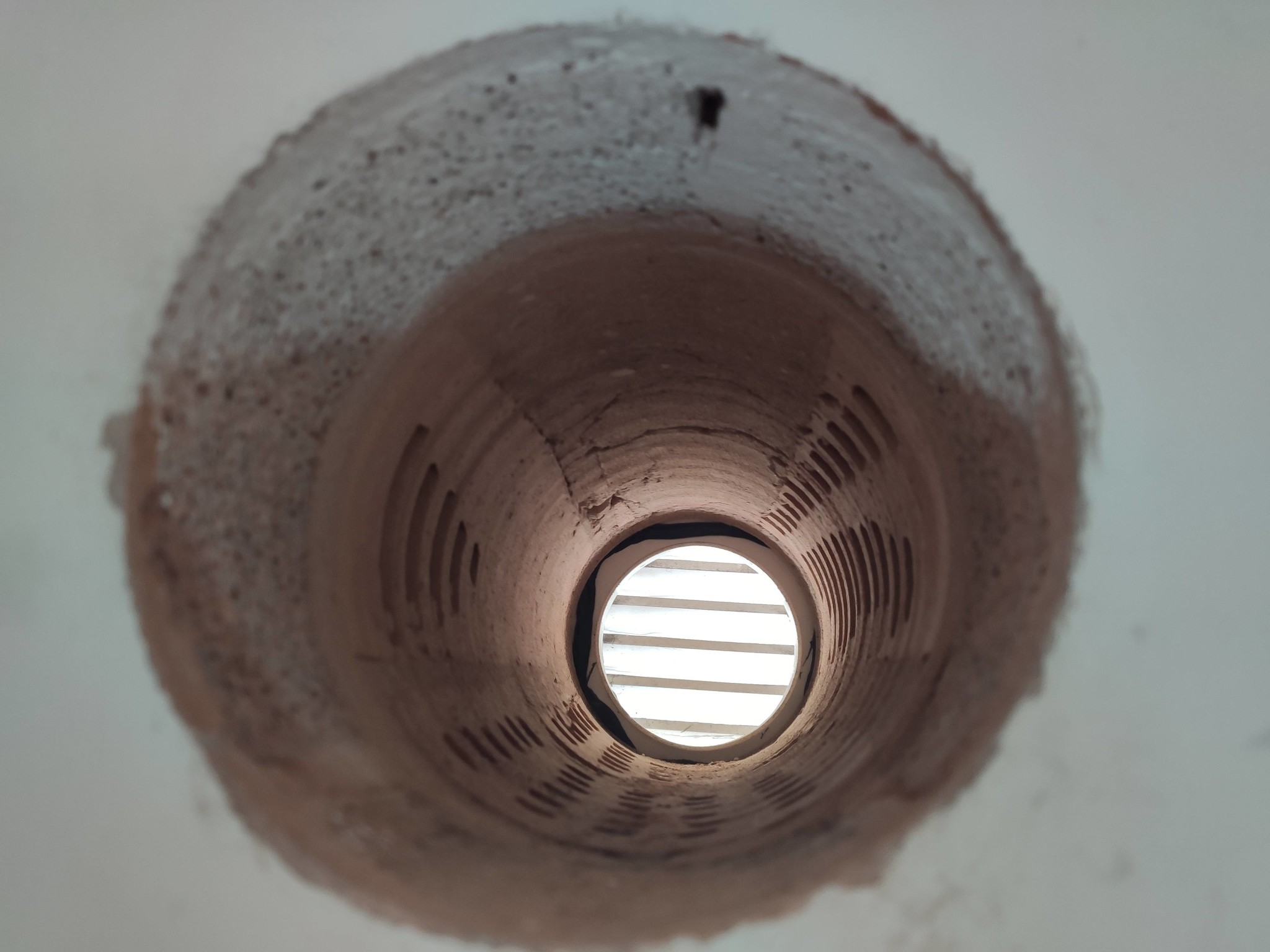
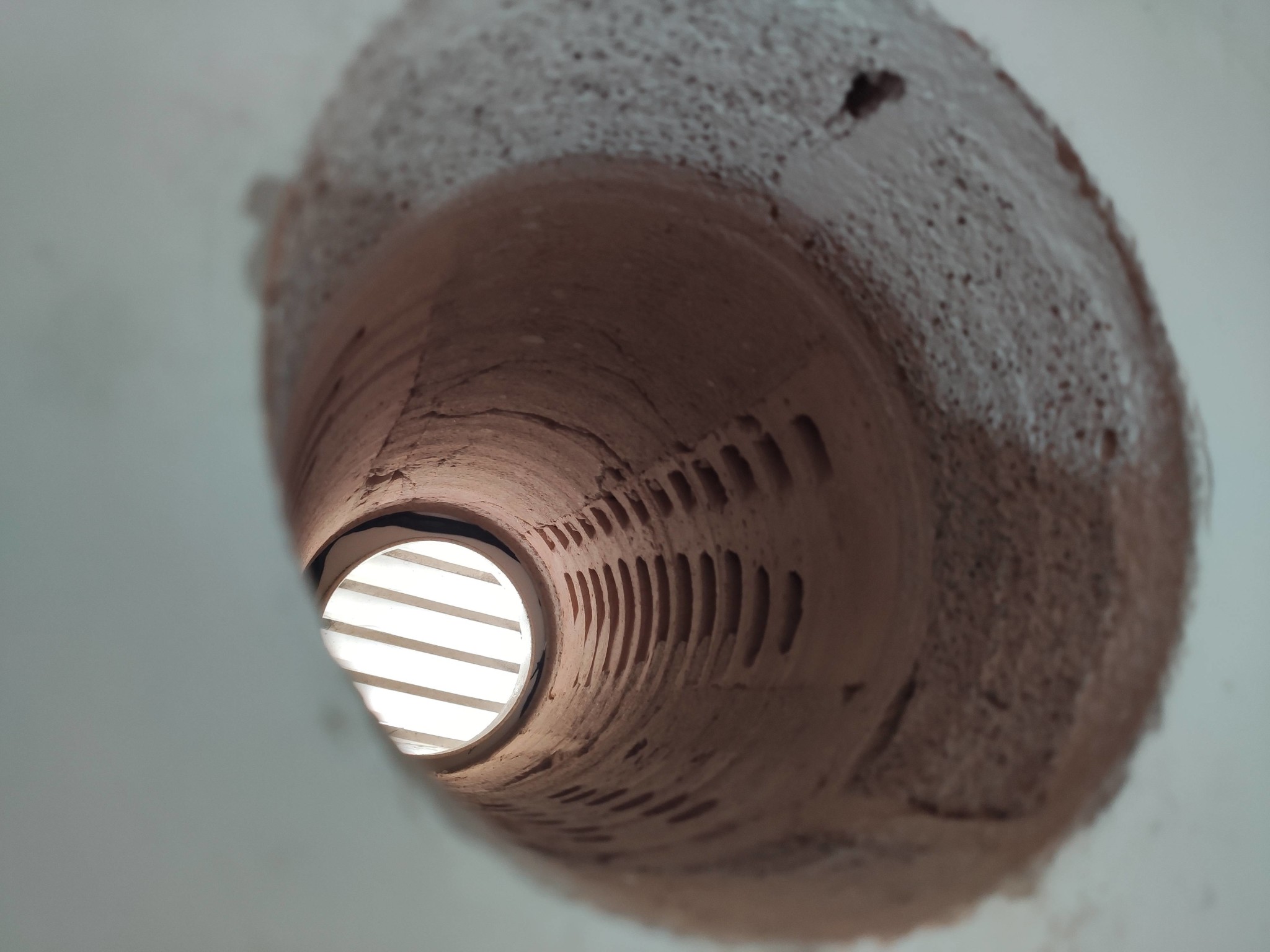
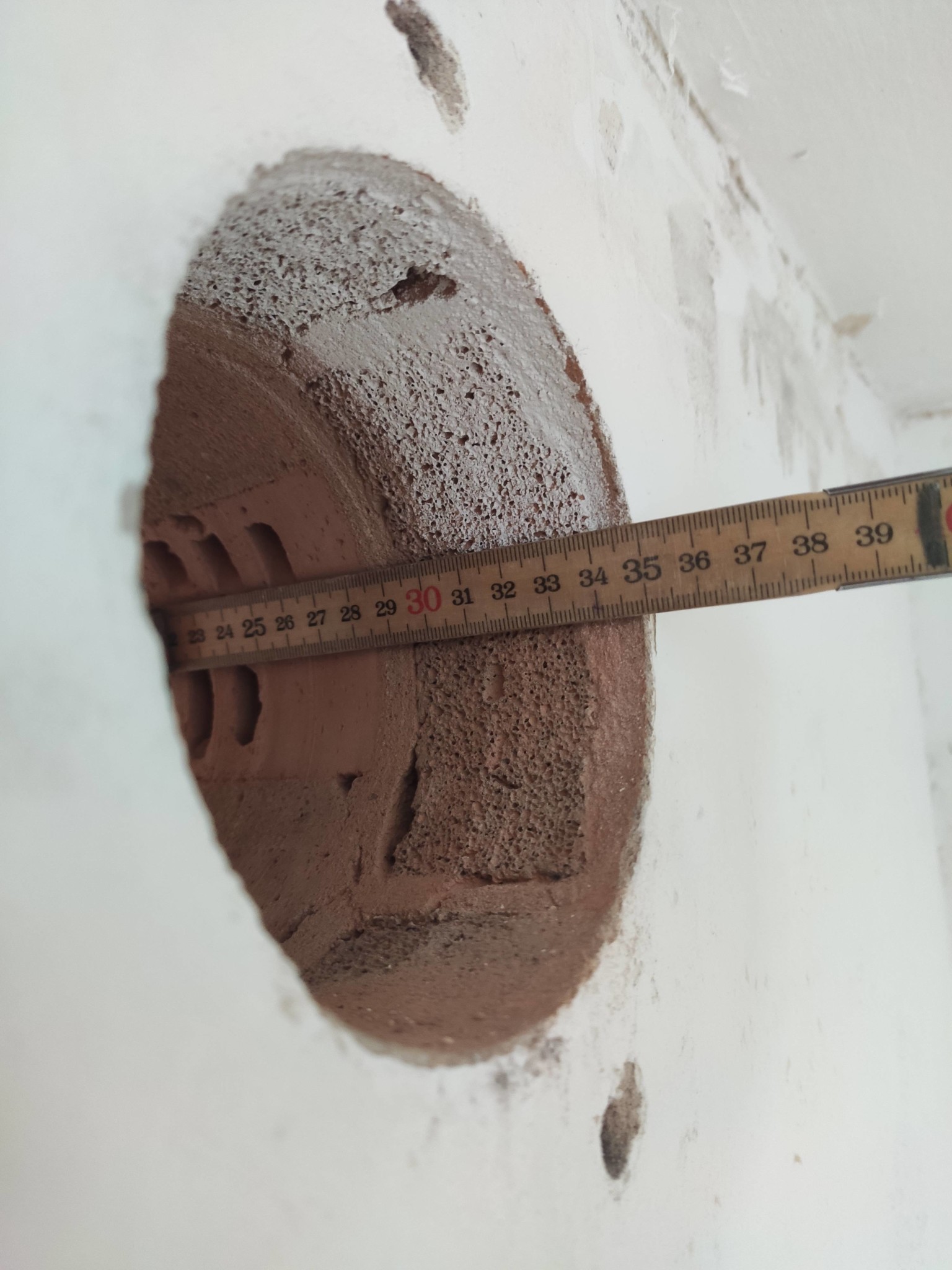
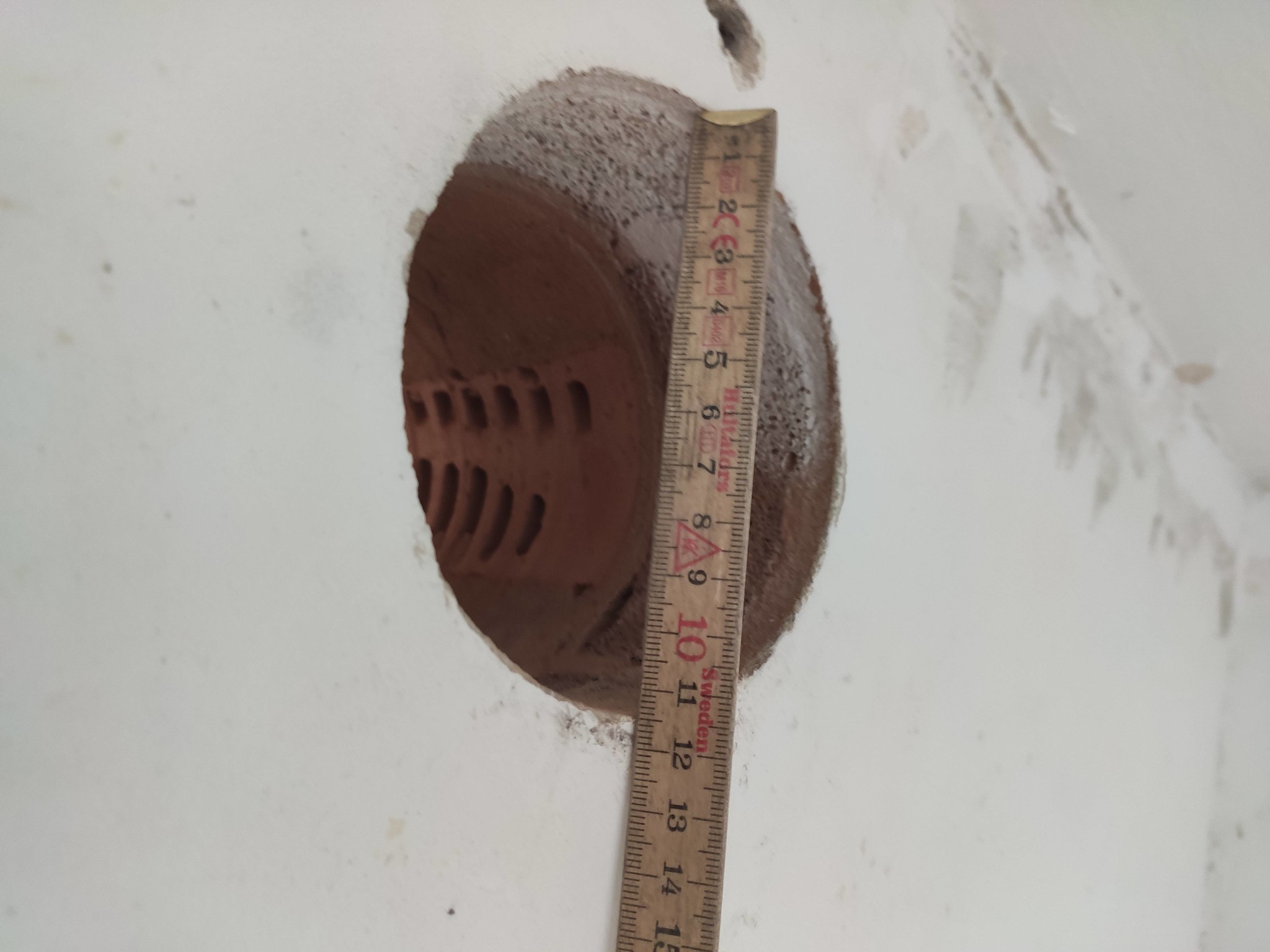
I do have the board's approval for this, yes, they will start their work throughout the stairwell next week for ftx ventilation so the holes will need to be sealed in one way or another.
Their carpenter apparently doesn't remove the entire pipe but places in insulation and then some silicone against the plastic pipe and then glues on some piece (yes, that was the answer I got from the technical manager) and then a metal box on the outside.
I would have filled the hole with stone wool (~kind of ground board) or something similar and then plastered the inside with, for example, gypsum plaster or regular plaster mortar.
Gypsum plaster is probably easier to sand and then fine putty than cement-based mortar.
I would fill the hole with stone wool (~type ground slab) or similar and then plaster the inside with, for example, gypsum plaster or ordinary plaster mortar.
Gypsum plaster is probably easier to sand and then fine spackle than cement-based mortar.
Okay, a piece of foam plastic maybe and then gypsum mortar was my first thought.
On the inside, I think plaster will be good. However, I don't know what the outside looks like, but I assume the vent will stay and provide some protection. My objection to cellplast was mostly that it may not be as age-resistant and durable against, for example, an animal scratching away the cellplast and building a nest there, but maybe it will be fine.
Fill with a massive brick and mortar, good enough lambda and much cheaper.
What is lightweight concrete should be plastered with a low-alkaline mortar.
You should cut the edges 1-2 cm at an angle so you also plaster beyond the "hole" and it will be much more likely not to crack in a few weeks.
Leave the plaster a few mm inside for filler.
I would buy three bricks or alternatively a small lecablock.
Then you chip the brick or lecablock so that it fits with maybe a cm margin in the hole using a masonry hammer. Not difficult if it sounds like this, and not precision work.
You will also need a bag of mortar.
Wet the hole with a spray bottle. Smear mortar on the inside. Smear mortar on the stone. Press/knock it into the hole with the masonry hammer. Make sure it ends up a couple of cm inside the wall.
Then plaster to make it look nice against the wall. Two steps of plastering + spackling will likely be required.
Click here to reply
Vi vill skicka notiser för ämnen du bevakar och händelser som berör dig.


Anders243 said: