I have a question about casting a retaining wall in two stages instead of one. The reason is that it will be a bit easier to cast the standing part if the lying part is already done.
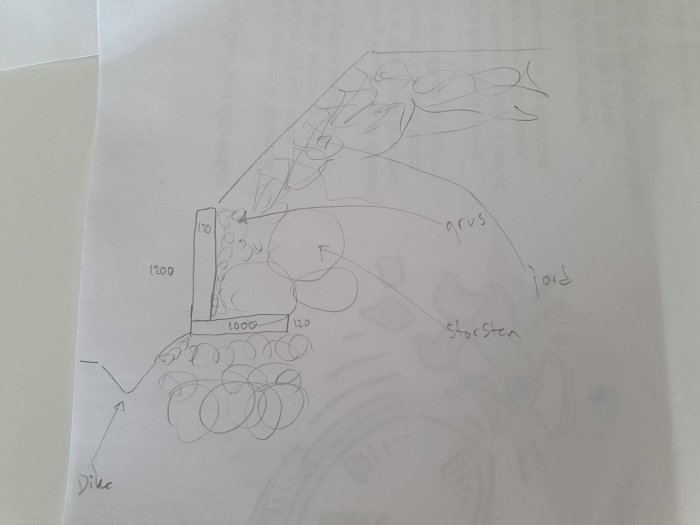
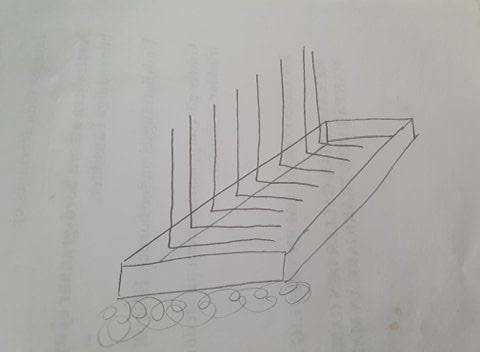
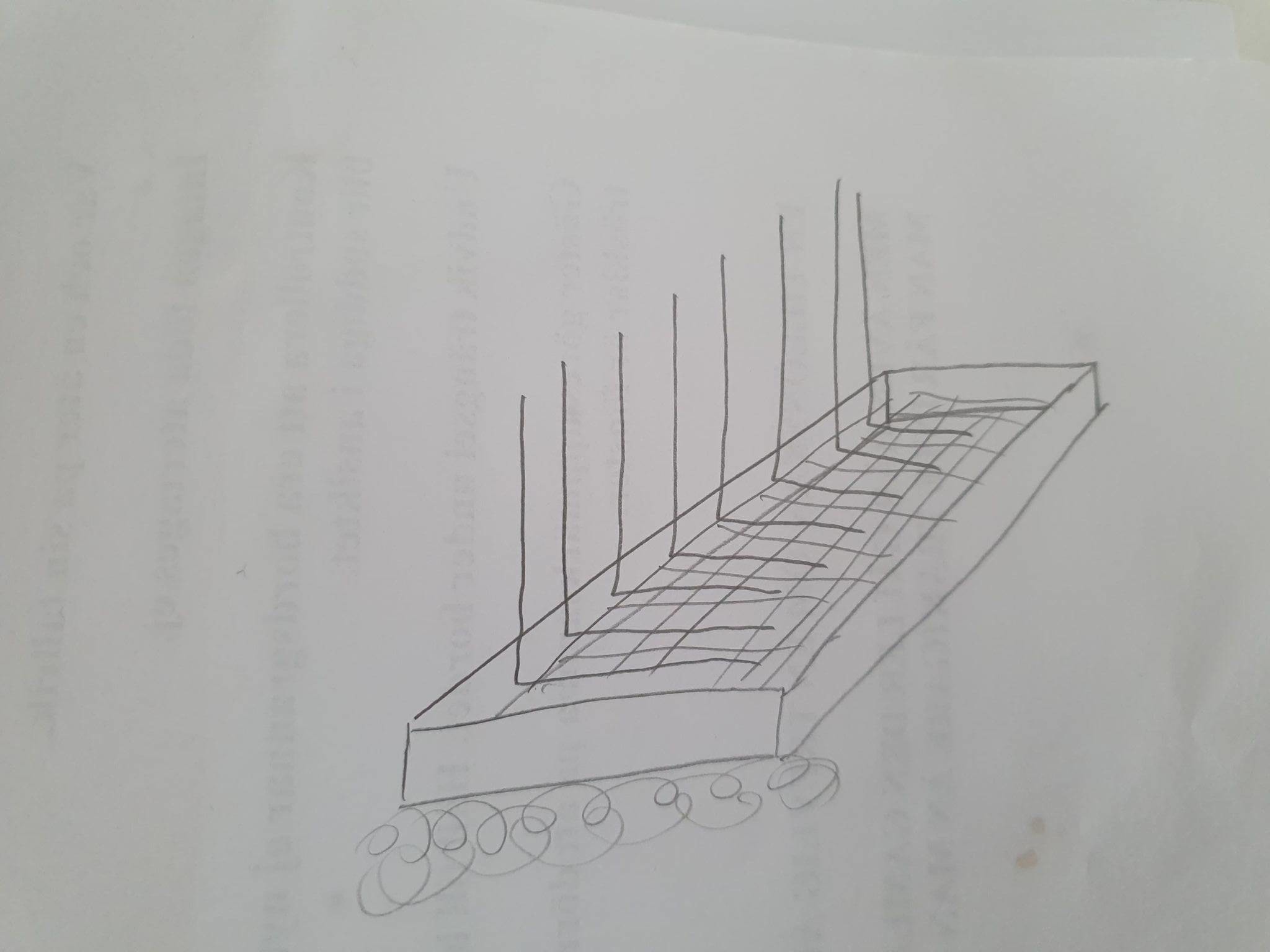
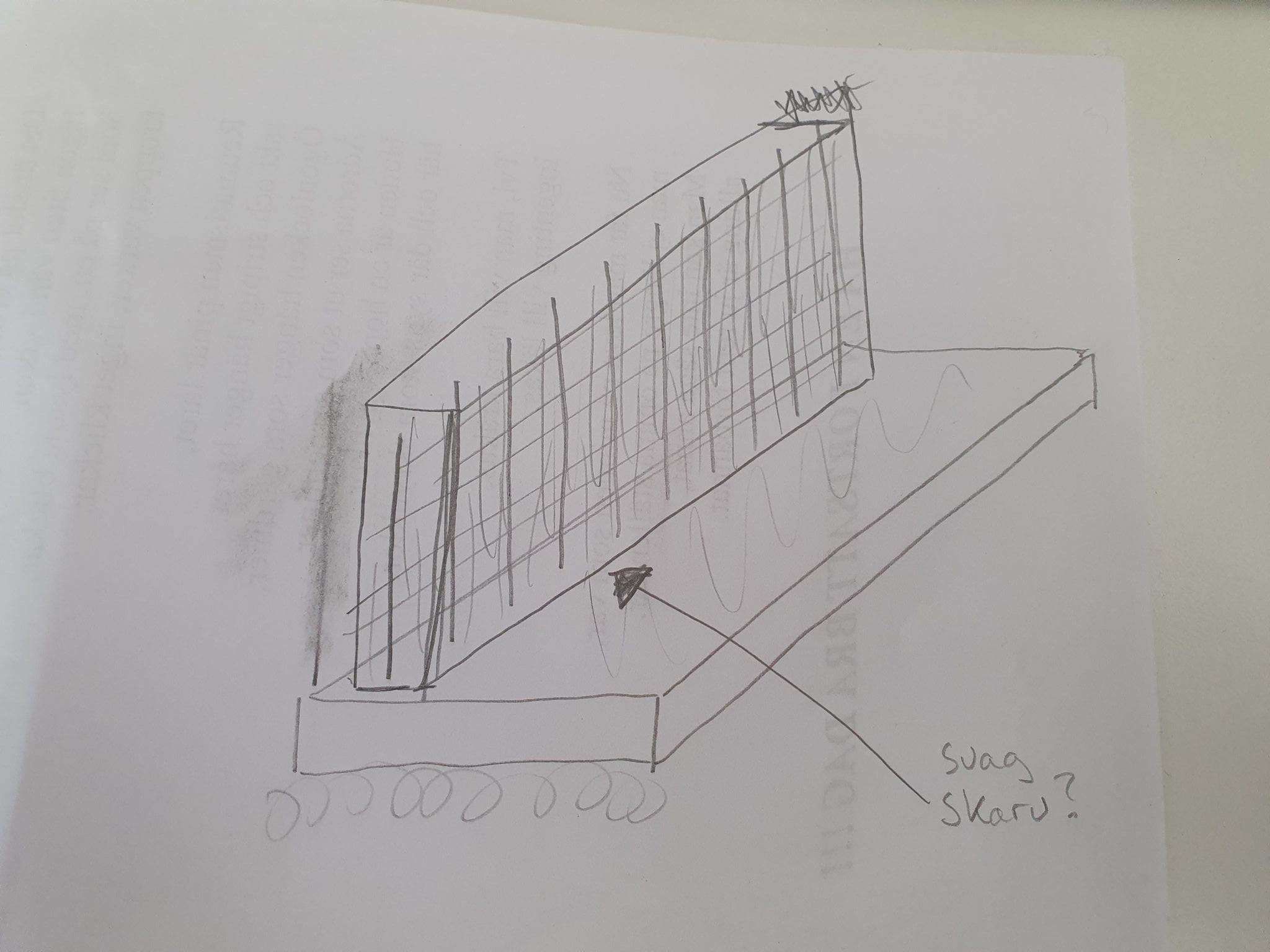
The length of the wall is 30 meters in total, and the height is 1.2 meters. Above the wall, there will be a sloping according to the picture. The wall is cast as an L-support to be able to take up loads as intended.
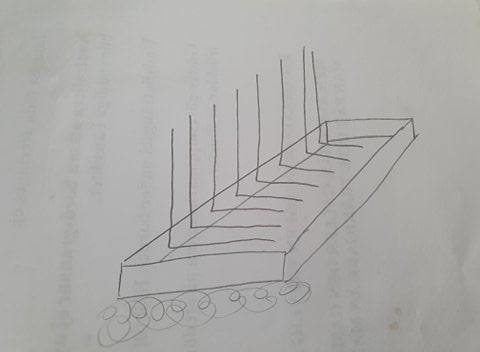
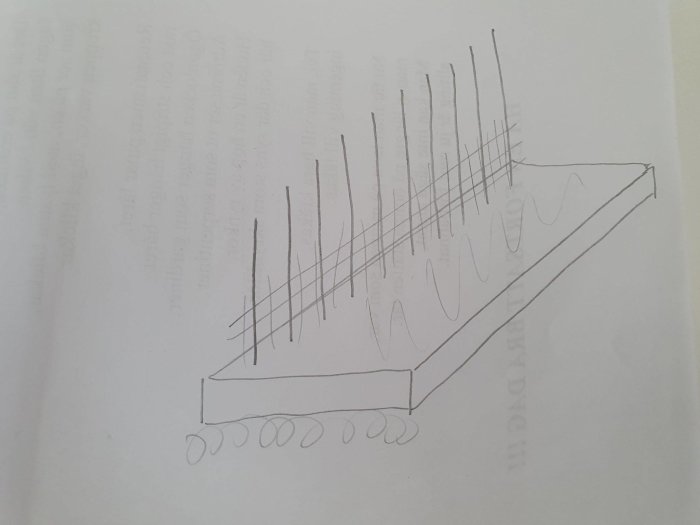
First, I build a mold that is basically just a frame and set bent rebar.
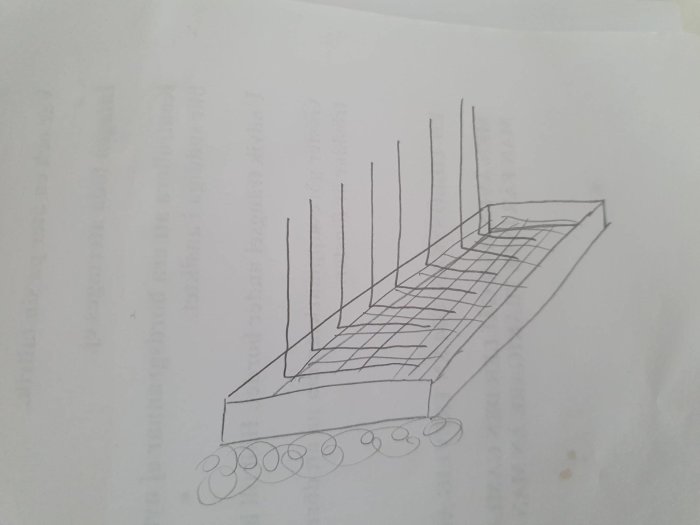
Then I place a reinforcement mesh in the middle.
Then, I attach the reinforcement mesh approximately 0.5 meters up on the rebar that sticks up.
Then I cast.
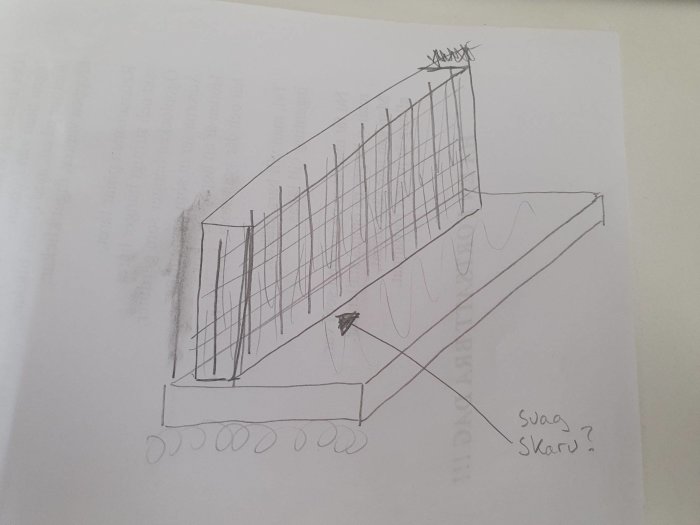
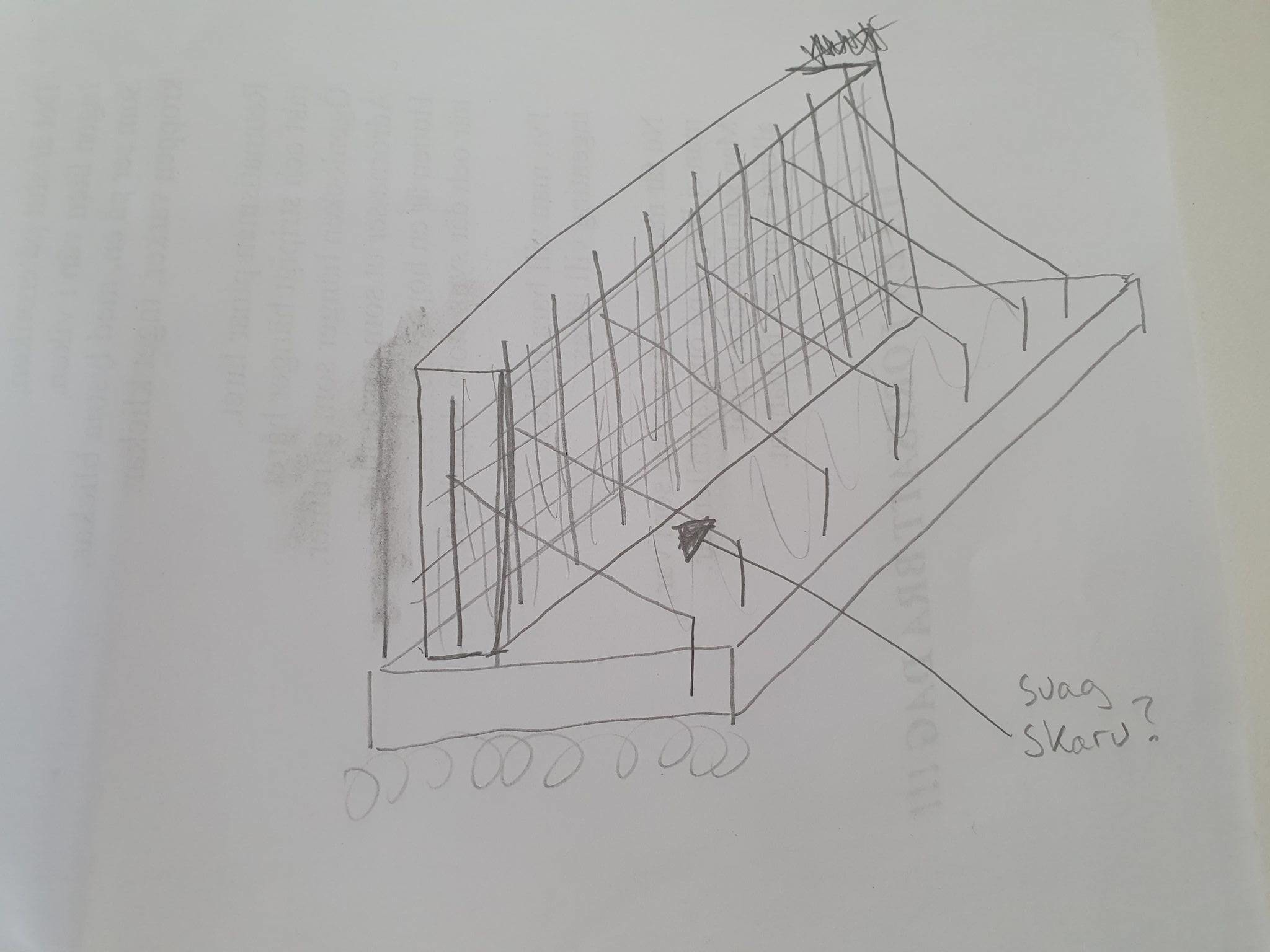
Afterwards, I form, set the reinforcement mesh completely up, and cast the standing part. As you can see in the picture, I have pointed out where I ASSUME there will be a weak point. It is this weak point I am concerned about (I also assume that water will come there and erode that part over time).
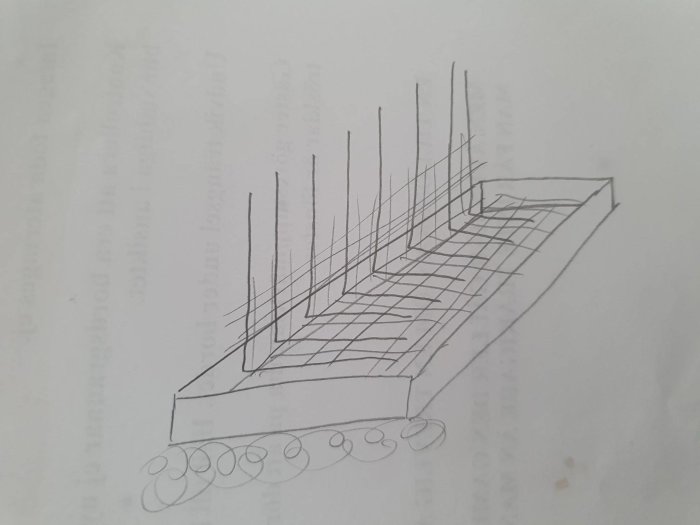
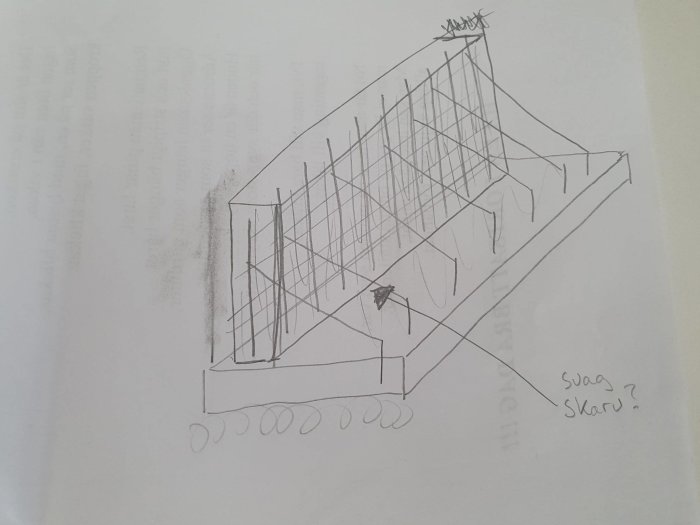
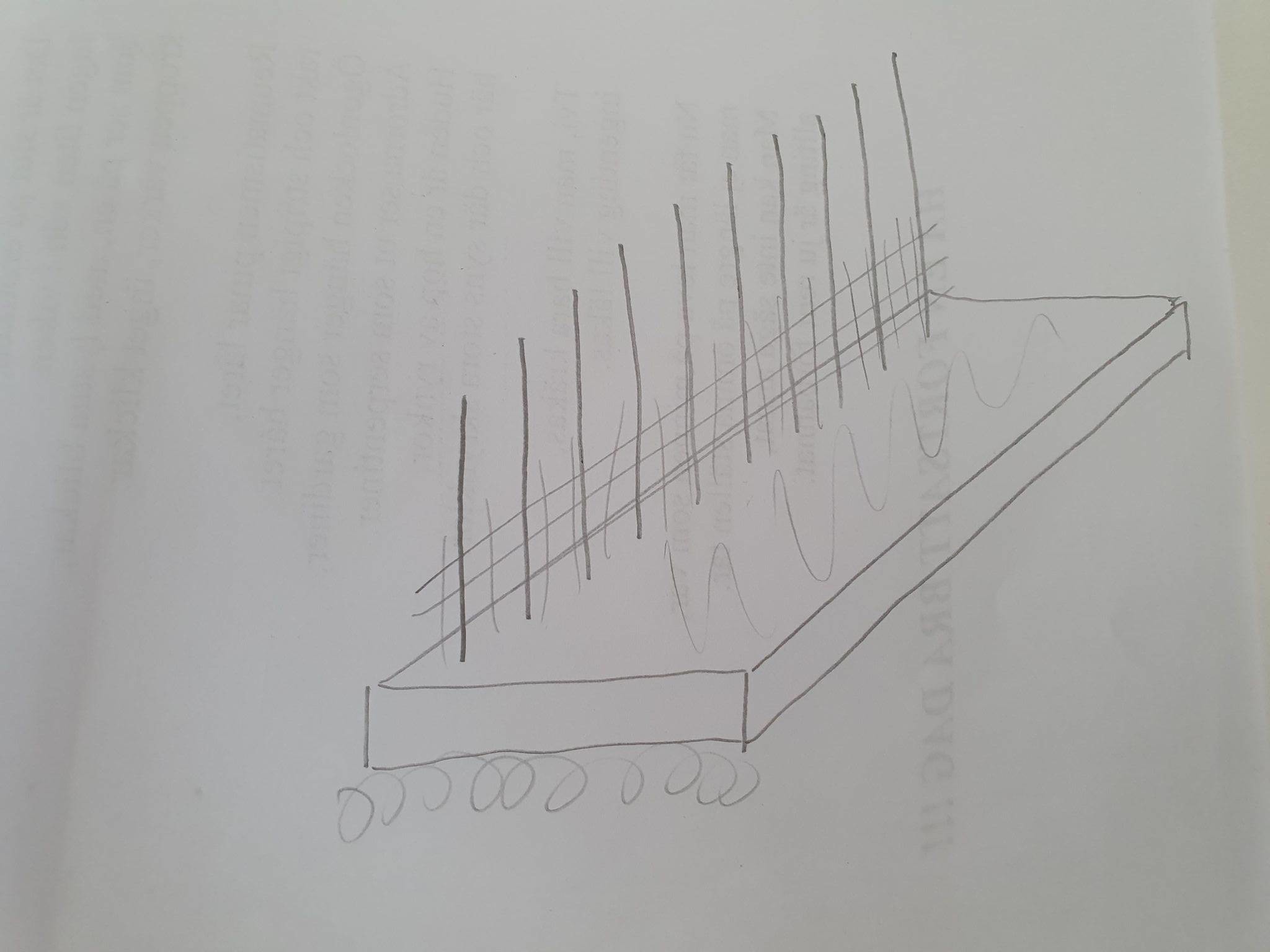
As a reinforcement, could one have several rebars going from the base up and attaching to the rebar in the standing part!?
Is the weak point in the wall something to be worried about? What are your thoughts?
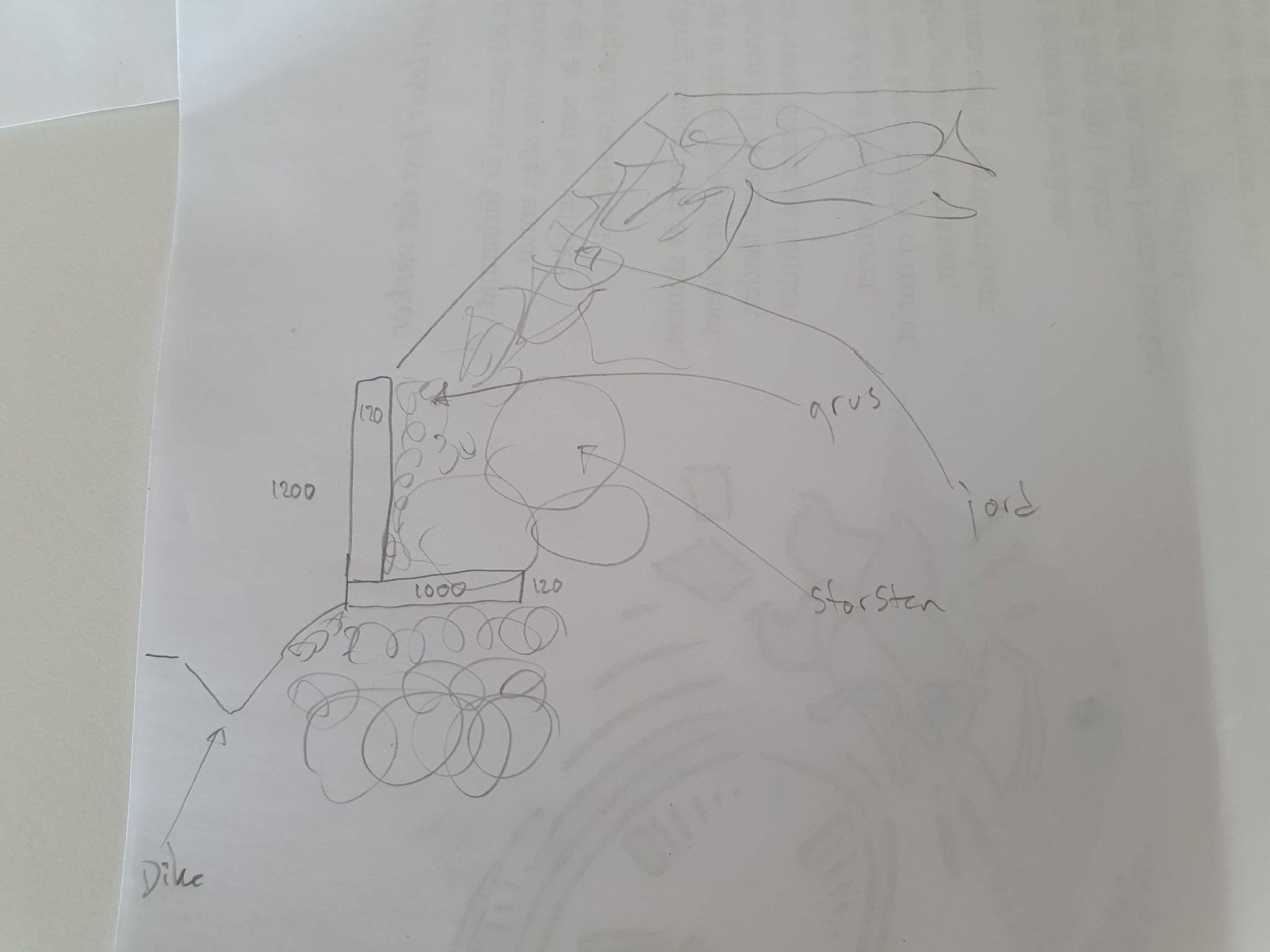
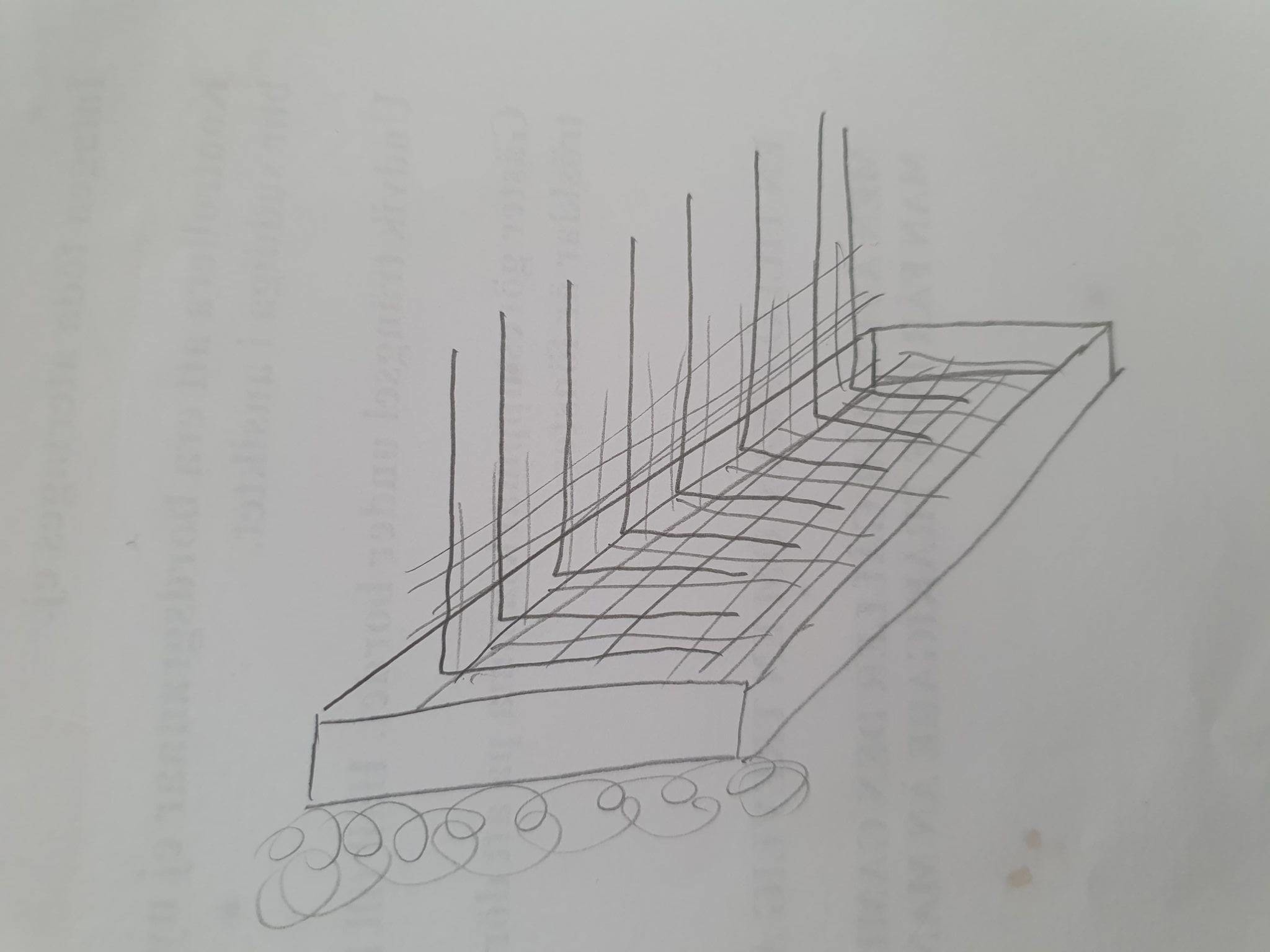
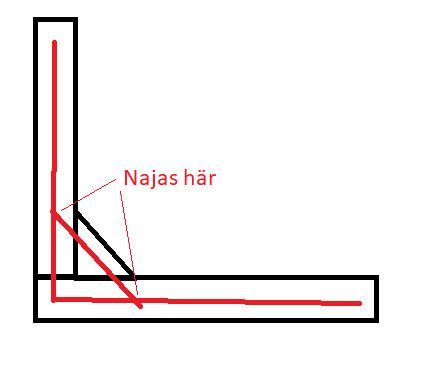
It is suggested that you cast a plinth in the inner corner and place an extra reinforcing bar there that you tie to the bent reinforcing bars. As you point out, this is where there will be large tensile stresses.
In principle, you could do as in your last picture, the problem with that solution is that the reinforcement will rust since it is not in the concrete. The reinforcement must be in the concrete, with sufficient cover layer, otherwise, it will rust.
You could basically do as in your last picture, the problem with that solution is that the reinforcement will rust as it is not within the concrete. The reinforcement must be within the concrete with sufficient covering, otherwise it will rust.
Thank you very much for your responses and your fine picture!
What I'm thinking is to place the reinforcement rods outside the concrete and paint them with tectyl.
Yes, that nudge in the joint is usually seen on factory-made L-supports.
I have cast an L-wall to be able to fill up the ground around the front of the house. About 90cm high and 15m long.
Now I have been thinking for a long time about how to insulate the wall from the soil masses.
I have cast an L-shaped wall to be able to fill up the ground around the house at the front. About 90cm high and 15m long.
I have been thinking for a long time about how to insulate the wall from the soil masses.
Is a classic platon mat enough?
Yes, that should be enough. Just make sure to have drainage at the bottom to lead away the water.

Huddingebo said: