
Hello everyone,
Maybe a silly question here - but I'm going to redo the hallway at home, saw up the floor, remove the insulation and studs down to the slab, which is uninsulated. Then I plan to cast with EPS, use leveling compound with electric underfloor heating and lay tiles.
The problem is that we have two warm pipes running along the outer edge of our house, like underfloor heating but only along the sill, so to speak. Some kind of 80s invention. These go through the hallway.
From what I understand, there's actually no problem embedding these in the EPS - but will they dry out the concrete/speed up the curing too quickly so that the concrete doesn't set properly/cracks?
Am I unfortunately forced to get a plumber to shut them off/drain?
Maybe a silly question here - but I'm going to redo the hallway at home, saw up the floor, remove the insulation and studs down to the slab, which is uninsulated. Then I plan to cast with EPS, use leveling compound with electric underfloor heating and lay tiles.
The problem is that we have two warm pipes running along the outer edge of our house, like underfloor heating but only along the sill, so to speak. Some kind of 80s invention. These go through the hallway.
From what I understand, there's actually no problem embedding these in the EPS - but will they dry out the concrete/speed up the curing too quickly so that the concrete doesn't set properly/cracks?
Am I unfortunately forced to get a plumber to shut them off/drain?


It should naturally work. How to lower or regulate the heat is like more than I know.
I have an IVT 590, guessing it's something around the circulation pump that should be turned off? Can you turn off just what goes in the floor but not to the taps?
https://vpkollen.se/uploaded/manualer/IVT/Manual_IVT590_sv_1_2.pdf
I have an IVT 590, guessing it's something around the circulation pump that should be turned off? Can you turn off just what goes in the floor but not to the taps?
https://vpkollen.se/uploaded/manualer/IVT/Manual_IVT590_sv_1_2.pdf
You live in a house but don't know how to regulate the heat? 🤔
Take some pictures of the installation and you'll probably get better answers. With some luck, it might be possible to throttle just that loop without turning off the heat in the whole house.
Take some pictures of the installation and you'll probably get better answers. With some luck, it might be possible to throttle just that loop without turning off the heat in the whole house.
Yep, not my strong suit, this. I have to admit that I've somewhat ignored this part of the system.useless said:
Since these pipes don't really affect the house's overall heat, in my opinion. We have electric radiators and air-to-air heat pumps. You can feel the pipes are warm when the house is cold (<18-19 degrees), but otherwise, they don't provide much heat themselves. We heat the house with the air-to-air pumps, those I can regulate.

I know the neighbor has turned off and cut these pipes. But when the electric heater broke a few months ago and they were here fixing it, they advised against turning these off completely.
I don't know what pictures to take since none of this is visible; the only thing I have to work with is the water heater.
It is a fairly simple heat pump without any direct adjustment options. But there should be a room thermostat somewhere that regulates the circulation pump? Otherwise, you simply have to lift the lid and unplug the cord to it.
There were some house manufacturers that experimented with heating loops in the sill to reduce moisture migration and improve the climate in the crawl space. The same concept as Trygghetsvakten, but factory-installed and water-based...T TheGame said:
Exactly this.
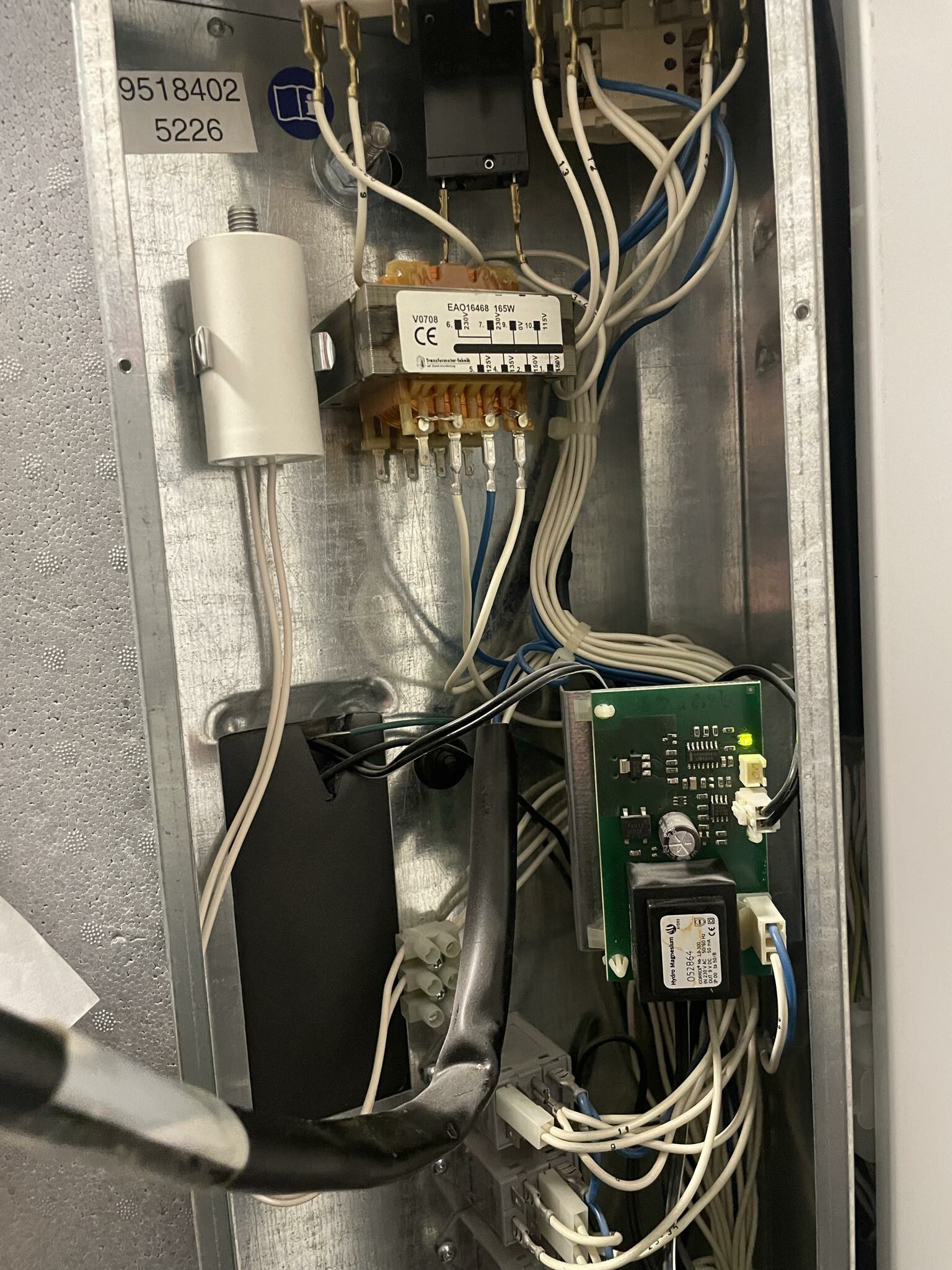
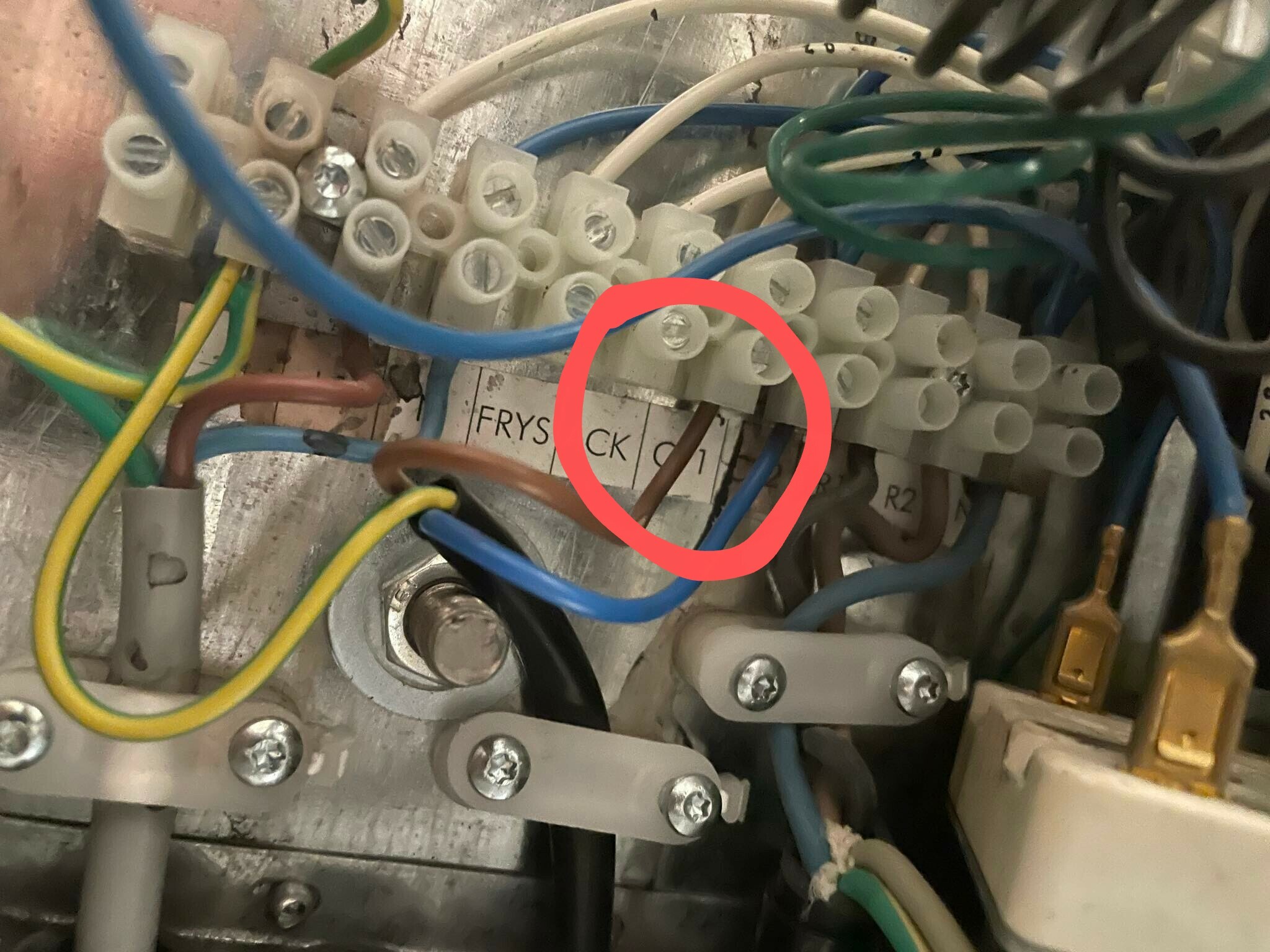
But I don't really understand how it works now that I'm trying to get into the system.
But maybe it's a question for another forum, how I turn off the heat in the coils.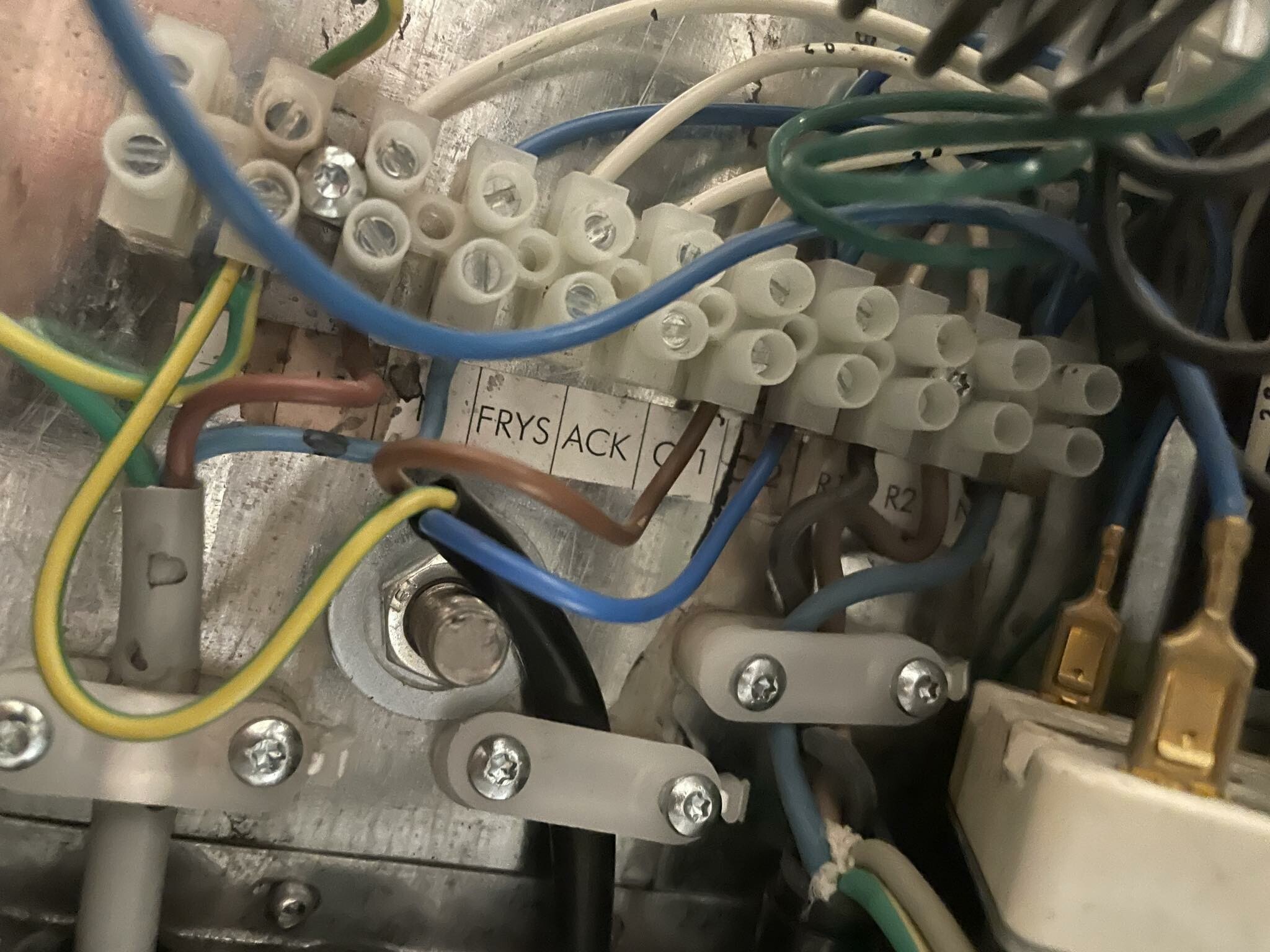

Click here to reply