
5,049 views ·
5 replies
5k views
5 replies
Brown paper in interior wall, what is it?
I'm in the process of tearing down an interior wall in our 1930s house, between the two layers of boards there is a brown paper-like layer. I expected it to be empty, or possibly insulation. What could this be, and is it safe to just remove it? (thinking about asbestos, which we've become a bit anxious about here at home, we really should have tested the plaster before we started tearing down the wall :/ )
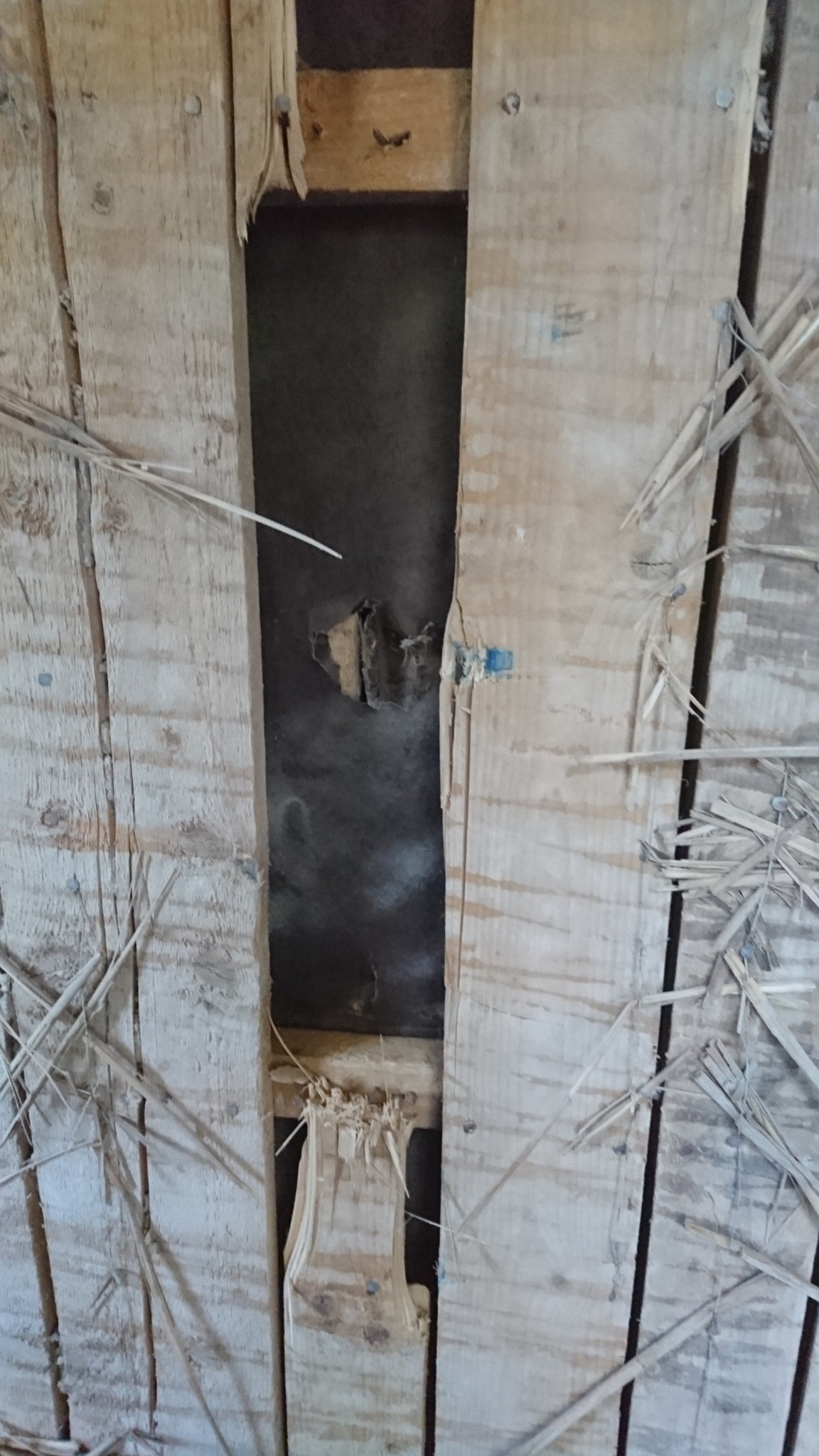
It appears to be an old type of wind barrier, in old walls there was no asbestos but the water pipes were insulated with asbestos. The straw mats that are apparently there don't have asbestos. Keep arguing OJ, wrong I mean tearing down 
Thank you!
However, I wonder why there is wind barrier paper in an interior wall, especially when there were also built-in cabinets on the other side of the wall, it probably wouldn't have been drafty through the wall even if the front door was left open on the entrance side.
However, I wonder why there is wind barrier paper in an interior wall, especially when there were also built-in cabinets on the other side of the wall, it probably wouldn't have been drafty through the wall even if the front door was left open on the entrance side.
Don't know how old the house is, maybe an extension built a long time ago, then it's a former exterior wall, or someone put it there to counteract some kind of draft since there is no insulation. It might be that they wanted it so the cabinets don't generate moisture.A ajn82 said:
I don't think it can be explained or understood why it's there today, considering it's usually on the outside.
If this comes up several times, I'm not the one who did it, there's some trouble here.

It is regular asphalt felt, the only type of "waterproofing" available in the 1930s. The boards you have exposed are spräckpanel, a common substrate for roughcasting and plastering.
Click here to reply