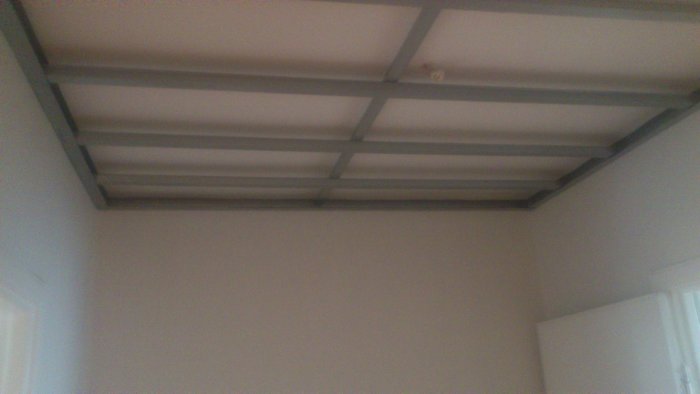
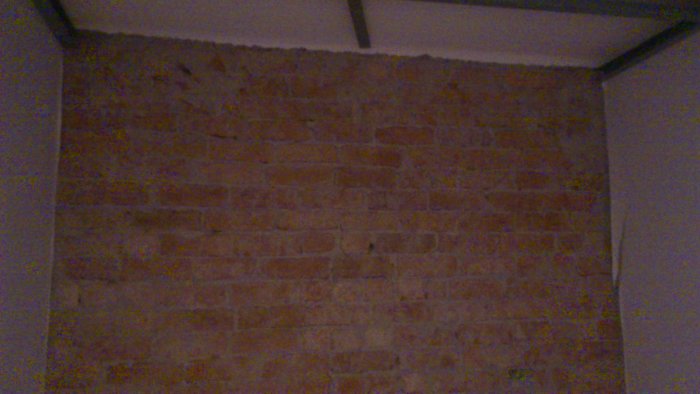
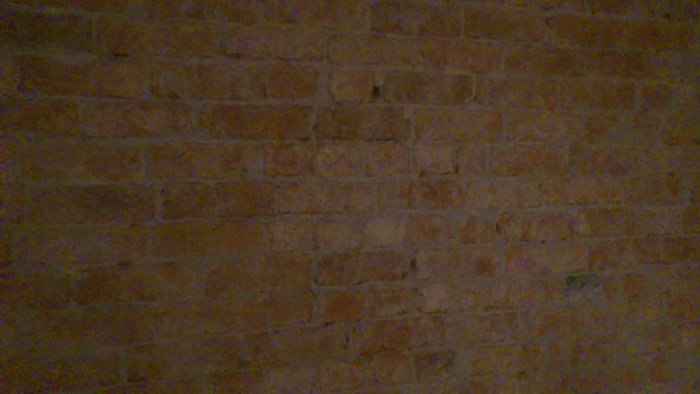
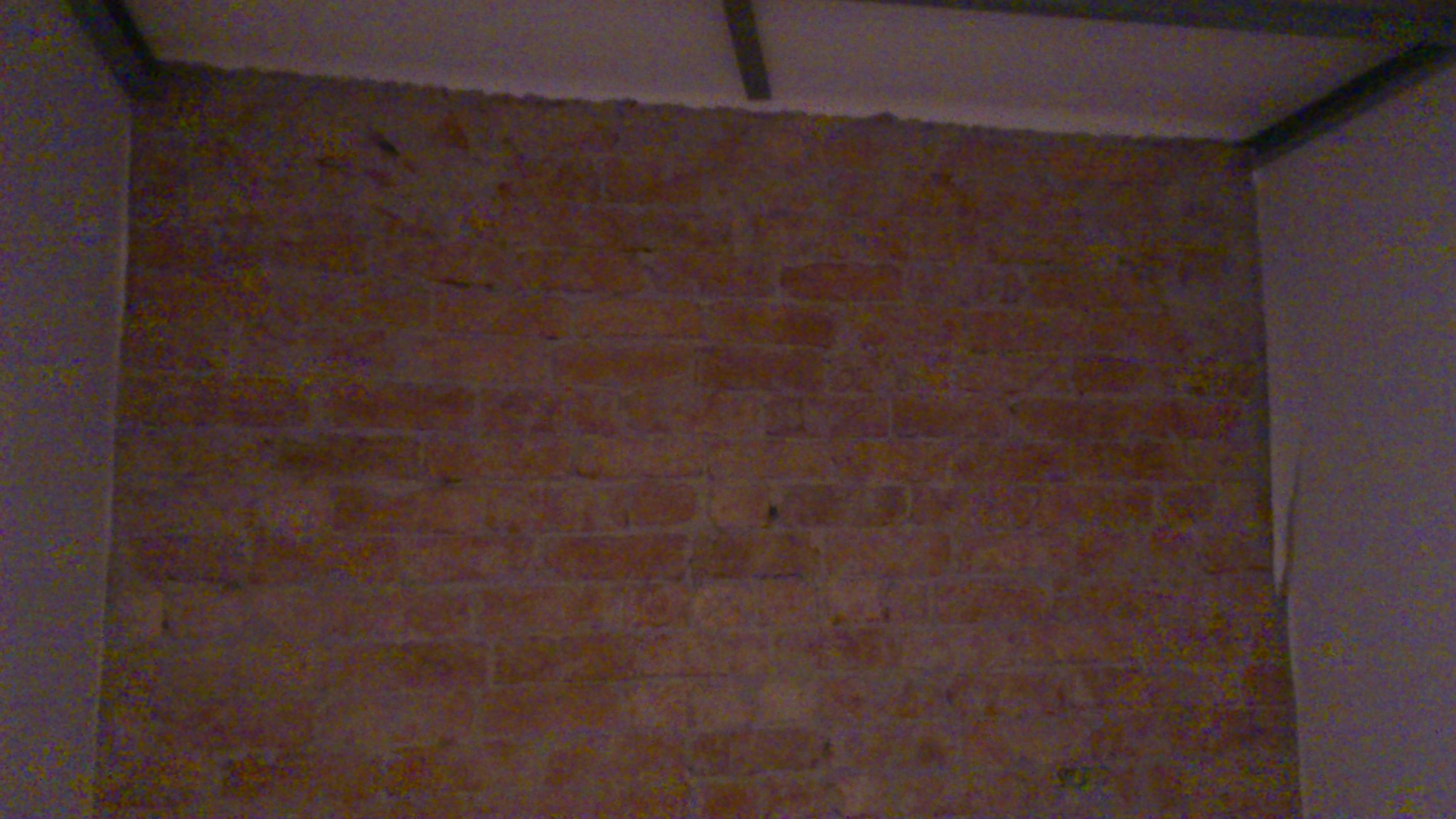
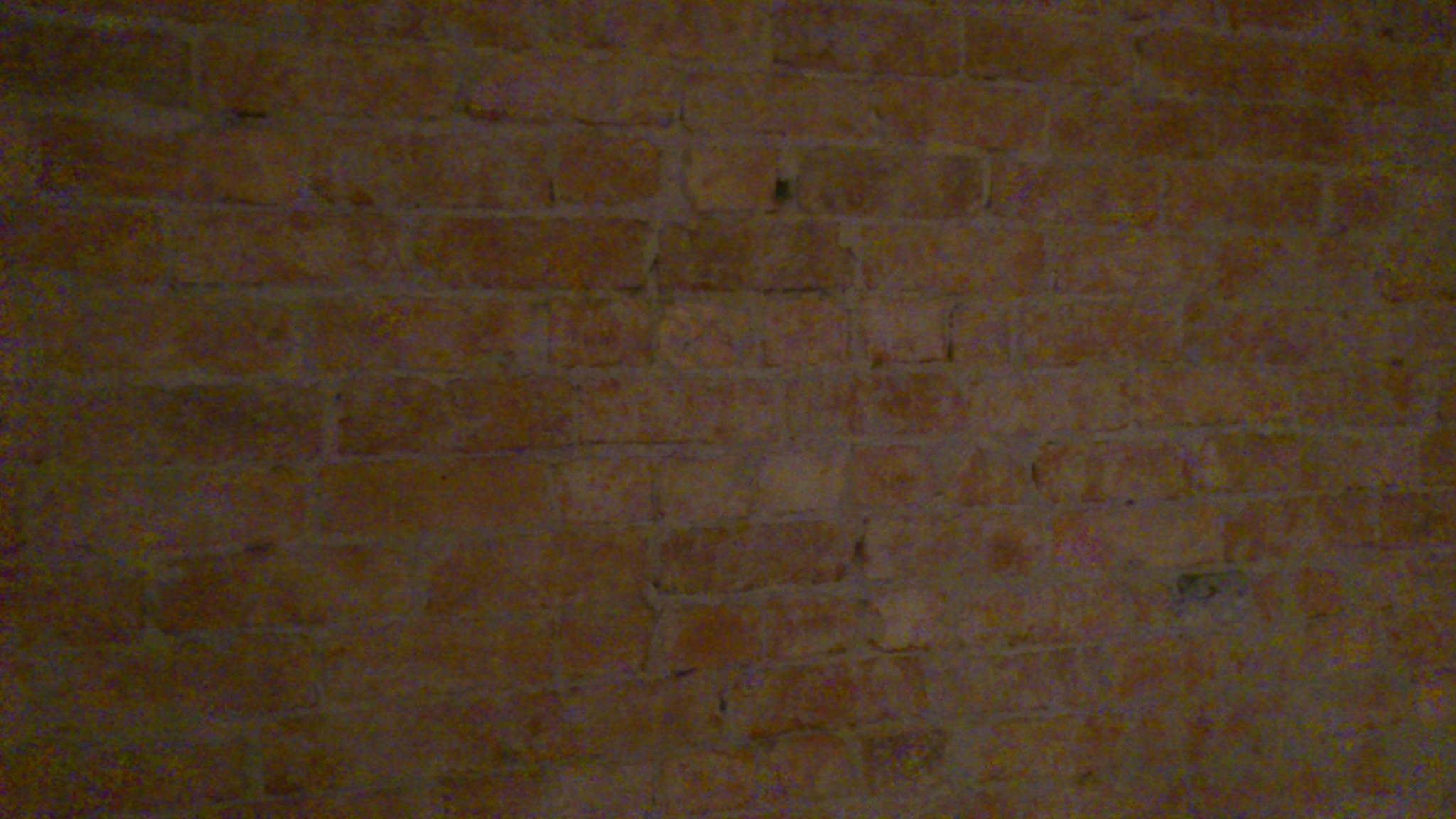
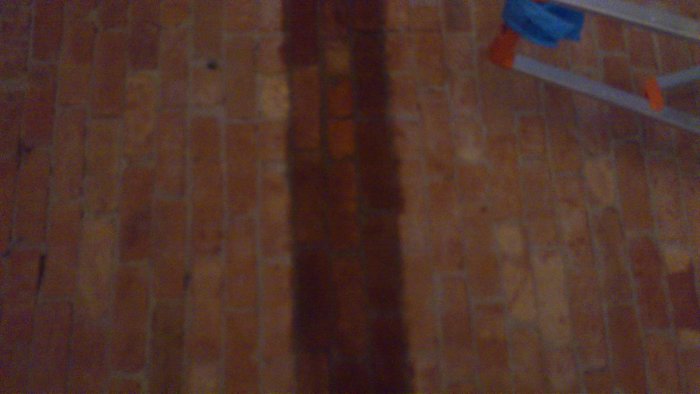
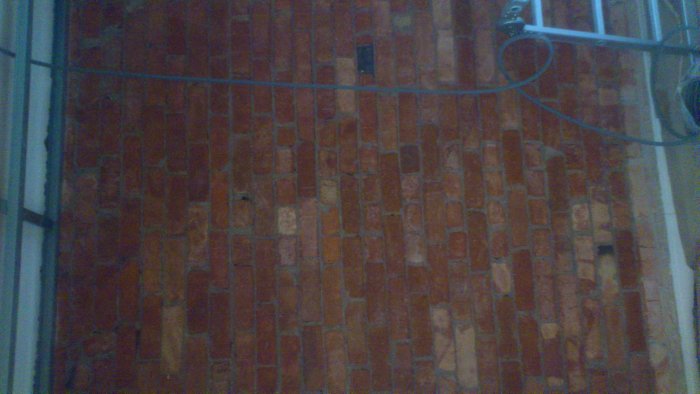
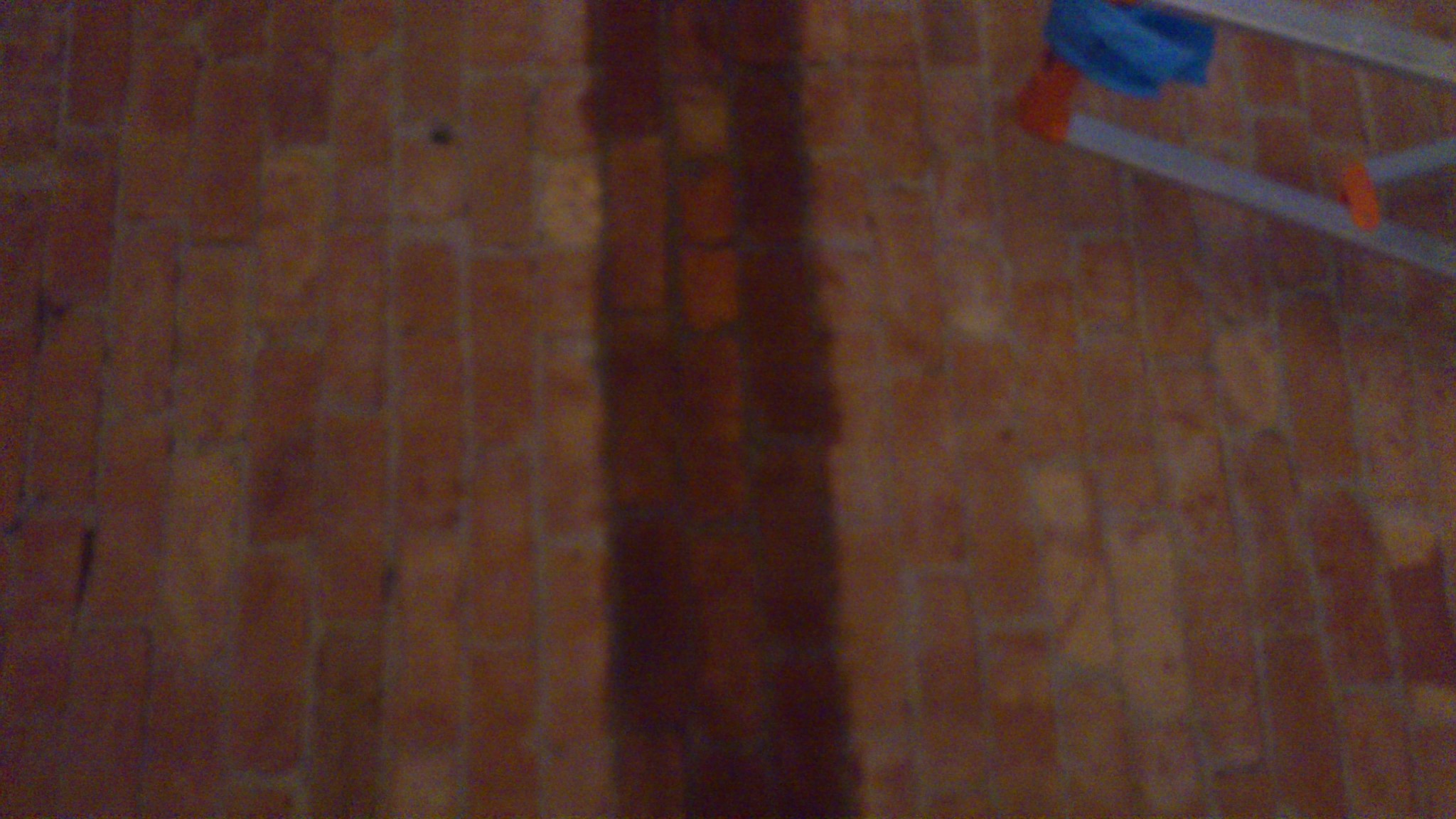
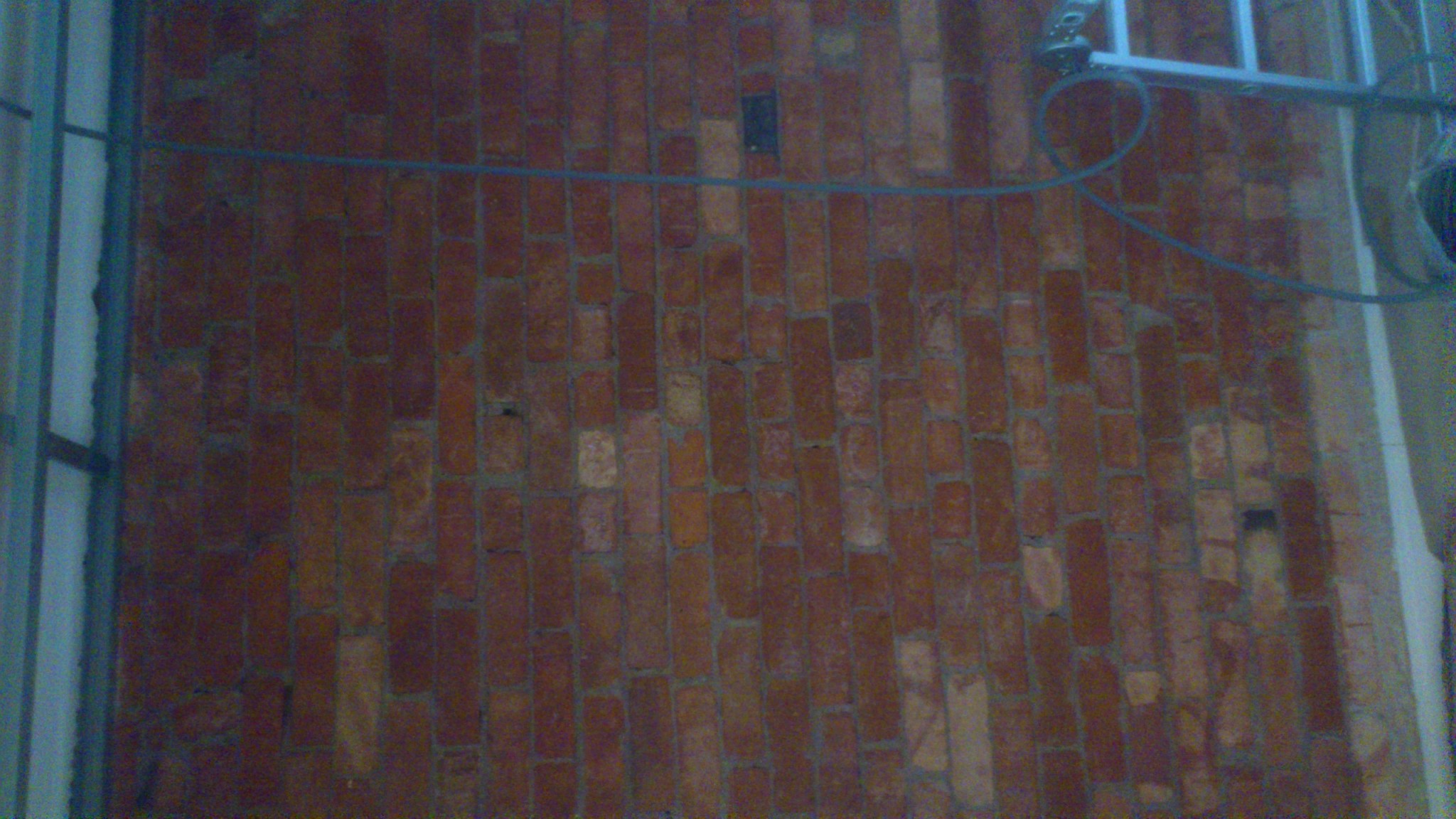
Blissfully (unfortunately) unaware of what I was getting into, I decided to remove the plaster from the wall. Messy as ever. In hindsight, never again..
Anyway, this is how it looks, and I'm a bit unsure about how much I will mess around with the steel brush, as I think it can be quite nice with some plaster left. My question:
If the plaster is not too loose, can you apply something to make it "set" or "stick"? Primer?
Are you talking about the remnants of plaster on the brick wall? Is it those you want to fix?
What kind of plaster is it? Lime plaster? In that case, you might get good results by spraying limewater. Or water glass, that should work on C and KC.
Yes, exactly the plaster remains, I don't know what kind of plaster it is, but a white film has settled here and there in the apartment, so maybe lime then? Maybe I can try with limewater then.
If it had been pure cement render (C), it probably wouldn't have been possible to get down, so it's probably lime render or a weaker lime cement.
Limewater is made by mixing lime mortar in water and letting it sit overnight, the clear water that remains is saturated with slaked lime, which then reacts with the carbon dioxide in the air to become a thin layer of limestone. I thought it might work since it's used to fix lime render when it's newly applied.
Waterglass is probably about the same thing, but siliconated and therefore works better with cement. I think you have to buy it, and it might be a bit tricky to get hold of?
I'm mostly speculating though, others might have better ideas or more solid knowledge.
Waterglass reacts with the free lime in the material to form the hard and dense surface of calcium silicate hydrate. Since you've chipped away most of the lime-containing plaster (there's no lime in brick), this hardening won't occur. However, there will still be some impregnating effect against grease and water splashes, but I don't think you'll achieve the fixing effect you desire. But since you've already bought it, you can test it in one spot and see.
I have now brushed with water glass and the wall seems much 'cleaner,' meaning there is no dust from the bricks and the mortar between the stones has settled and become harder. The bricks absorbed quite a lot, so it took a couple of bottles. There was also quite a noticeable change in color as the wall became much more intensely red. It seems like two of the pictures have been rotated, but you'll have to tilt your head a bit
Last edited:
Click here to reply
Vi vill skicka notiser för ämnen du bevakar och händelser som berör dig.