
I have renovated an apartment in a house built in the 1950s. The wall that was torn down was made of some type of lightweight concrete blocks, the question is whether it was blåbetong or siporex? The wall is already demolished and unfortunately, we didn't use any masks during most of the demolition (didn't think it could be dangerous... foolish in hindsight after doing some research).
The blocks were light gray (see images) but apparently, blåbetong can vary quite a bit in color? What do you think? Blåbetong or siporex or something else?
The blocks were light gray (see images) but apparently, blåbetong can vary quite a bit in color? What do you think? Blåbetong or siporex or something else?
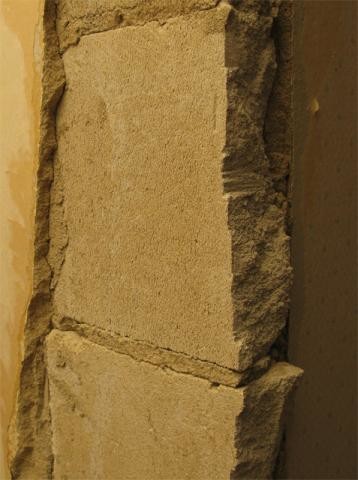
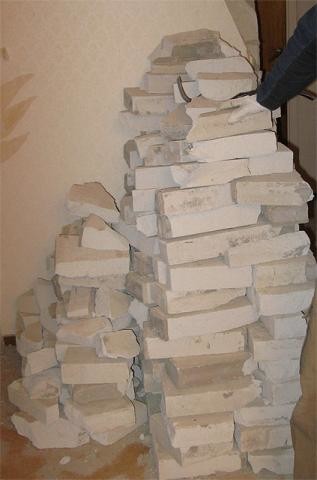

It is NOT more dangerous to demolish lättbetong than other stone materials.
It is probably more dangerous to dismantle a slate roof or chisel in bohusgranit. These two components are what give lättbetong its radon content.
You should always use respiratory protection when demolishing dusty stone materials, at least if you do it frequently.
You can sleep soundly luneas.
Best regards
It is probably more dangerous to dismantle a slate roof or chisel in bohusgranit. These two components are what give lättbetong its radon content.
You should always use respiratory protection when demolishing dusty stone materials, at least if you do it frequently.
You can sleep soundly luneas.
Best regards
Both Siporex and Ytong and all other types of lightweight concrete crumble just as easily. It cannot be determined in such a way. The pictures are hard to see due to different lighting; in one picture it looks dark, but in another picture, it is very bright.v-g said:
In any case, it has no relevance to the thread creator's question.
There is no such thing as blue concrete. It is a nickname for lightweight concrete that has a color tone towards blue or purple.
The color comes from the dark stone materials used in the product. These stone materials often caused a radon level. Mainly shale, but also uranium-containing granite, was the reason for excessive radon levels.
Best regards
The color comes from the dark stone materials used in the product. These stone materials often caused a radon level. Mainly shale, but also uranium-containing granite, was the reason for excessive radon levels.
Best regards
as somelvis wrote, it doesn't matter now, you have torn it out and it's not more dangerous to tear out blåbetong than to tear out siporex, it's long-term exposure to the gases that can be dangerous. It has nothing to do with demolition.
It's always a good idea to perform a radon measurement if one hasn't been done before.
It's always a good idea to perform a radon measurement if one hasn't been done before.

Click here to reply