
8,016 views ·
23 replies
8k views
23 replies
Black mold or bluing?
Hey,
Bought about 500m of wooden battens from K-Bygg (Fresks) and I've done this in two rounds.
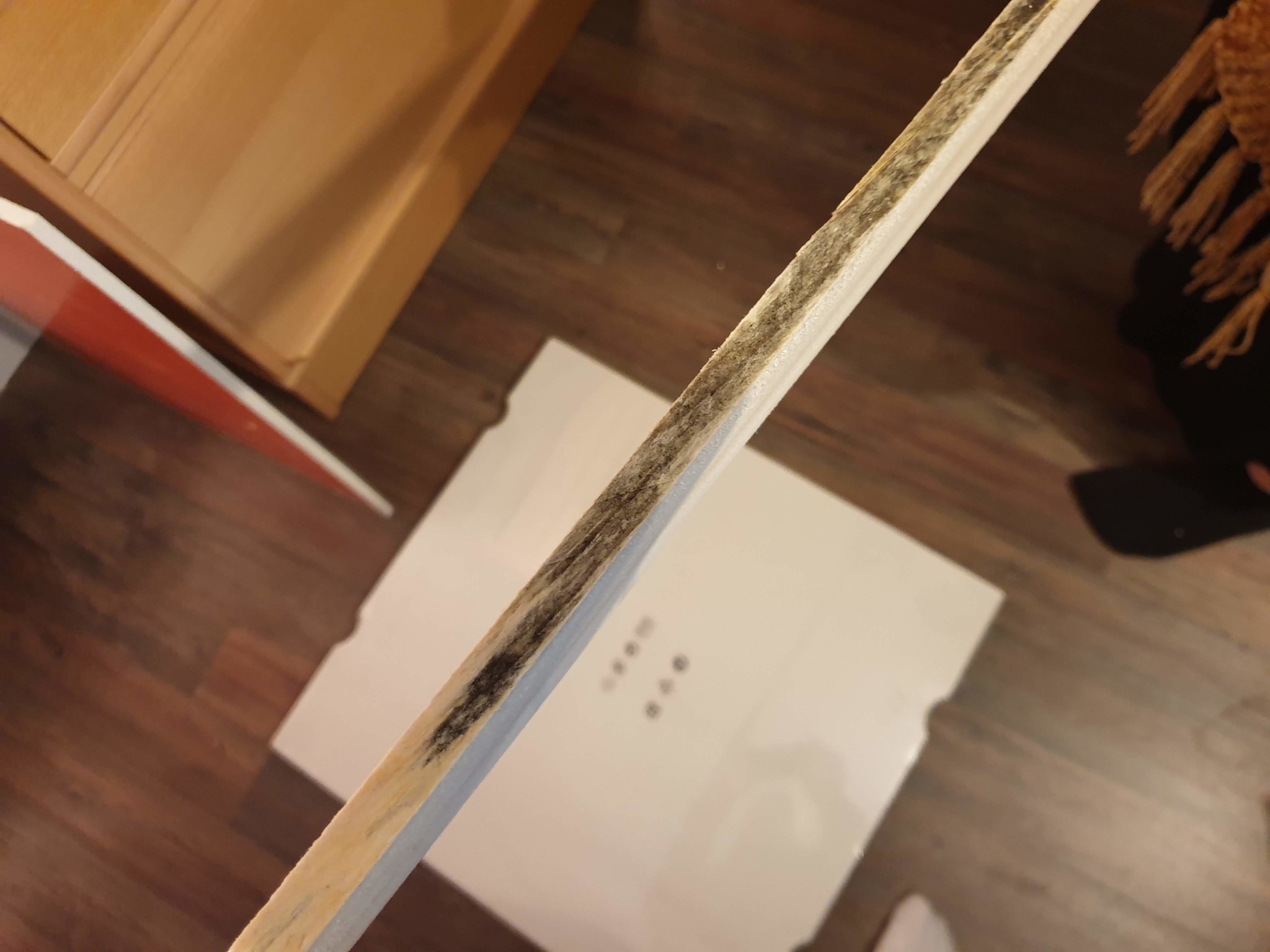
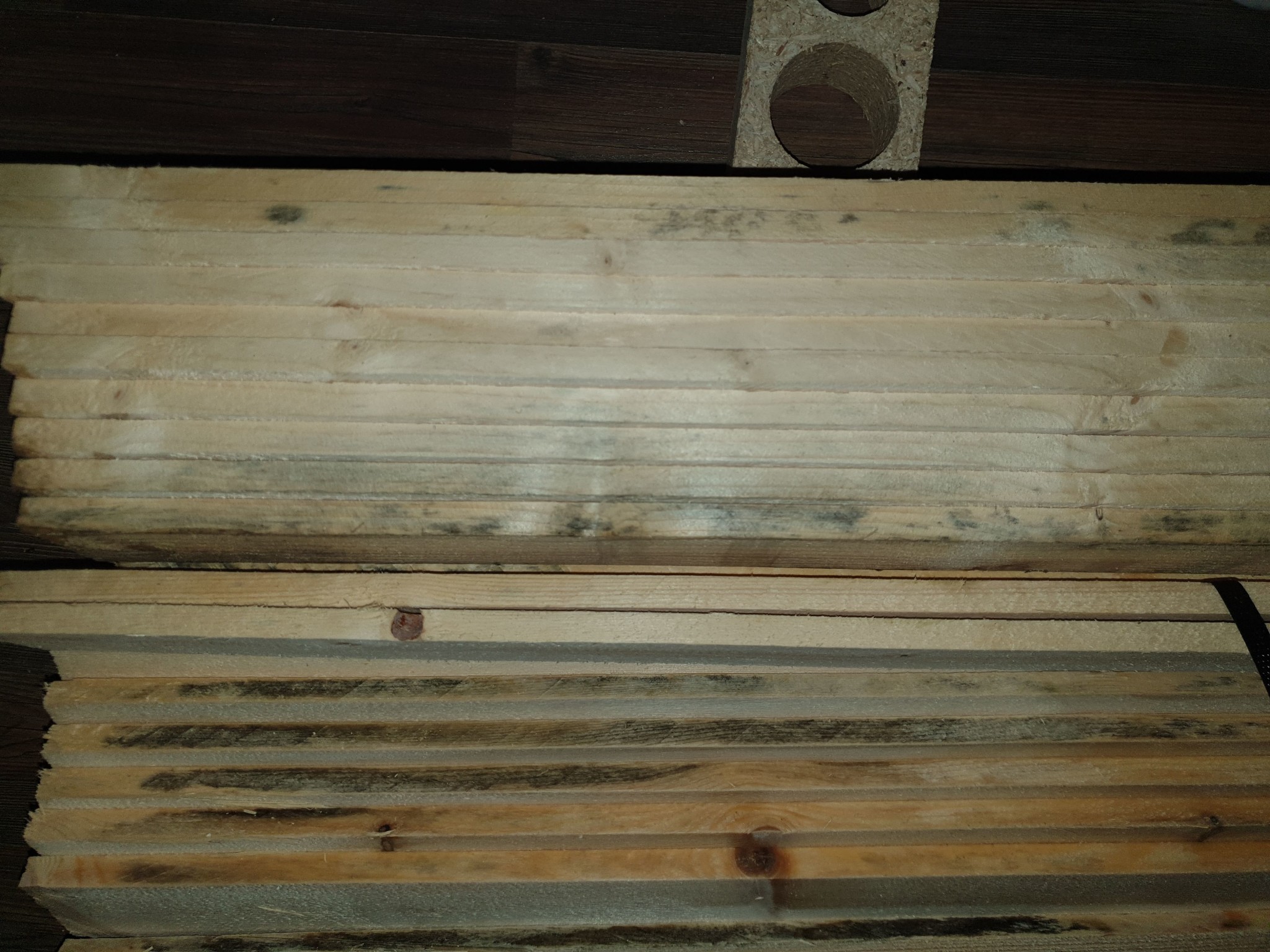
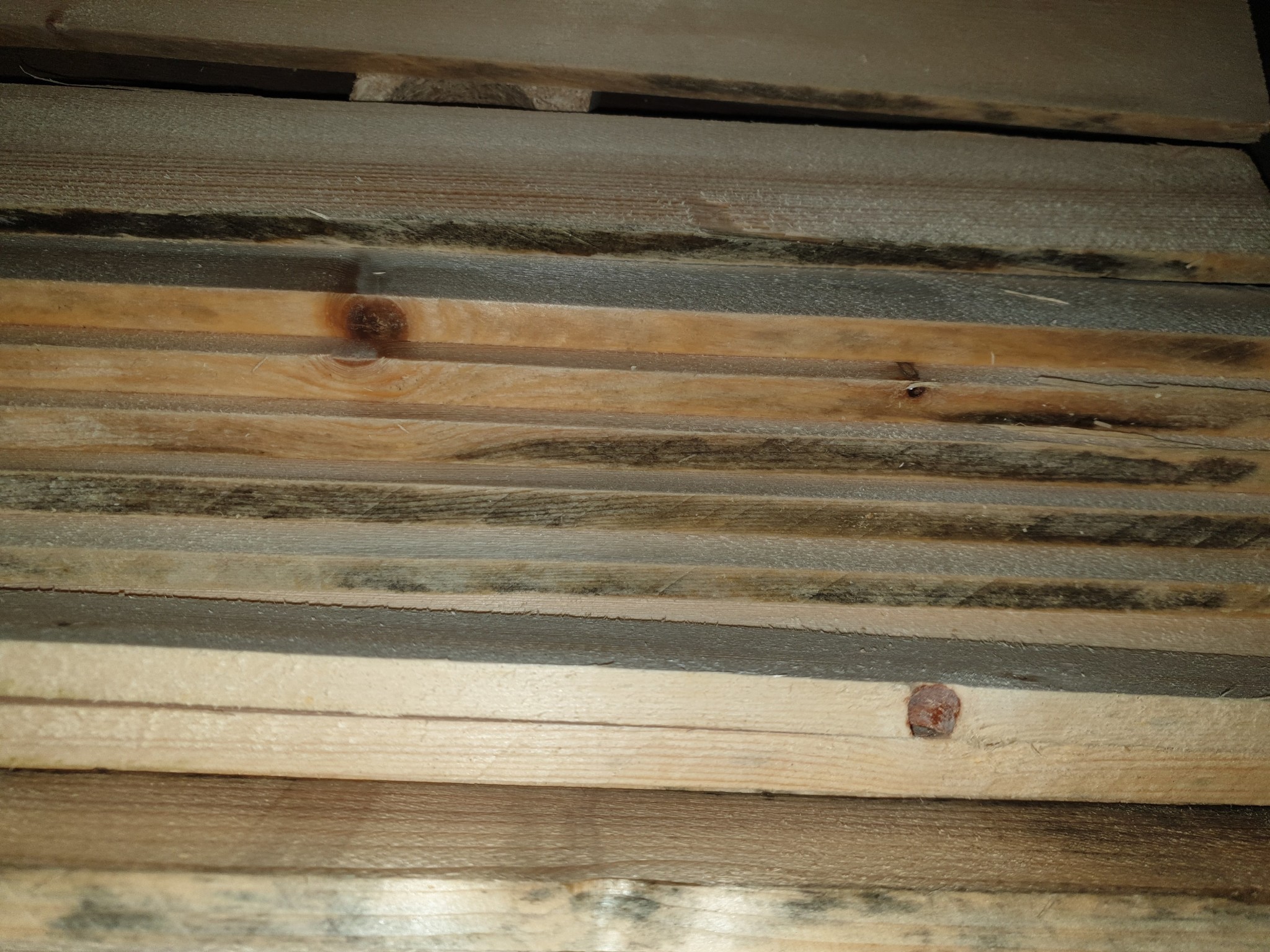
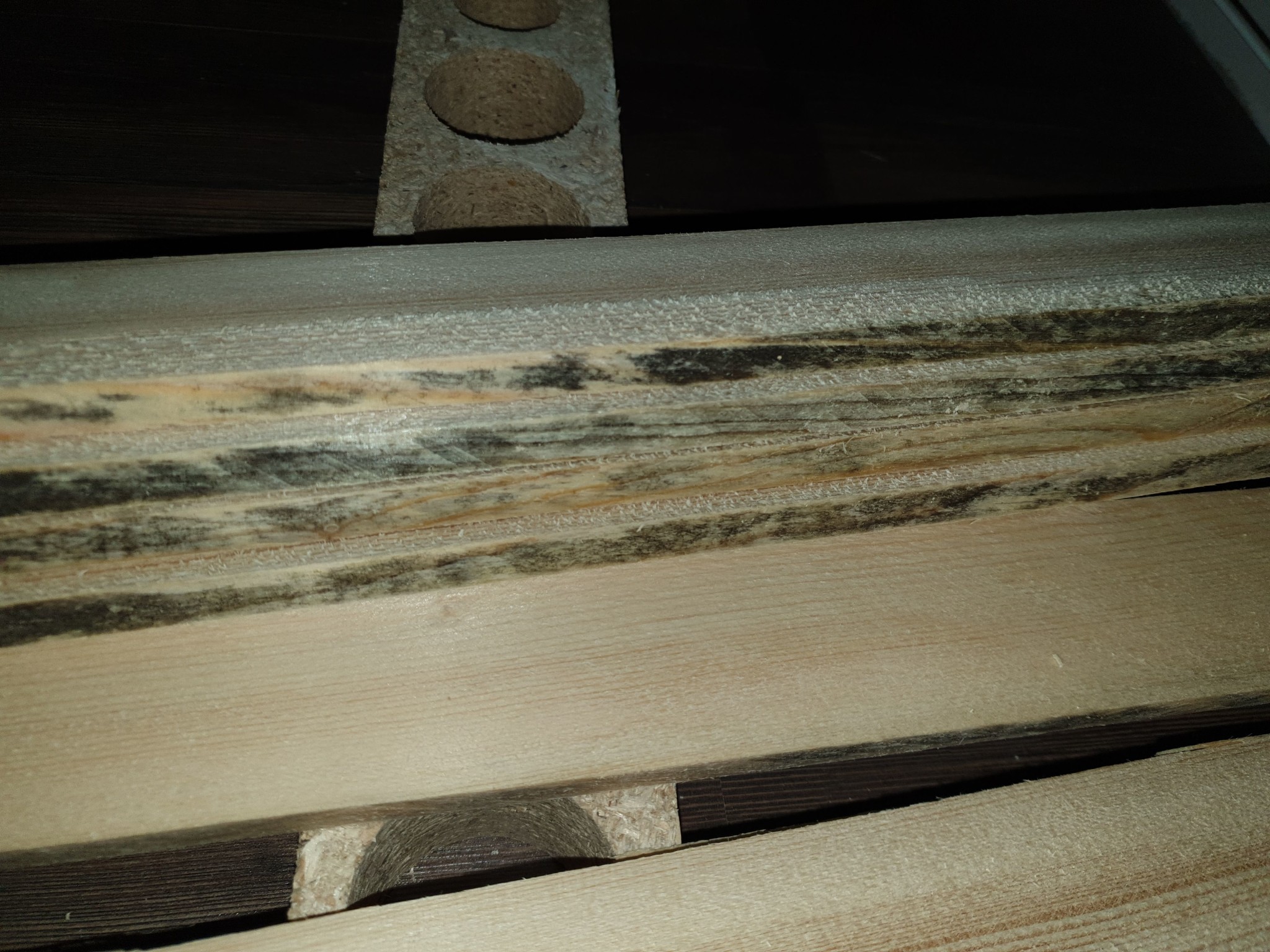
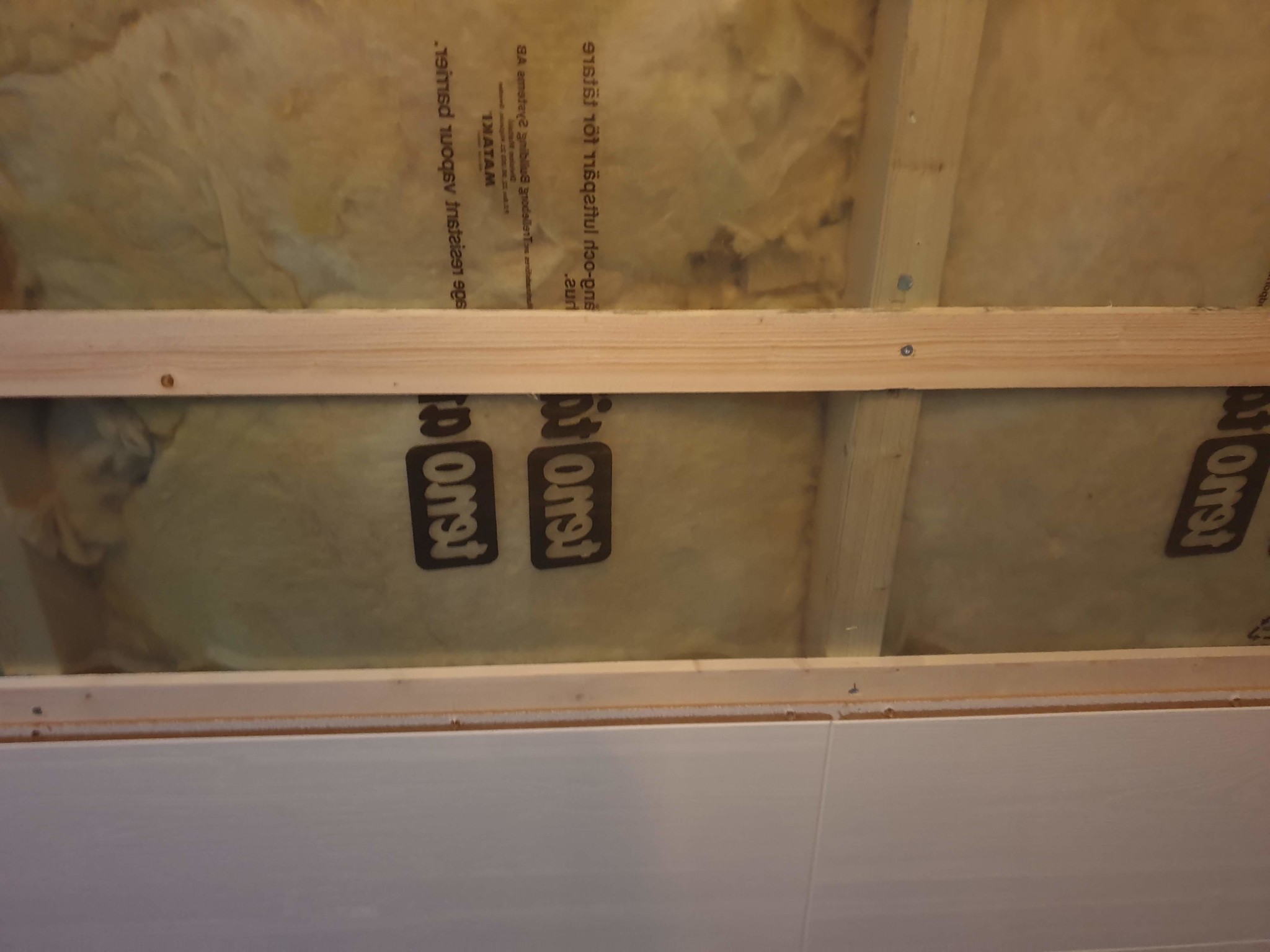
Took the timber "inside" and this last time when I opened the bands to set up, they are wet and black on large parts of the wood.
So my concern is that it might be black mold because I've planned to use these battens indoors to install a ceiling.
What do you think?
Bought about 500m of wooden battens from K-Bygg (Fresks) and I've done this in two rounds.
Took the timber "inside" and this last time when I opened the bands to set up, they are wet and black on large parts of the wood.
So my concern is that it might be black mold because I've planned to use these battens indoors to install a ceiling.
What do you think?
Member
· Västernorrland
· 12 102 posts
It sometimes happens due to poor storage, dampness, and bad airflow, but there's no danger as long as they end up in a dry place to dry out. Then it dies off and just becomes visually unappealing. There won't be any further infestation just because it was previously affected. However, it's important that it gets a chance to dry properly before it's nailed back with surface layers and possibly plastic.

Member
· Västernorrland
· 12 102 posts

Member
· Västernorrland
· 12 102 posts
Yes, but it doesn't necessarily have to be damp now. It could have happened anywhere along the chain. You should definitely check it, and if it's dry, then I consider it completely risk-free. There won't be more mold spores there than what already exists naturally in the air anyway.MathiasS said:
A mold damage that has dried does not become risk-free just because it has dried. Dead particles and spores from mold fungi still contain substances that can be unhealthy to inhale.
Black mold is also not a specific type of mold fungus; there are several types of mold that are more or less black in color.
The timber should be replaced, or alternatively, the growth can be mechanically removed using, for example, a plane (just don't do it in the living space). The timber should also be thoroughly dried.
Black mold is also not a specific type of mold fungus; there are several types of mold that are more or less black in color.
The timber should be replaced, or alternatively, the growth can be mechanically removed using, for example, a plane (just don't do it in the living space). The timber should also be thoroughly dried.
Member
· Västernorrland
· 12 102 posts
You mean that the possible spores from such things exceed the levels of mold spores we naturally have in the air? What leads to health problems are viable infestations that thrive and where levels become too high.Centano said:
A mold damage that has dried does not become risk-free just because it has dried. Dead particles and spores from mold fungi still contain substances that can be unhealthy to inhale.
Black mold is also not a specific mold fungus, but there are several types of mold that are more or less black in color.
The timber should be replaced, alternatively, the growth should be mechanically removed using, for example, a plane (just don't do it in the home). The timber should also be thoroughly dried out.
I didn't say anything about levels at all. What I wanted to highlight, and this was perhaps more general than specific to this case, is that mold damage is not harmless just because it's dry.S Stefan1972 said:
Regarding the amount of spores, it's very personal who reacts to mold damage or not. I think the precautionary principle should be practiced. If this was a matter of new production and there is ongoing moisture safety work, the wood would have been replaced. If it was minor damage, the damage would be planed away.
In TS's case, it sounds like the wood ends up on the outside of the plastic foil, which is better if you now insist on using the wood. Personally, I would have replaced the wood or dried and planed it off.
Thank you for all the answers!
I called Fresks and will go in with one of the pieces because they absolutely didn't think it was black mold, but more about blueness or something about the bark. The person in charge there said that if it had been black mold, they would have heard it from others.. but I will still go in and we'll see what they say.
And yes, they will end up on the inside of the plastic.
I called Fresks and will go in with one of the pieces because they absolutely didn't think it was black mold, but more about blueness or something about the bark. The person in charge there said that if it had been black mold, they would have heard it from others.. but I will still go in and we'll see what they say.
And yes, they will end up on the inside of the plastic.
Member
· Västernorrland
· 12 102 posts
Washing that makes no difference. There are still thirty-eleven billion spores in the air ............

If they will be sitting where an inspector can see it, it will be noted as a point to watch in an inspection report during a sale. No matter how harmless it is, it does not exactly increase the price. If it can be seen, as mentioned.
