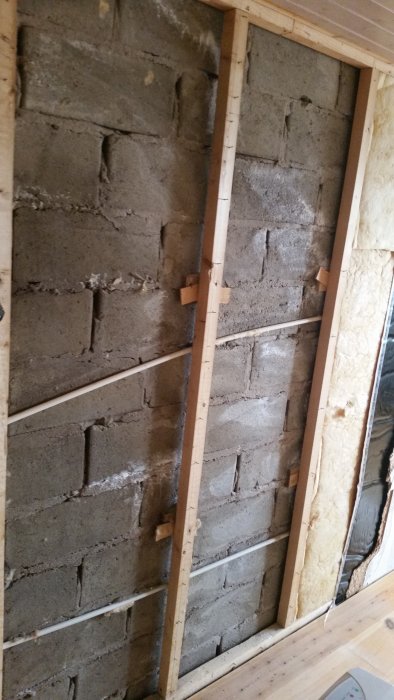
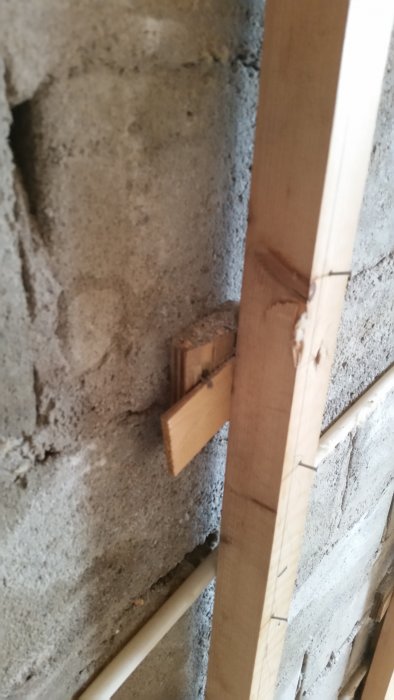
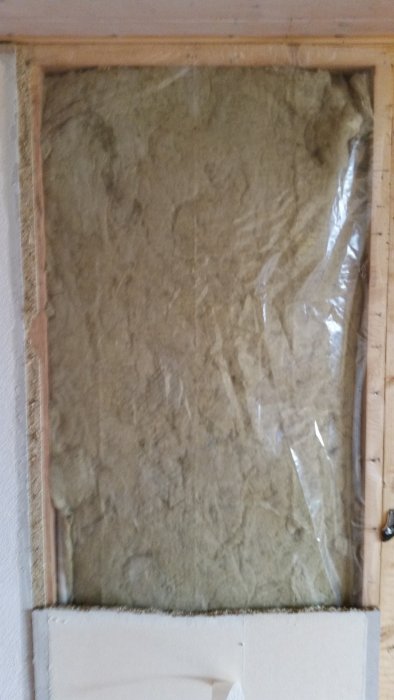
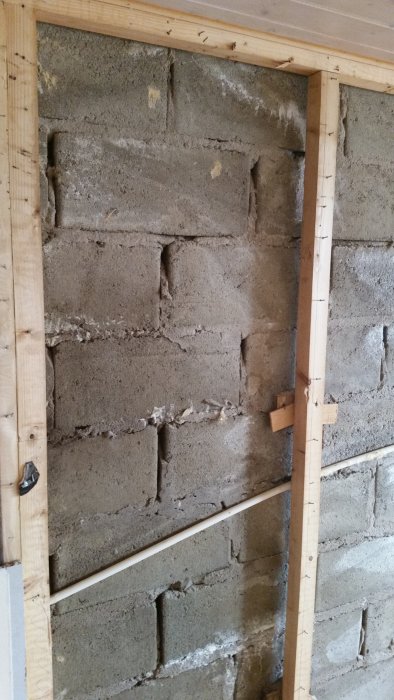
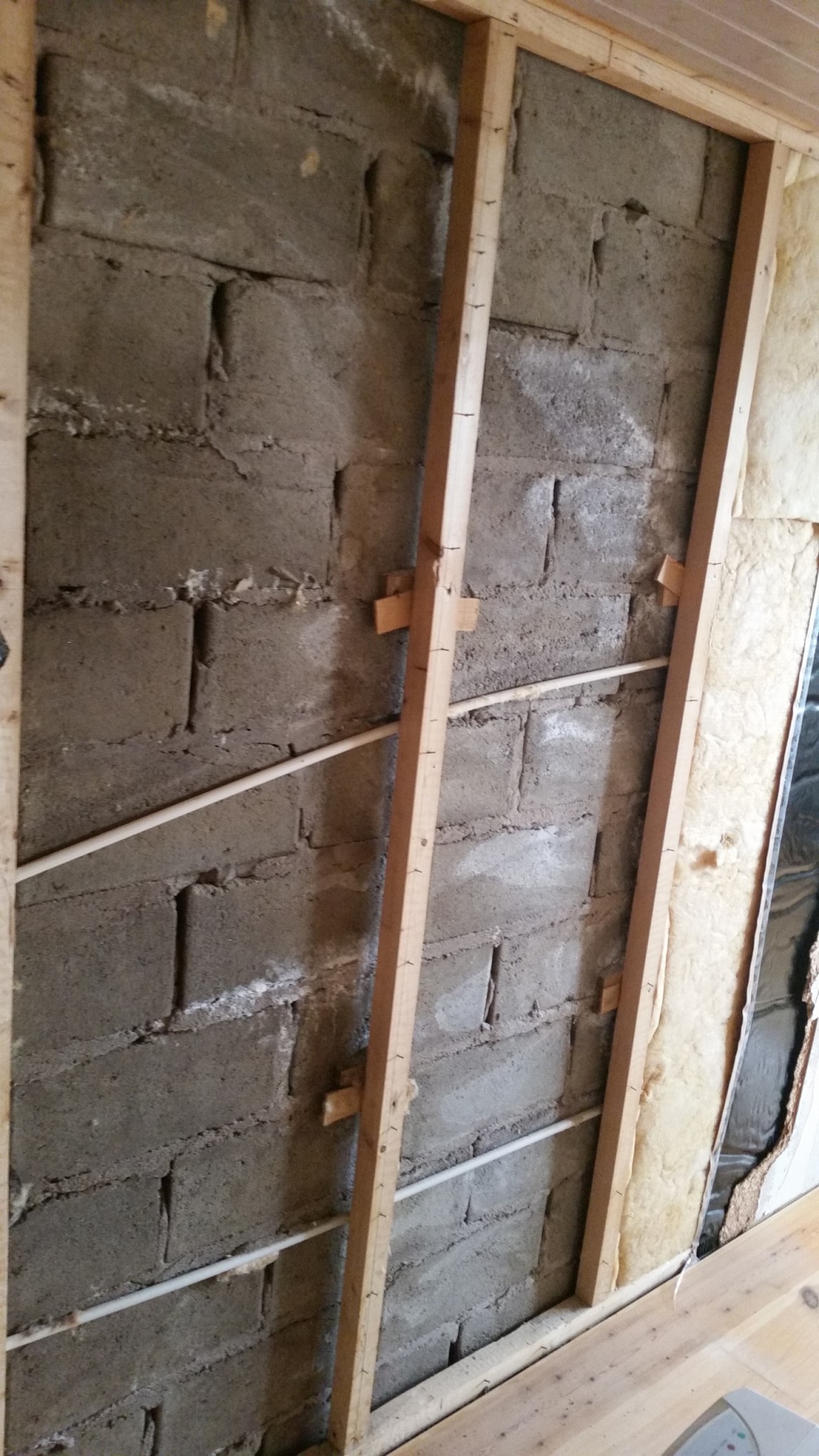
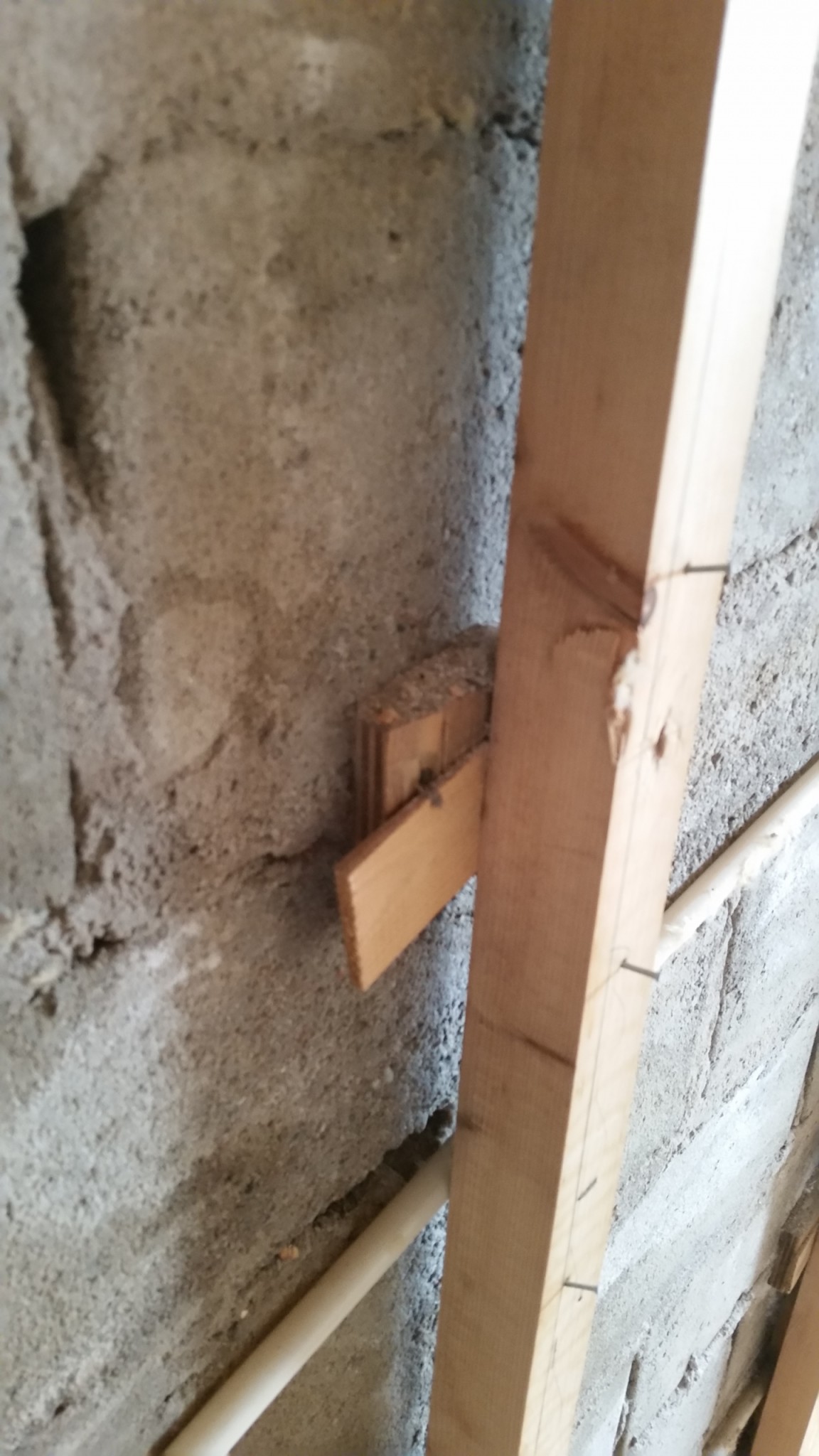
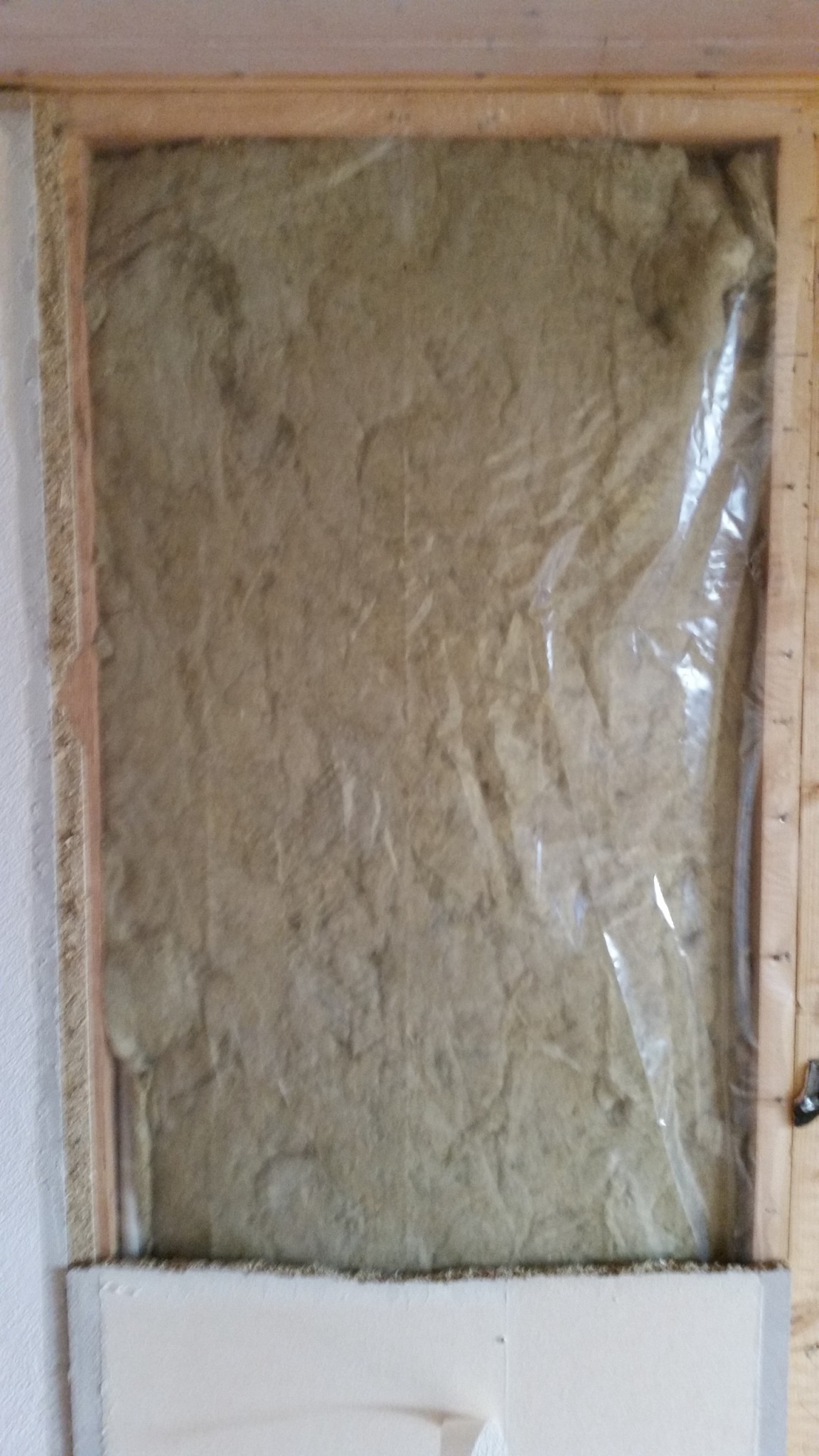
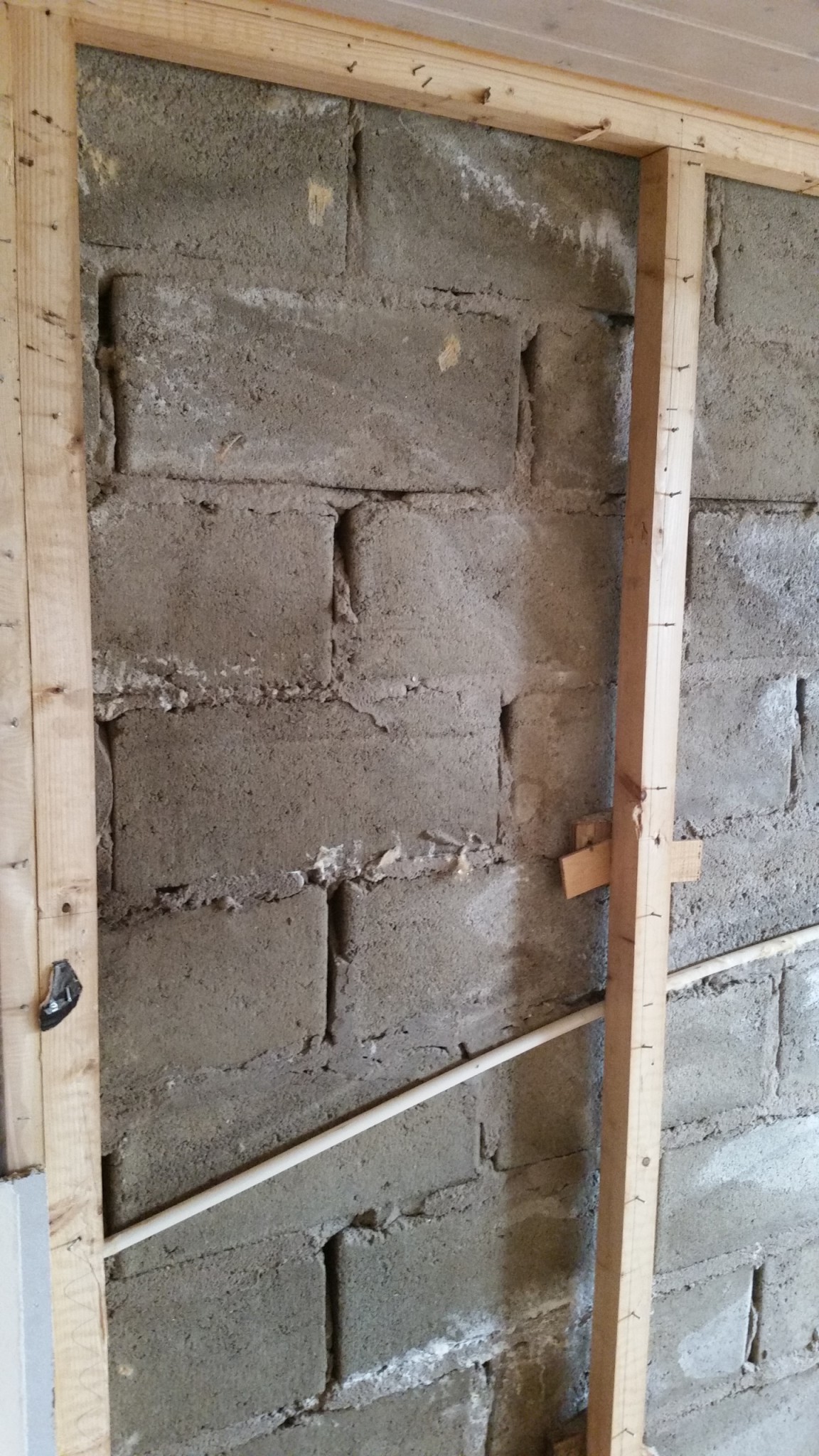
I need some help choosing materials for my basement wall that I'm tearing down to fix the ventilation and rebuild to "today's standard." This part was built in 1973 and is halfway underground, which is not drained. Today, it's Leka blocks? I'm not very familiar with construction Wooden studs distanced from the outer wall with "gullfiber," I think it is. Over this is some form of plastic with particleboard as wall covering.
if the insulation hasn't been wet anywhere, then you have a very dry foundation.
just clean the nails from the studs and add new insulation and plastic, then gypsum (possibly plywood before)
Thank you for your interest!
In what I have demolished so far, I have perhaps seen small tendencies that there has been moisture or there is moisture in small quantities. How should one proceed in that case? The insulation that is "underground" is cold on the ground side.
Perhaps I should add that there has been about 25-30 mm of rain in the last 2 days.
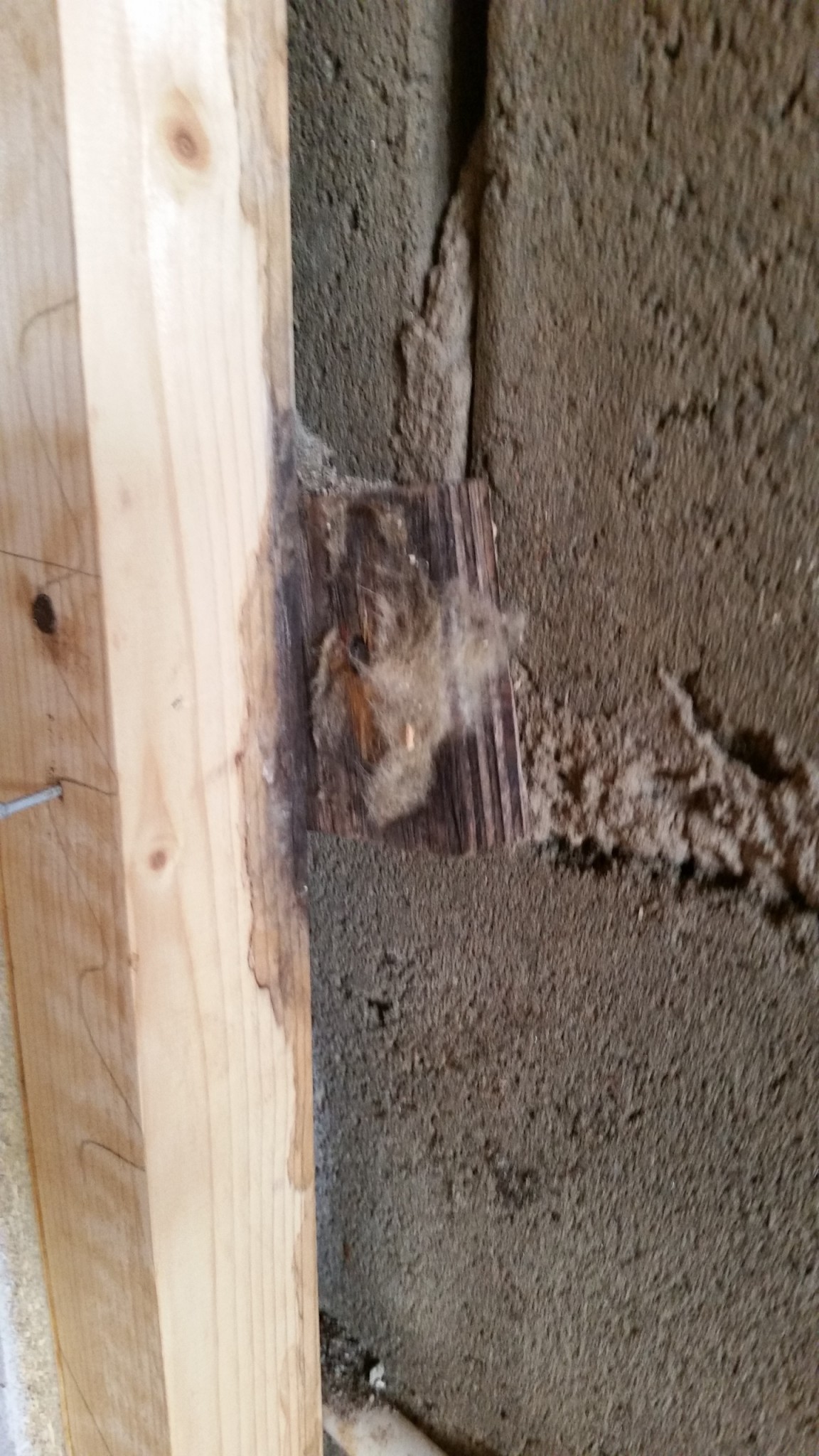
Here is a picture that might show this better, this distance was slightly damp when I removed it, it wasn't moldy but just rotten and crumbled around. It smelled like earth.
Do you need the insulation? The best thing is just to plaster the wall.
My entire basement floor is just made of hollow concrete blocks with plaster on. Organic material in the basement is classified as a "risk construction".
Hello!
It's a recreation room that we use as a bedroom, it's fairly cool and comfortable as it is today, I think it will be too cold down there without the insulation. Maybe I should switch to metal studs with an asphalt strip behind that I put directly onto the concrete. With insulation and then moisture-resistant drywall on top? Of course, with ventilation open at the ceiling and floor by a few mm, as well as a ventilated floor strip and spacing at the ceiling moldings. Does this sound like a better solution?
why moisture-resistant gypsum?
then there's a big risk of getting a crooked wall if you mount metal studs directly.
asphalt strip can start to smell
Was thinking since it withstands potential moisture better? Why is there a big risk for that? In that case, I'll have to mount them like the wooden studs, with spacers in between. Ah, okay. No idea about that, I'll skip it then.
The new insulation, should it be against the concrete like it was before or only between the metal studs? Then there will also be an air gap between the wall and insulation.
Ok! I understand. Should I still have plastic over the insulation before putting up the drywall? Should I use spacers in some way so there's no risk of the insulation getting close?
Click here to reply
Vi vill skicka notiser för ämnen du bevakar och händelser som berör dig.

 Wooden studs distanced from the outer wall with "gullfiber," I think it is. Over this is some form of plastic with particleboard as wall covering.