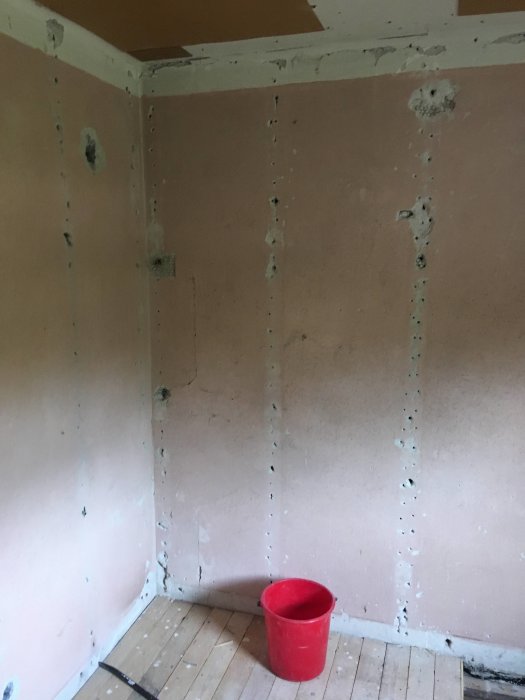
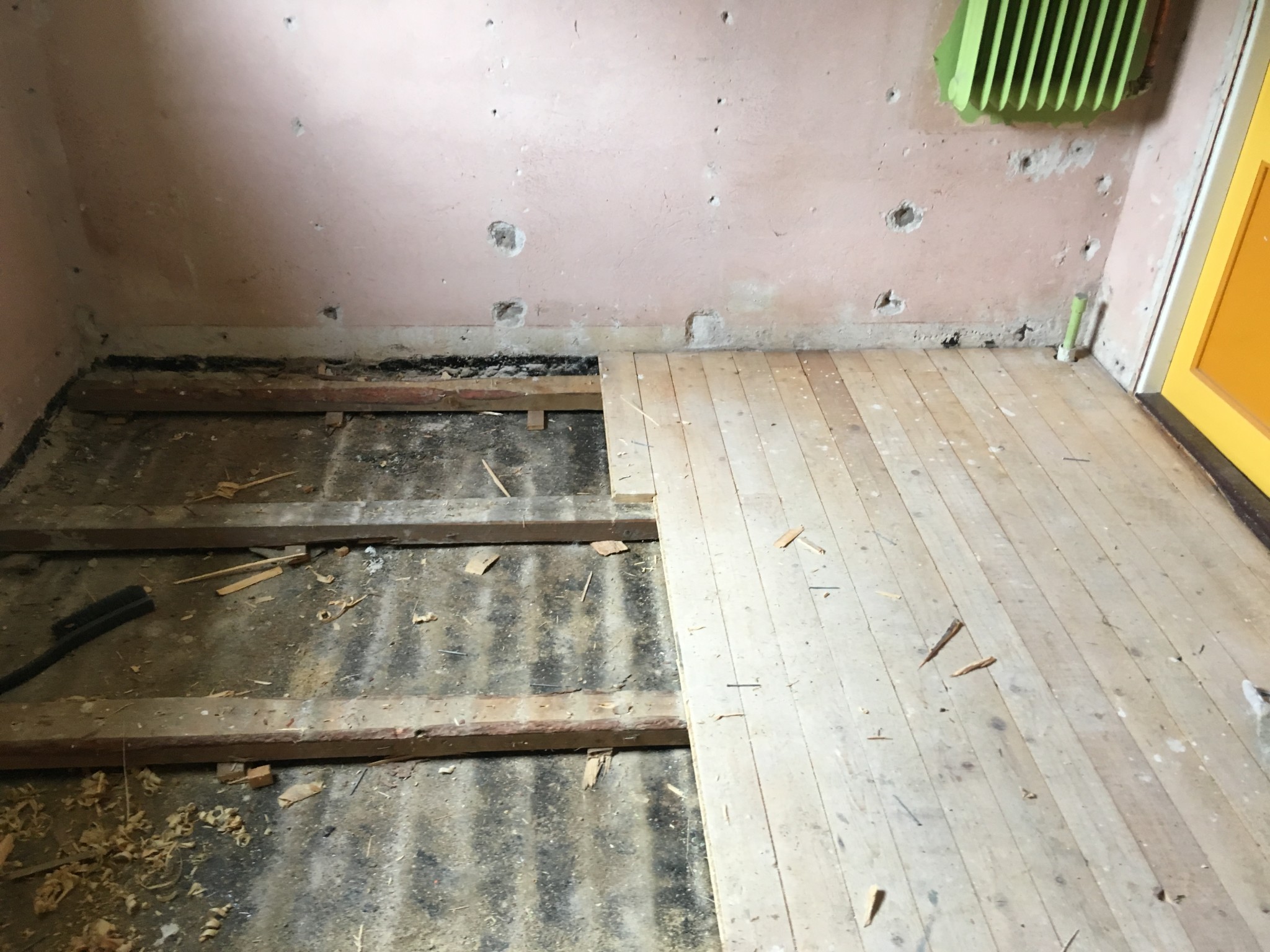
We are working on a long-term basement project. Right now, we are demolishing a finished room in the basement. The house is from around 1948. A room in the basement was framed with wooden studs and tretex, both floor and ceiling. The floor is covered with what looks like some asphalt, which is also on the outside of the concrete. We've encountered some questions.
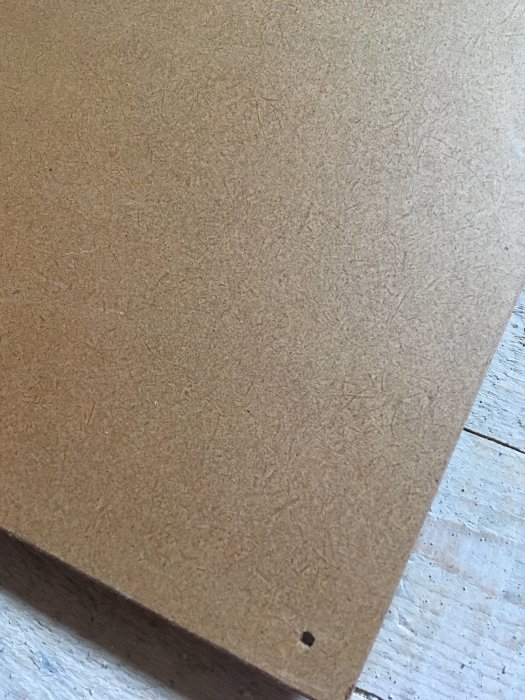
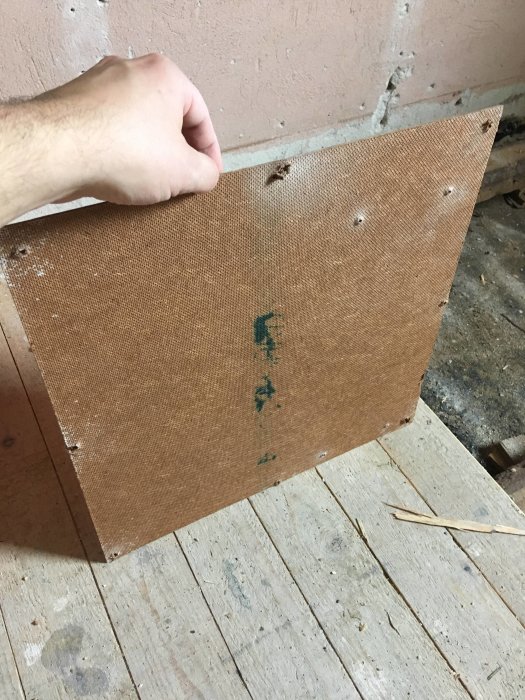
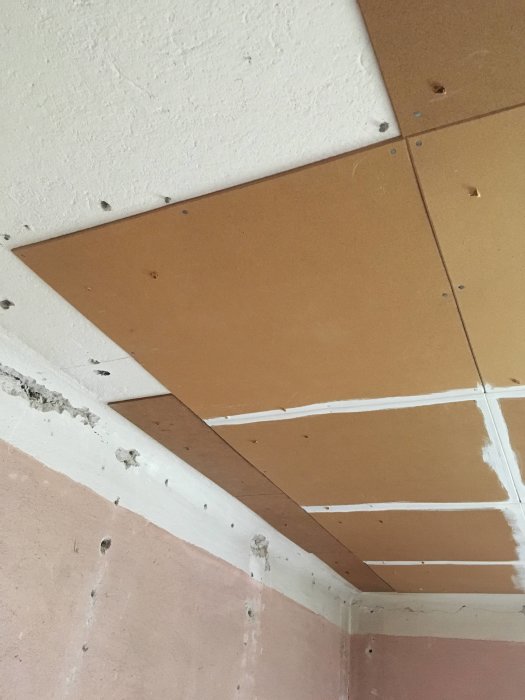
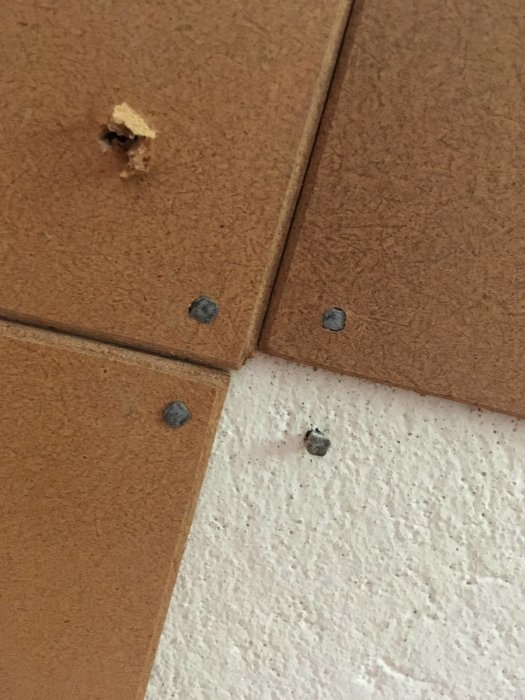
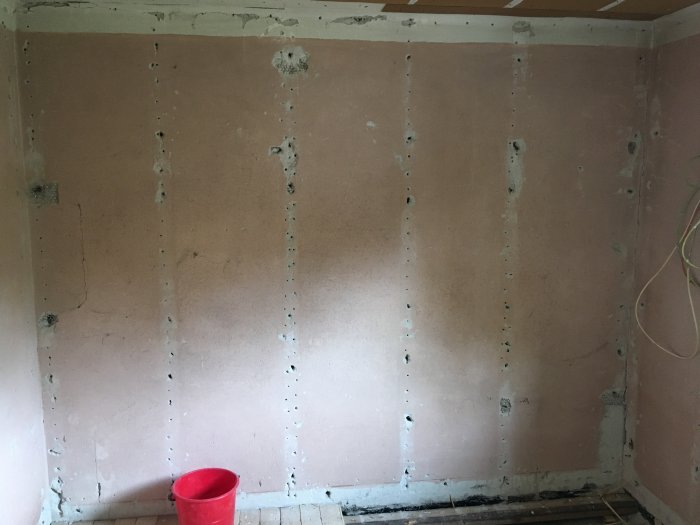
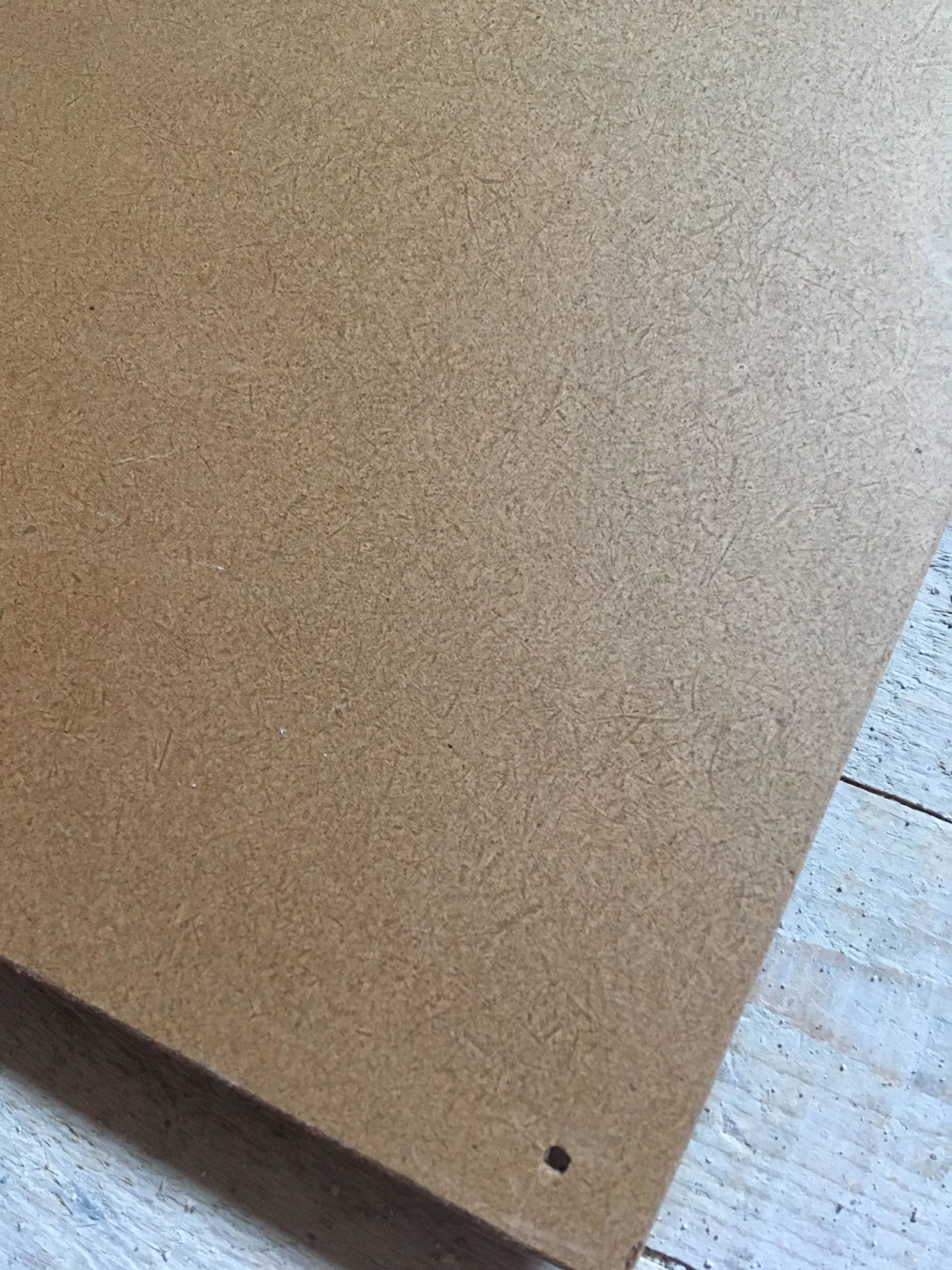
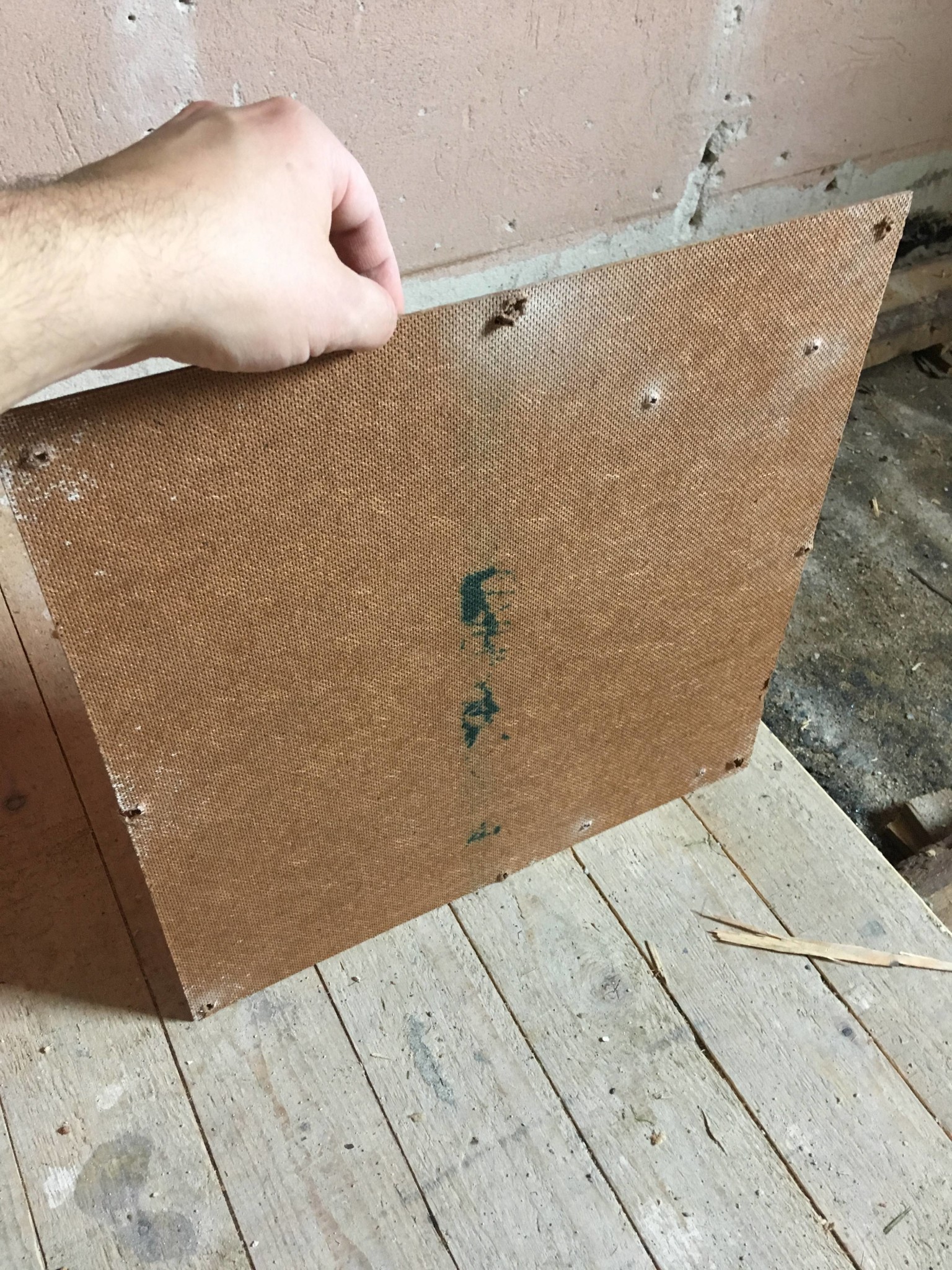
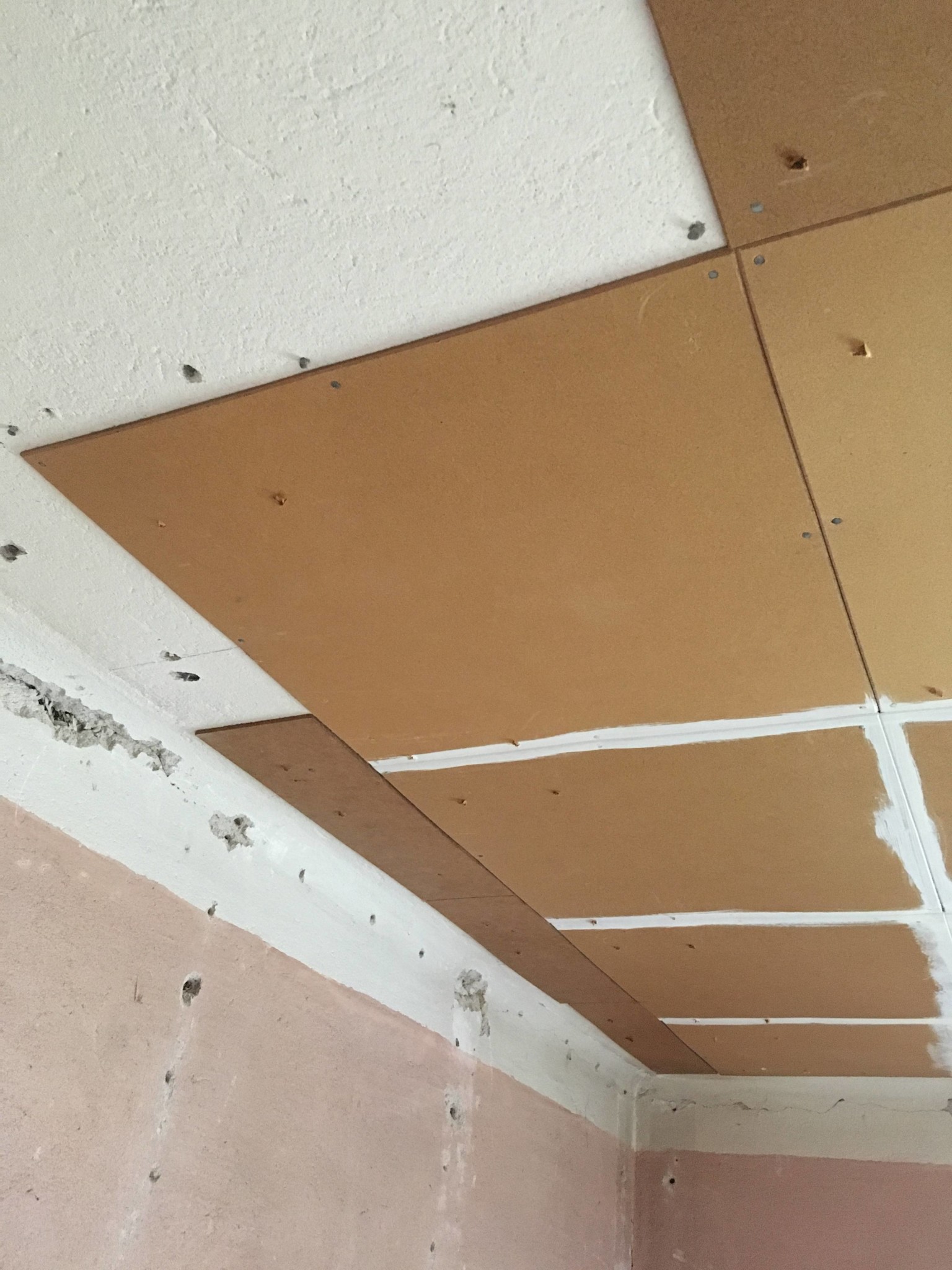
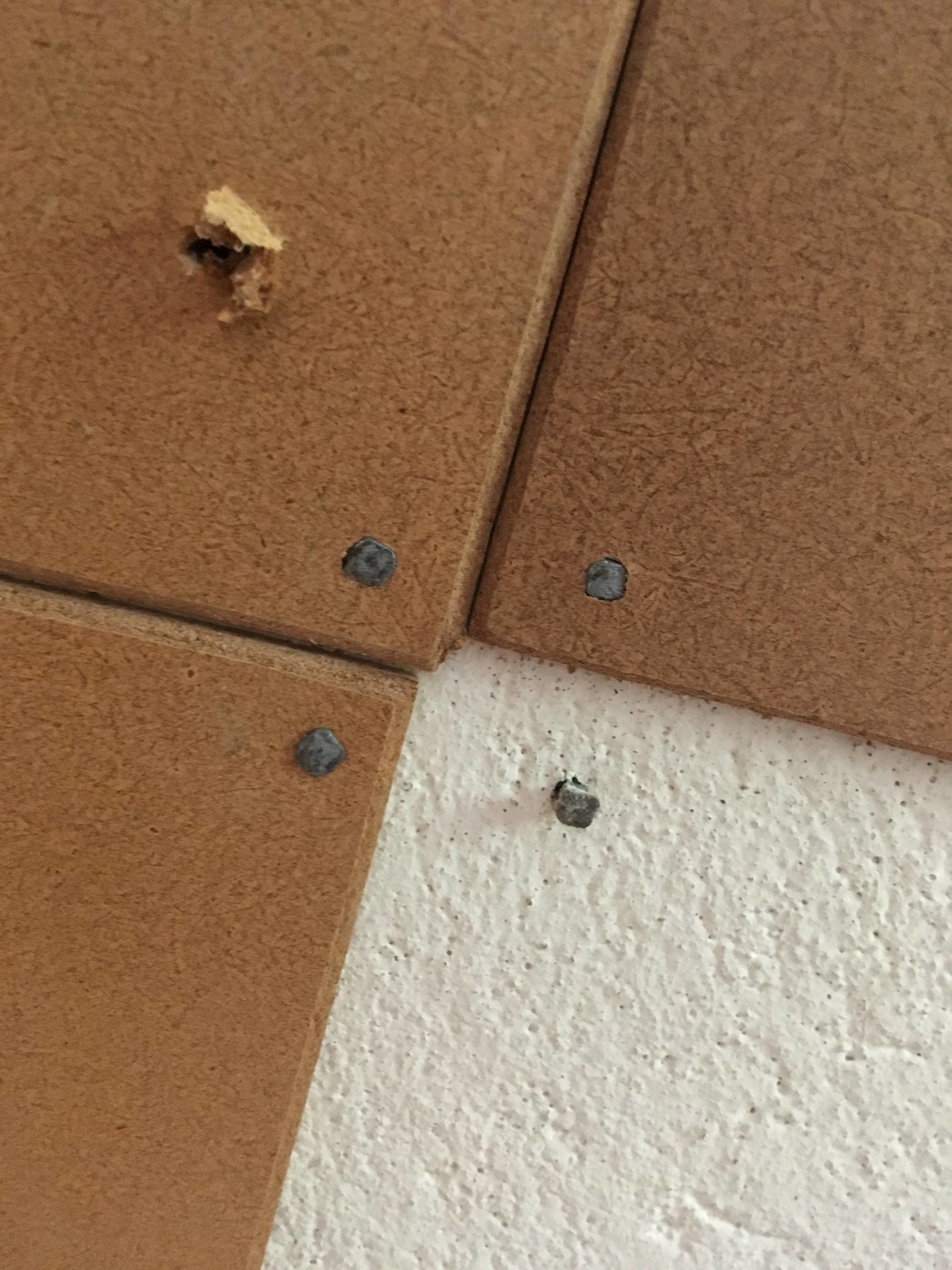
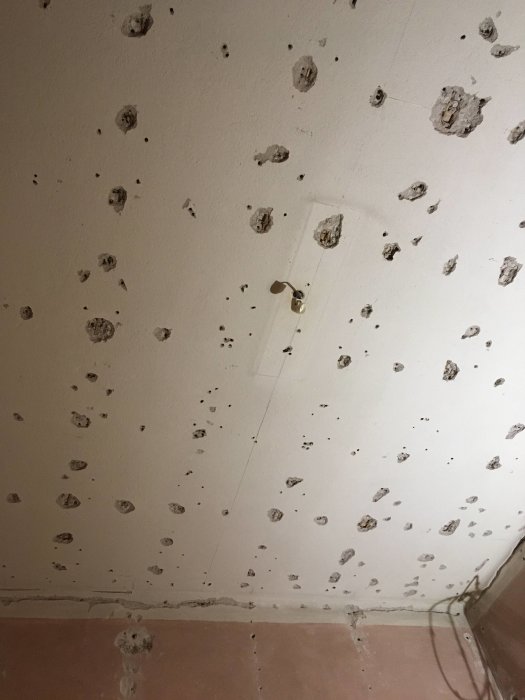
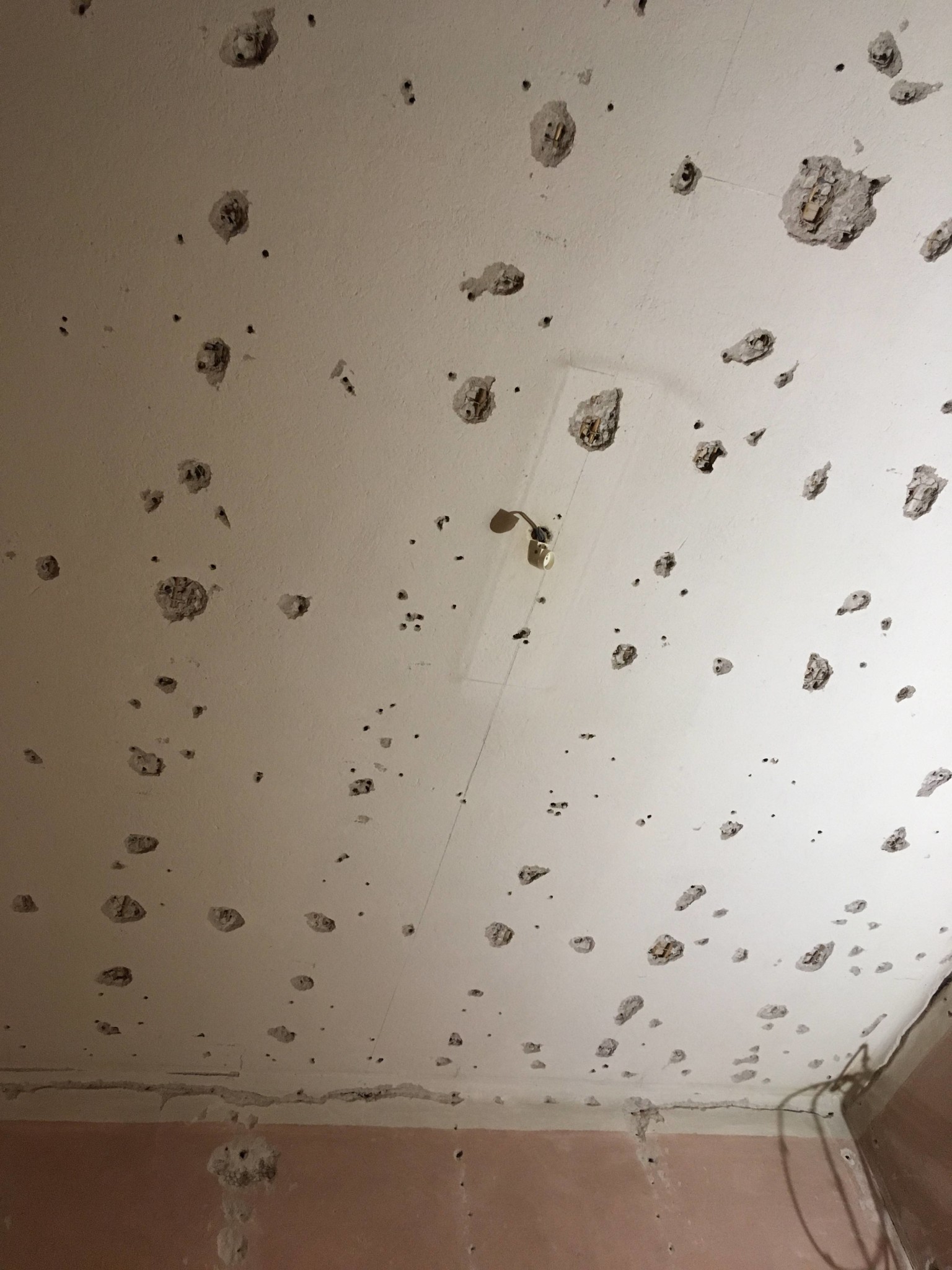
There are tiles on the ceiling, is this masonite? They felt so hard and a little different, but I wanted to check what the experts say or if this could be asbestos. I plan to send it for analysis unless someone convinces me otherwise.
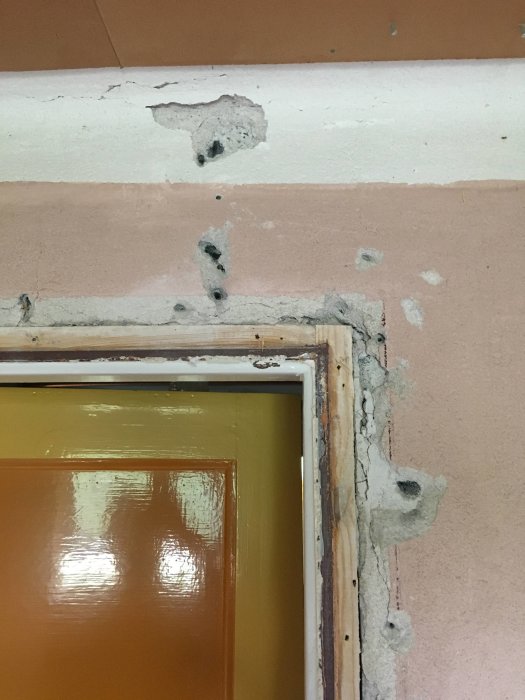
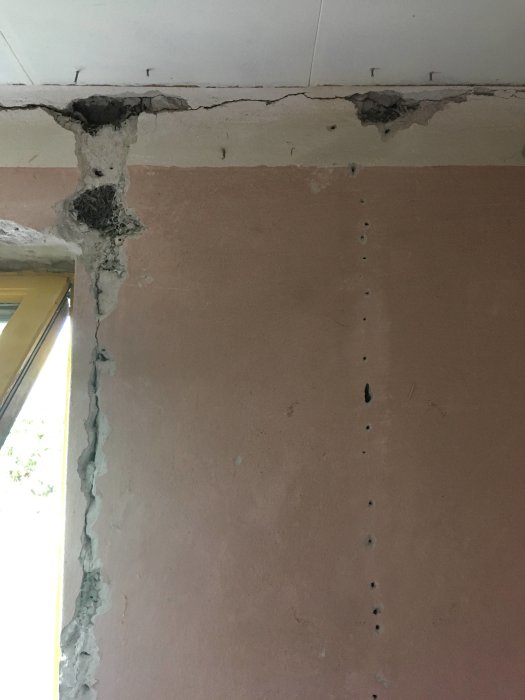
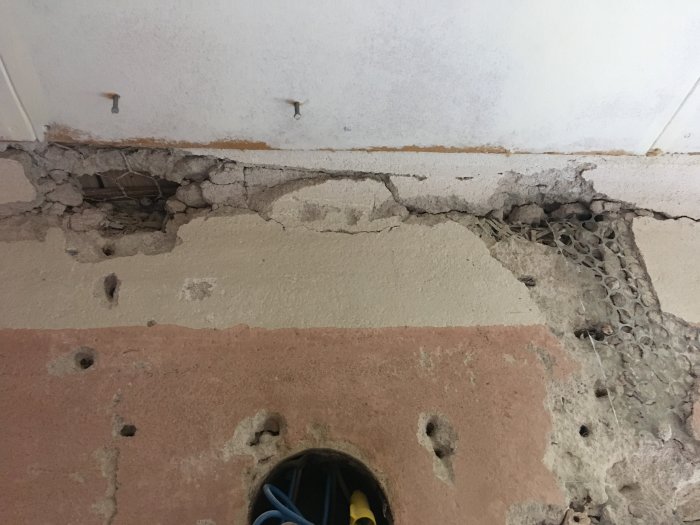
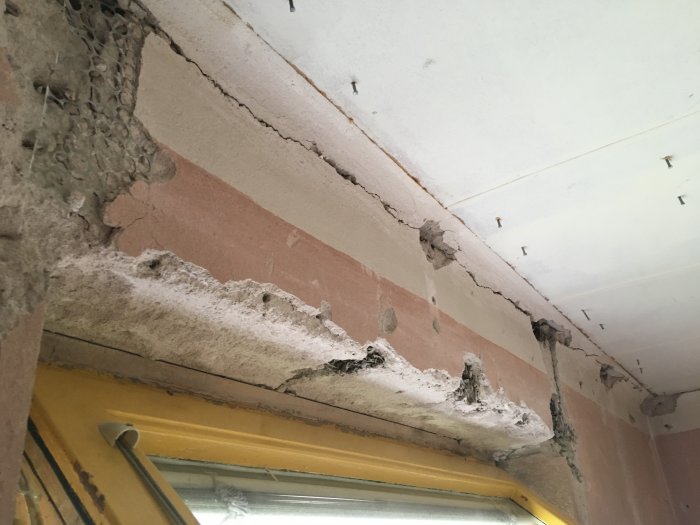
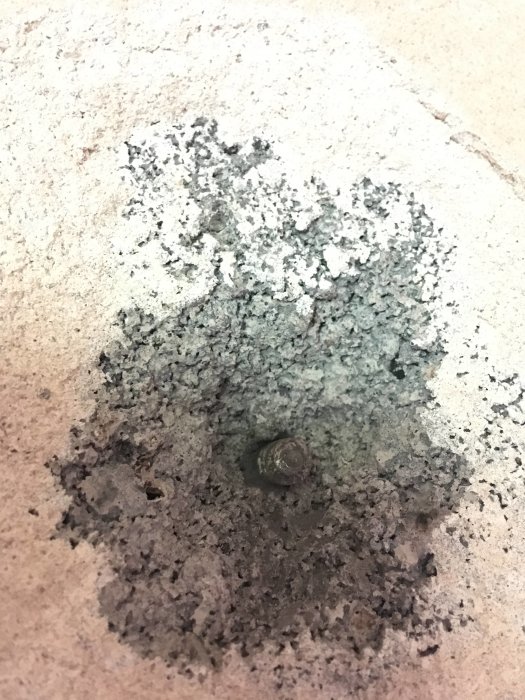
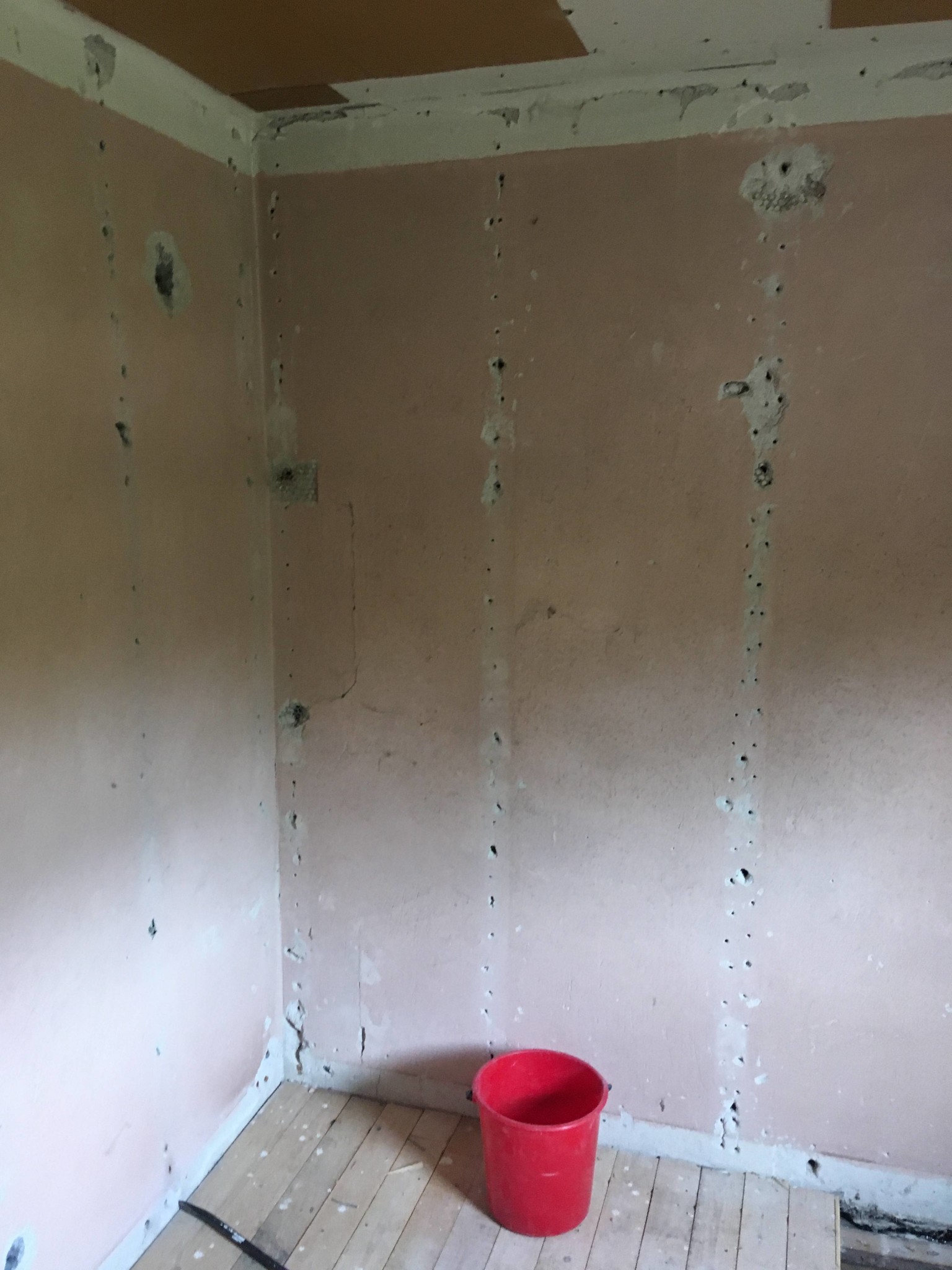
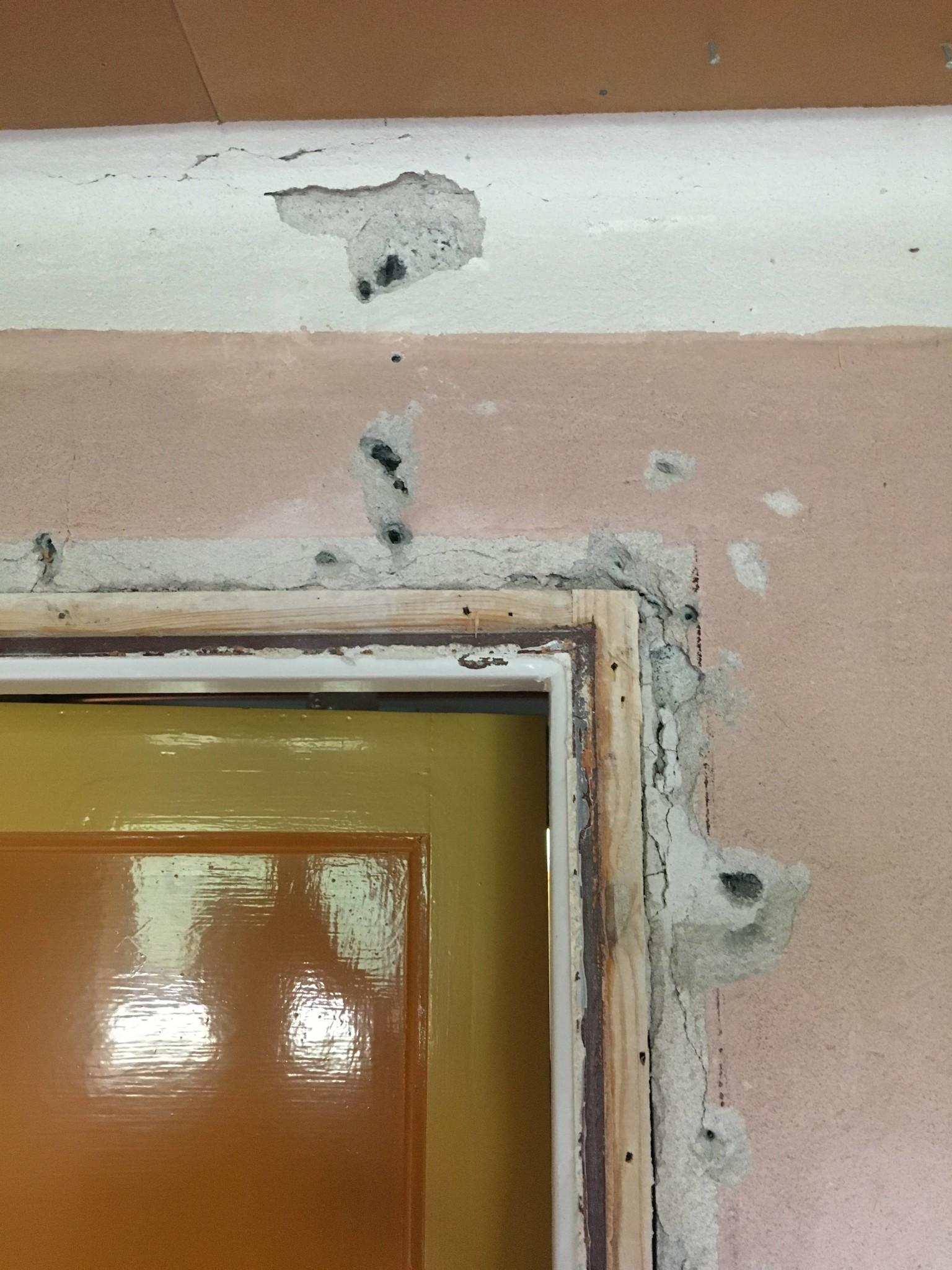
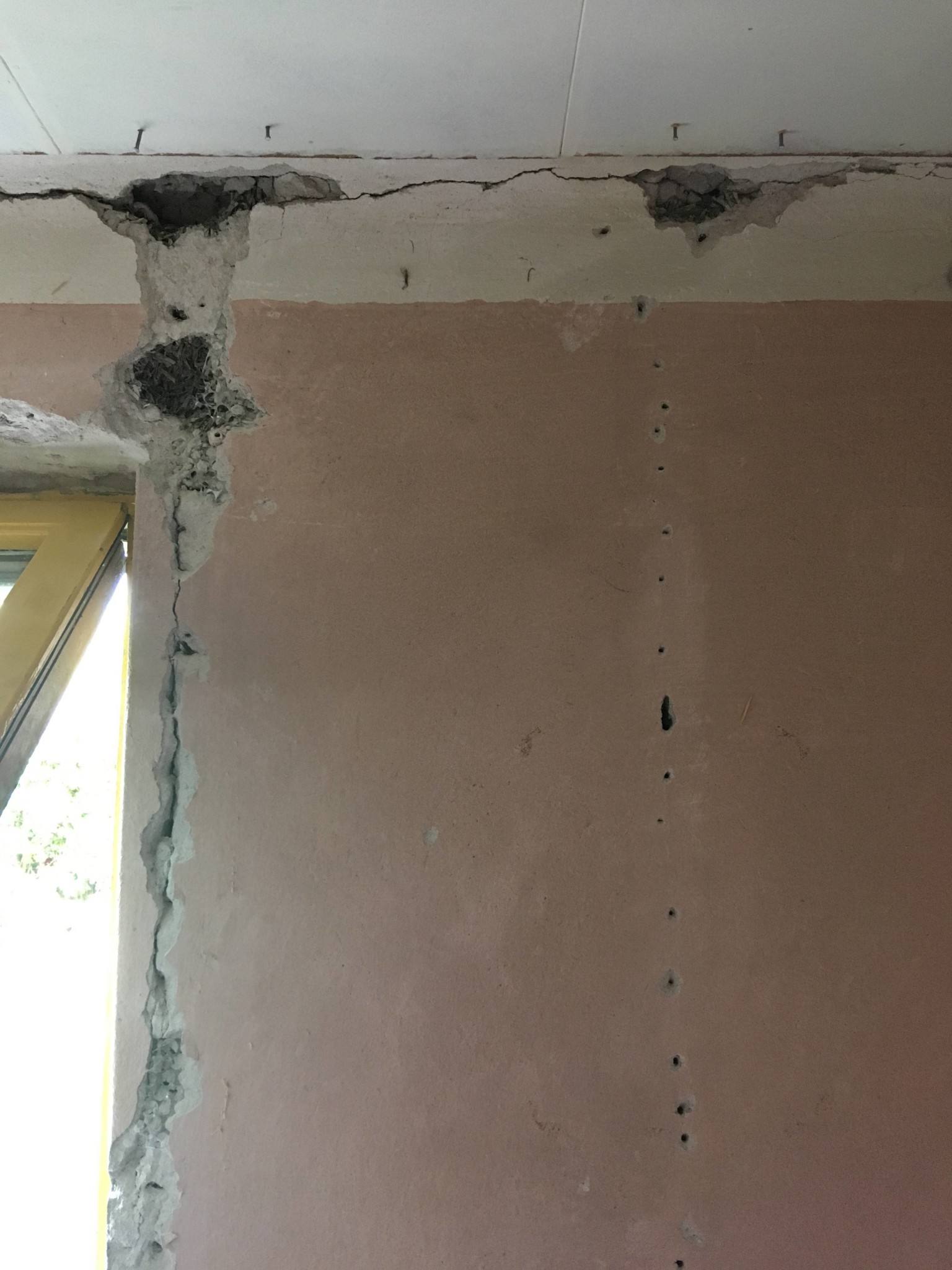
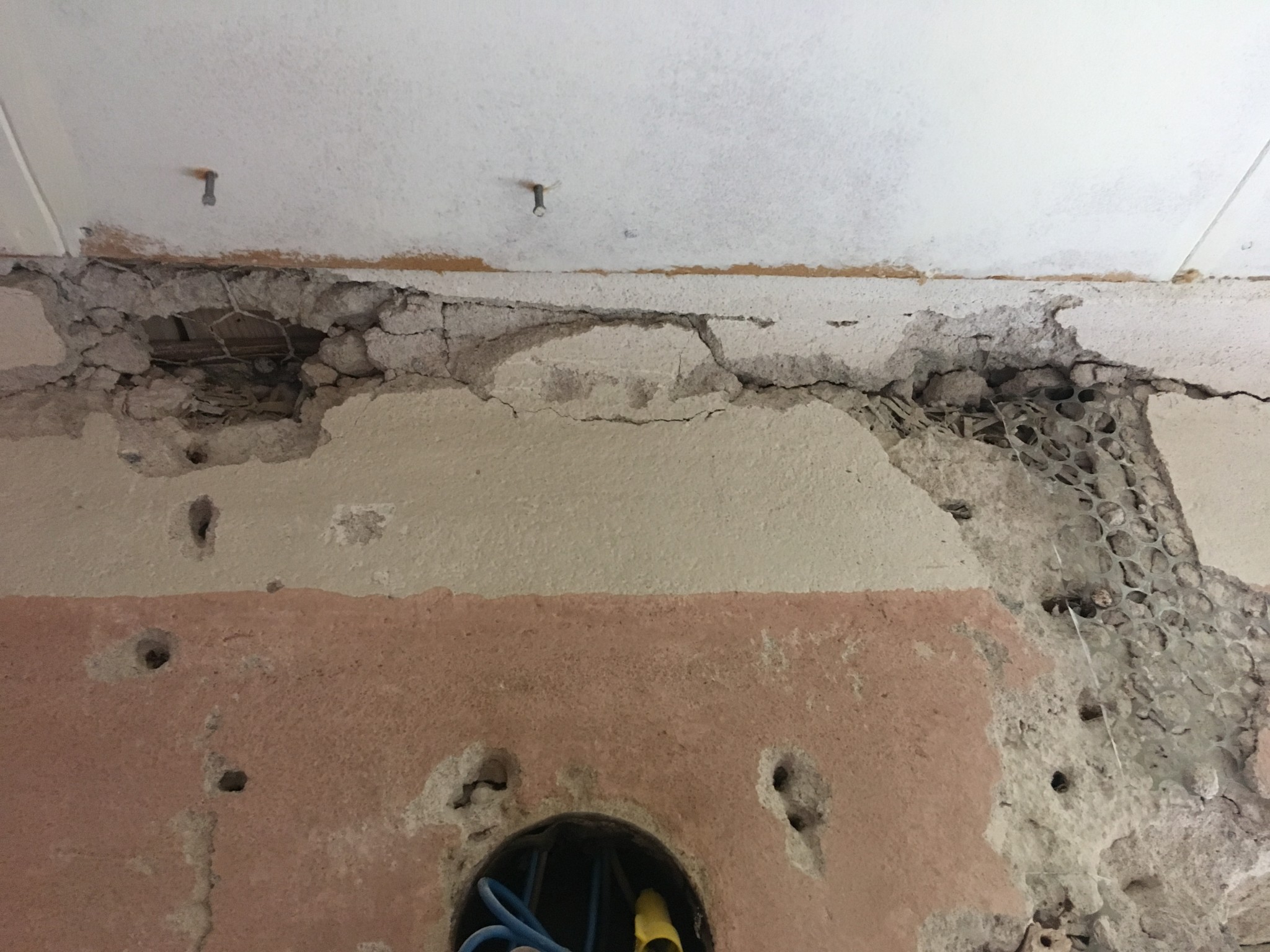
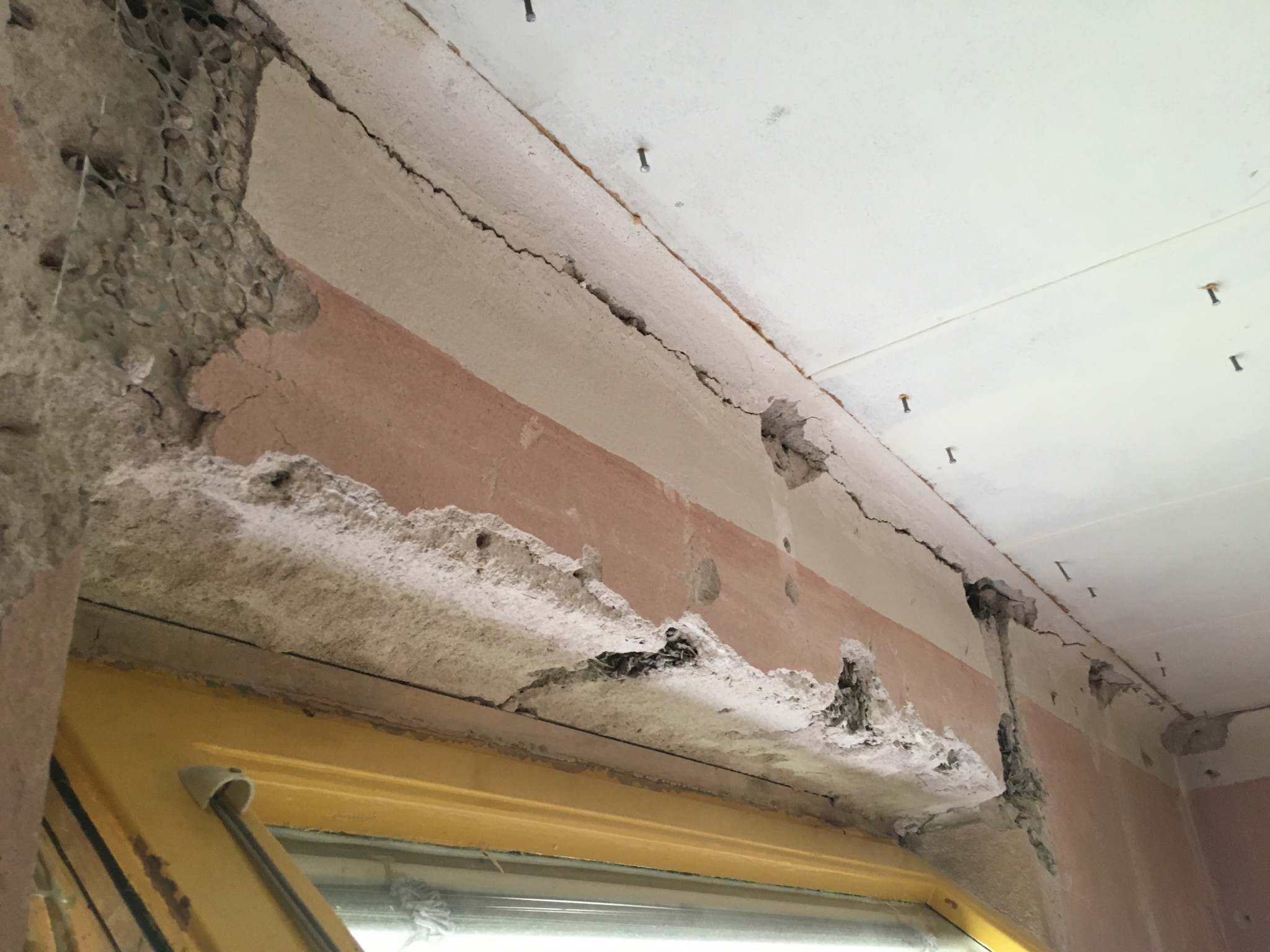
The plaster has broken quite a bit during demolition, but I think it can be patched and repaired. However, it is very porous in some places. How do you know if the plaster can be saved or if it should all be removed and replaced with new?
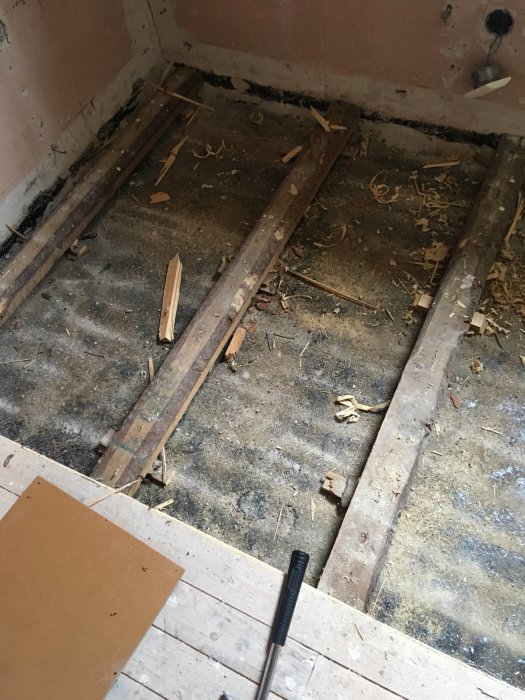
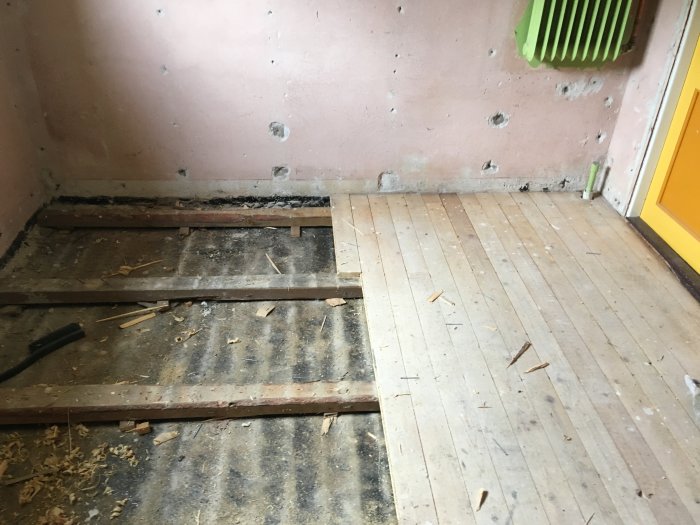
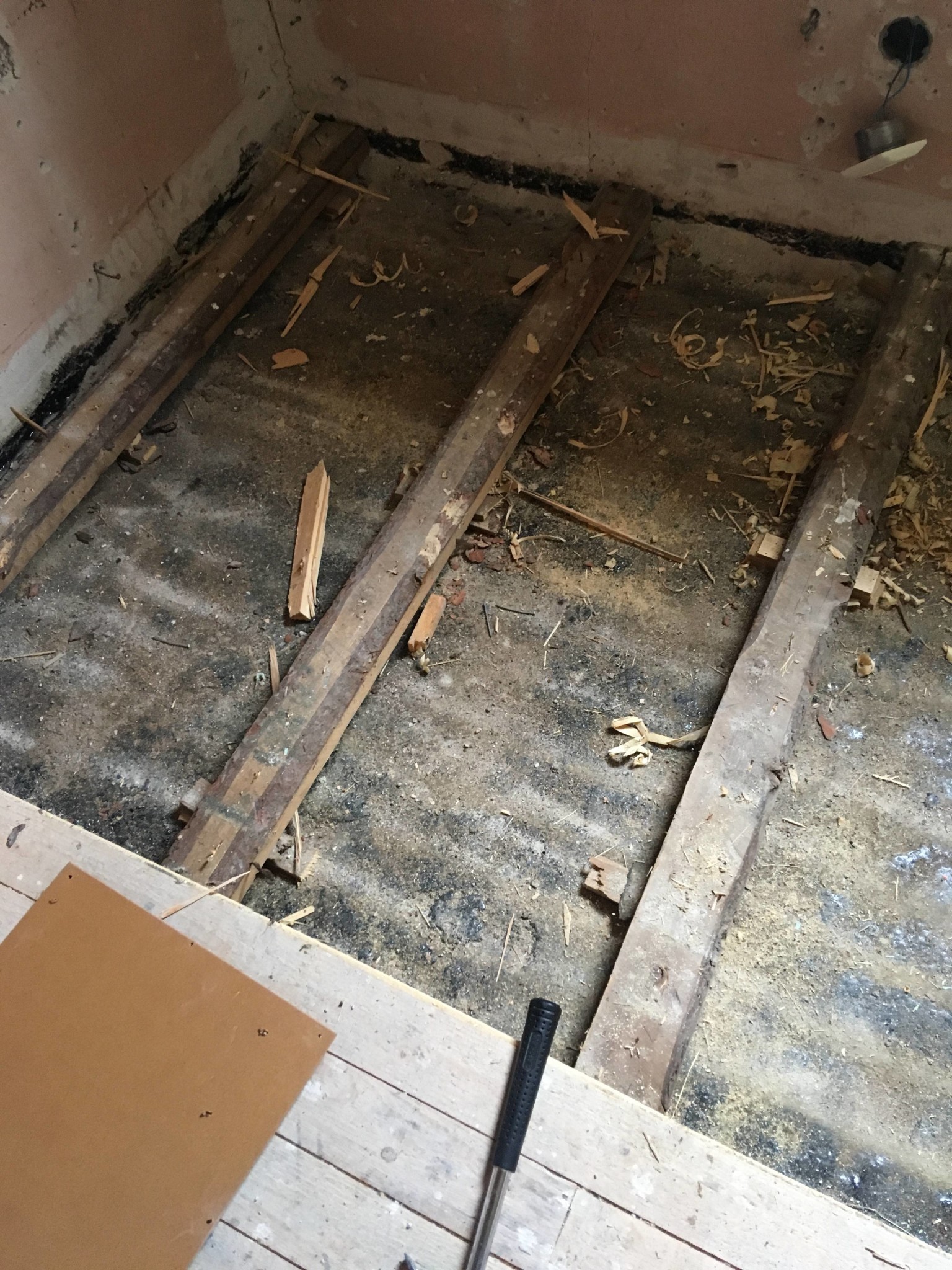
The asphalt on the floor (if that's what it is) should probably be removed, I suppose, or can it be left? It does hinder moisture migration, right?
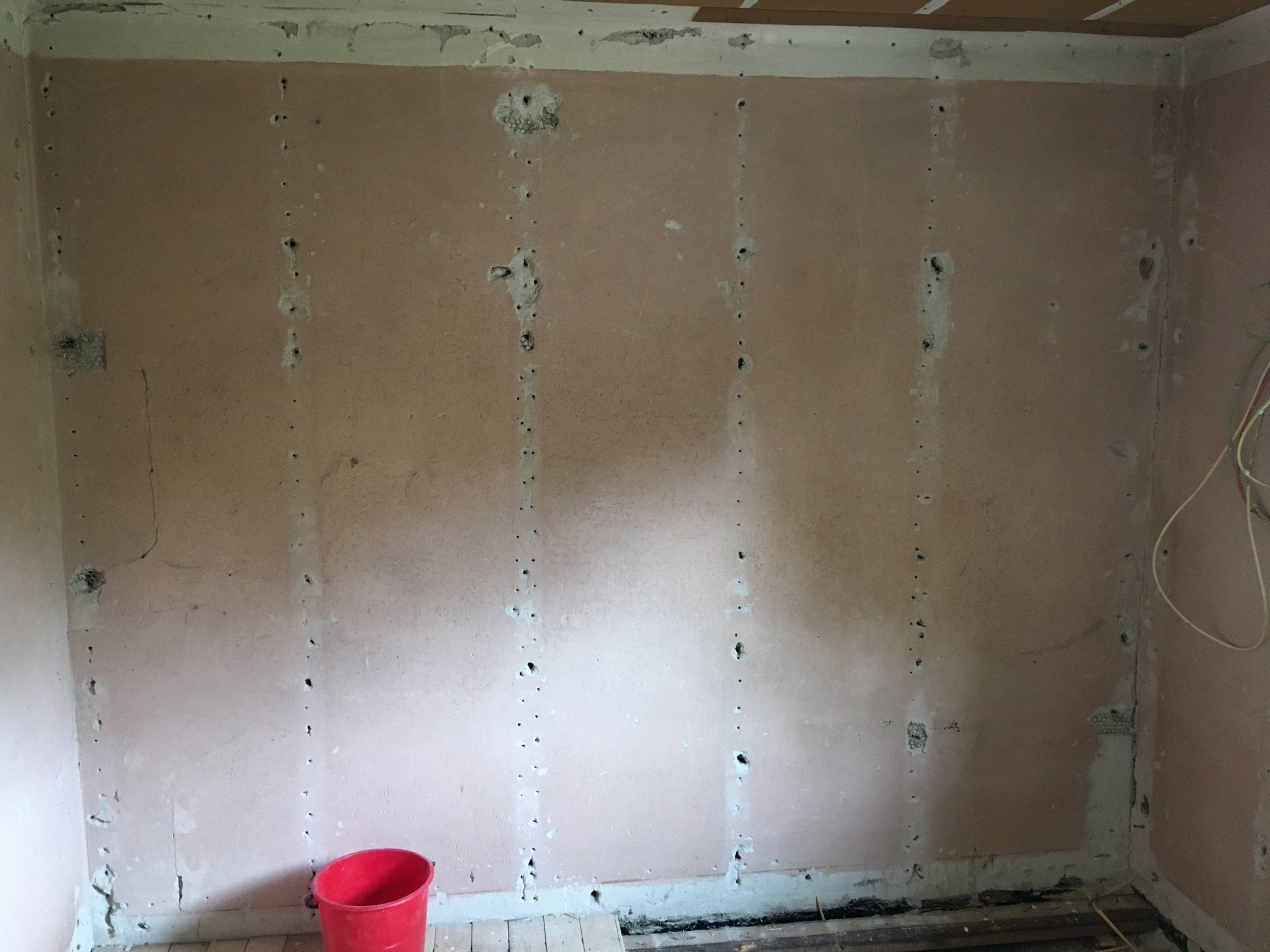
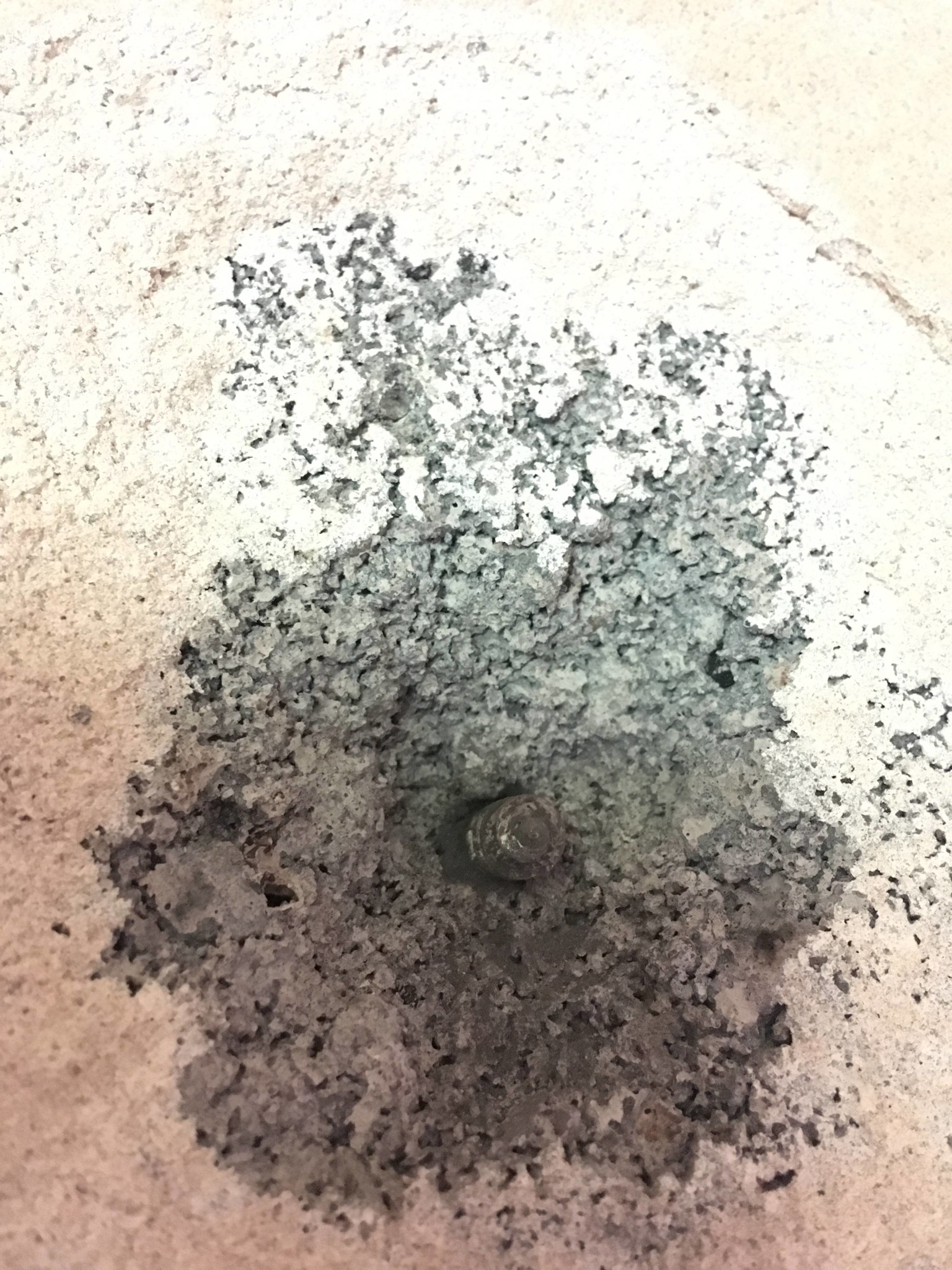
Then I suspect that the interior walls in the basement may be made of blåbetong. I know you can measure it with some kind of measuring instrument, but what is the easiest way to do that?
blåbetong?
The room is intended to be used as a guest room with a bed if possible. We didn't plan to install underfloor heating or insulation, aiming for something simple and inexpensive.
The room still seemed quite dry, even though it was completely framed with wooden studs against the façade for who knows how long. The basement has just been drained and insulated externally with isodrän. This particular room isn't far below ground level; the ground goes up about 1 meter.
That looks exactly like masonite. Smooth on one side and characteristically "small-waffled" on the other. Eternit panels are usually gray, have different other structures (or are smooth) and do not break in that way. They also have a distinct sound, you can tell it's fiber cement.
Disclaimer: Analysis is for your own concern and I do not want to discourage this based on pictures on a forum.
Doesn't look like blåbetong, no... It has a slightly purple tone and is finer in texture than in the picture. However, it could be mixed; in my house, about every third/fourth stone is blåbetong and the rest are "regular" ytong/lightweight concrete.
The asphalt paper in the floor is regular underlay paper. It is meant to moisture-proof the wood and insulation from the concrete floor underneath. You repair the plaster. Use a soft lime mortar to be safe.
We haven't really decided what to do with the floor, but we are leaning towards bare concrete or tiles. However, the risk is that it might get a bit cold since we don't have plans for any underfloor heating. But I guess we should remove the asphalt? Or can it be left as it is?
Can you prime and level directly on it in that case?
Ideally, you might want to dig out and insulate from beneath, but perhaps the energy won't be there for that.
If you haven't already started, the fastest and easiest way would likely be to repair the holes with plaster and then apply a thin layer of plaster or spackle directly on if you are not experienced with plastering ceilings...
Looks like there are slag plates in the wall, i.e., not blåbetong. If you want to be completely sure about potential radon material, you should hire a company to perform a gamma measurement.
Click here to reply
Vi vill skicka notiser för ämnen du bevakar och händelser som berör dig.