Hello!
I’ve hit a snag now that I’m planning to put up a couple of Elfa Wall Rails in my garage.
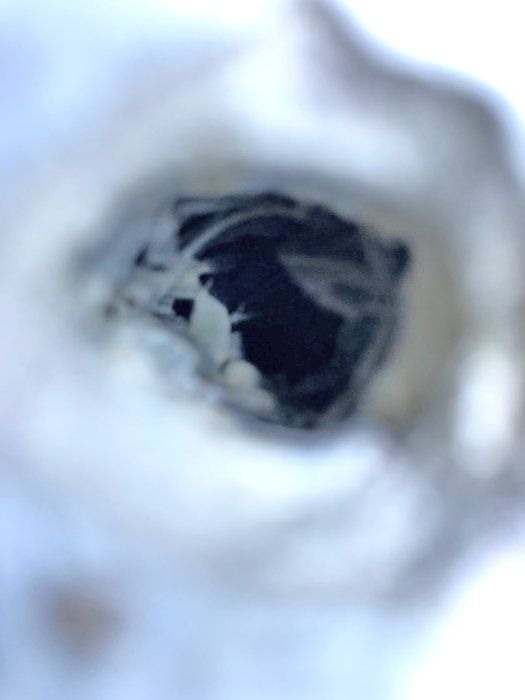
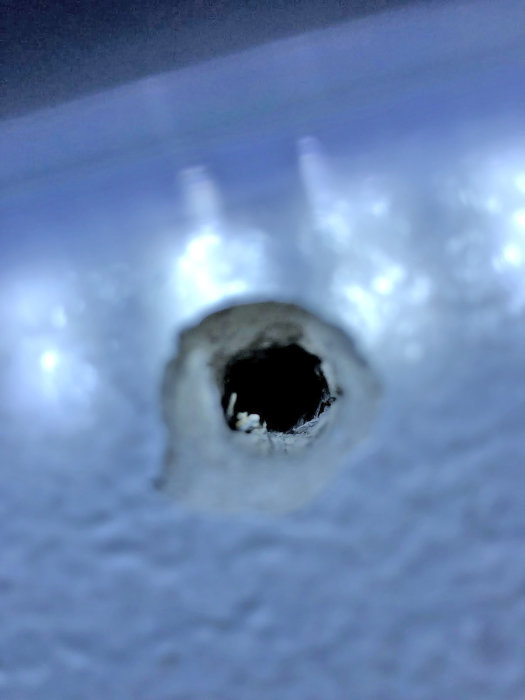
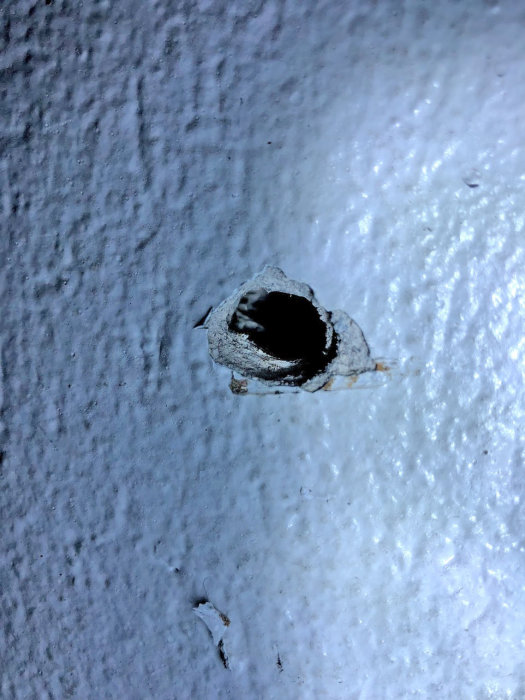
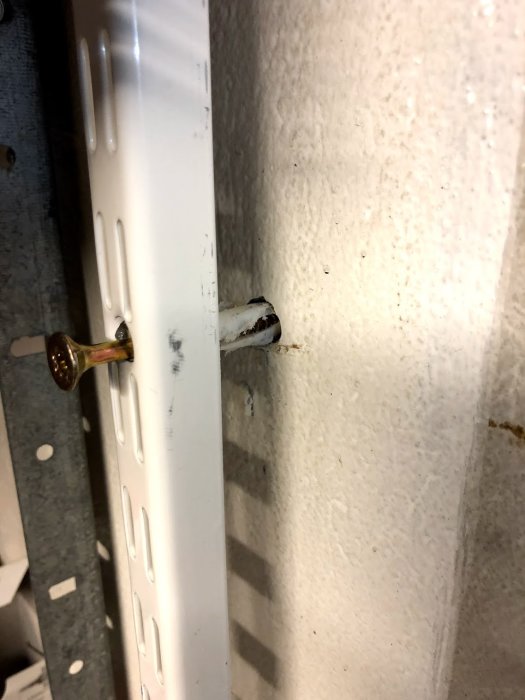
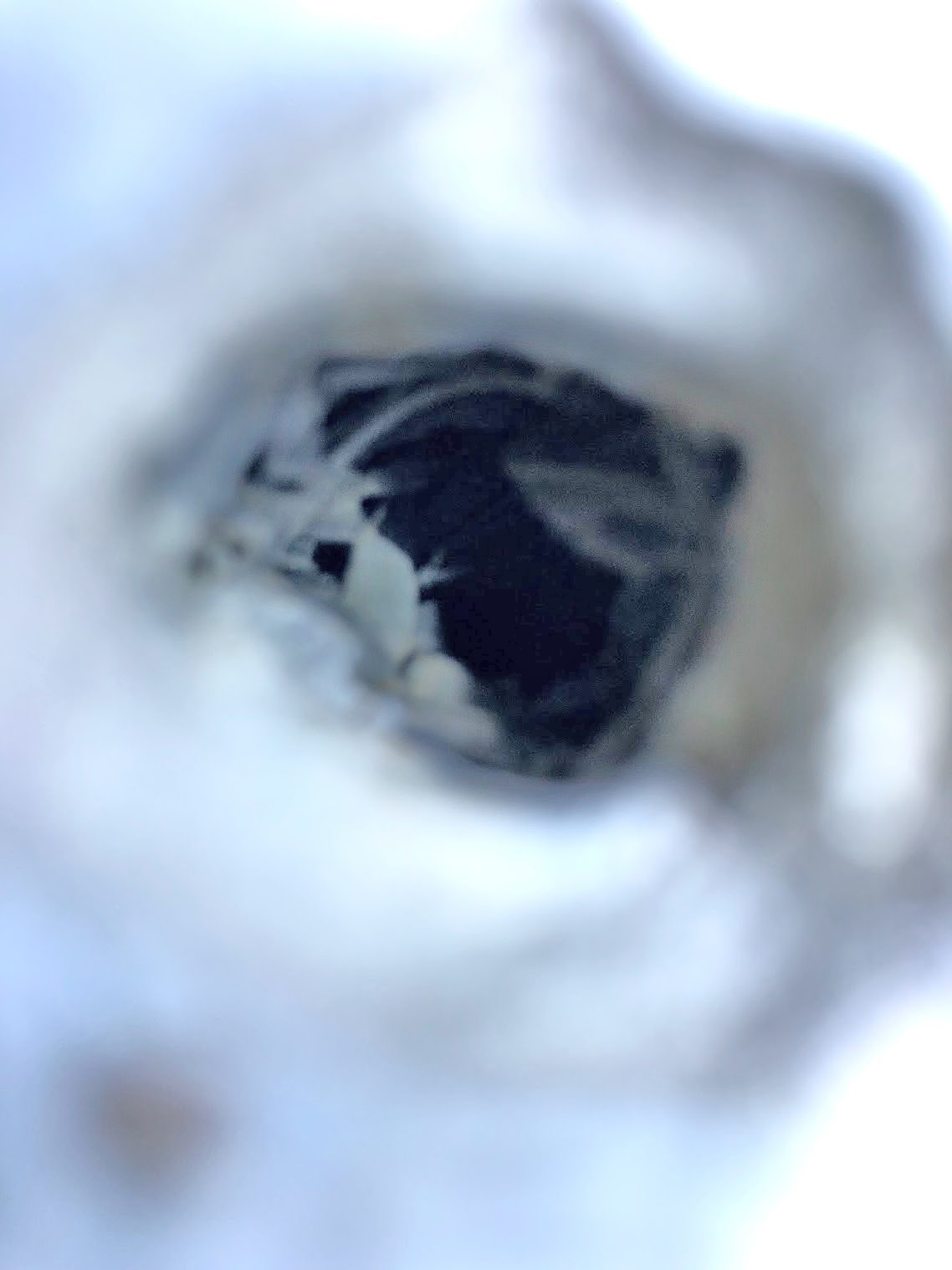
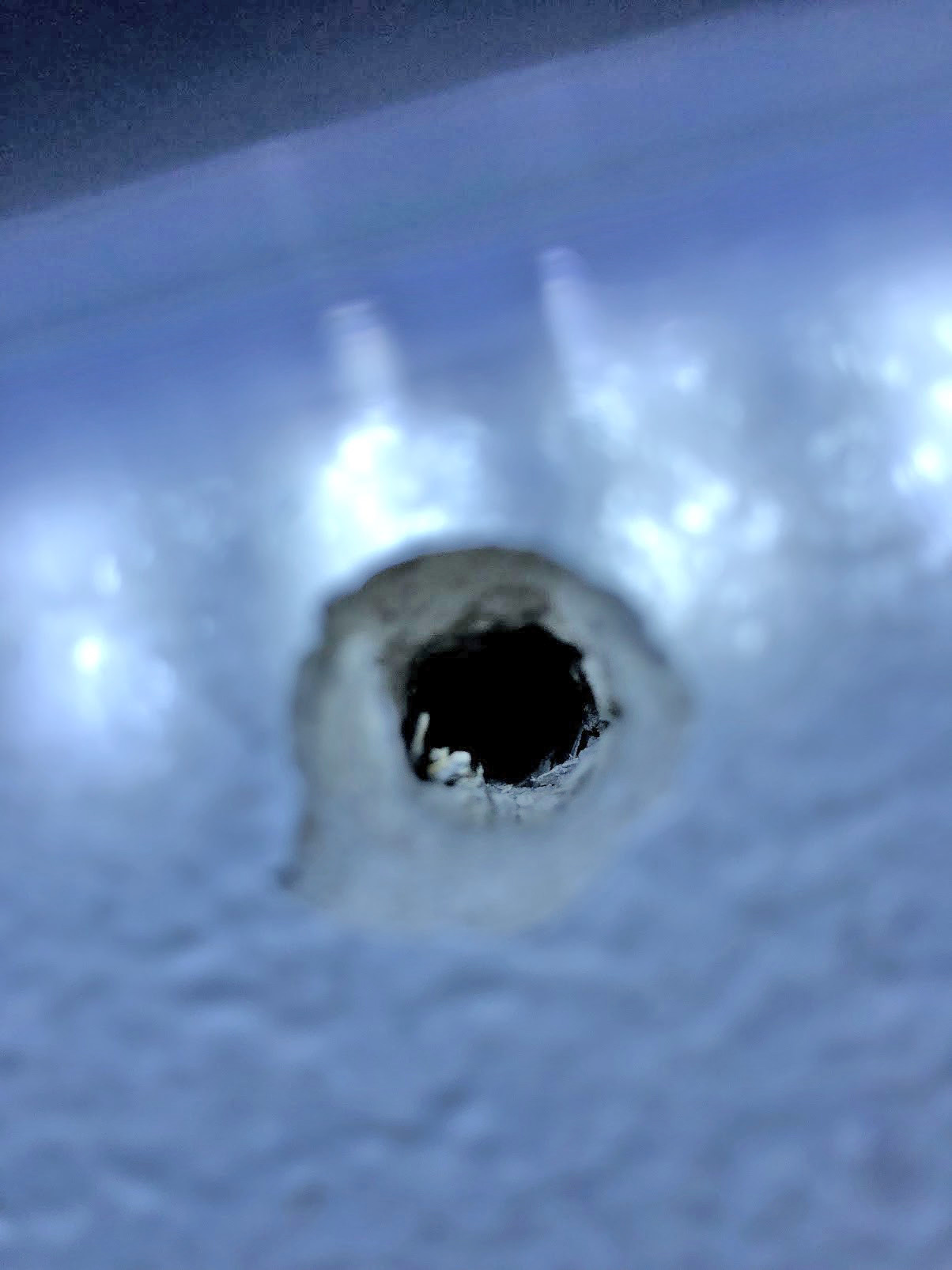
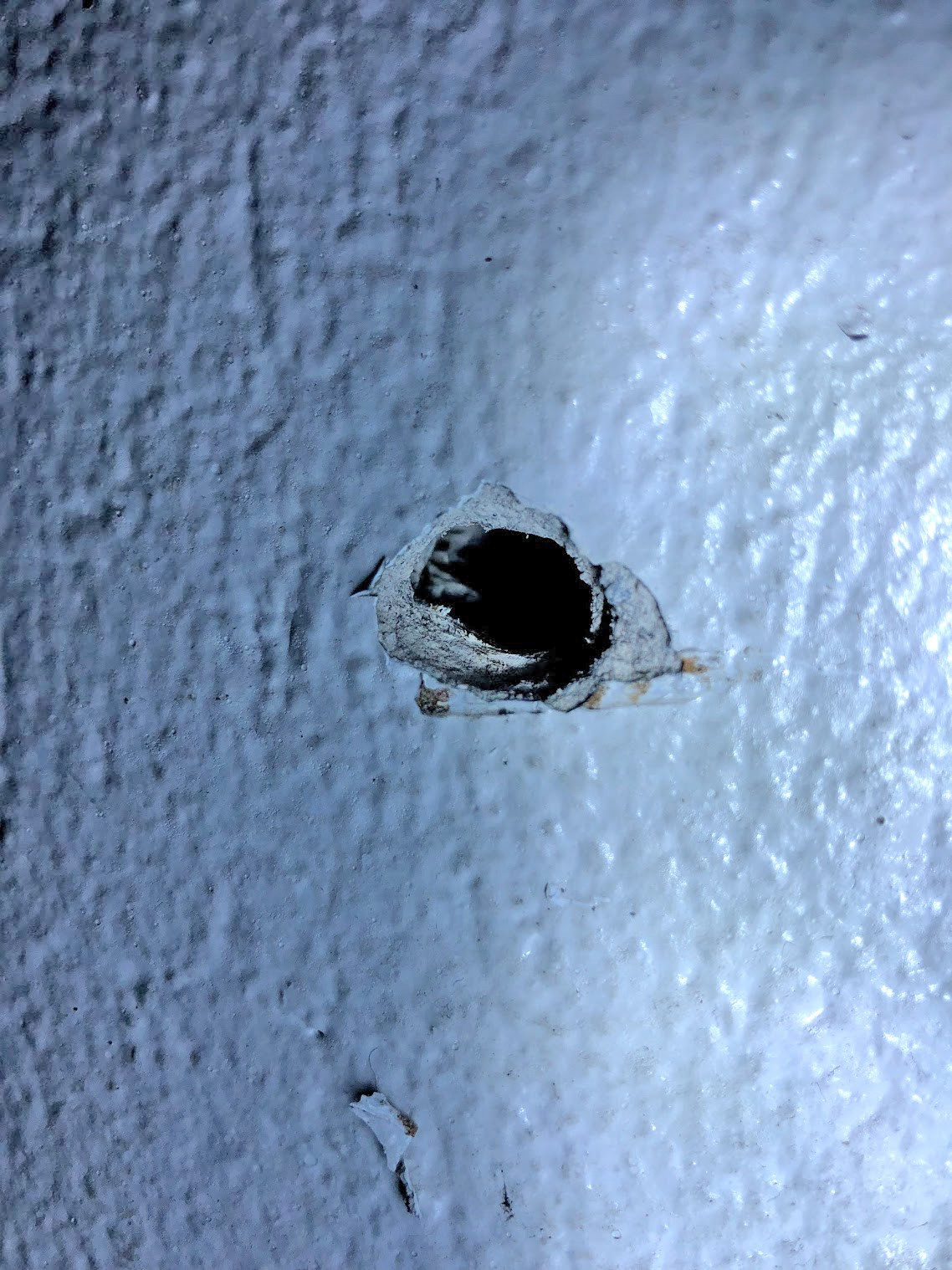
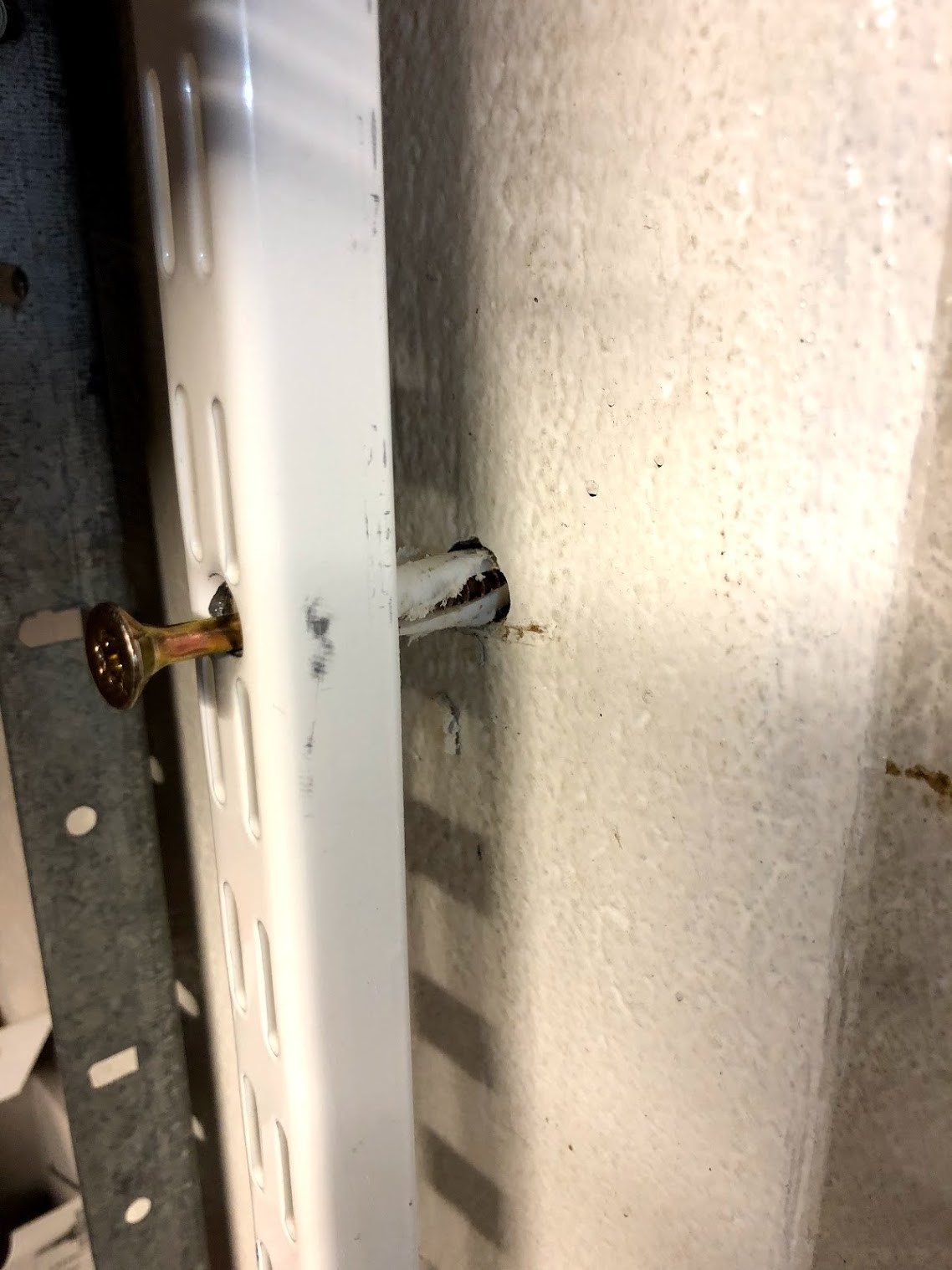
The problem is that on the surface there is rather loose plaster followed by something very hollow wood material? I’ve tried to look inside, and it just looks like some airy wood-chip mass? The universal plugs I’ve tried with just slip and don’t grip.
Does anyone know how I should go about anchoring these wall rails properly?
It seems like this airy wood-partition wall is approximately 5-8cm deep, then I encounter (I guess?) the outer wall where I assume I would need a hammer drill to be able to drill into it, but is this necessary?
Attaching some pictures if anyone might recognize this problem..
The house was built in '57 if that helps.
It seems difficult to get a hold. Universal plugs are still bad and not recommended. If you're going to use plugs, you should buy nylon plugs from Fischer. I wouldn't trust the load-bearing capacity in this material without attaching it to the underlying concrete/stone wall with this: http://www.fischersverige.se/tabid-...tegory-1001065231/usetemplate-productdetails/ You need a power drill, but if you have a house, you'll need it in the future anyway.
It seems difficult to get a firm grip.
Universal plugs are still bad and not recommended. If you're going to use plugs, you should buy nylon plugs from Fischer.
I wouldn't trust the load capacity in this material without fastening it into the underlying concrete/stone wall with this:
[link]
You need a hammer drill, but if you have a house, you'll need it eventually anyway.
Thanks everyone for your responses!
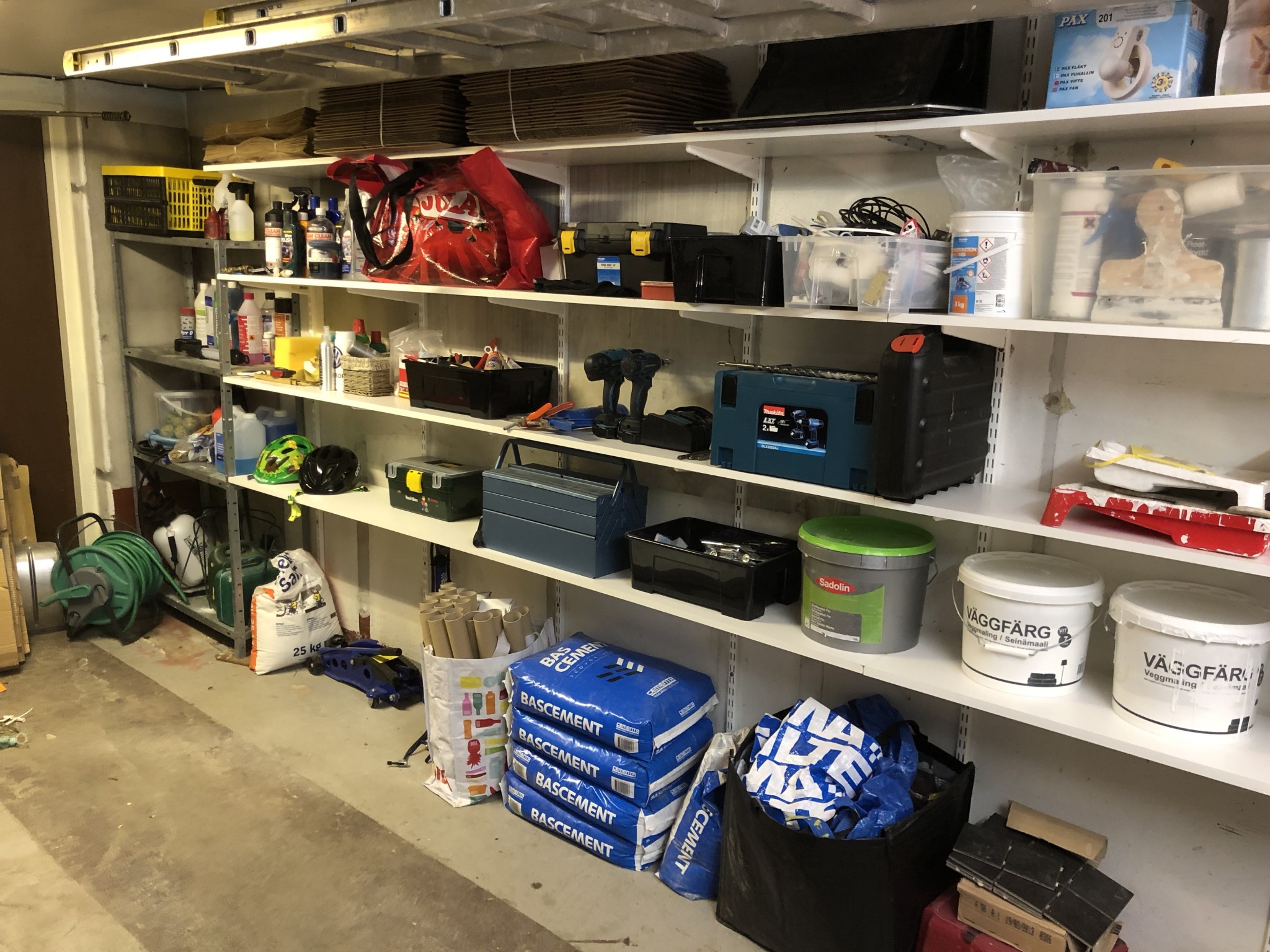
Now the wall rails and shelves are finally up! Took an insanely long time and I've probably tried all the variations that exist.
The problem with all the plugs I tested (Probably bought all the variants and materials...), universal, aerated concrete, etc., was that they never got a grip and just spun around, nail plugs didn't work either because after what I thought was concrete turned out to be hollow aerated concrete with narrow hollow sections, so no matter what I did, they just went further into the hole.
Finally solved it all by using chemical fixings and squirting it into the hole some distance, then placing the plug in and letting it set. Then I was able to let the plugs expand into the material after Träuliten.
I have the same challenge with träulliten. I'm considering gluing chipboard to the wall to be able to drill and attach things to the walls. It's a bedroom and no heavy items will be put up. However, it would be interesting to know what kind of plug you linked to. The link doesn't work.




Robbery said: