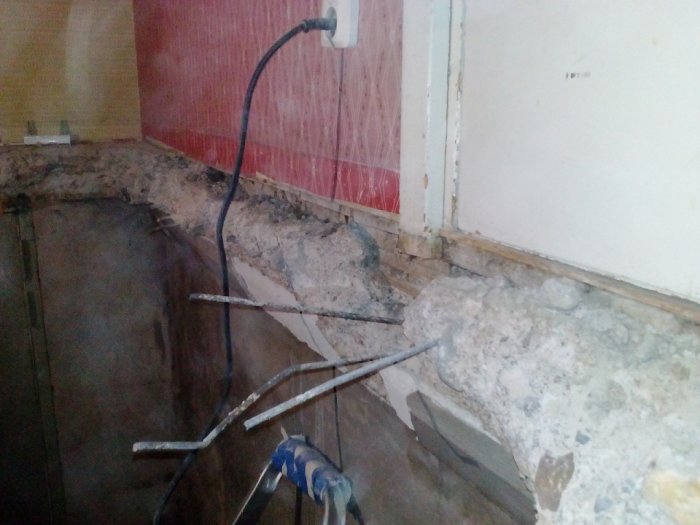
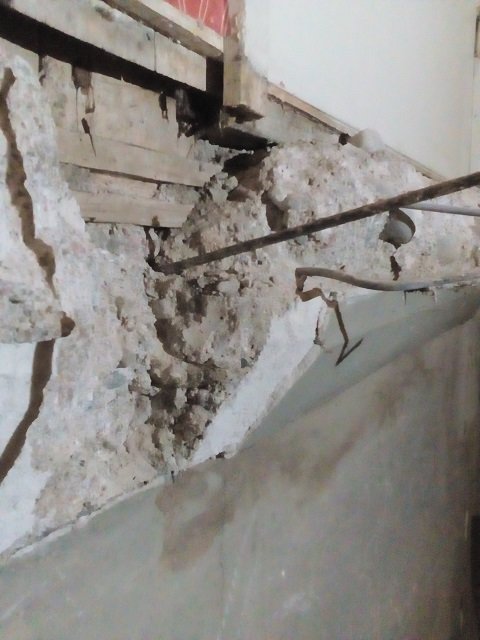
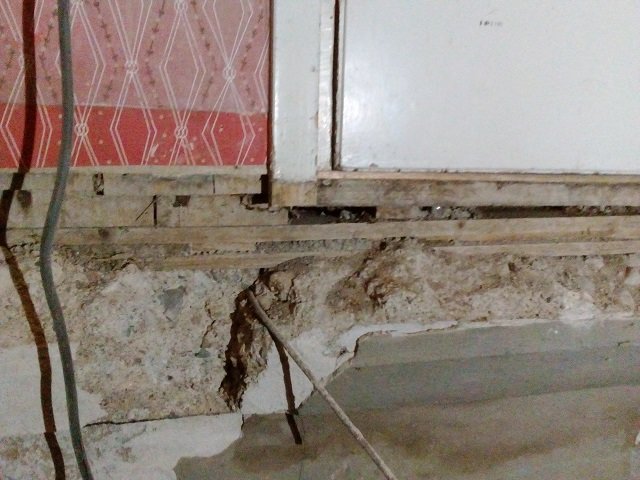
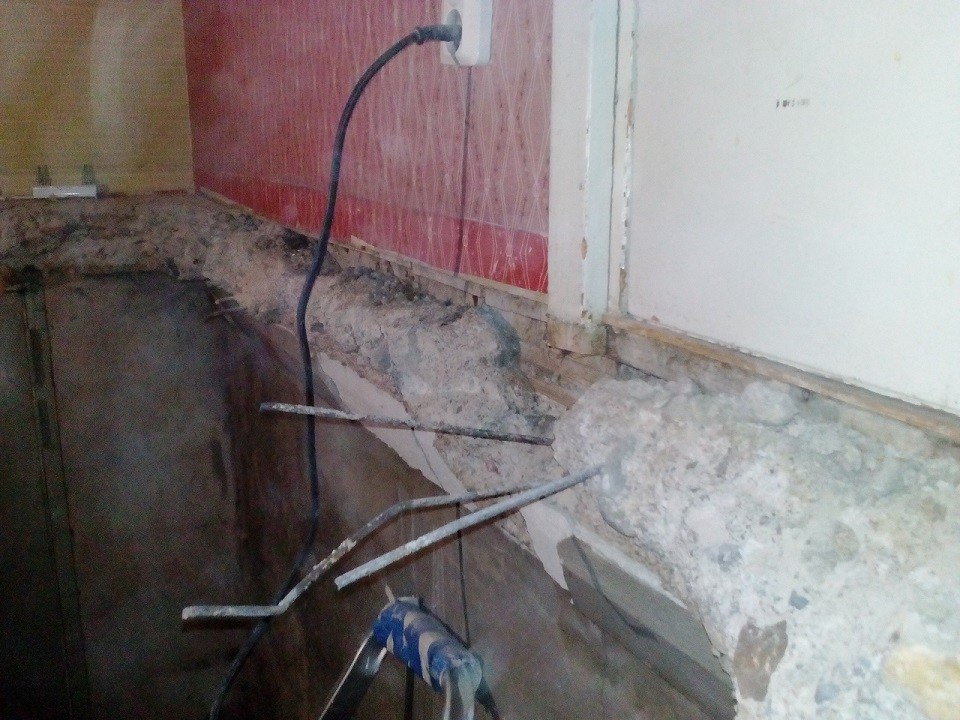
Hello, a long time ago before I lived in the house, the landing was enclosed with real walls, windows, and an exterior door, thus becoming a sort of hall for the hallway. The only problem was that the entire landing is made of concrete and the space underneath was an uninsulated storage room, which made the floor freezing cold in the winter and thus cooled down the entire room above. Now I have converted this space into the "real" hallway and therefore needed to address this. I have chiseled away the entire floor and plan to build a new one with wooden joists with insulation and underfloor heating. About 16 cm below the old floor level is the storage room door, so I am somewhat limited regarding construction height. Furthermore, the ceiling height in the storage room was already quite low, so I preferably want to reduce this as little as possible. The old concrete floor was about 13 cm thick. The idea was to build with 120 joists since the span is only 1.6 meters.
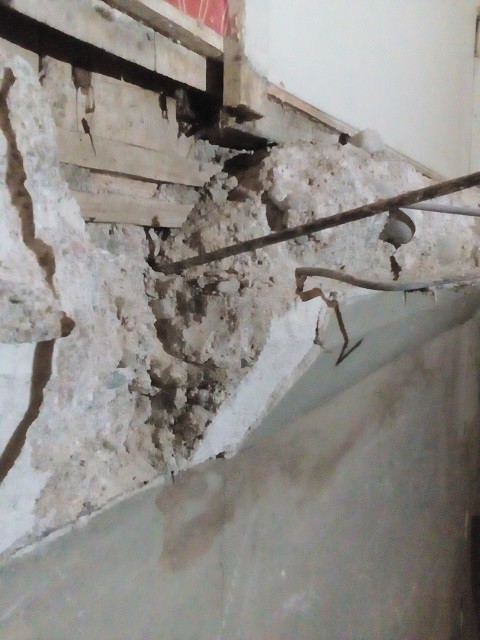
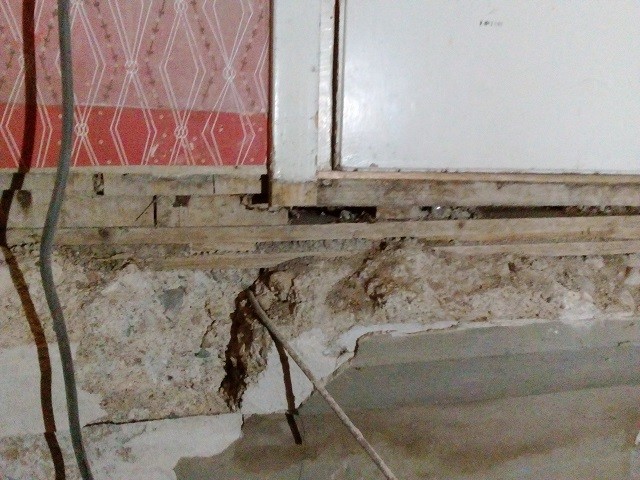
The dilemma I have is that I'm having a bit of difficulty deciding how to attach the supporting beam in the best way. The old concrete floor/landing had a kind of sloped edge cast against all the adjoining walls, which now is a bit in the way. I started to chisel away the entire edge in some places to align with the foundation wall, but I got a bit paranoid that I'm creating cracks in the concrete that the sill rests on. Should one trim the protruding edge to smooth it out or should one simply chisel it away entirely to align with the foundation wall that the sill sits on? If I chisel away the entire edge, can I then screw the supporting beam directly into the sill, or is that just a bad idea?
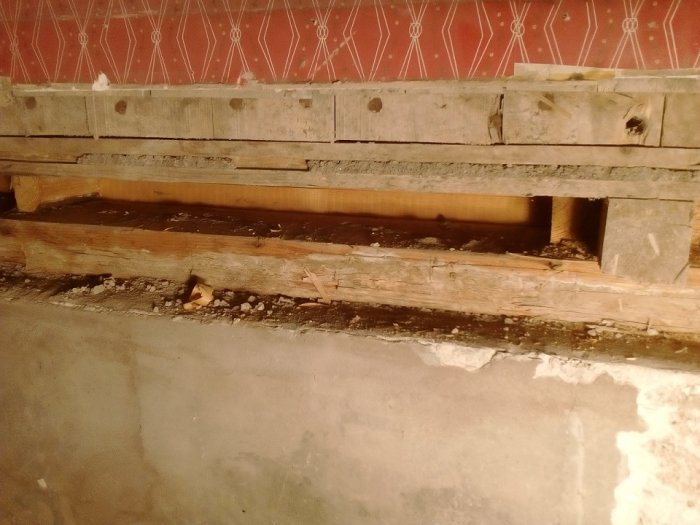
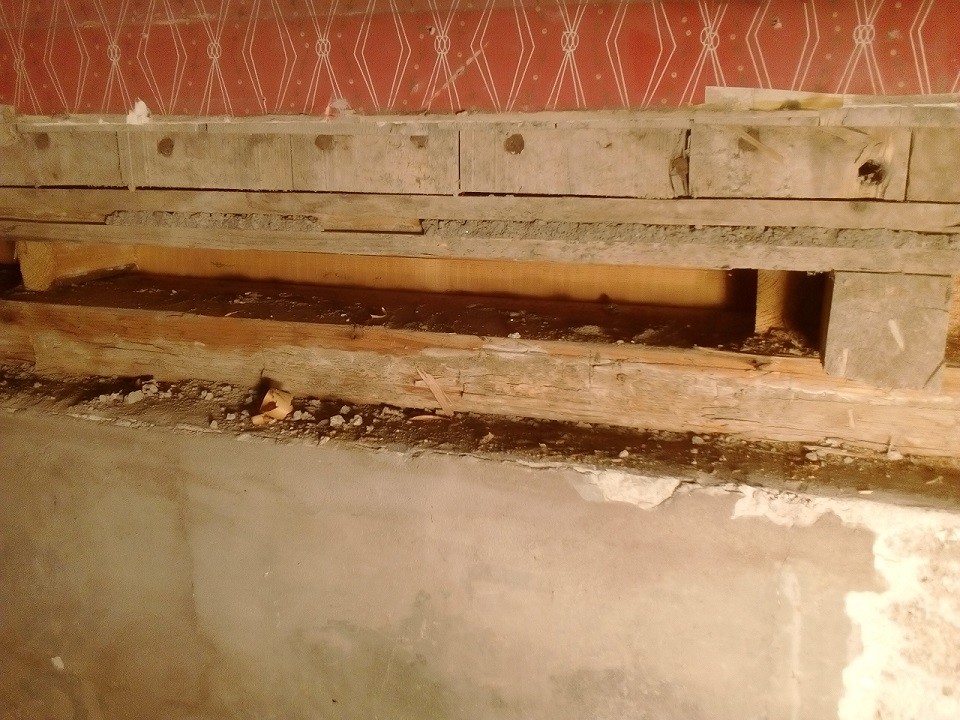
The construction is somewhat apparent in the images and consists at the bottom of masonry lightweight concrete with a cast concrete curb on top, which is finally where the sill rests.
A bit difficult to give advice because you would want to know how the concrete ends/continues. One option is to become independent of the uneven concrete edges by placing one or more support beams on some form of pillars (steel/glulam/construction timber) that are standing on the lower floor and are locked into the lightweight concrete wall.
Thank you for the response. I discovered that I had misunderstood the construction a bit, however. What I referred to as the sill in my first post was actually just a horizontal strip on top of the real sill which was hidden behind all the concrete. When I chipped away more concrete, I found the real sill resting directly on the foundation wall of the lightweight concrete. So I simply chipped away all the concrete and then had a straight and nice masonry edge to place the bearer on. The bearer on the opposite wall, however, will have somewhat the same problem, so I might try to do as you described.
How great! If you need more space to place the bärlina (I can't quite judge how deep the free edge is), it's better to cut away a part of the old syllen than to notch into the bärlina at the bottom edge. Place the bärlina on syllpapp.
Click here to reply
Vi vill skicka notiser för ämnen du bevakar och händelser som berör dig.