Hi!
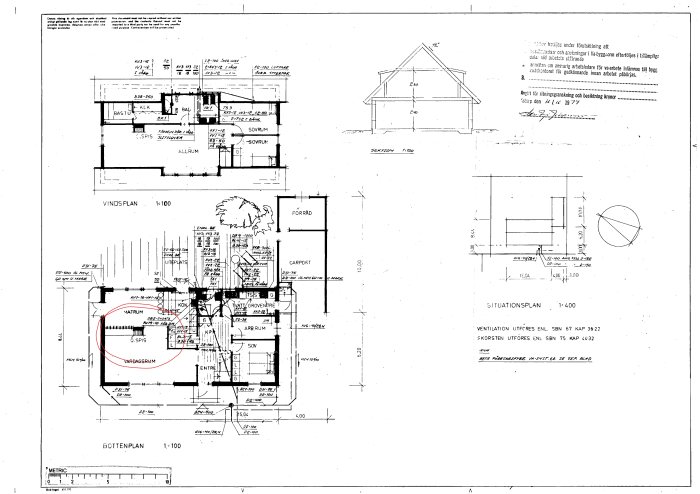
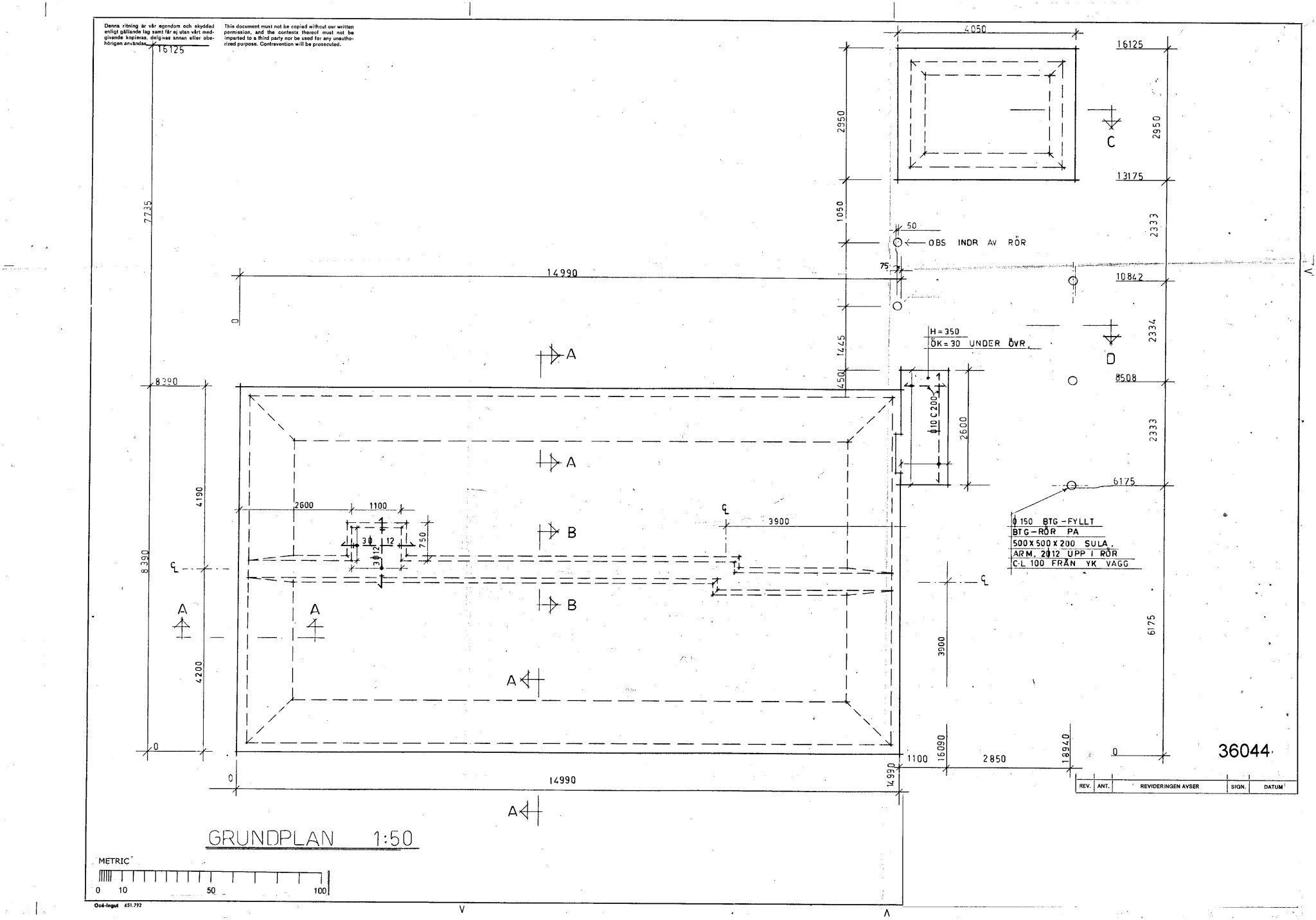
I recently bought a Villa that was built in 1978. It has a wall I would like to remove and a fireplace/chimney to create an open kitchen. However, I don’t know if this/these walls are load-bearing or not. Can anyone figure that out from the drawing?
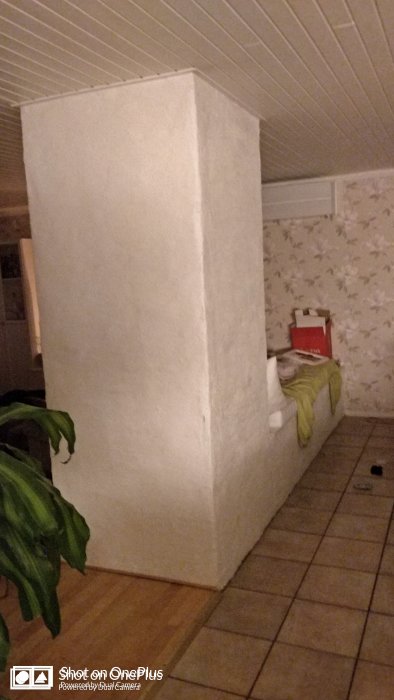
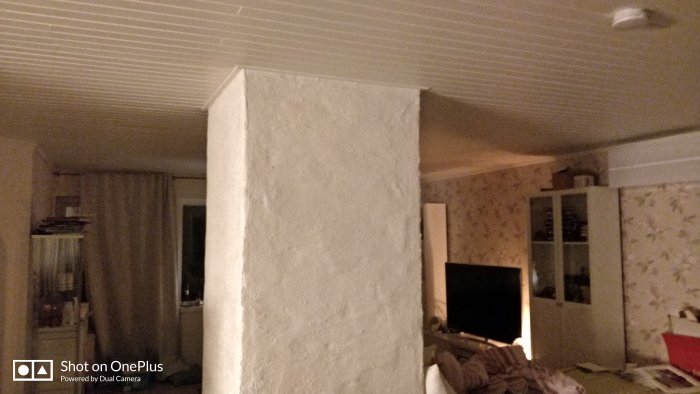
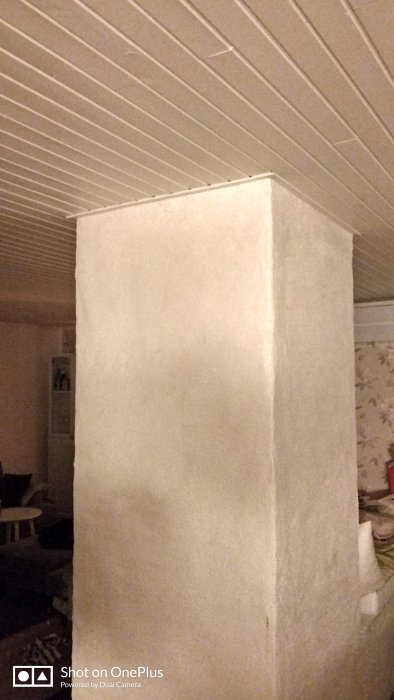
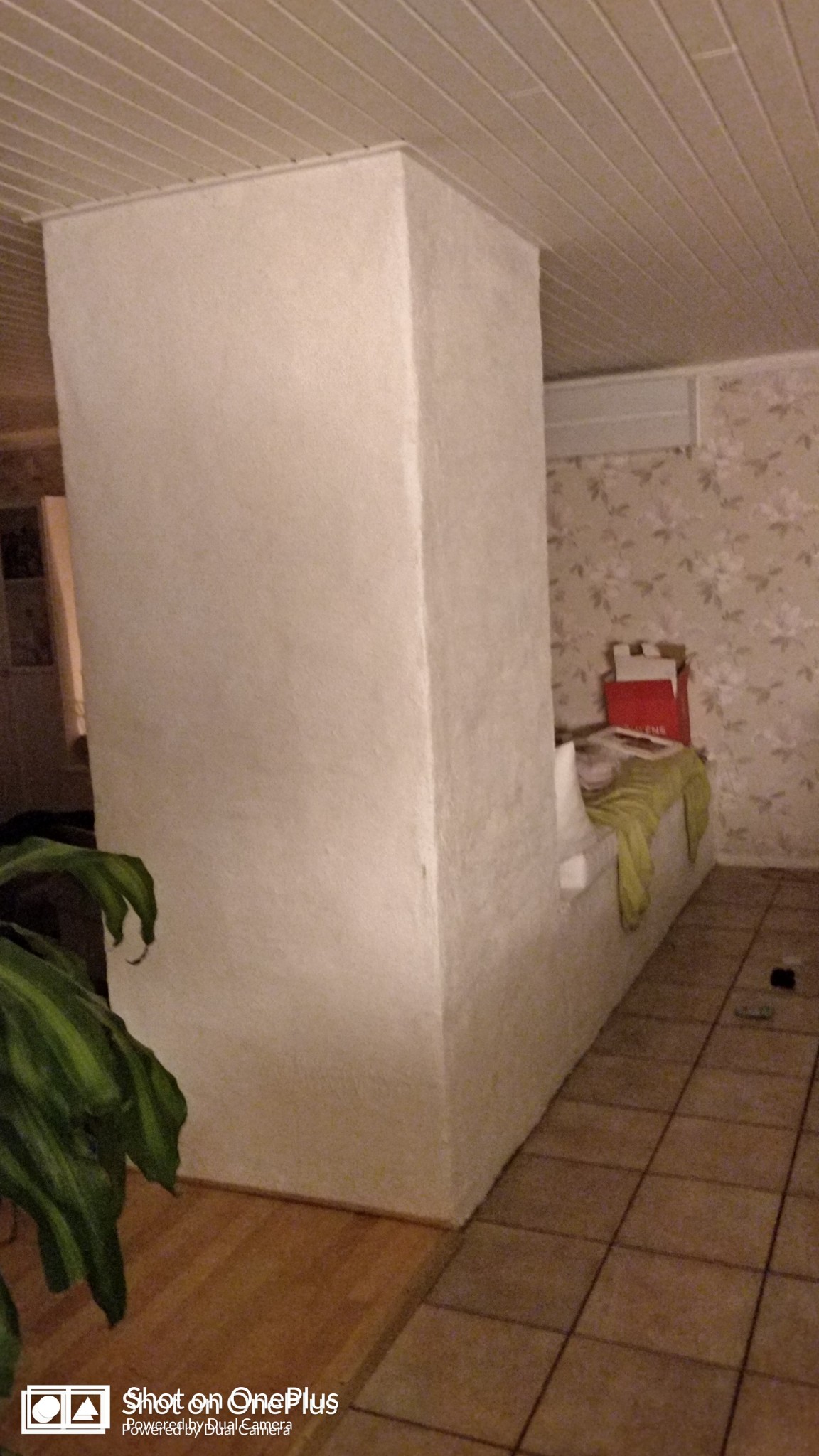
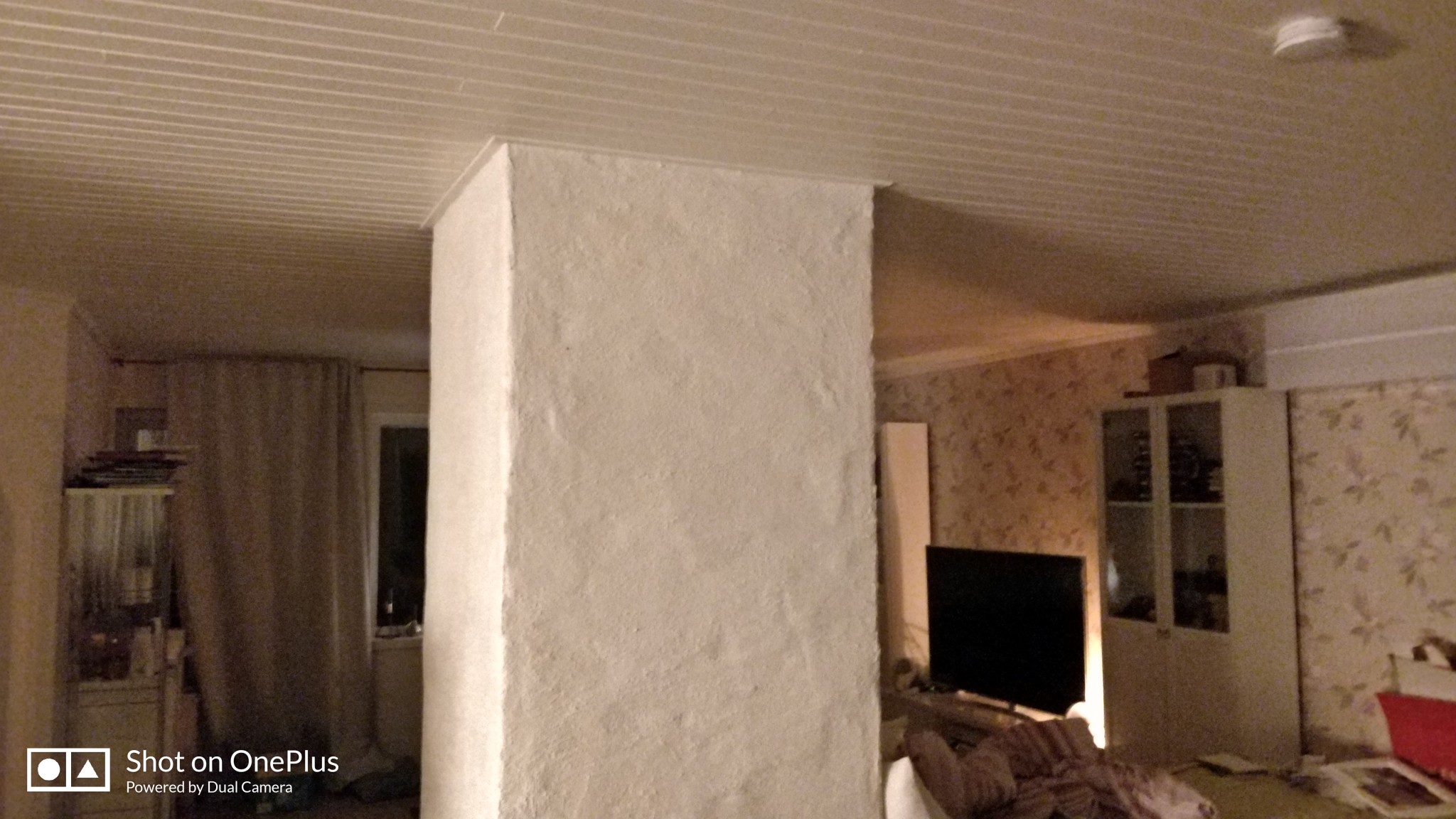
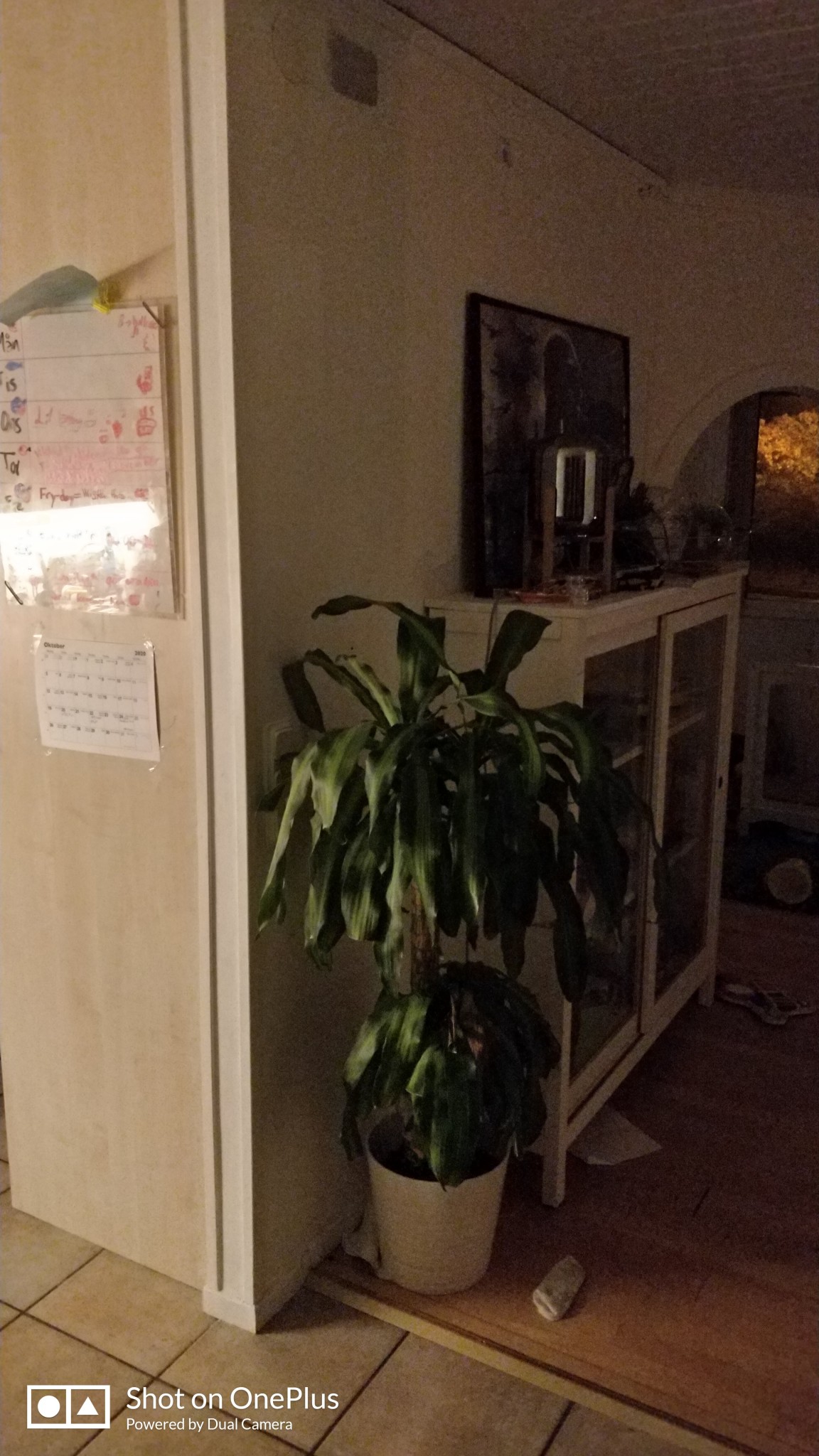
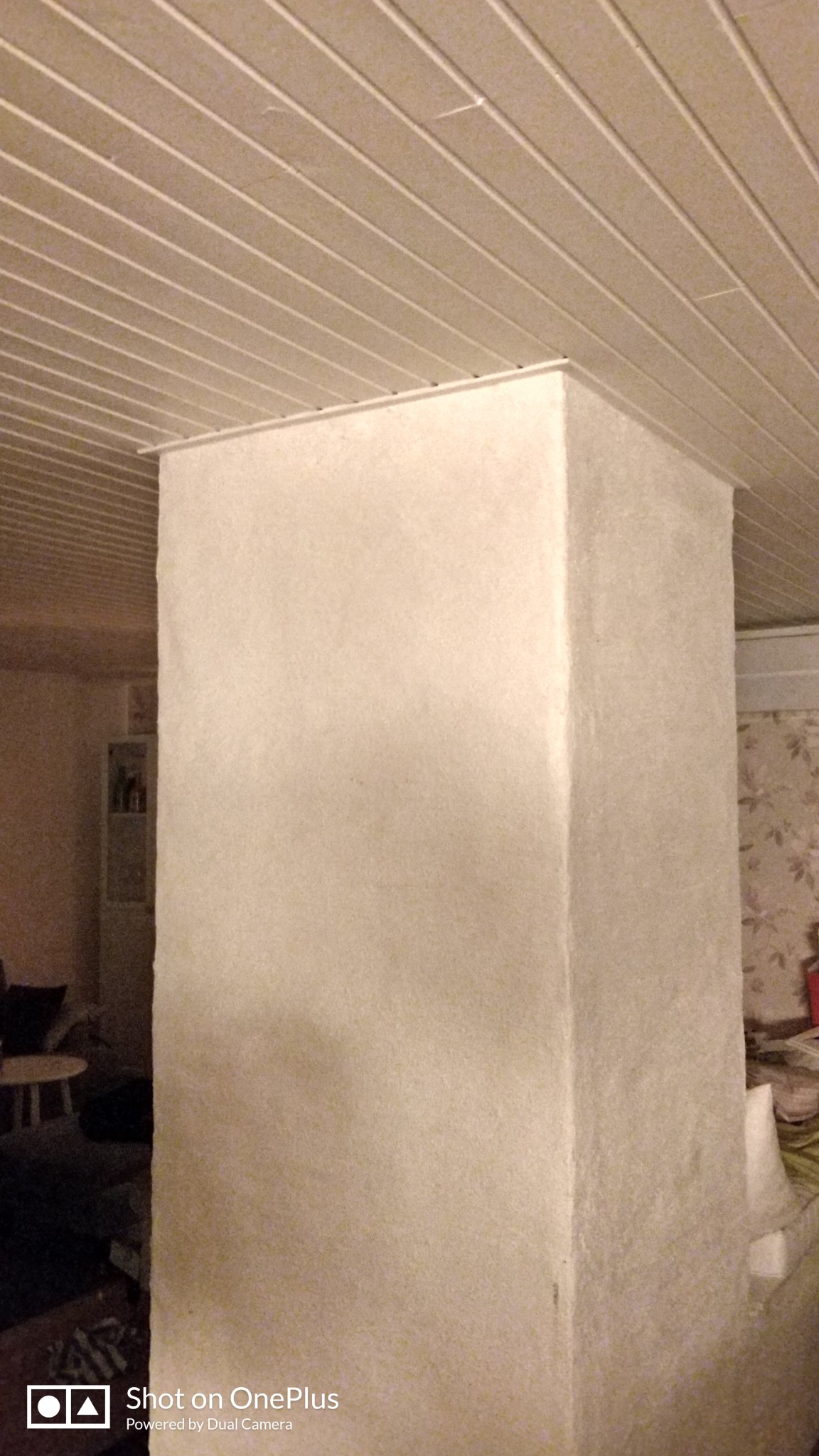
The thick wall between the living room is a fireplace that is about 1x1 meter, unsure if it's a chimney, freestanding chimney, or any other suggestions my colleagues have given me. It has an elongated brick part that goes all the way to the end of the house. I guess that the function of this is solely for wood storage, so I will remove it in the summer.
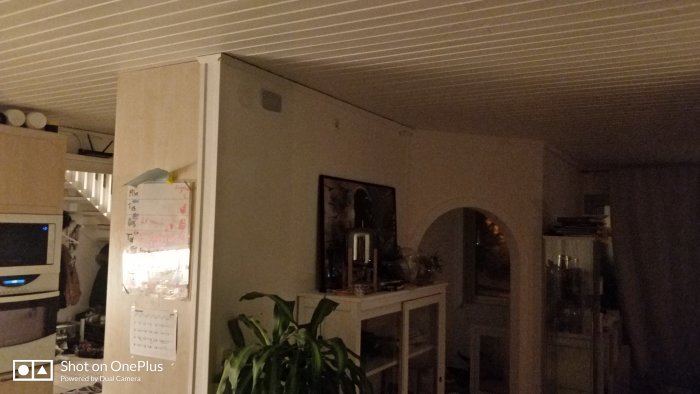
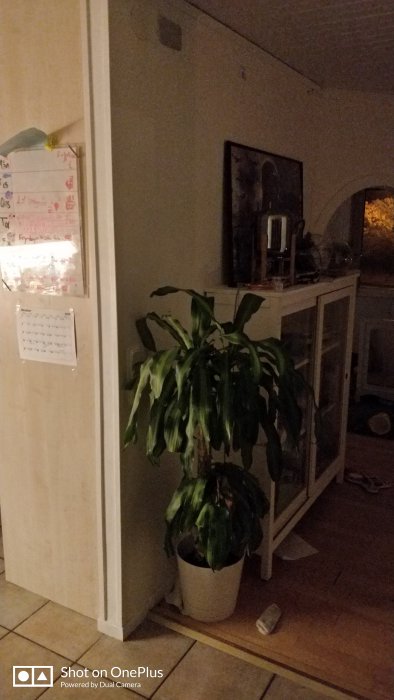
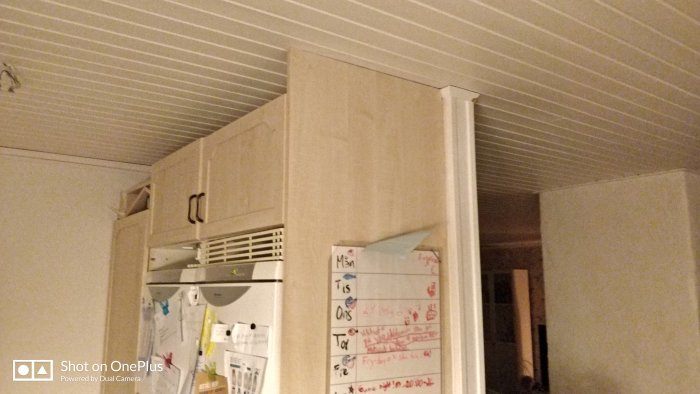
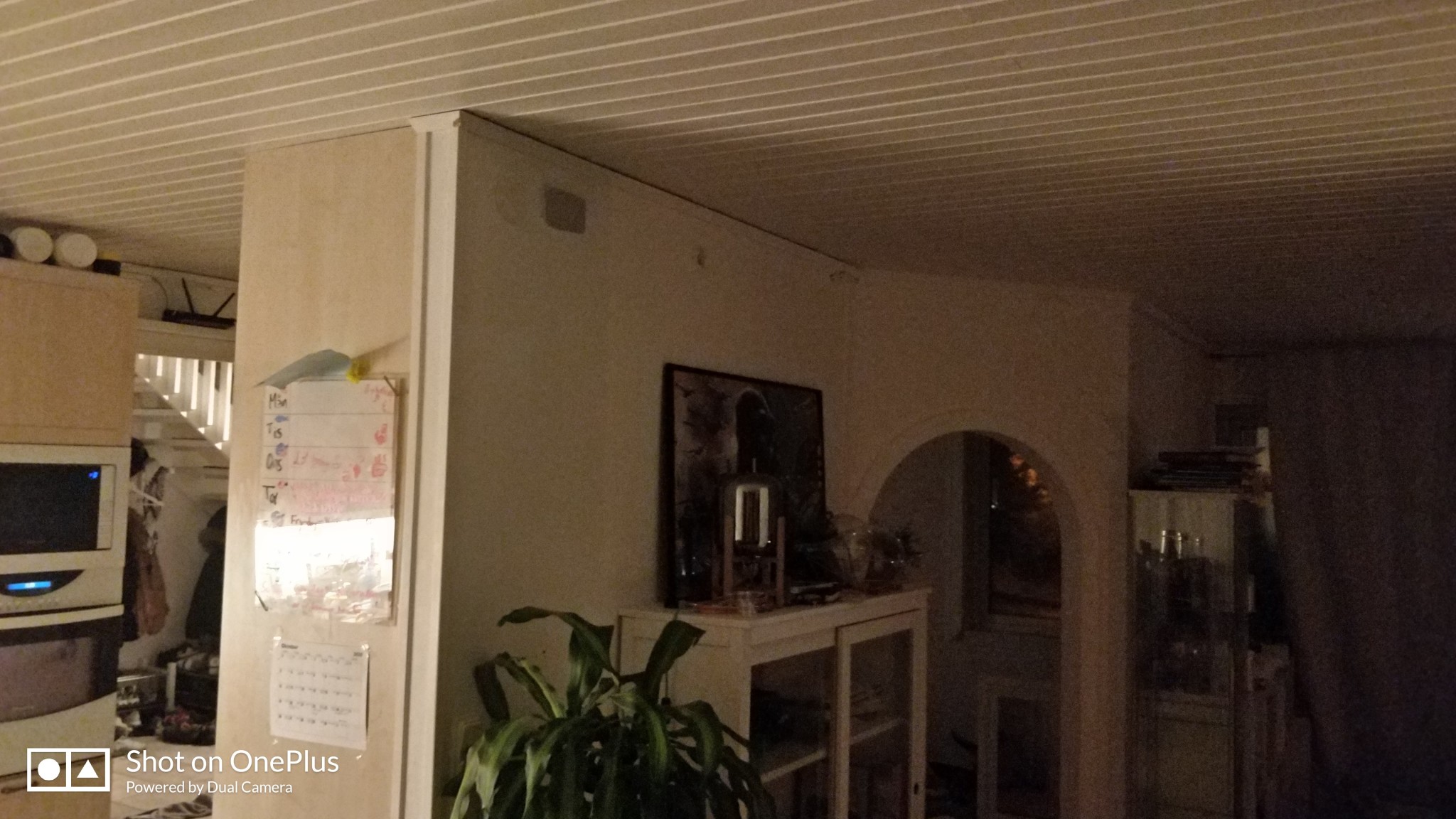
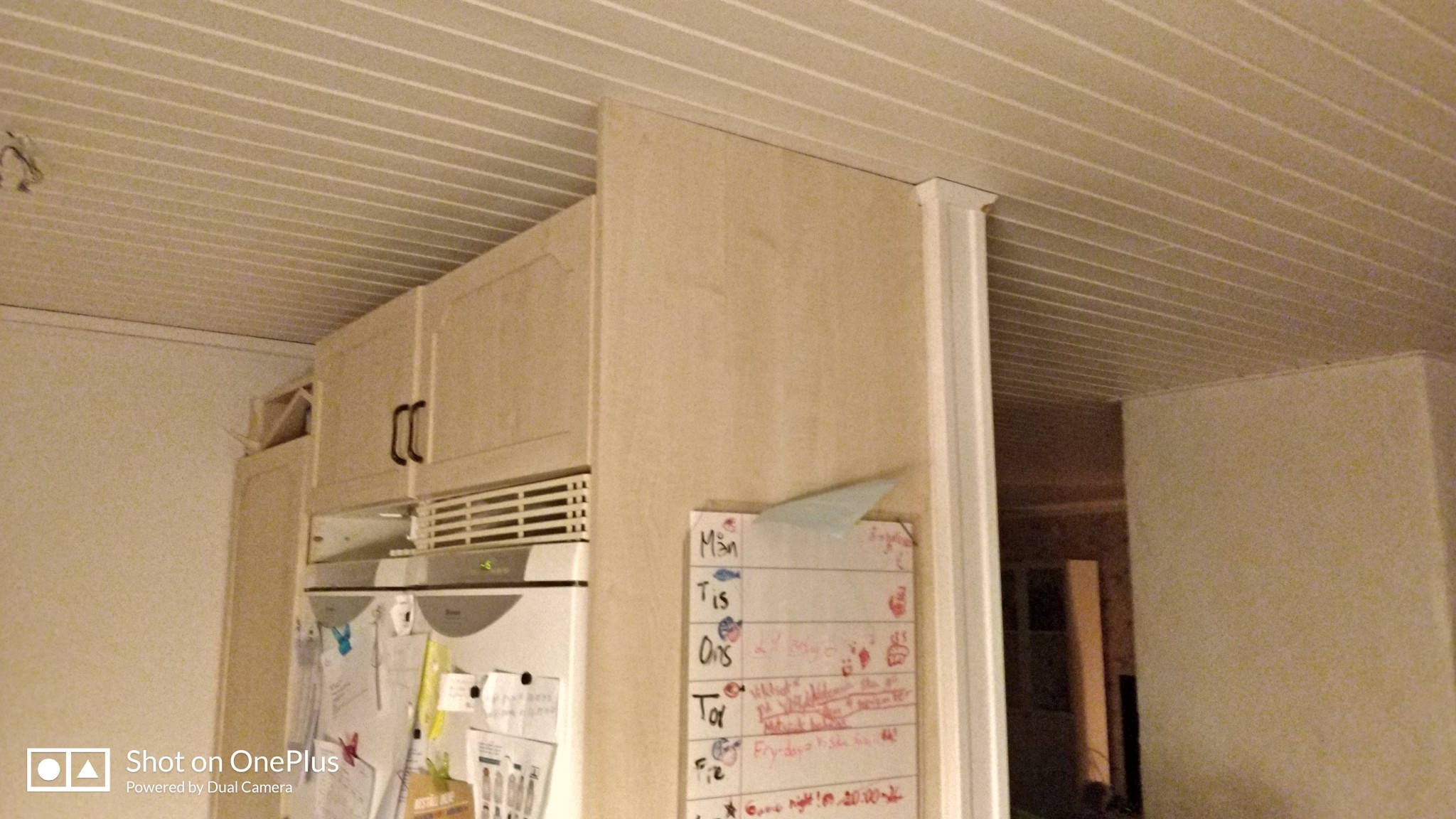
The narrower wall has a pair of shelves hardly used and an old fridge to be recycled. My first impression is that it is too narrow to be load-bearing. But I could be wrong.
I am quite new to this renovating thing, so I am grateful for all the help and support.
Without being a structural engineer, I take the liberty to comment.
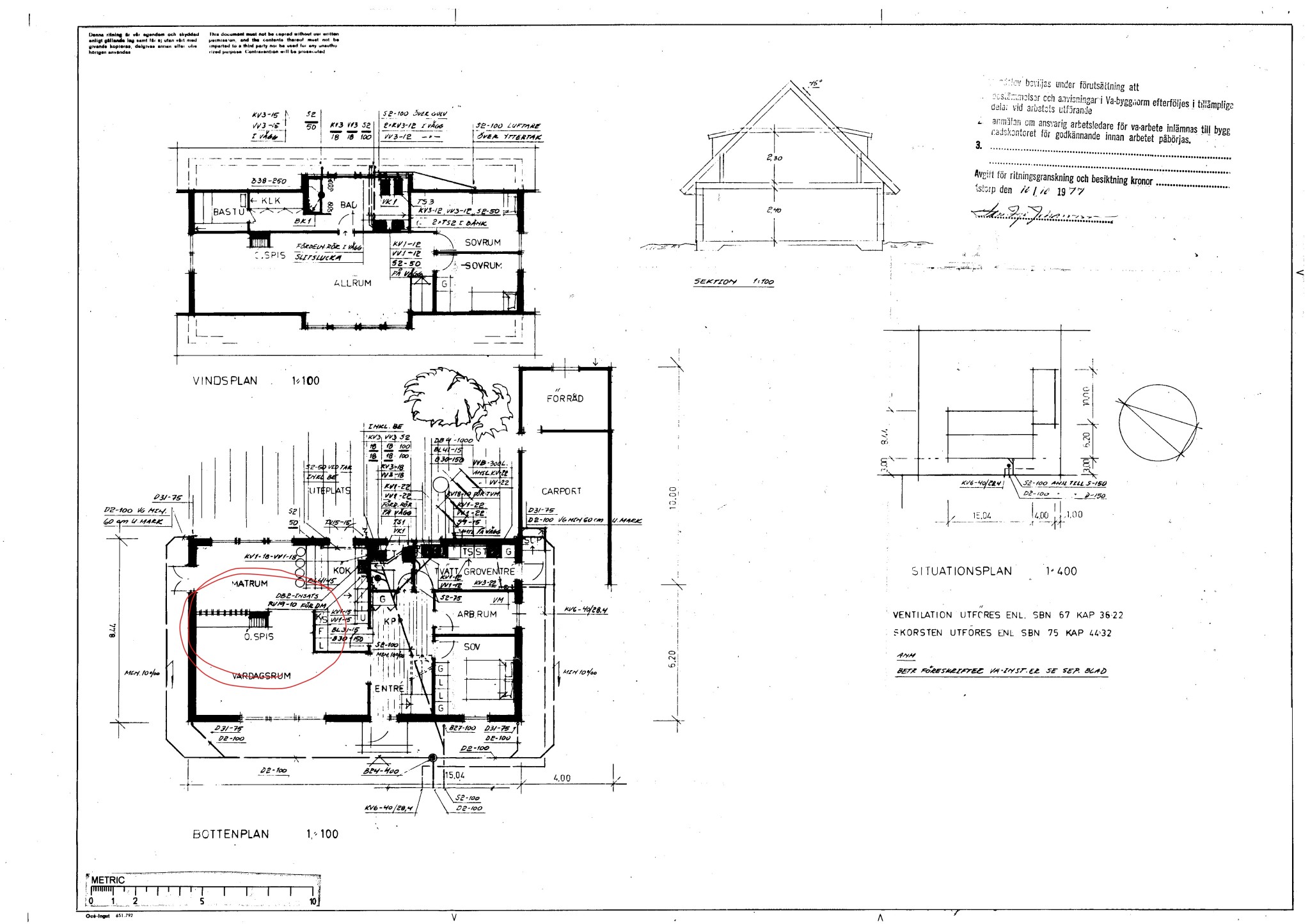
At first, I thought that there must be something load-bearing on the ground floor because it's over an 8m span, and on the ground floor plan, it looks like there was a railing along the wood storage that may have been removed.
Both that and the narrow walls you have left could have been part of supporting the floor structure for the upper floor. It doesn't need to be heavy timber to make a difference.
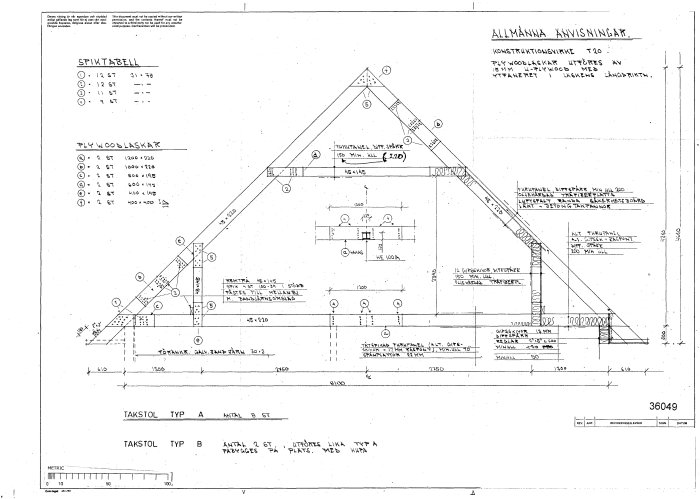
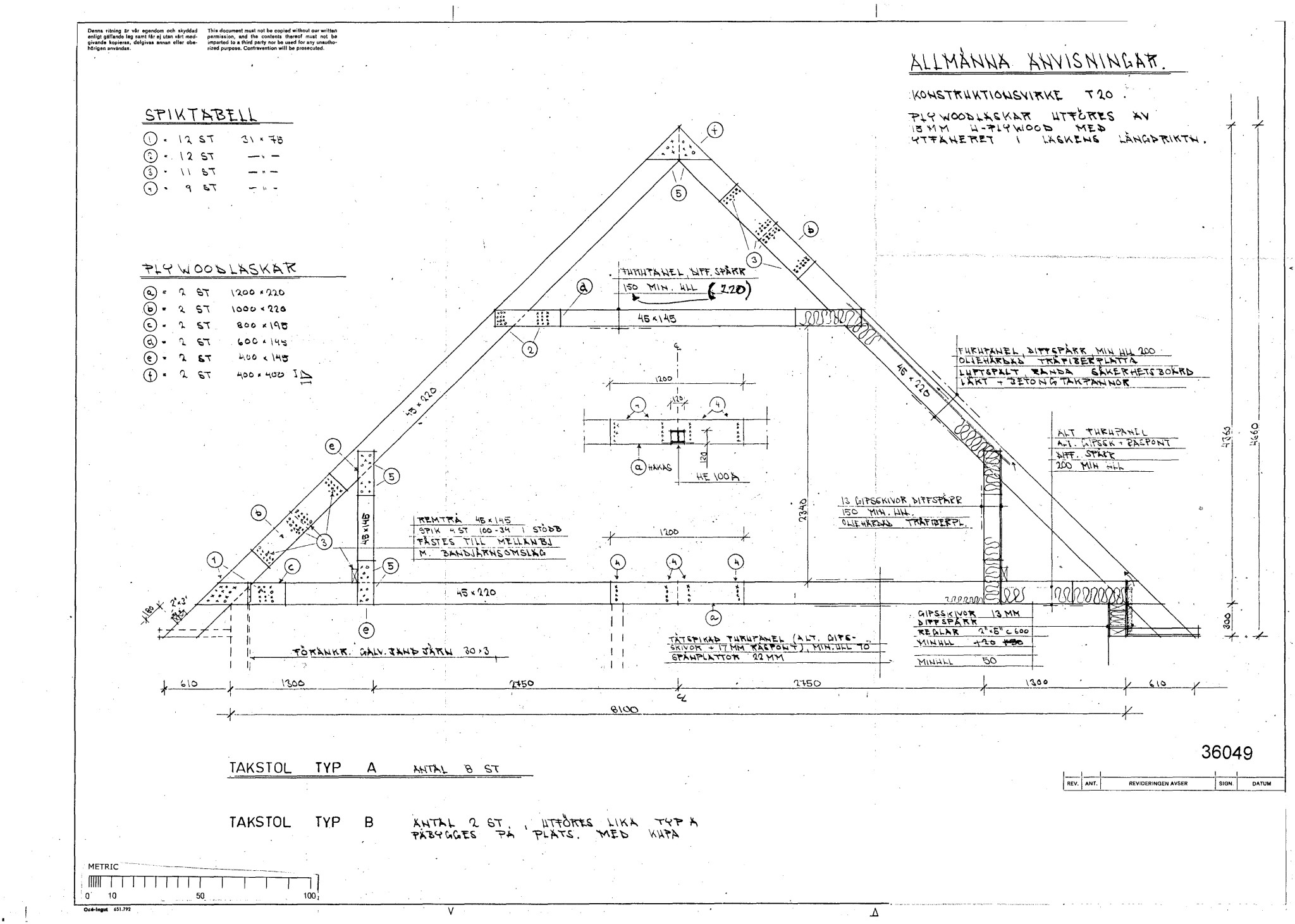
Then I looked at the roof truss drawing and can see that there should be a steel beam across all the roof trusses - an HE100A - which probably means there aren't any load-bearing walls on the ground floor BUT it means there must be a number of posts (probably steel) that support the beam that sits inside the walls. Maybe even a bearing in the chimney.
If you draw a line along the centerline of the house on the ground floor, you'll see where there are probably posts that support the steel beam; maybe behind the freezer, at the doorway between the kitchen/entryway, and the doorway between the entryway and the workroom.
I think it must be evaluated by someone knowledgeable since my thoughts are a bit speculative and a bit of experience from my own extension (we have a similar beam but 5 posts to the ground floor on a similar length of the house).
Without being a structural engineer, I take the liberty to comment.
.
Hello Testarn!
Thanks for your comment, I also saw the HEA beams on the truss drawing and thought the same as you did there, but I am still uncertain if there are any behind the refrigerators. There are probably some in the chimney I guess without starting to tear something down. But yes, I am hoping for someone knowledgeable or if one can be referred to a good company/structural engineer.
The HEA beam is notched into the lower frames of your trusses, which are reinforced with plywood on each side according to the drawing. The beam then rests on "something" that could be the top plate over the wall studs and (possibly) a "shelf" in the chimney masonry/brackets made of steel screwed into the masonry. It could also be steel columns built into the walls, but I couldn't see that in the drawings, so it's perhaps a little less likely.
The HEA beam visible on the truss drawing is only present in certain sections. Which ones should be apparent on another drawing. HEA 100 is not a heavy beam, so it cannot handle particularly large spans. There are probably columns in several places. Without more detailed drawings, it is not possible to say anything with certainty, at least not from a distance.
The HEA beam seen on the truss drawing is only present in certain sections. Which ones they are should be indicated on another drawing. HEA 100 is not a strong beam, so it does not handle particularly large spans. There are certainly columns in a number of places. Without more detailed drawings, it is not possible to say anything for sure, at least not remotely like this.
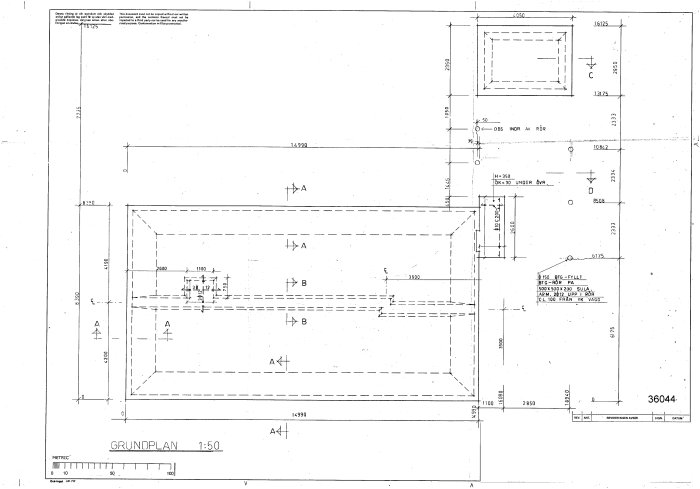
Hi, these are all the detailed drawings I received from the municipality unfortunately, there should not be anything missing, I have one more drawing but it's of the concrete slab, and there are no columns marked there.
Counting backwards, you can see that a HEA 100 beam replacing a load-bearing wall in your house should not have a span longer than about 2.4 meters. With the help of the floor plan, you should be able to determine approximately where the beams (and columns) are located. The only uncertainty concerns the distance between the chimney and the gable wall.
Click here to reply
Vi vill skicka notiser för ämnen du bevakar och händelser som berör dig.