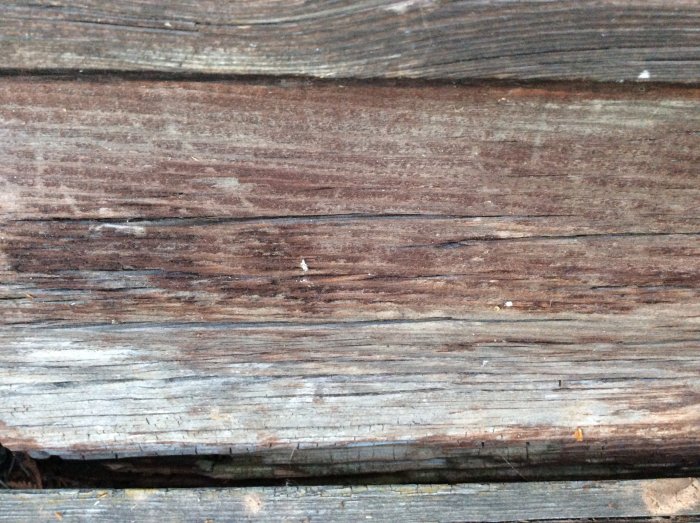
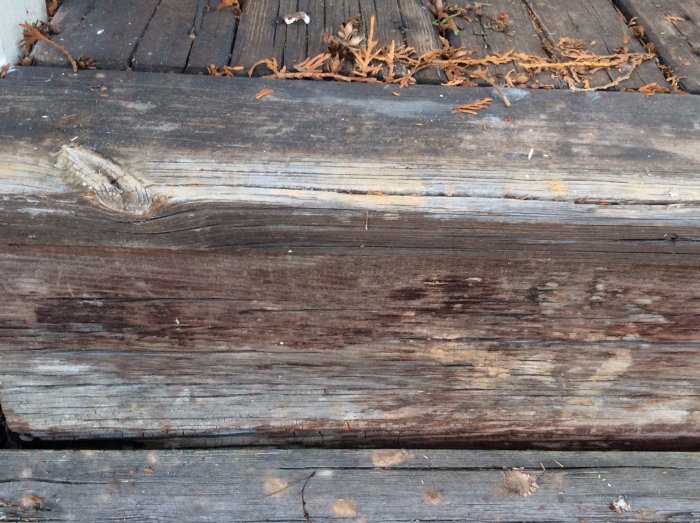
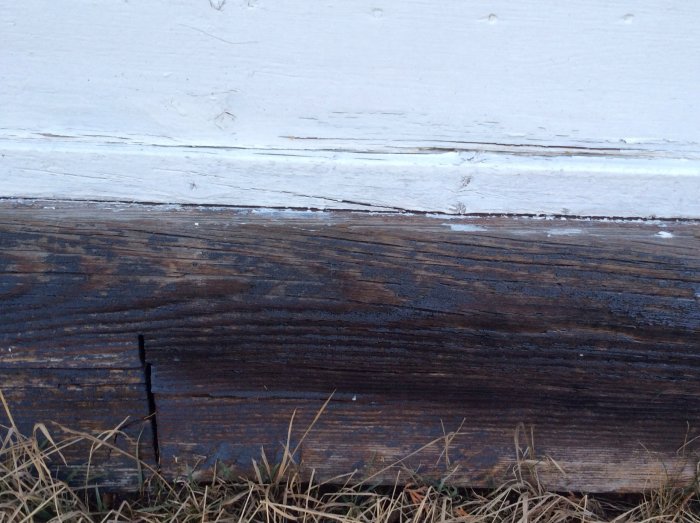
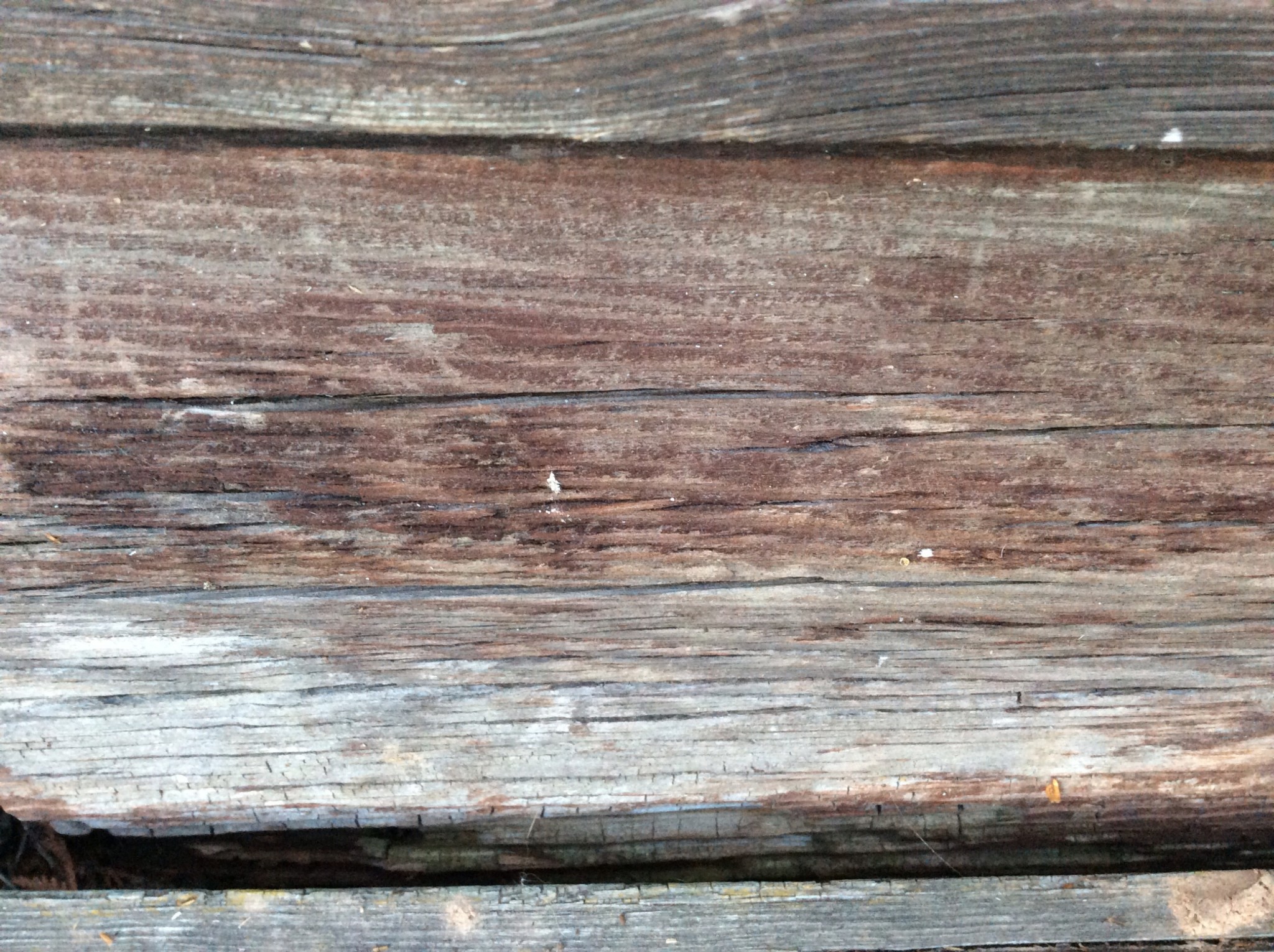
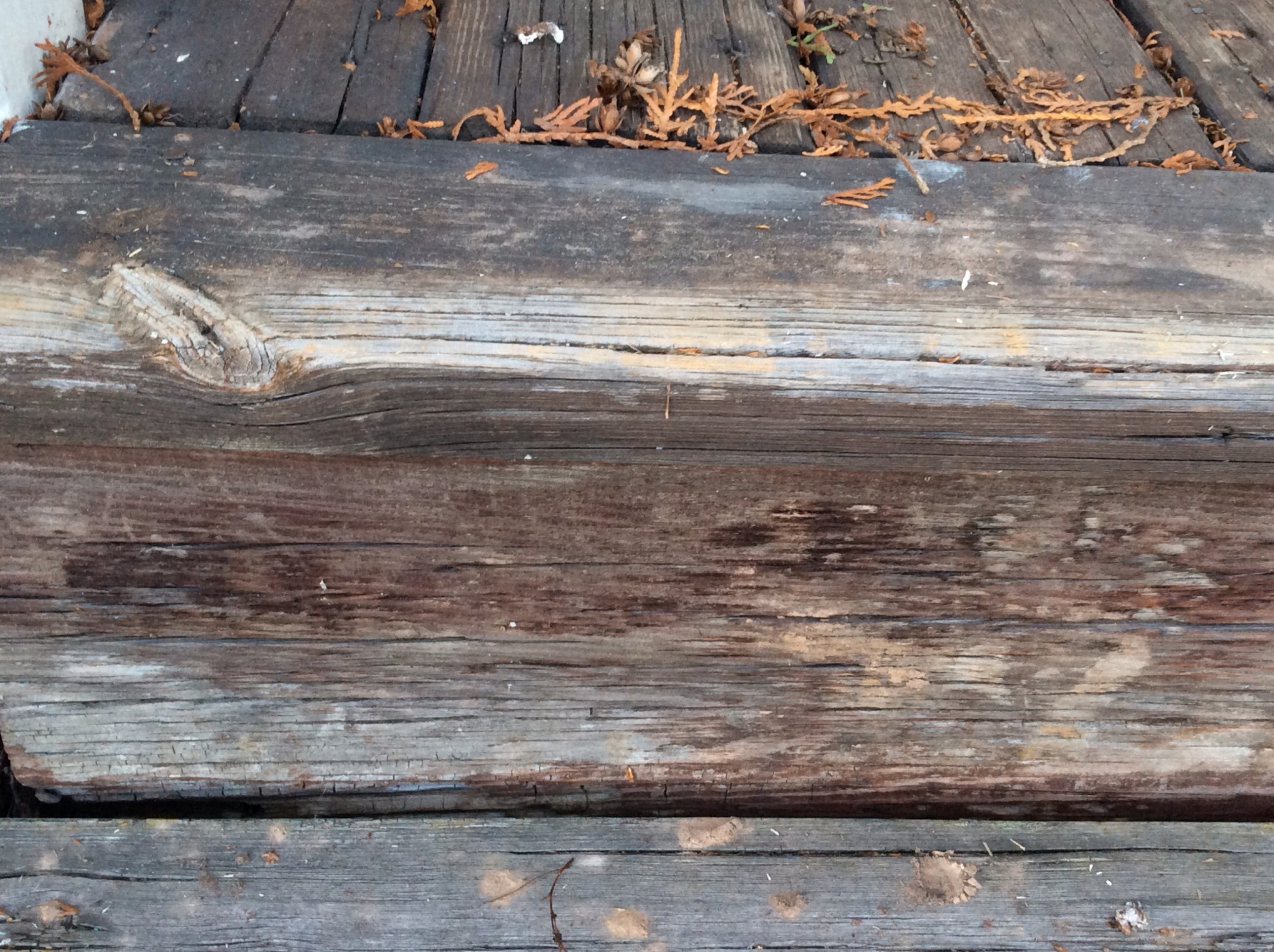
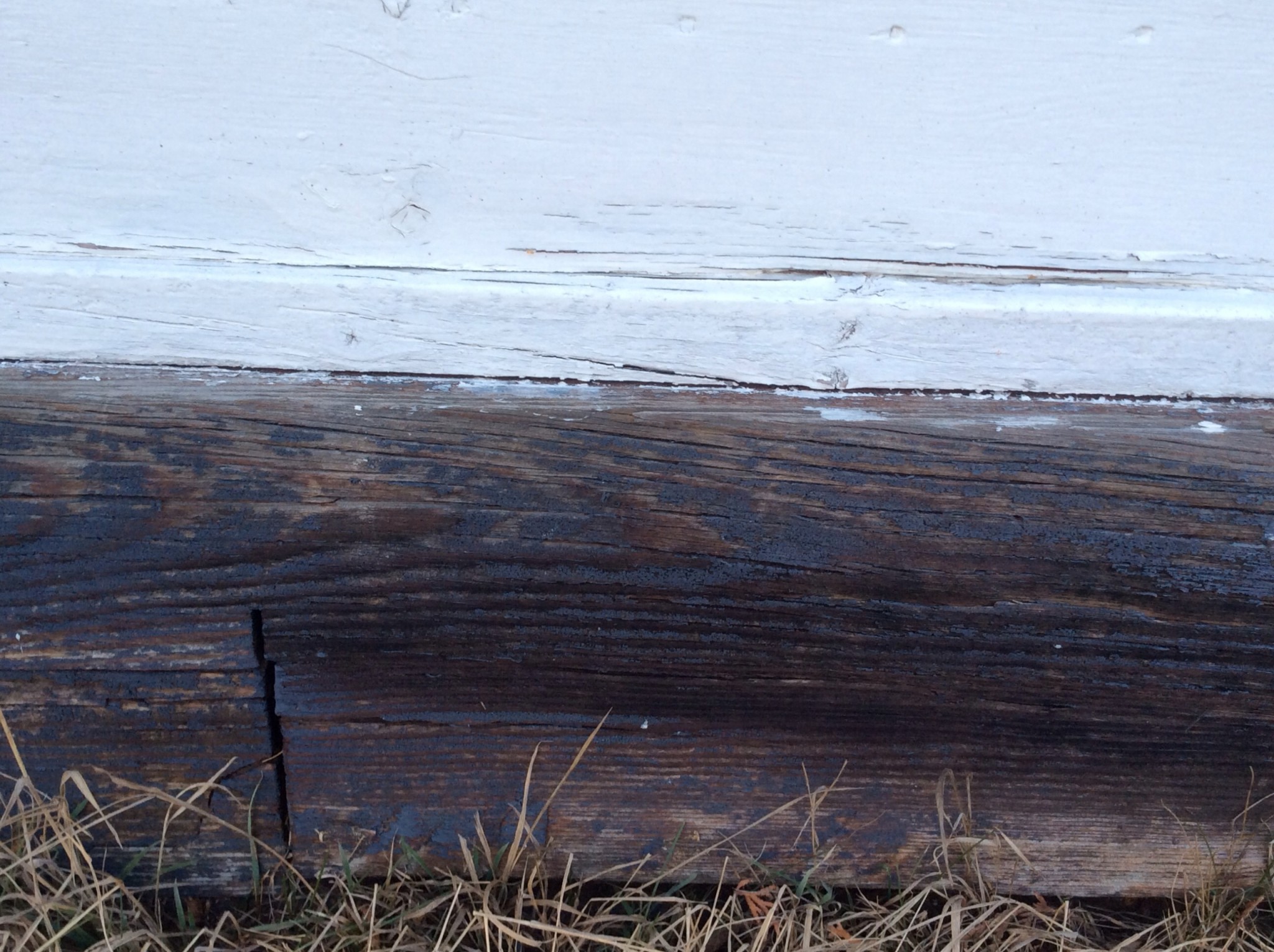
I took some pictures of the wood on my patio. Old "wood beams" lying down.
What do you think about this?
Is the wood affected by mold/fungus?
I’m thinking it looks so dark brown and also a bit checkered pattern.
When wood is dry and old otherwise, I think it becomes more gray.
Thinking house fungus.
Or is it simply "just" rotten old wood?
Should it be replaced/inspected as soon as possible?
It has been painted blue, which it still is in some parts.
Are these perhaps those old railway ties that were impregnated with that dangerous substance I can't remember the name of right now? Should they be handled in a specific way when being demolished? Should most of the hazardous substance already be gone?
Is it really true that house fungi don't exist outdoors? I'm not quite following there. Shouldn't it be able to exist anywhere where there are the "right" moisture conditions, etc., for it to grow? Does this mean that house fungi also cannot be found on the exterior facade, wind boards, window frames/borders outdoors, etc.?
Ok, what is required to see if it is sleepers? A picture showing the thickness/length of the beam, or?
Was all old sleepers treated with creosote?
When did they stop using creosote-treated creosote when, in my case, for example, building patios?
Admittedly, you never know, the patio could be built from older materials that were stored somewhere. But the patio is built later than when they stopped using creosote in construction materials.
If it is sleepers, should it be demolished in a specific way, because the material might contain creosote?
Or can you just demolish it?
Does creosote-treated wood, like this that may be on the patio, pose a health risk as it lies there?
Or should most of the "stuff" have left the wood a long time ago?
Typically, sleepers are not used for deck constructions except for areas in contact with soil. Measure the cross-section: Sleepers have approximately a 15x25 cm cross-section. It's hard to see from your pictures which parts of the deck this refers to. Creosote was used at least until the 90s for sleepers and also for telephone poles. It's a coal tar product, containing lots of hydrocarbons, including aromatic and unpleasant substances. Here is the MSDS for creosote-treated wood where you can read handling advice: http://www.shelter-products.com/MSDS Sheets/MSDS_CREOSOTE.pdf You can't see very clearly if it's creosote-treated, but it has a very characteristic smell. Go out into nature and look for old wooden telephone or power poles. Smell them, and you'll know what creosote smells like. Go home and compare. But if we know you well from your asbestos phobia from another thread, you won’t believe anything said here about creosote.
Seems like a rather unnecessary comment, Thomas. That I wouldn't believe the information I get about kreosot.
Because I've often worried about asbestos.
I'm just seeking information, like everyone else.
How I then choose to handle the information I get is still up to me, right?!
I wouldn't ask questions if I wasn't prepared to take in the information I receive.
So thanks to everyone who answers me and shares their perspectives!
Means a lot!
The parts in the pictures are the wood at the bottom, closest to the ground.
Sleepers are usually rectangular, 15x25 cm? Have I got that right?
If it's not sleepers, what else do you think it might be?
Ordinary beams that were once treated with some other substance but have now "given up" after many years?
My thread originally was about possible mold/fungus damage, not about creosote.
This subject came up in connection with comments in the thread.
The wood is simply rotting.
You can tell because it breaks down into square sections from underneath, as you have already pointed out.
What else do you want to know? Replace it and take the old stuff to the dump if you want fresh materials.
Otherwise, it will surely last your time and more.
KnockOnWood, I can tolerate decayed wood. As long as I know it's not affected by fungus/mold, with the risk of spreading to other parts of the building.
That's why I asked. I've heard that brown checkered wood may indicate dry rot,
but according to a comment here in the thread, dry rot does not occur outdoors.
I'm not sure if that's true, I asked some follow-up questions on that comment, but no reply yet.
Can breaking down into square patterns mean decayed/rotten wood that is NOT affected by dry rot as well?
Or does a checkered pattern always indicate fungus?