
637 views ·
5 replies
637 views
5 replies
Advice on Sprucing Up Doors, Moldings, Pipes, and Radiators etc.
Hello!
I am planning to spruce up and partially renovate some details in my residence (apartment/townhouse in Uppsala) and would really appreciate advice regarding material choice, method, and approximate cost estimate.
What needs to be addressed is:
Patio door
– Wear on the frame and door leaf (paint damage, abrasion).
– Question: is it enough to sand/paint/patch up, or are there typical problems to look out for?
Interior doors
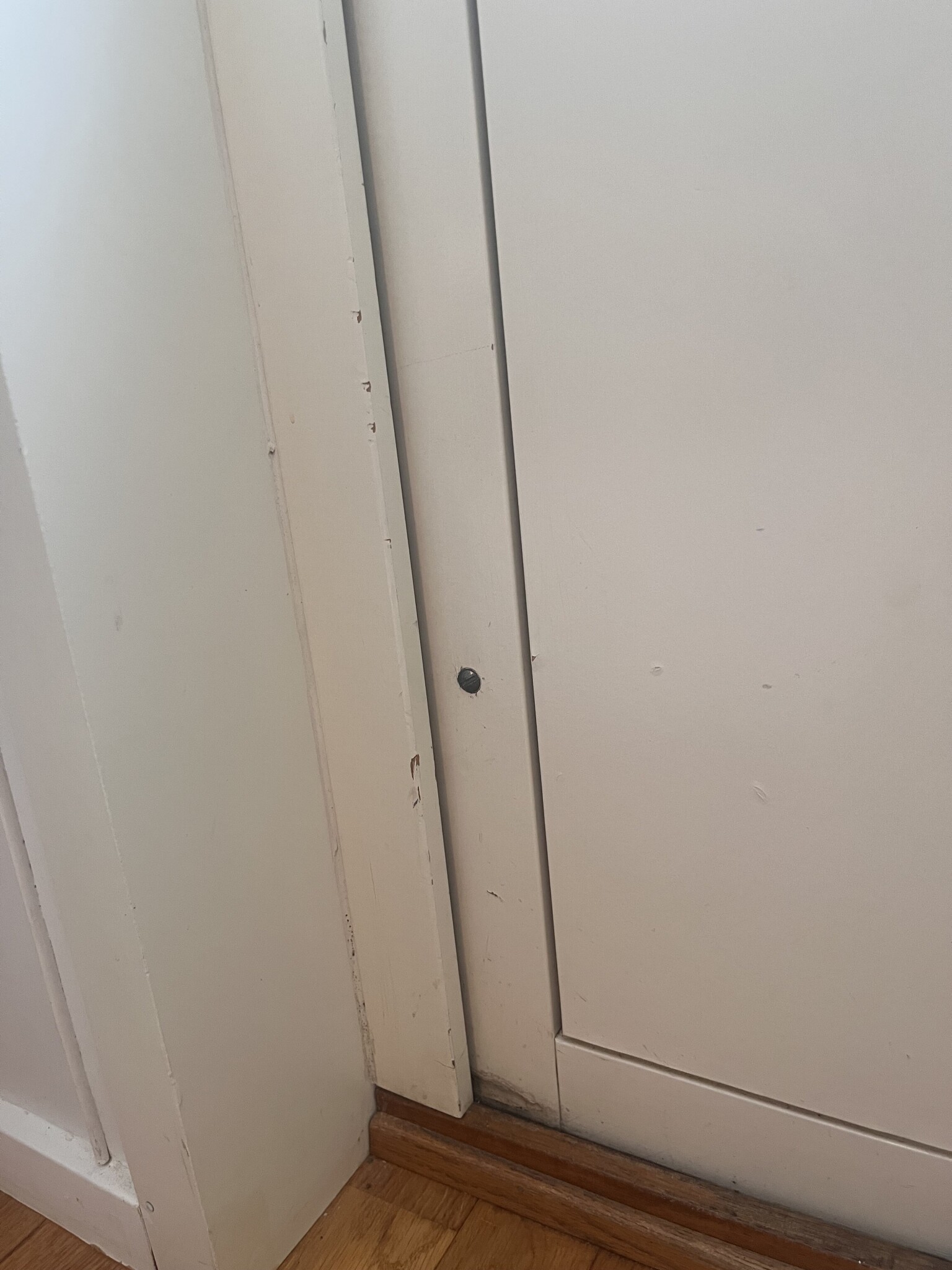
– Small unsightly marks and paint scrapes.
– A bathroom door seems to have been affected by moisture and is the most doubtful – unsure if it can be saved or should be replaced.
Moldings and trims
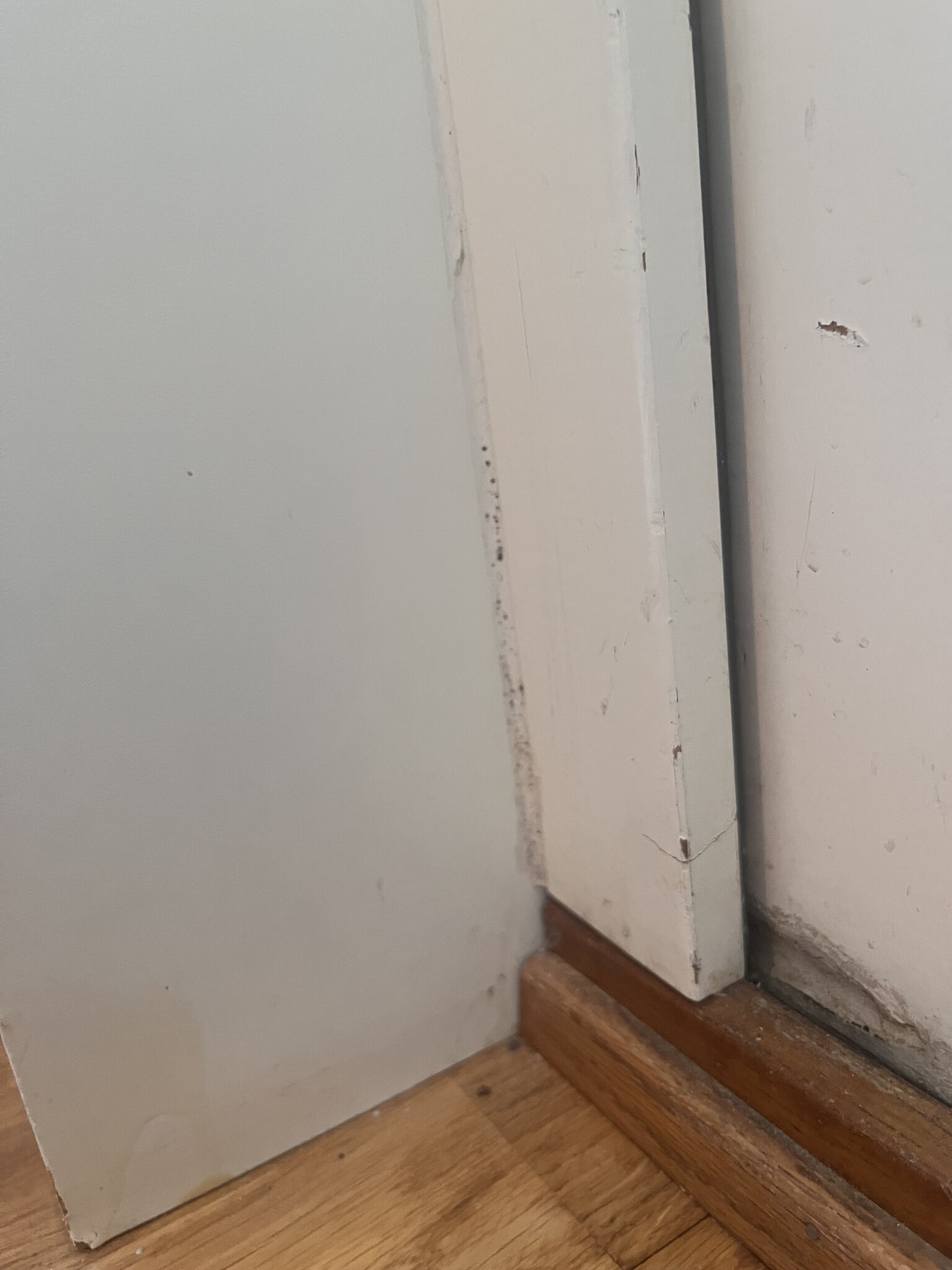
– Several moldings/trims have worn surfaces and flaking paint.
– Some I suspect need to be completely replaced.
– Total about 10–20 meters.
– Dimension of existing moldings: about 55 × 10 mm.
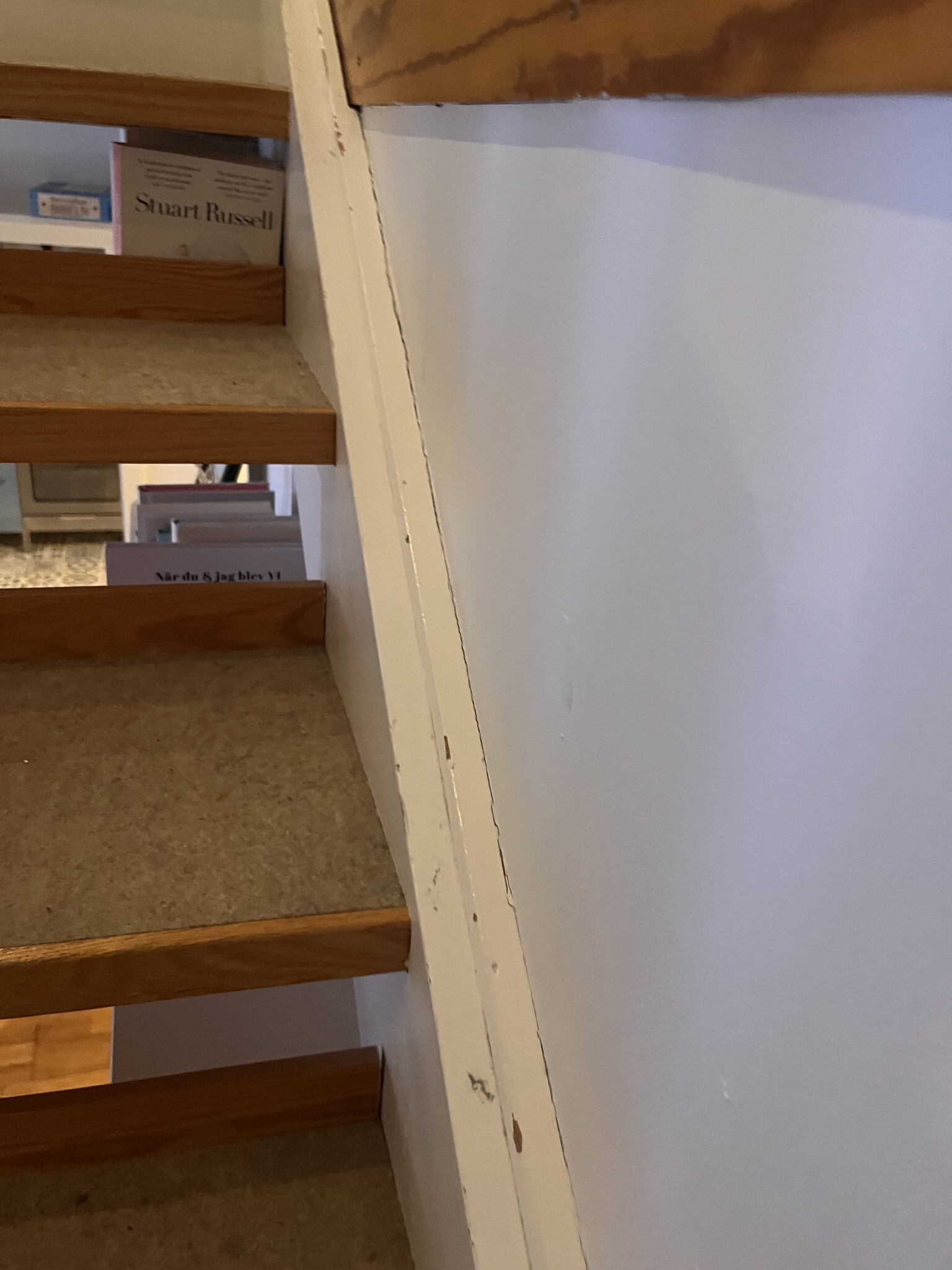
– Especially by the stairs, there is a vertical “plank/molding” against the wall (unsure of the correct term).
Pipes and radiators
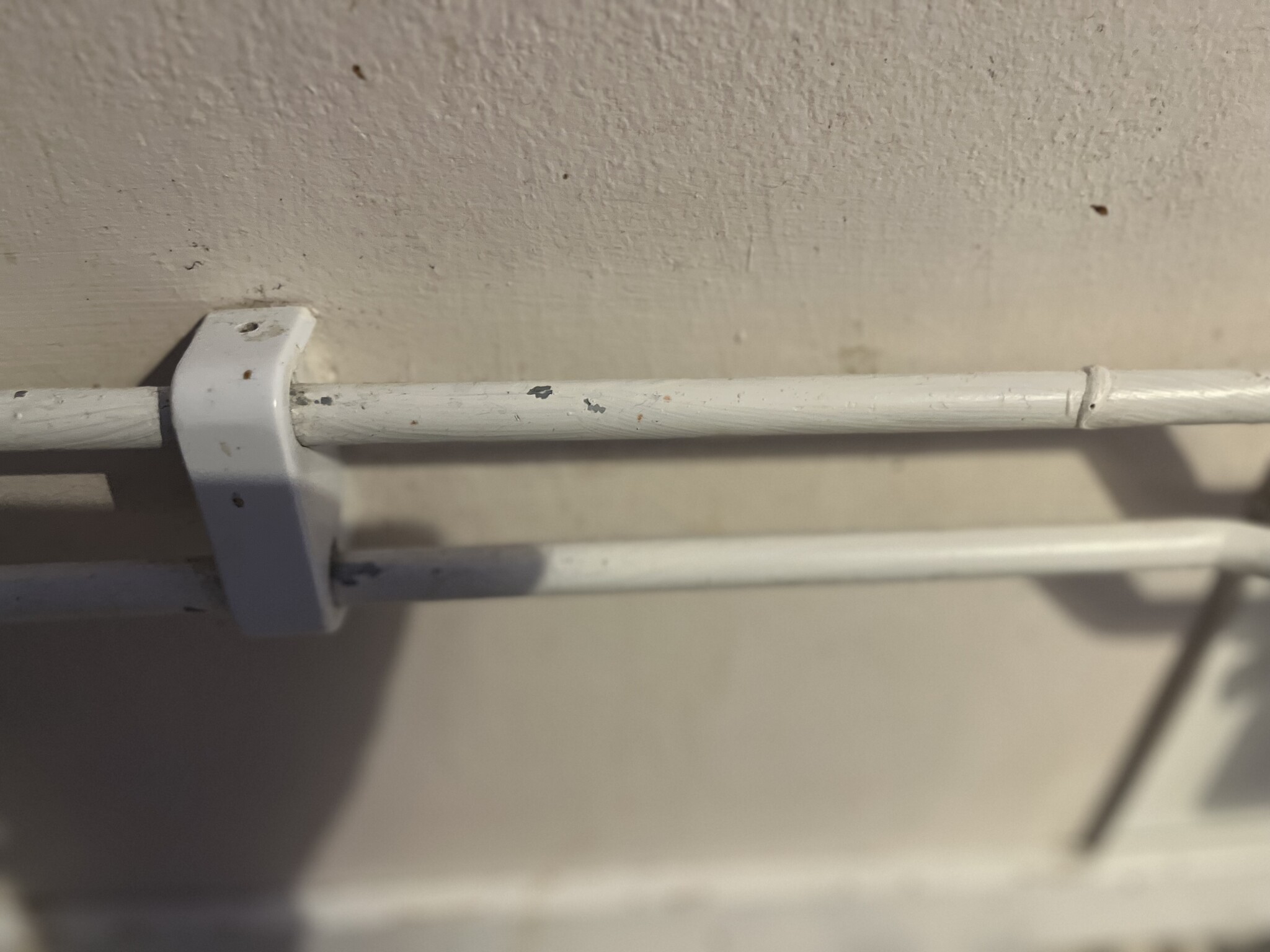
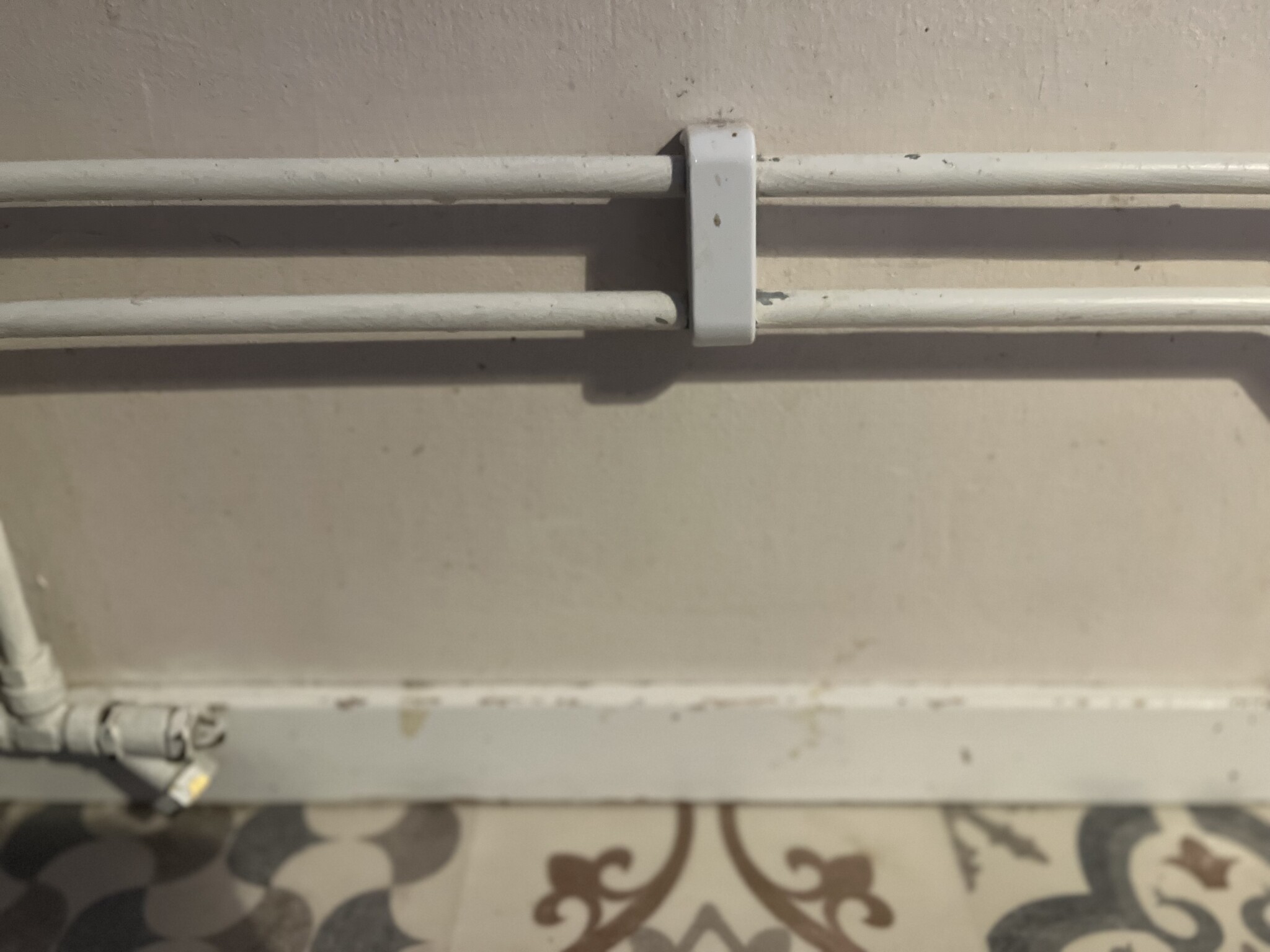
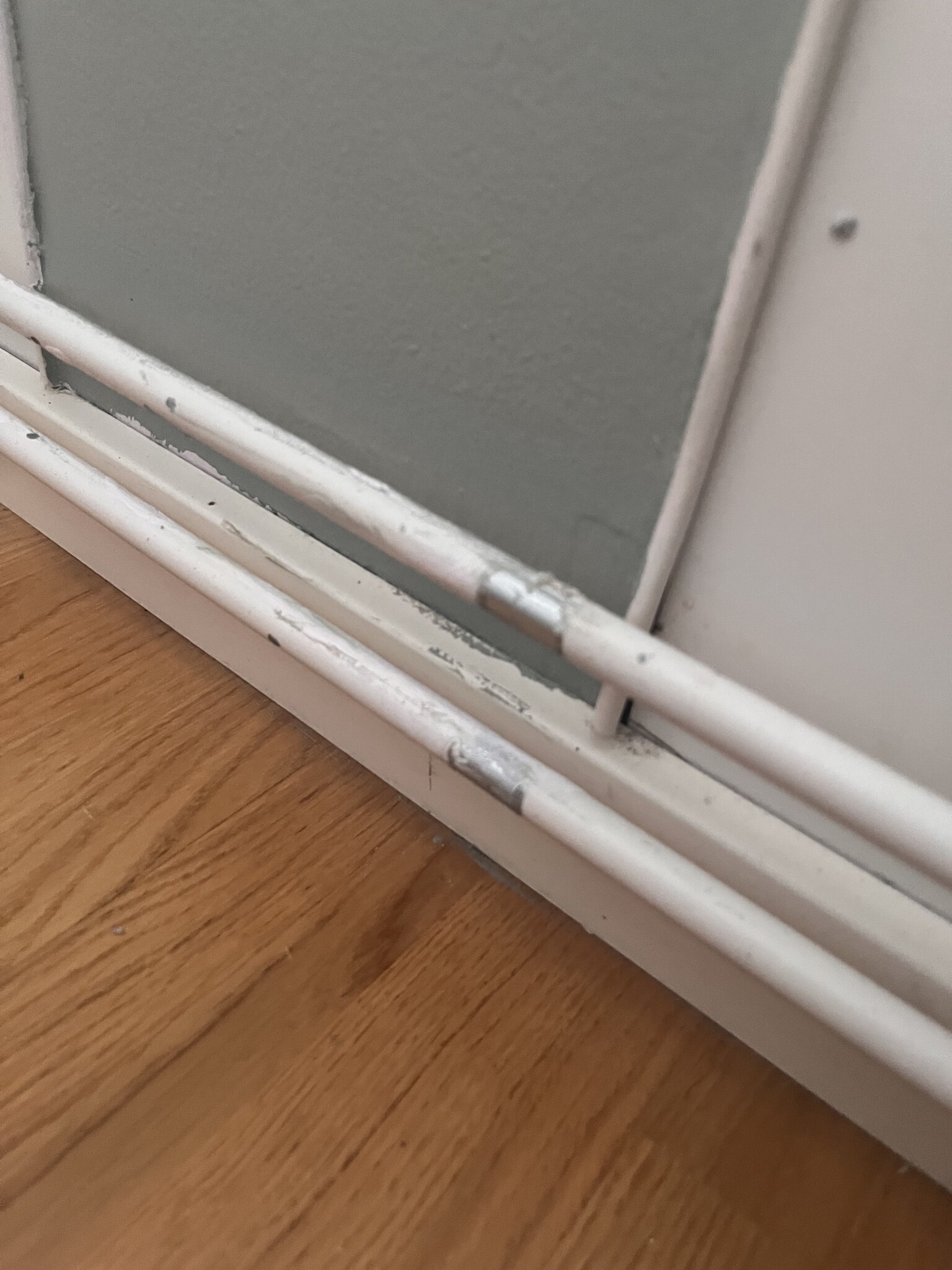
– White painted pipes with chipped paint.
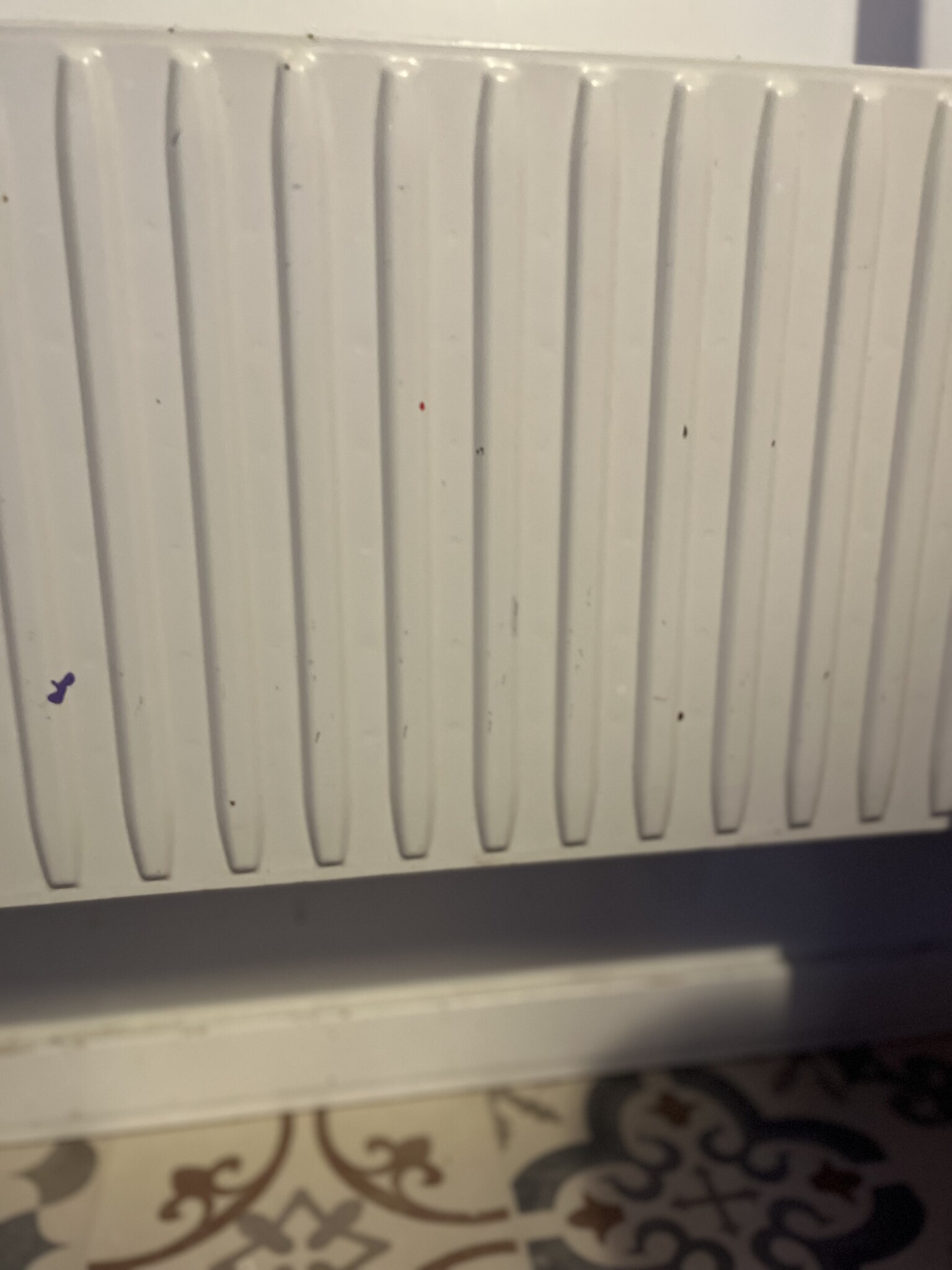
– White radiator with peeling paint.
My questions:
Attaching some pictures of the relevant areas.
Thanks in advance – all input appreciated!
I am planning to spruce up and partially renovate some details in my residence (apartment/townhouse in Uppsala) and would really appreciate advice regarding material choice, method, and approximate cost estimate.
What needs to be addressed is:
Patio door
– Wear on the frame and door leaf (paint damage, abrasion).
– Question: is it enough to sand/paint/patch up, or are there typical problems to look out for?
Interior doors
– Small unsightly marks and paint scrapes.
– A bathroom door seems to have been affected by moisture and is the most doubtful – unsure if it can be saved or should be replaced.
Moldings and trims
– Several moldings/trims have worn surfaces and flaking paint.
– Some I suspect need to be completely replaced.
– Total about 10–20 meters.
– Dimension of existing moldings: about 55 × 10 mm.
– Especially by the stairs, there is a vertical “plank/molding” against the wall (unsure of the correct term).
Pipes and radiators
– White painted pipes with chipped paint.
– White radiator with peeling paint.
My questions:
- How would you go about it and in what order?
- What is reasonable to repair vs. replace?
- Recommended types of paint/products (doors, pipes, radiators)?
- Is there a good way to identify the right shade of white without guessing?
- Approximate material cost to expect?
Attaching some pictures of the relevant areas.
Thanks in advance – all input appreciated!
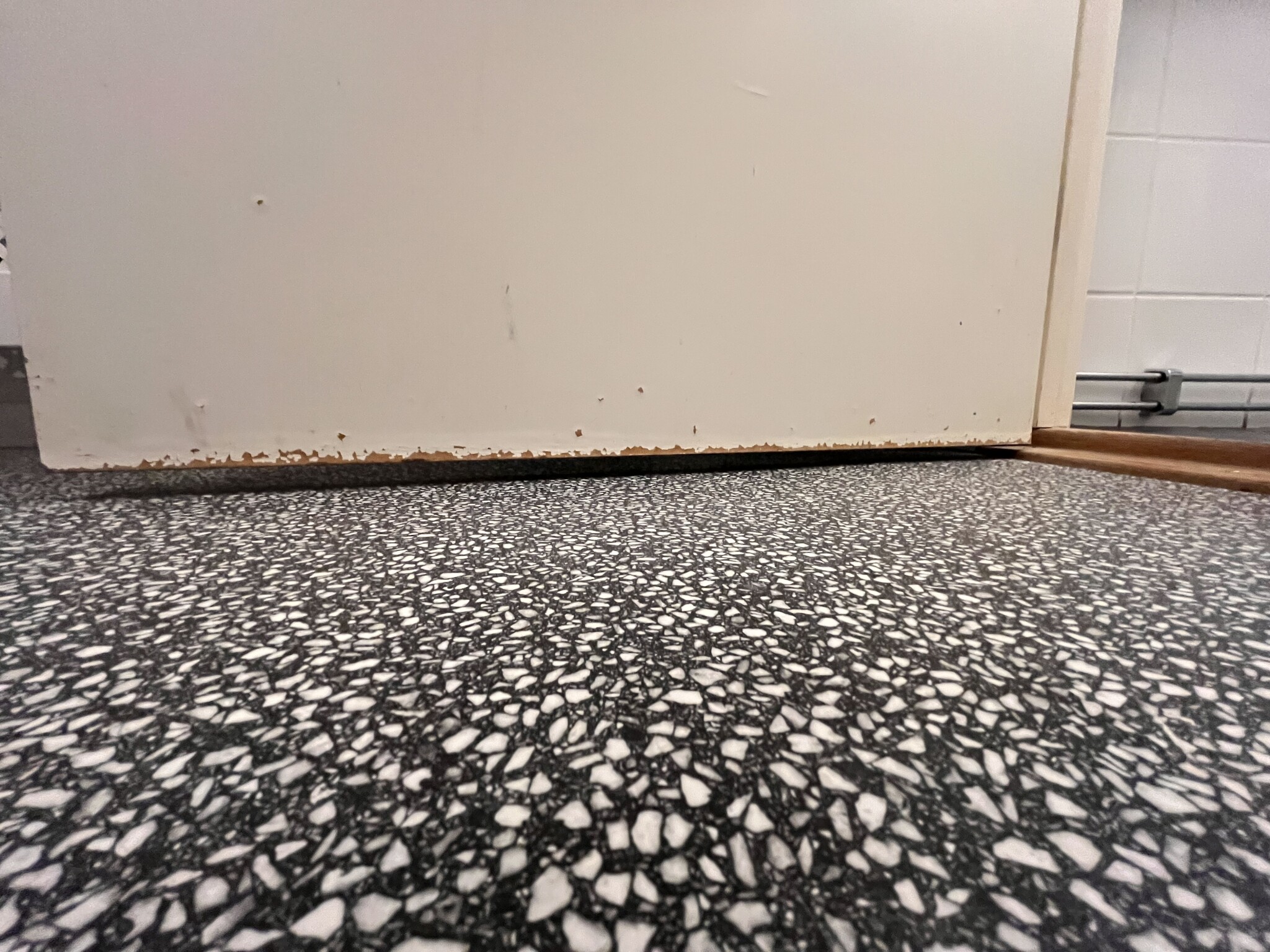
What I'm leaning towards now is completely replacing the interior doors instead of trying to save them with painting, especially the bathroom door where moisture seems to be involved.
I'm also thinking of replacing the trim and baseboards that are very worn out instead of painting them. My belief is that this should be something even an enthusiastic amateur can handle with the right tools. Is that correct, or is there any particular step that tends to cause problems?
I plan to take care of the radiators and pipes myself. I'm inclined to spray them to achieve an even result. Is it reasonable to spray the entire radiator while just touching up the pipes where the paint has chipped, or should I think differently?
For trim with only minor marks or scuffs, is it effective to touch up locally with some form of touch-up paint, or does it usually become visible and it's better to paint the entire length?
For the patio door, I plan to measure the moisture. If the values seem okay, I plan to sand and paint it. There also seems to be some mold in the sealant. Is it right to cut it away with a knife and apply new sealant?
Additionally, there's a bit of a draft from the patio door. Is this something that should be addressed relatively urgently, or can it wait until warmer weather? Is there any good temporary solution over the winter, or is it better to adjust or seal directly despite the cold?
All input is appreciated!
I'm also thinking of replacing the trim and baseboards that are very worn out instead of painting them. My belief is that this should be something even an enthusiastic amateur can handle with the right tools. Is that correct, or is there any particular step that tends to cause problems?
I plan to take care of the radiators and pipes myself. I'm inclined to spray them to achieve an even result. Is it reasonable to spray the entire radiator while just touching up the pipes where the paint has chipped, or should I think differently?
For trim with only minor marks or scuffs, is it effective to touch up locally with some form of touch-up paint, or does it usually become visible and it's better to paint the entire length?
For the patio door, I plan to measure the moisture. If the values seem okay, I plan to sand and paint it. There also seems to be some mold in the sealant. Is it right to cut it away with a knife and apply new sealant?
Additionally, there's a bit of a draft from the patio door. Is this something that should be addressed relatively urgently, or can it wait until warmer weather? Is there any good temporary solution over the winter, or is it better to adjust or seal directly despite the cold?
All input is appreciated!


If the damage is small, I think it has worked well to just paint over with touch-up paint, small bottles with a built-in mini brush.E Emilvar said:
Maybe a new sealing strip will suffice.E Emilvar said:
The moisture damage on the door is probably difficult to repair. Water on panel materials causes them to swell, so you would need to plane/mill away the swelling and then fill it. It's rarely worth it. Regarding the leakage at the patio door, I believe the damage will recur if the leakage is not fixed, so that should probably be done quite soon.
Thanks!lnilsson said:
The water damage on the door is probably hard to repair. Water on sheet material causes them to swell, so you would need to plane/mill away the swelling and then fill. It's rarely worth it. Regarding the leakage by the patio door, I think the damage will reoccur if you don't fix the leak, so you probably should do that pretty soon.
Is it worth doing anything now in below-zero temperatures? Maybe just as well to get it done?
Is there anything temporary I can consider?
If it's just sealing strips, I might wait until the temperatures are above freezing, it's not urgent, but you can save quite a bit by addressing drafts and it's quick to replace sealing strips. However, if it's something with the door, like it's hanging incorrectly or something like that, you might want to wait until it's a bit warmer, as it can take some time to fix such issues.E Emilvar said:
Click here to reply