
1,001 views ·
1 replies
1k views
1 replies
Advice after extensive water damage – how to restore surfaces correctly?
Hello
After a pipe burst early last year, two floors of the house were water damaged.
Approximately 35 cubic meters of water have leaked over a period of several weeks, and as a result, serious damage has obviously occurred.
Mold growth on wallpapers that had wood chips in them, tearing up wooden floors and loose plaster that needed to be chipped and scraped off, mold treatment, and of course drying out the house.
The house and its structure are completely built of concrete and stone, and the few interior walls that exist have no wooden studs.
All walls and ceilings had plaster that, in large parts, had to be completely scraped and chipped off, and the house is now completely dry and mold-free.
The question is what the best approach is before the final painting can take place? Which product for a smooth surface before painting?
The remaining plaster on the ceiling is rough and uneven in places, but what's left is not loose.
Should more plaster be applied on the existing one?
Naturgips? Coarse filler directly on?
What should the surface be primed with?
Thank you in advance
After a pipe burst early last year, two floors of the house were water damaged.
Approximately 35 cubic meters of water have leaked over a period of several weeks, and as a result, serious damage has obviously occurred.
Mold growth on wallpapers that had wood chips in them, tearing up wooden floors and loose plaster that needed to be chipped and scraped off, mold treatment, and of course drying out the house.
The house and its structure are completely built of concrete and stone, and the few interior walls that exist have no wooden studs.
All walls and ceilings had plaster that, in large parts, had to be completely scraped and chipped off, and the house is now completely dry and mold-free.
The question is what the best approach is before the final painting can take place? Which product for a smooth surface before painting?
The remaining plaster on the ceiling is rough and uneven in places, but what's left is not loose.
Should more plaster be applied on the existing one?
Naturgips? Coarse filler directly on?
What should the surface be primed with?
Thank you in advance
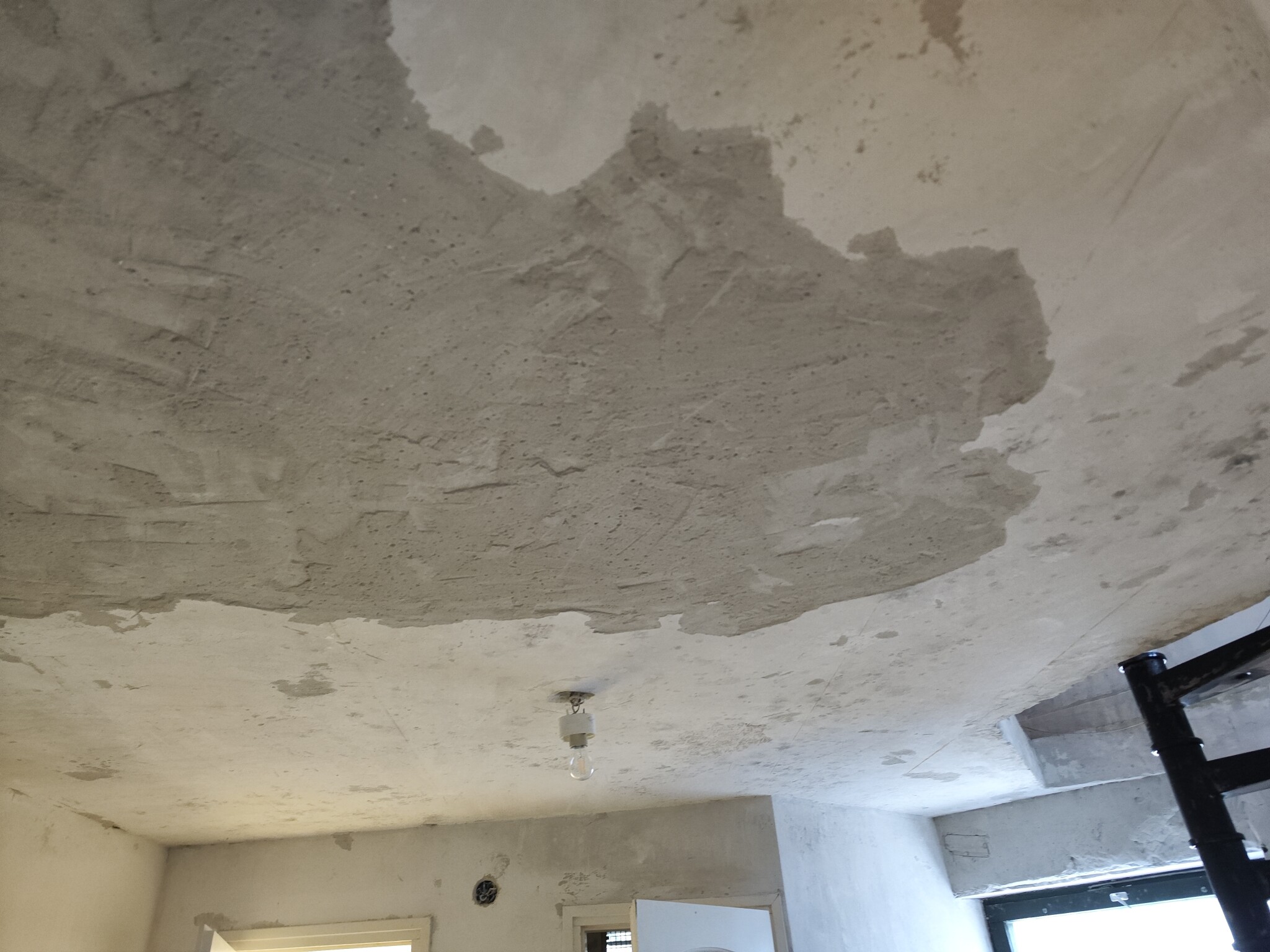
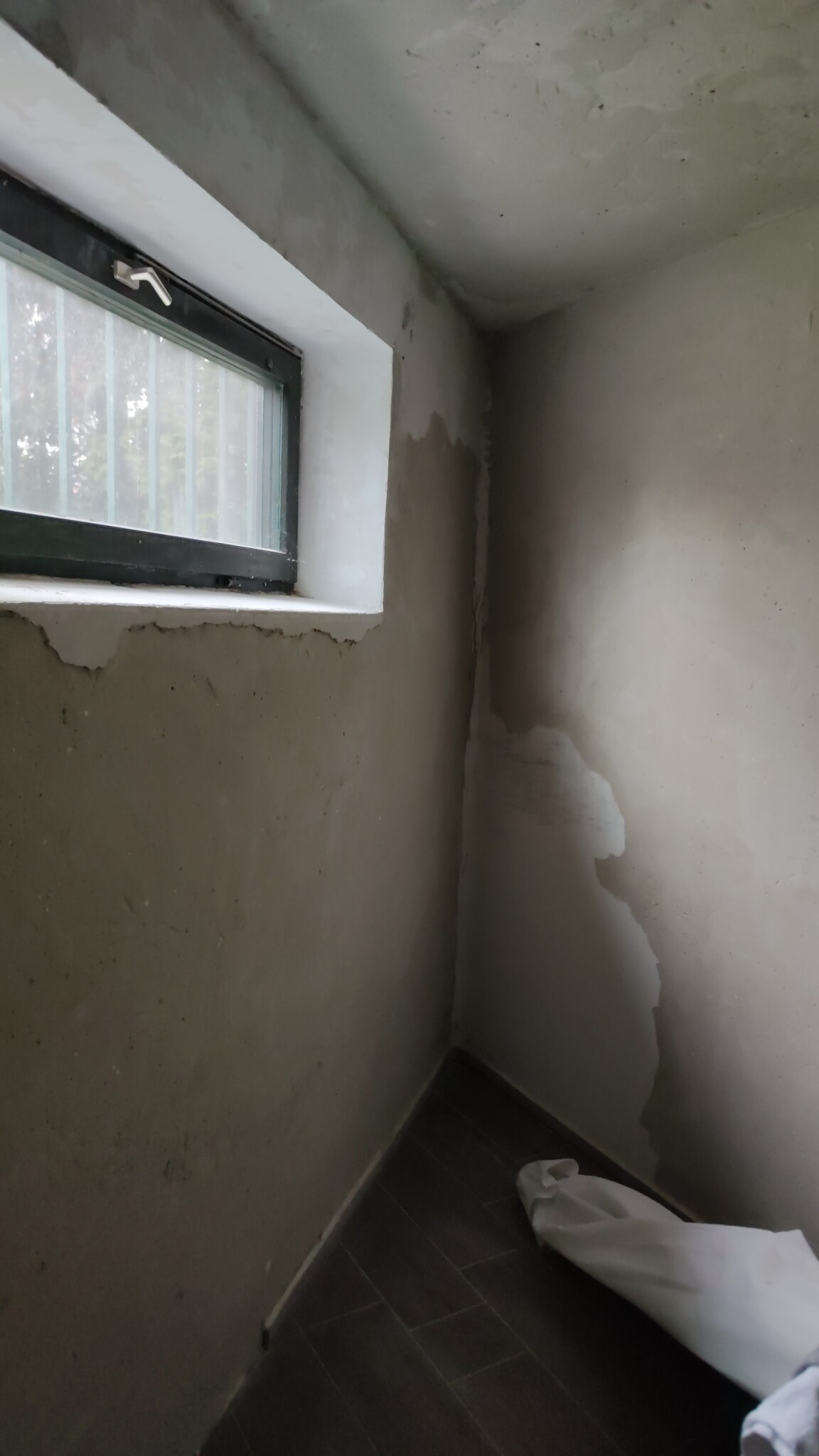
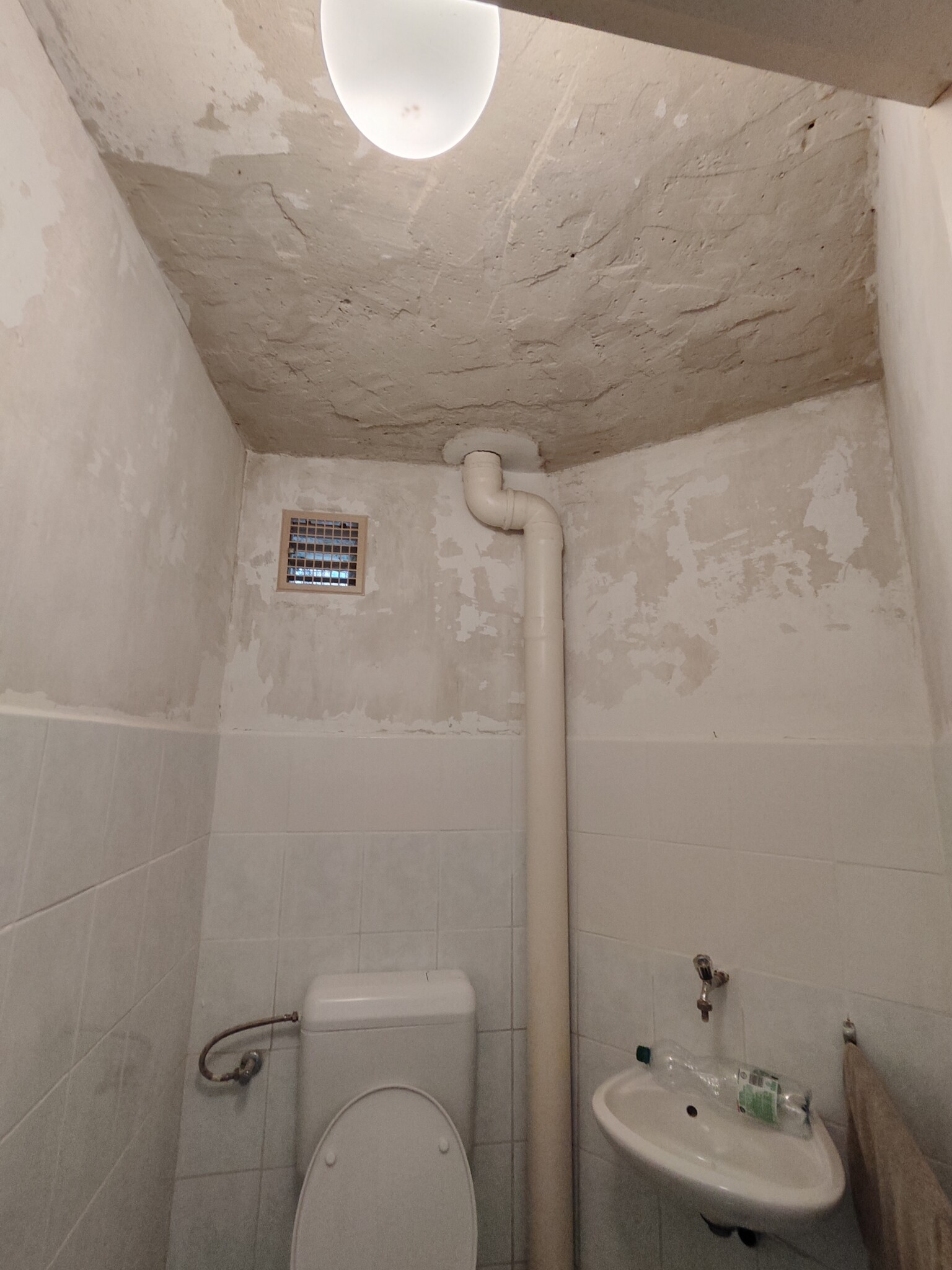
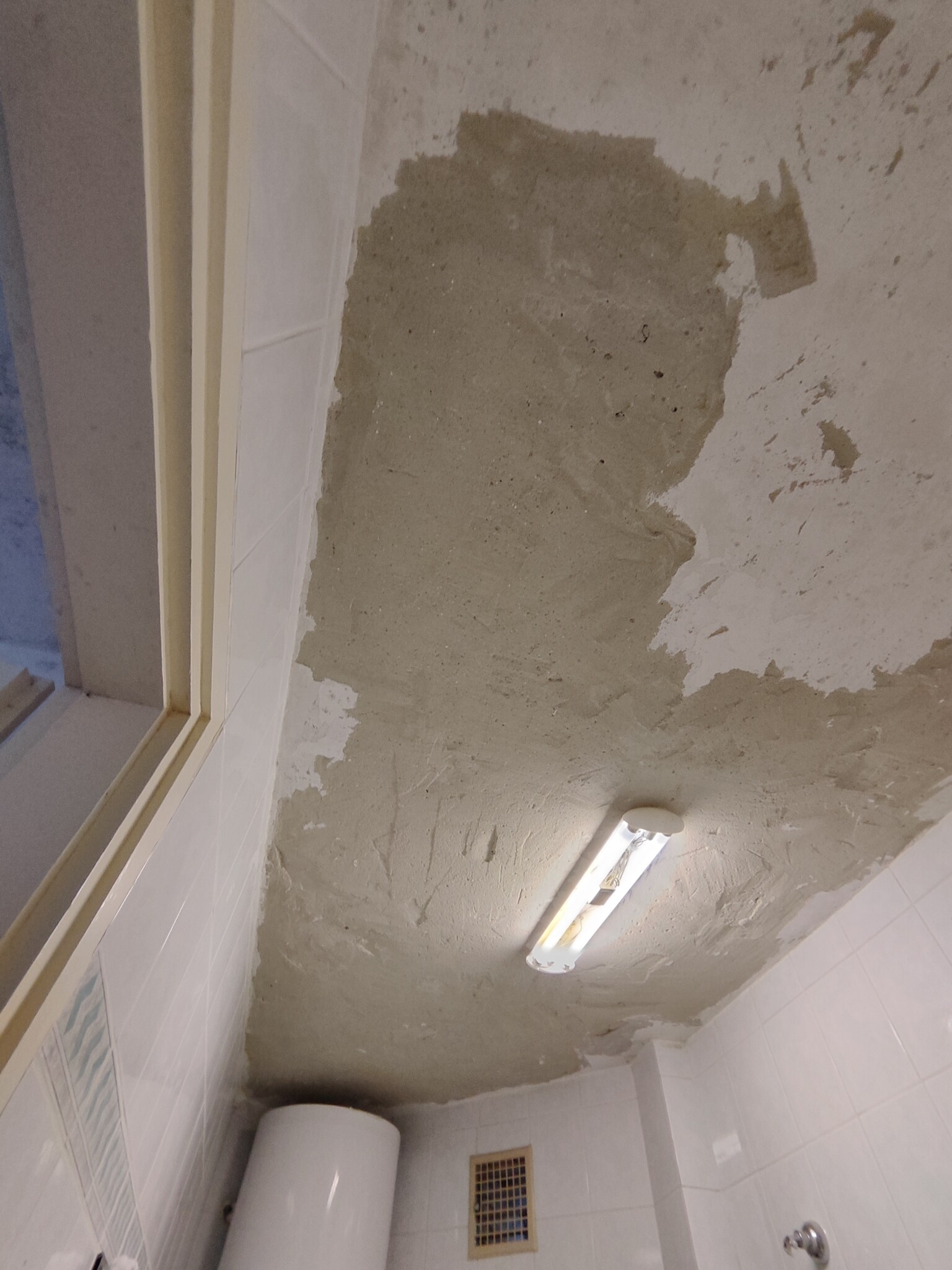
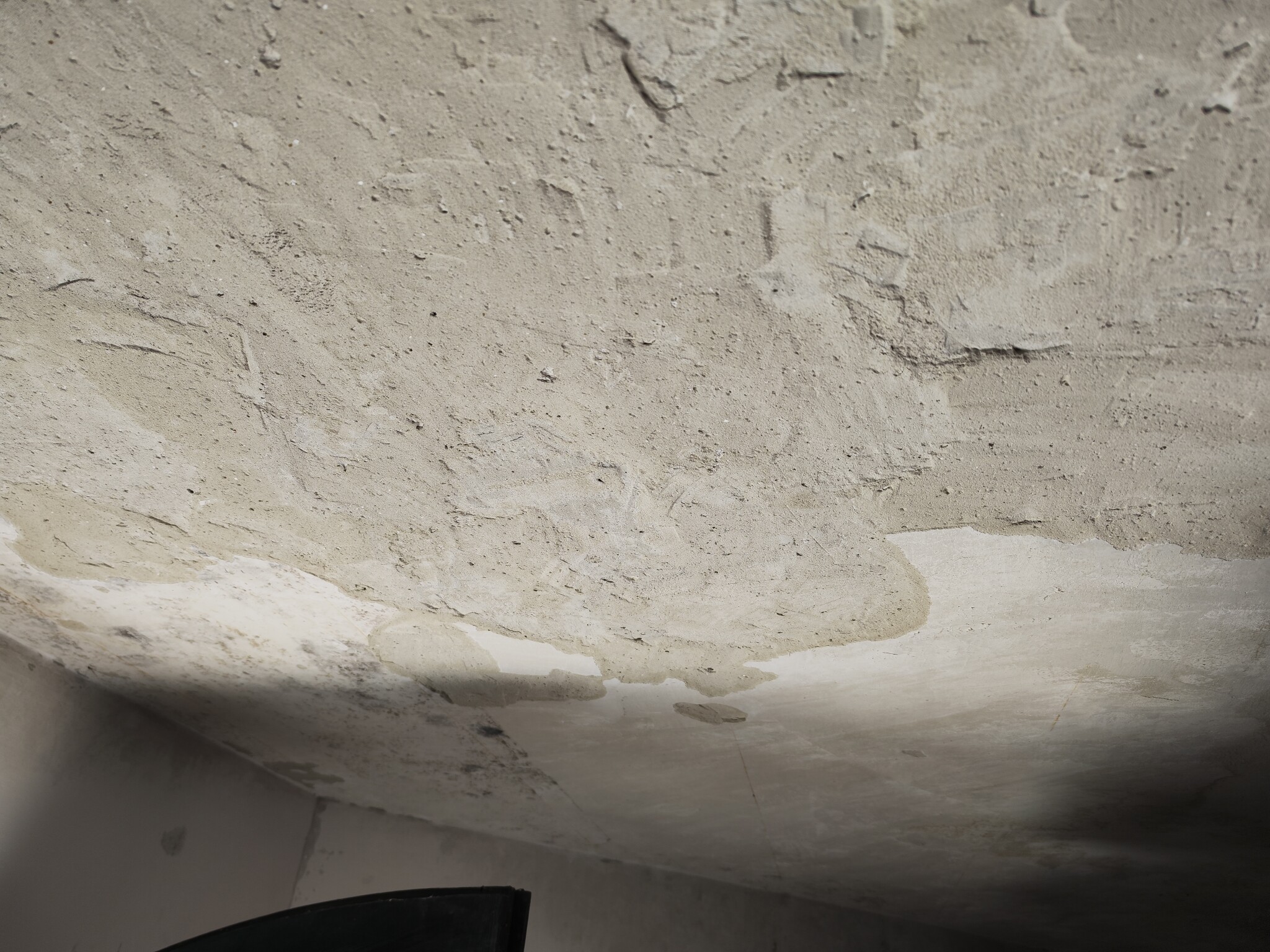
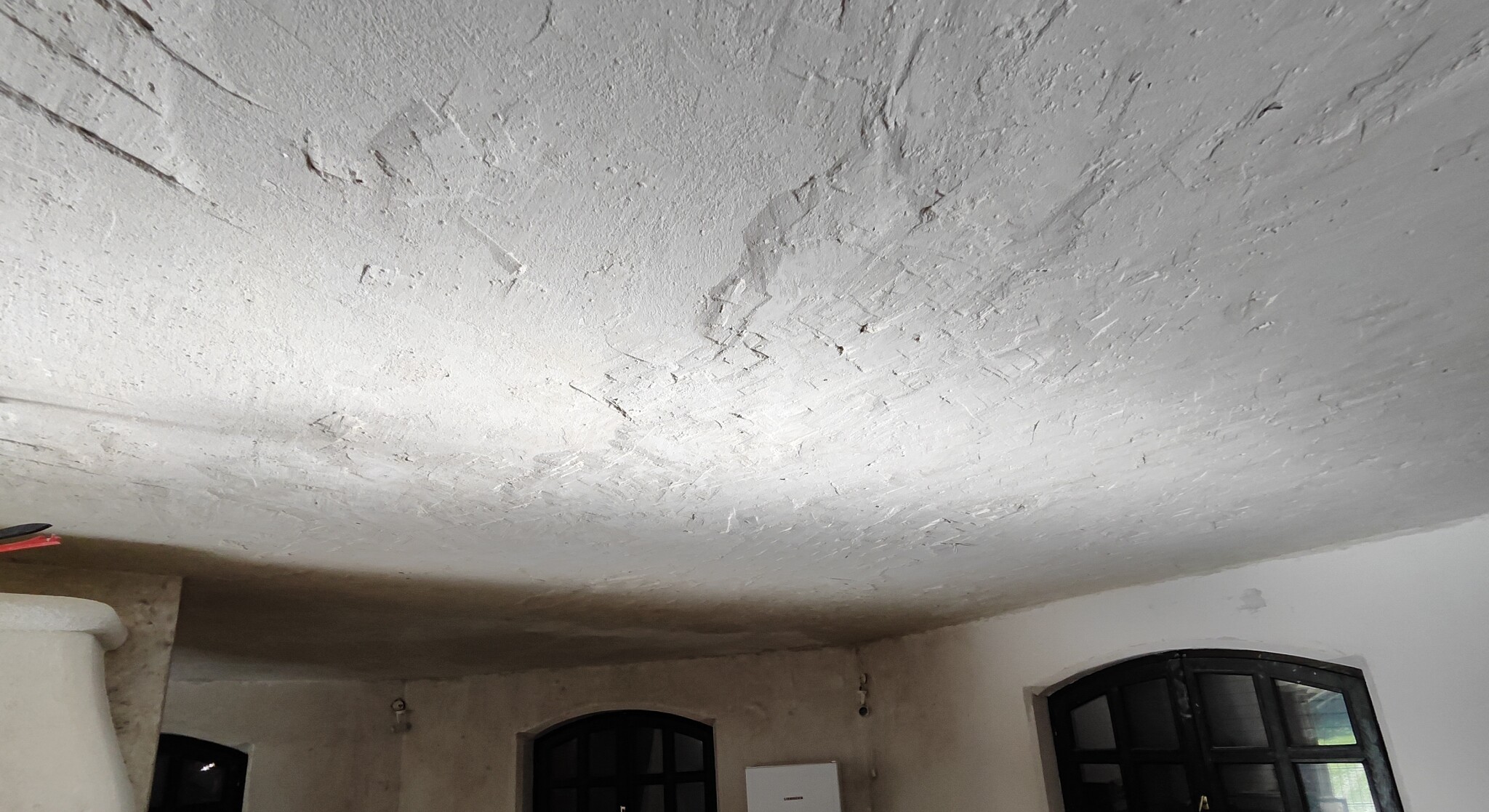
Last edited:
HiP plybug said:Hi
After a pipe burst early last year, two floors of the house were water damaged.
About 35 cubic meters of water leaked over a period of several weeks, and as a result, severe damage obviously occurred.
Mold growth on wallpapers that had wood chips in them, tearing up wooden floors and loose plaster that needed to be chipped and scraped off, mold treatment, and of course drying of the house.
The house and its frame are entirely made of concrete and stone; the few interior walls that exist have no wooden studs.
All walls and ceilings had plaster that, in large parts, needed to be completely scraped and chipped off, and the house is now completely dry and mold-free.
The question is what the best approach is before the final painting can be done? Which product for a smooth surface before painting?
The remaining plaster on the ceiling is rough and uneven in places, but what's left is not loose.
Do you apply more plaster on the existing one? Natural gypsum? Rough filler directly on?
What should the surface be primed with?
Thanks in advance
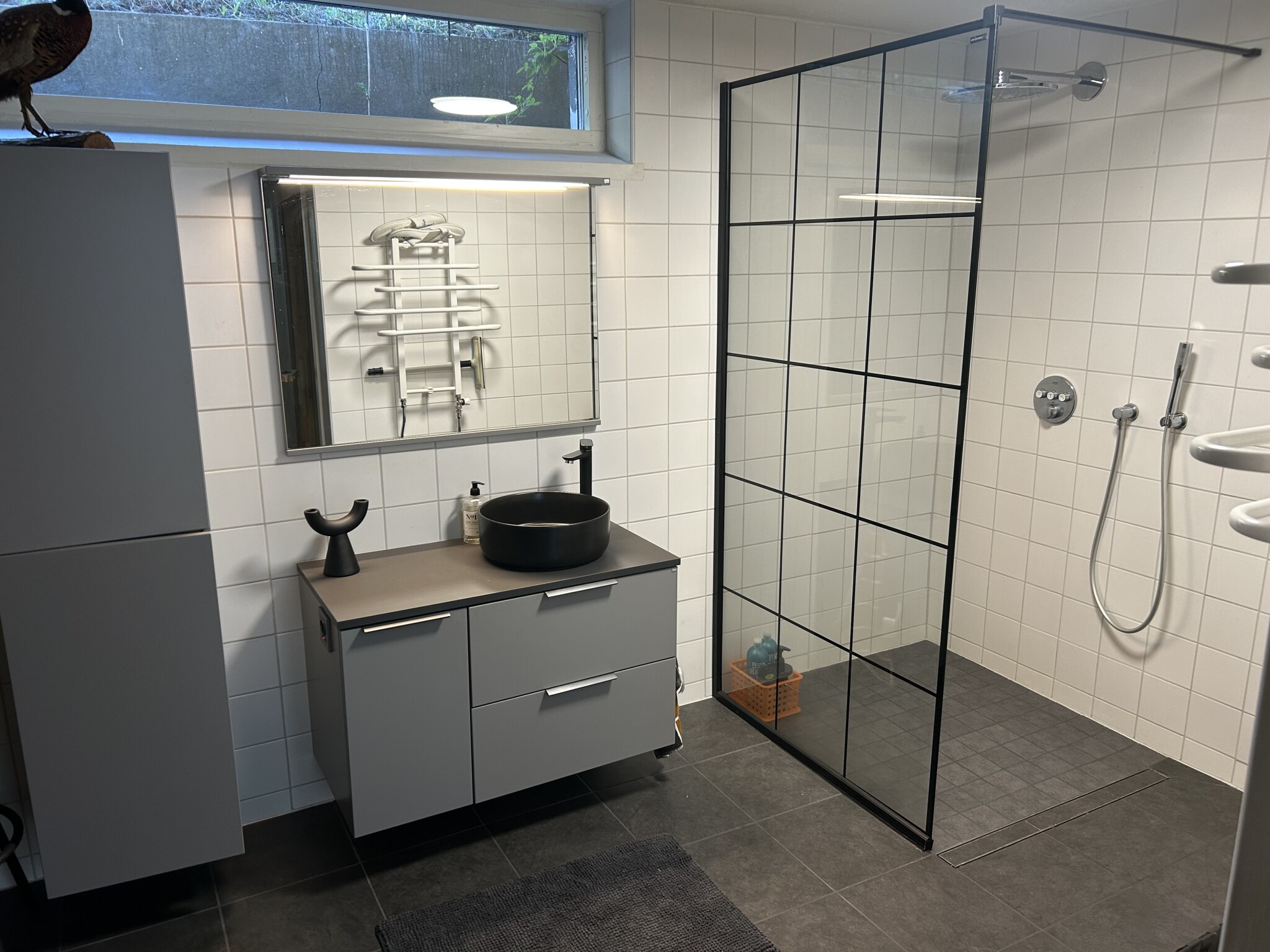
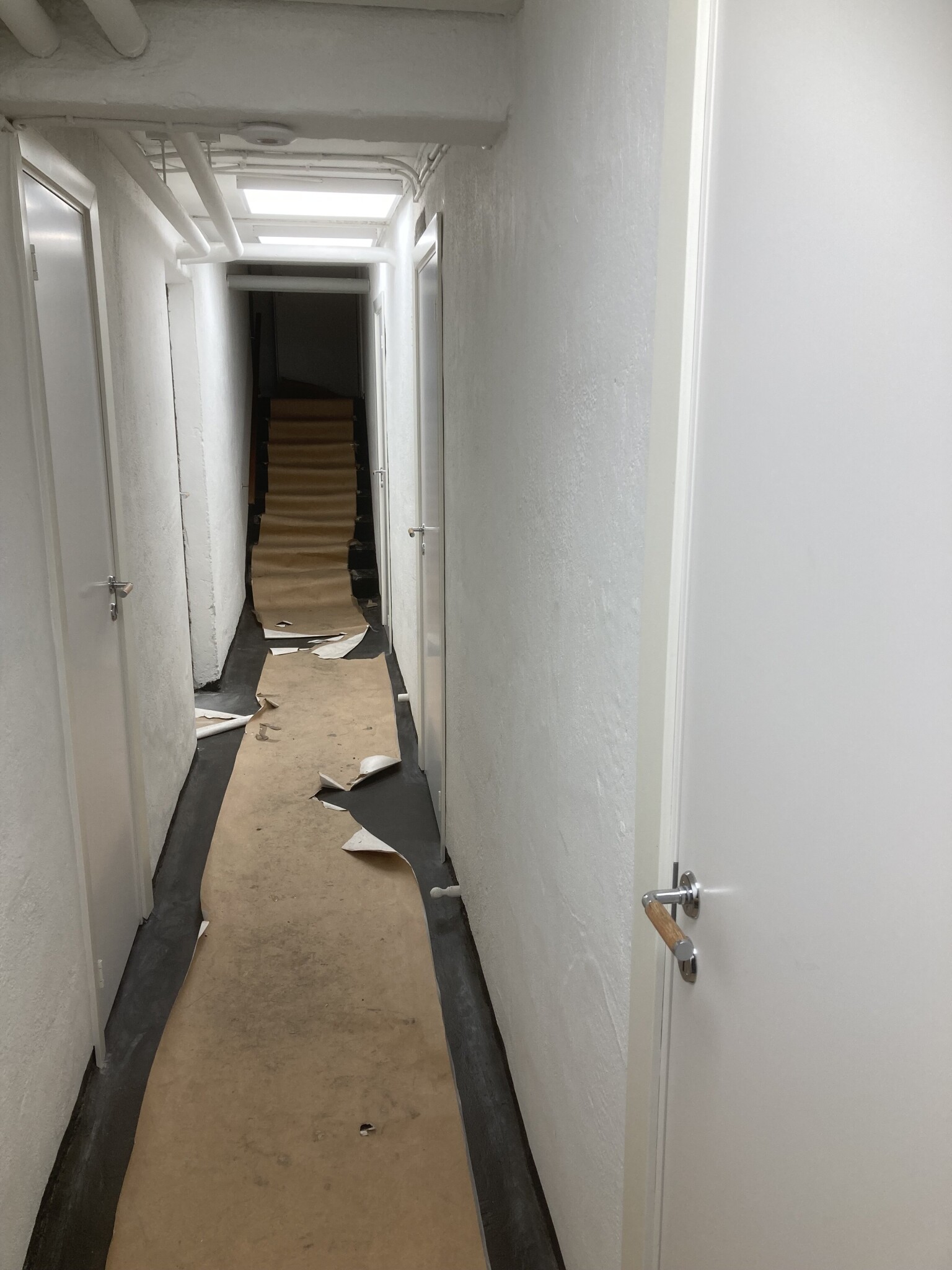
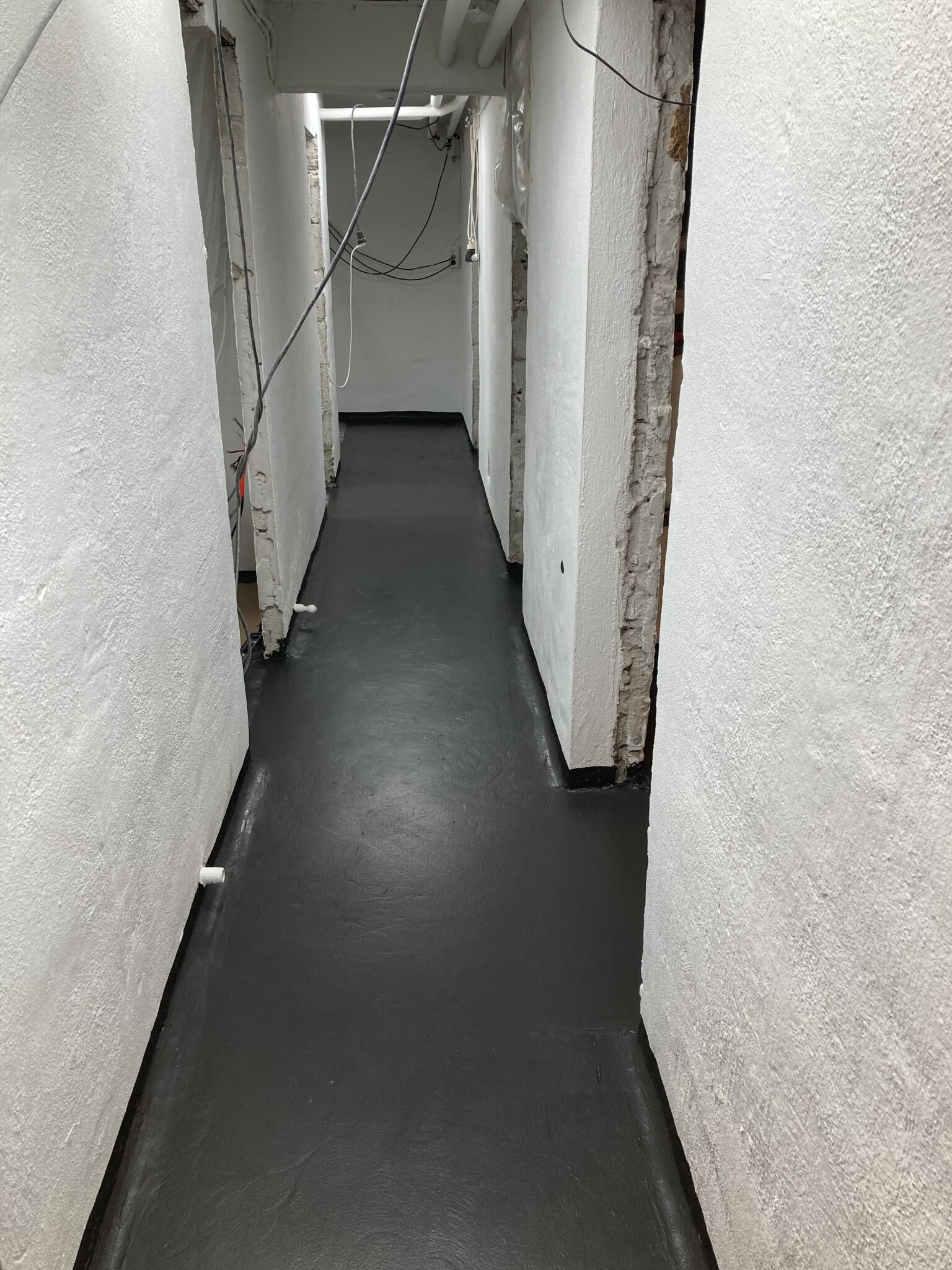
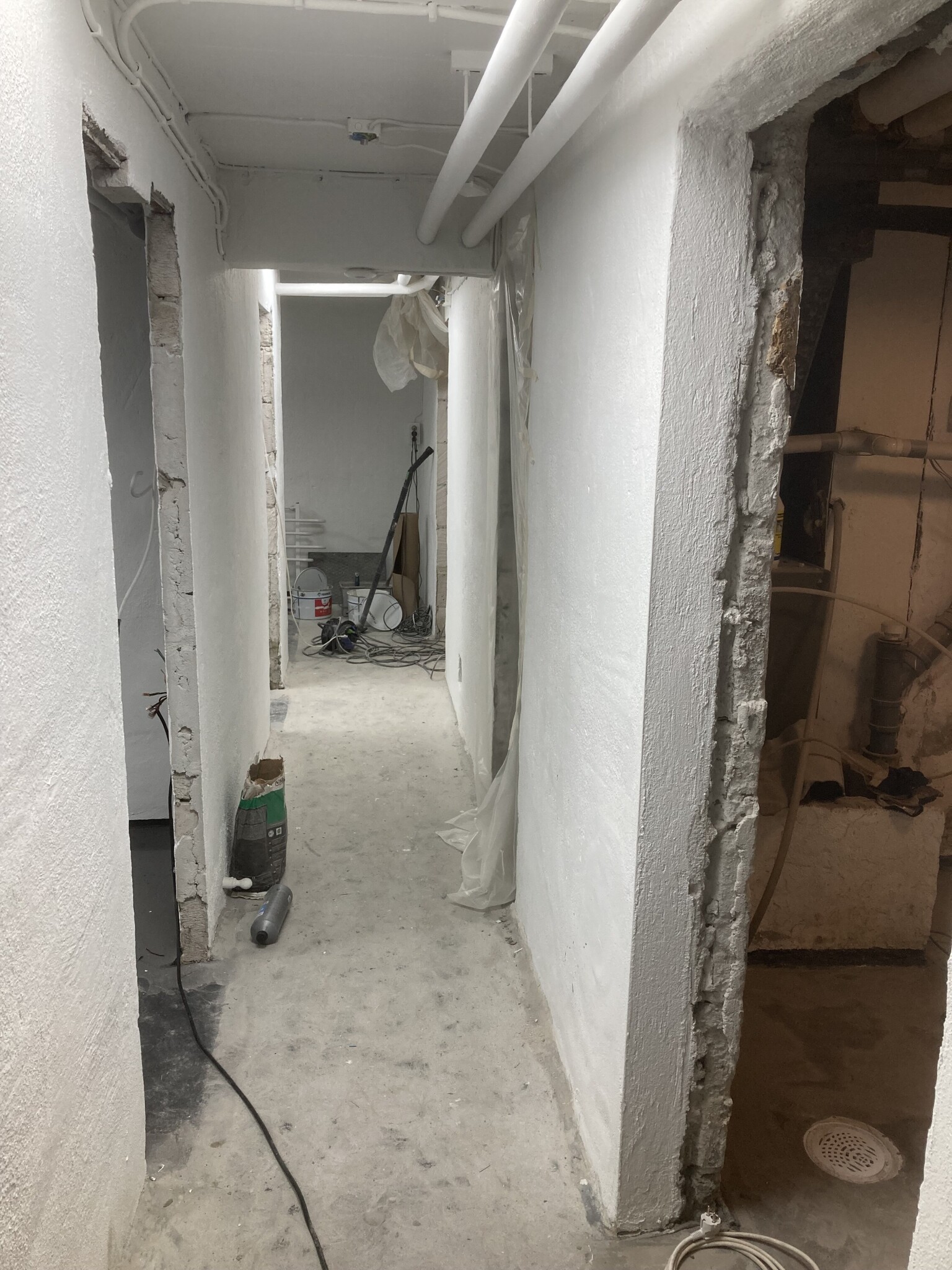
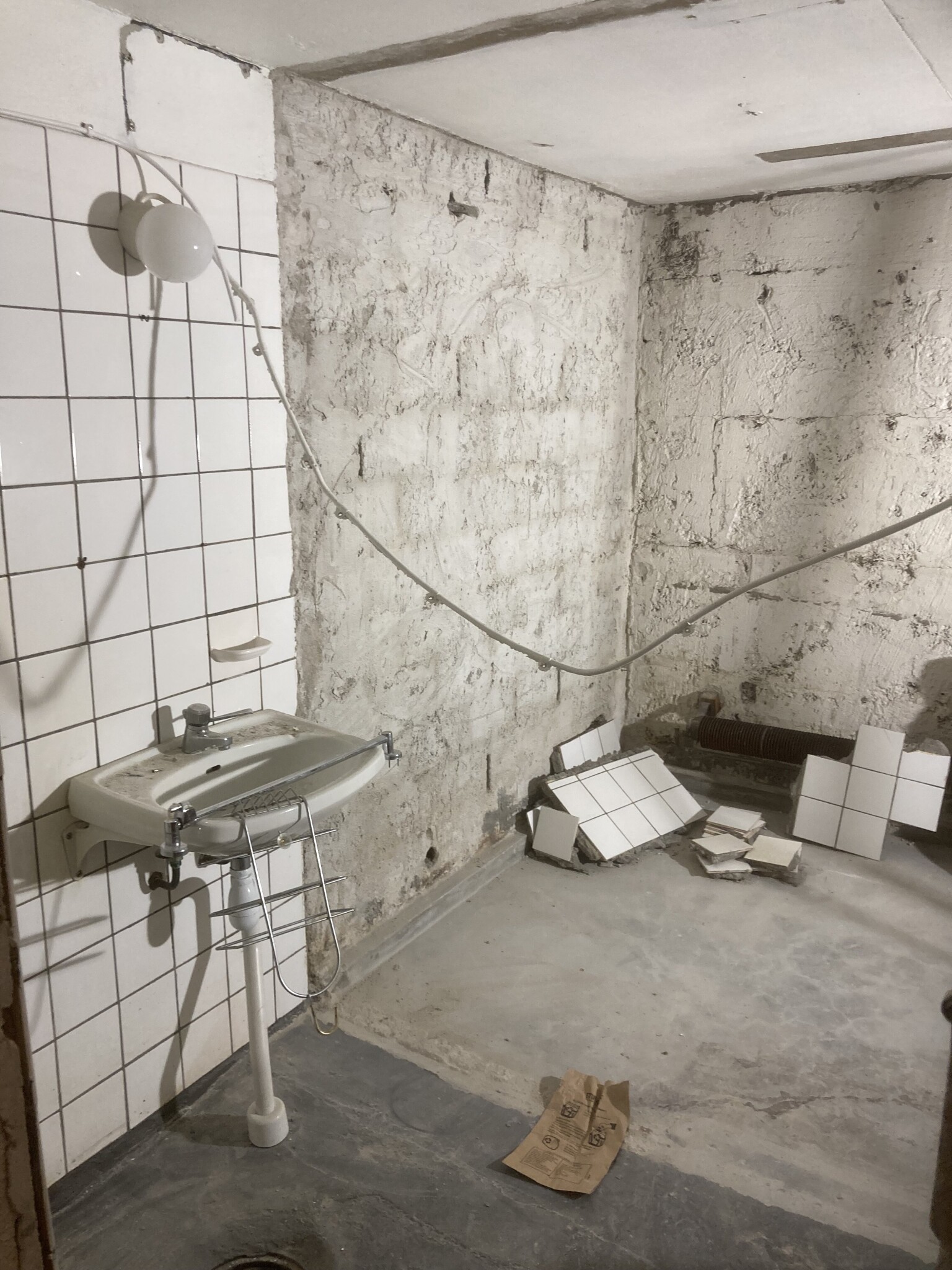
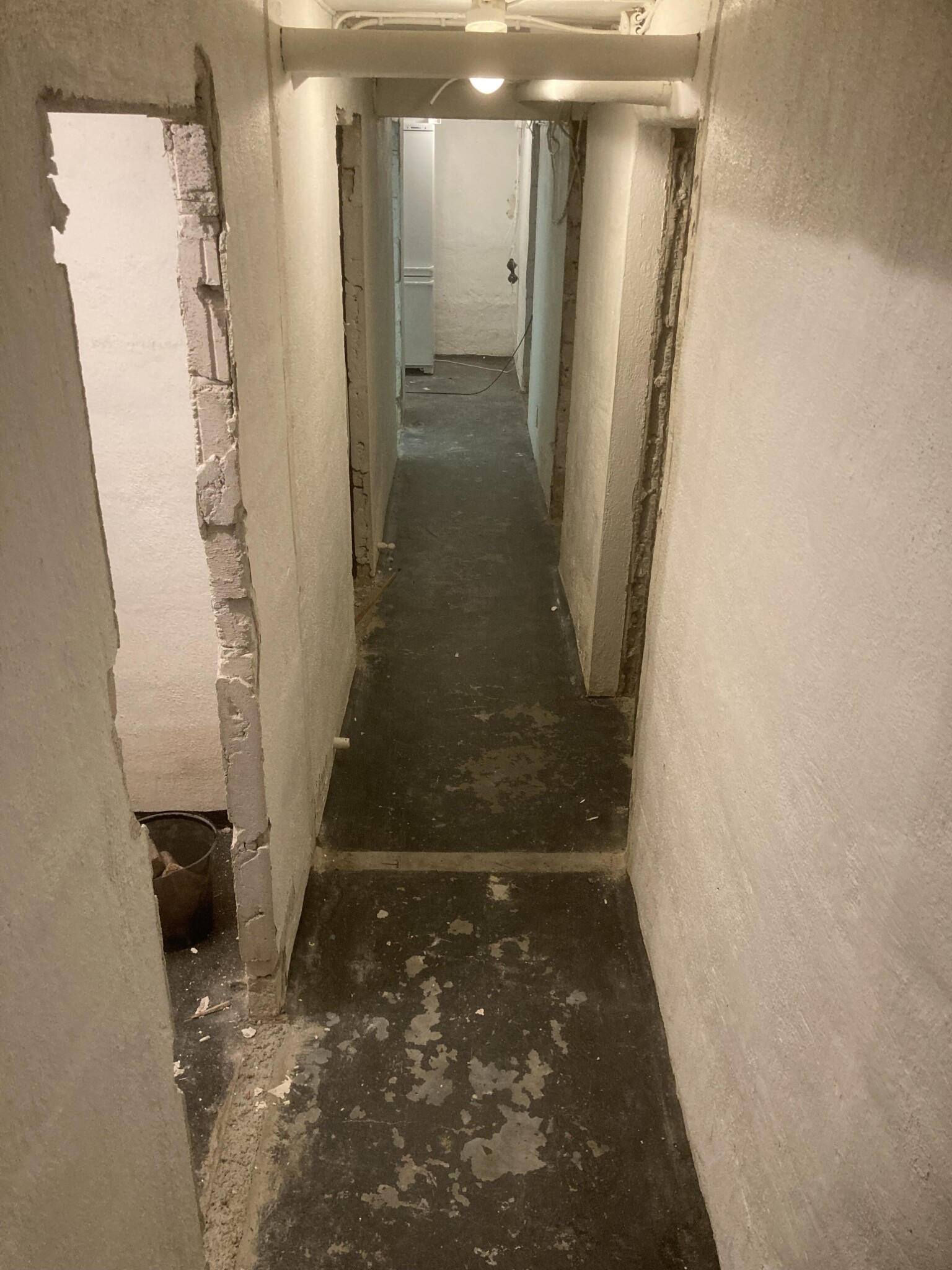
After the walls dried properly, we used Hey’DI FIBERPUTS directly on the walls that needed rebuilding after our water damage.
Floors sanded and painted.
Click here to reply