
83 views ·
2 replies
83 views
2 replies
Avbruten skruv i betongvägg – hur får jag bort den?
Jag lyckades dra åt en skruv lite för hårt så att själva skruvskallen gick av (se bifogade bilder nedan). Nu sitter resten av skruven kvar i en betongvägg (i en Fischer-plugg).
Problemet är att jag ska sätta upp en String-hylla och det blir inte särskilt snyggt att bara borra ett nytt hål bredvid, eftersom det gamla hålet kommer att synas. Jag vill därför gärna få bort den avbrutna skruven och helst kunna använda samma hål igen.
Jag har redan försökt en enklare metod: jag tog en annan, mindre skruv och skruvade in den i plastdelen av pluggen för att sedan försöka dra ut hela pluggen. Tyvärr gick det inte alls bra.
Jag har därför börjat titta på skruvutdragare och har förstått att det finns två vanliga varianter:
Sedan har jag också fått tipset att strunta i utdragare och istället använda ett HSS-borr och bara borra rakt igenom hela skruven tills den är borta.
Vad är egentligen bäst och smartast att börja med i mitt fall? Skruven är ganska tunn (ca 3 mm i diameter) och sitter i betongvägg. Jag vill helst undvika att förstöra hålet eftersom jag vill kunna använda samma plats igen.
Tar gärna emot tips och erfarenheter!
Problemet är att jag ska sätta upp en String-hylla och det blir inte särskilt snyggt att bara borra ett nytt hål bredvid, eftersom det gamla hålet kommer att synas. Jag vill därför gärna få bort den avbrutna skruven och helst kunna använda samma hål igen.
Jag har redan försökt en enklare metod: jag tog en annan, mindre skruv och skruvade in den i plastdelen av pluggen för att sedan försöka dra ut hela pluggen. Tyvärr gick det inte alls bra.
Jag har därför börjat titta på skruvutdragare och har förstått att det finns två vanliga varianter:
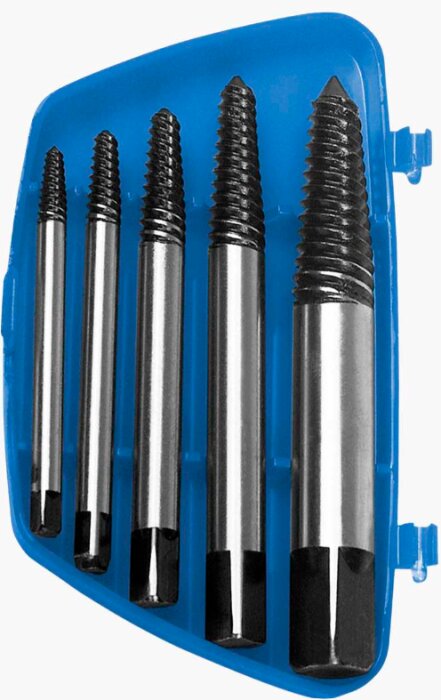
- Vanlig spiralutdragare:
Man borrar först ett hål i den avbrutna skruven och skruvar sedan i utdragaren som greppar tag i skruven och förhoppningsvis skruvar ut den.
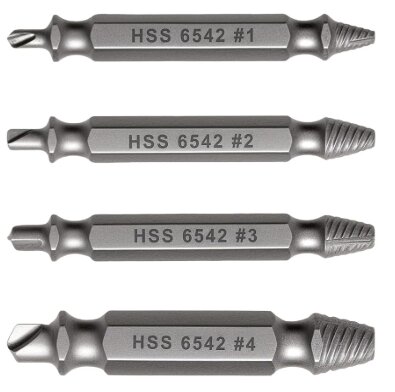
- Vänstergående borr + utdragare:
Man börjar med ett vänstergående HSS-borr som körs i backläge. I bästa fall börjar skruven skruva ut sig redan då, annars har man gjort ett hål för utdragaren.
Sedan har jag också fått tipset att strunta i utdragare och istället använda ett HSS-borr och bara borra rakt igenom hela skruven tills den är borta.
Vad är egentligen bäst och smartast att börja med i mitt fall? Skruven är ganska tunn (ca 3 mm i diameter) och sitter i betongvägg. Jag vill helst undvika att förstöra hålet eftersom jag vill kunna använda samma plats igen.
Tar gärna emot tips och erfarenheter!
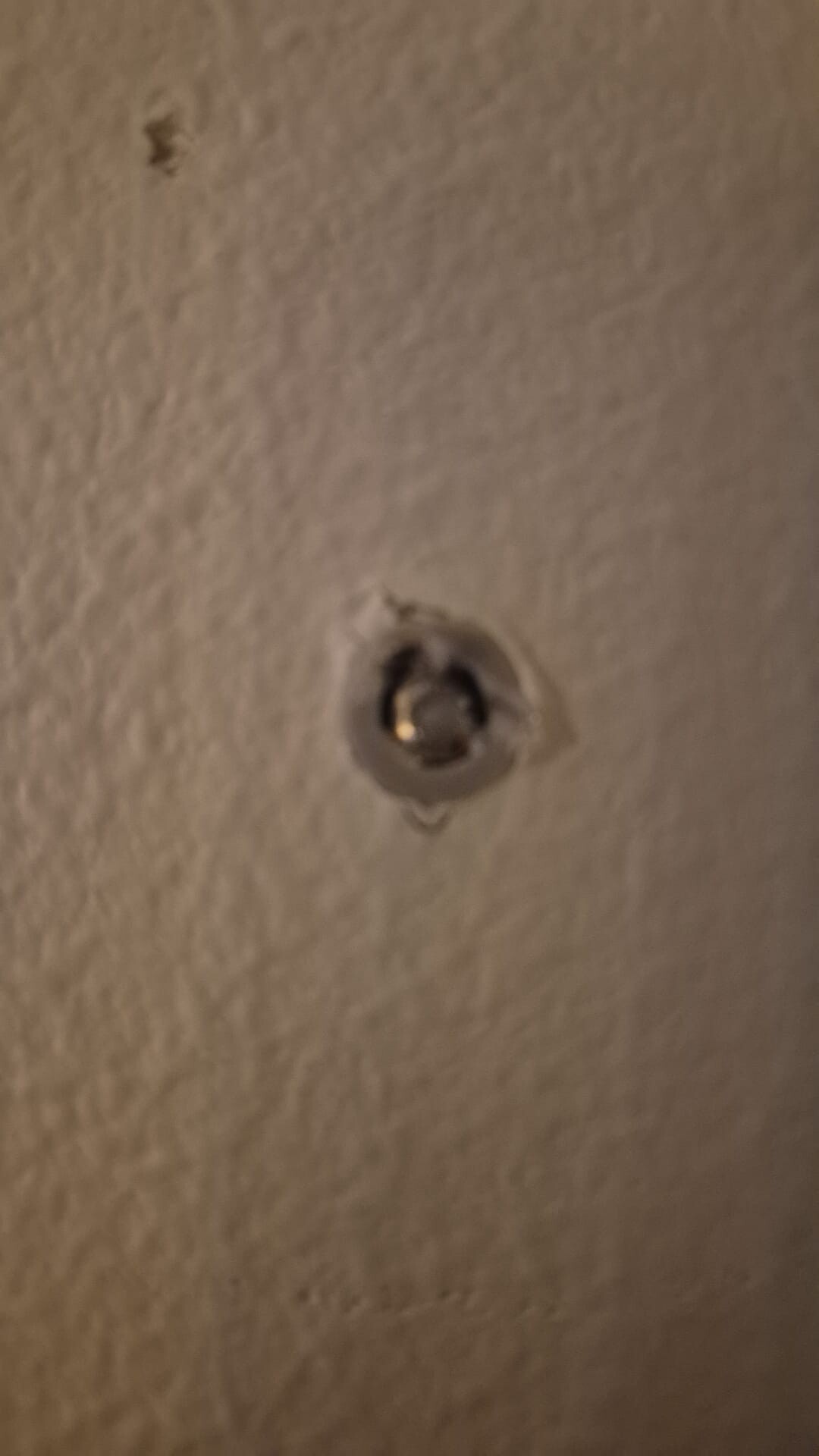
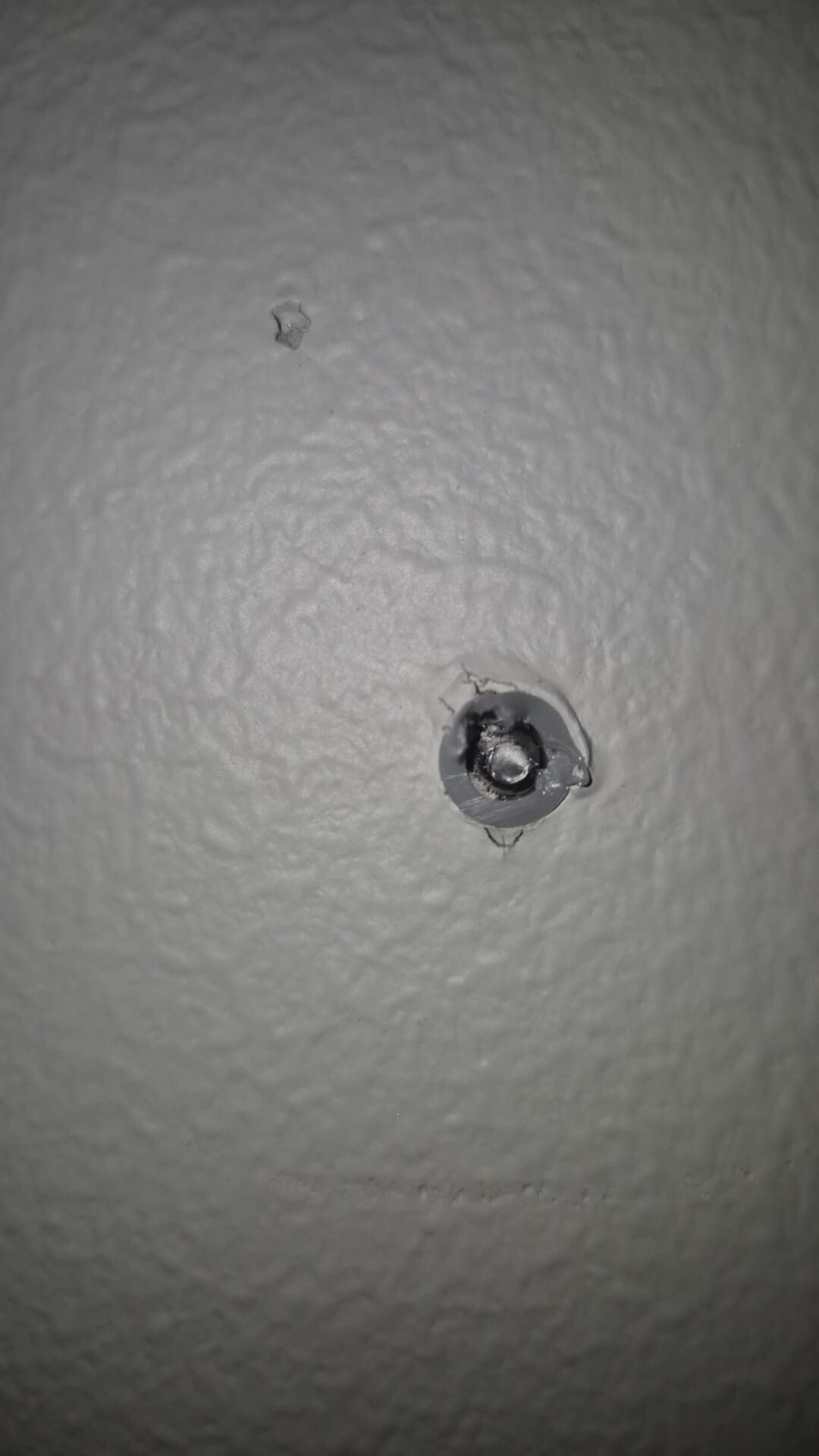
Jag råkade ut för exakt samma sak när jag monterade hyllan. Lösningen var att flytta hyllan en centimeter åt något håll och spackla och måla skruvhålen som inte längre passade. Skruven lämnade jag kvar i hålet.A AZ. said:Jag lyckades dra åt en skruv lite för hårt så att själva skruvskallen gick av (se bifogade bilder). Nu sitter resten av skruven kvar i en betongvägg (i en Fischer-plugg).
Problemet är att jag ska sätta upp en String-hylla och det blir inte särskilt snyggt att bara borra ett nytt hål bredvid, eftersom det gamla hålet kommer att synas. Jag vill därför gärna få bort den avbrutna skruven och helst kunna använda samma hål igen.
Jag har redan försökt en enklare metod: jag tog en annan, mindre skruv och skruvade in den i plastdelen av pluggen för att sedan försöka dra ut hela pluggen. Tyvärr gick det inte alls bra.
Jag har därför börjat titta på skruvutdragare och har förstått att det finns två vanliga varianter:
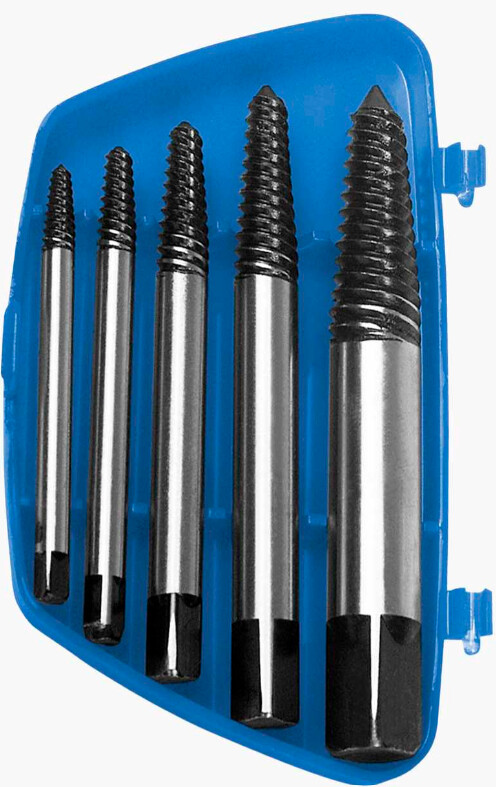
- Vanlig spiralutdragare:
Man borrar först ett hål i den avbrutna skruven och skruvar sedan i utdragaren som greppar tag i skruven och förhoppningsvis skruvar ut den.
[image]
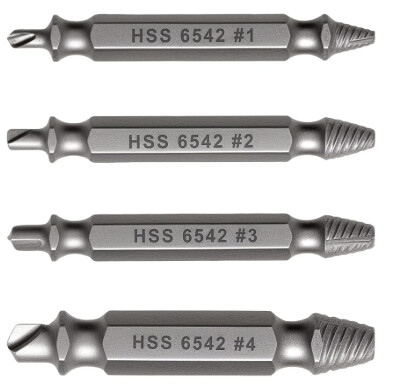
- Vänstergående borr + utdragare:
Man börjar med ett vänstergående HSS-borr som körs i backläge. I bästa fall börjar skruven skruva ut sig redan då, annars har man gjort ett hål för utdragaren.
[image]
Sedan har jag också fått tipset att strunta i utdragare och istället använda ett HSS-borr och bara borra rakt igenom hela skruven tills den är borta.
Vad är egentligen bäst och smartast att börja med i mitt fall? Skruven är ganska tunn (ca 3 mm i diameter) och sitter i betongvägg. Jag vill helst undvika att förstöra hålet eftersom jag vill kunna använda samma plats igen.
Tar gärna emot tips och erfarenheter!


Jag tror du får svårt med någon slags grispitt på en så klen skruv. Jag skulle testa att borra sönder pluggen med en borr på kanske 2 mm upprepade gånger i pluggen mellan skruv och betong.
Går inte det skulle jag helt enkelt borra ett eller flera hål bredvid och sedan fylla igen allt med husfix eller något liknande och börja om.
Går inte det skulle jag helt enkelt borra ett eller flera hål bredvid och sedan fylla igen allt med husfix eller något liknande och börja om.
Click here to reply