
4,445 views ·
10 replies
4k views
10 replies
Laundry room with electric floor heating in uninsulated basement
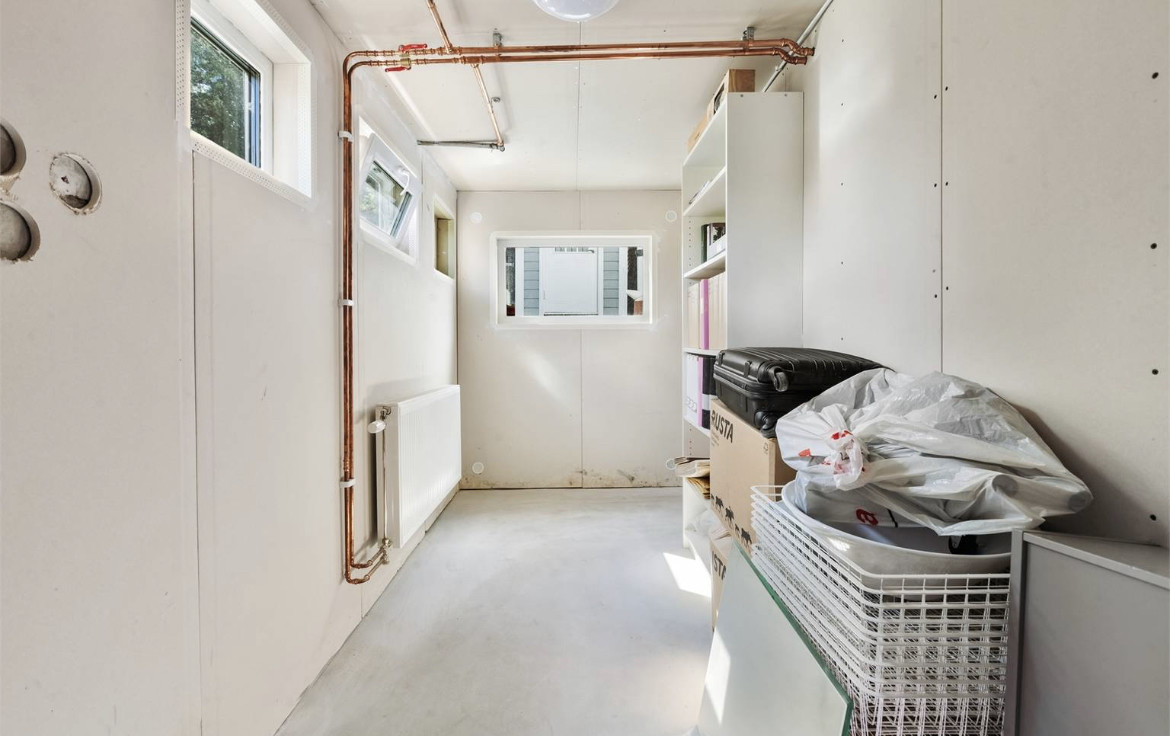
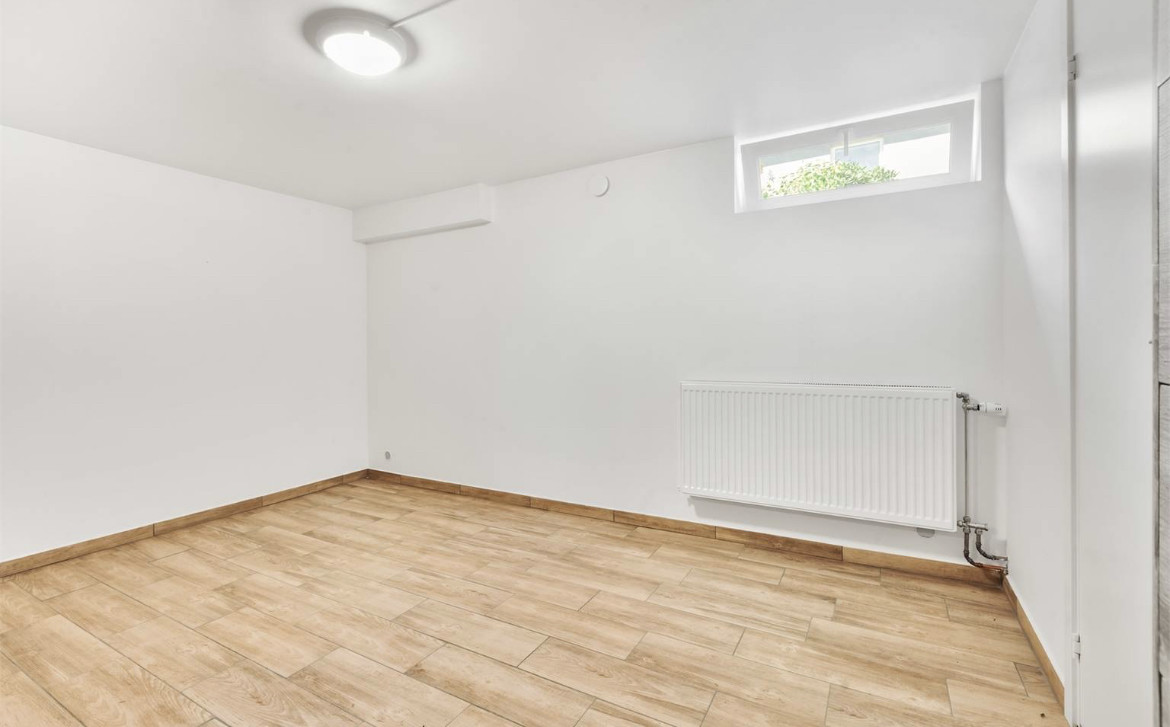
I am looking at a house where they have installed a few radiators in the basement, tiles in the boiler room, ice-cold concrete floors in other rooms and the garage. Bare gypsum on the walls with small vents on each wall. There is also a laundry room with electric underfloor heating at the same floor level. Everything was done during a renovation in 2018 when they also drained the house.
I would prefer not to have to tear out a nice laundry room, do I have to because of underfloor heating on uninsulated floors? In the other rooms, I would like to have living space, is the only solution then to break out and insulate as well as install water-based underfloor heating?
I would prefer not to have to tear out a nice laundry room, do I have to because of underfloor heating on uninsulated floors? In the other rooms, I would like to have living space, is the only solution then to break out and insulate as well as install water-based underfloor heating?



So if the drainage is good, you don't need to do anything other than skim coat and paint, rely on radiators, and have a nice carpet to walk on?Jonatan79 said:
Best answer
"Must" tear out is a bit of an exaggeration, it's not like the electric floor heating will ruin the house  If it's tiles or concrete flooring (i.e., moisture-resistant) in the laundry room, you can just turn off the floor heating if you think it consumes too much electricity. Then it's no worse than before.
If you install water-based floor heating in the basement to avoid cold feet, you should expect to either have the heating system on during the summer (which you might otherwise save on) or have cold feet in the summer. I think it might be better to rely on slippers and "poor man's floor heating," i.e., rag rugs.
In general, I don't think you should expect to have a basement as a permanent living space, but it obviously depends on local conditions. We've had a workroom and "summer bedroom" in the basement, but I wouldn't want a permanent bedroom in the basement.
If it's tiles or concrete flooring (i.e., moisture-resistant) in the laundry room, you can just turn off the floor heating if you think it consumes too much electricity. Then it's no worse than before.If you install water-based floor heating in the basement to avoid cold feet, you should expect to either have the heating system on during the summer (which you might otherwise save on) or have cold feet in the summer. I think it might be better to rely on slippers and "poor man's floor heating," i.e., rag rugs.
In general, I don't think you should expect to have a basement as a permanent living space, but it obviously depends on local conditions. We've had a workroom and "summer bedroom" in the basement, but I wouldn't want a permanent bedroom in the basement.
H henche said:
Sounds reasonable, I've thought that the electric heating causes reverse moisture movement, but not if it's turned off, of course... The idea is to have an office and recreation room in the basement with the possibility to make a proper living space through waterborne heating in the future.mrsnhp said:
"Must" tear out is a bit of an exaggeration; it's not like the electric underfloor heating will damage the house
If you install waterborne underfloor heating in the basement to avoid cold feet, you have to count on either having the heating on even in the summer (which you would otherwise save on) or having cold feet in the summer. I think it might be better to rely on slippers and "poor man's underfloor heating," i.e., rugs.
In general, I don't think one should count on having a basement as permanent living space, but of course, it depends on local conditions. We've had an office and "summer bedroom" in the basement, but I wouldn't want to have a permanent bedroom there.
I would probably be more concerned about the plastered walls. Are there wooden studs or steel studs behind them? It's hard to see in one picture if it's dirt at the bottom or something else. Generally, I believe that "naked" walls (or tiled) in the basement are preferable, but of course, it varies depending on the house and area what works.
edit: Same thing in the room where there is flooring, ask the realtor (if it's not clear from the prospectus) what kind of subfloor it is. Is it ventilated Platon or another solution (doesn't look like ventilated moldings), or is it framed directly on the slab? If the basement was done as recently as 2018, there are probably pictures documenting the work.
edit: Same thing in the room where there is flooring, ask the realtor (if it's not clear from the prospectus) what kind of subfloor it is. Is it ventilated Platon or another solution (doesn't look like ventilated moldings), or is it framed directly on the slab? If the basement was done as recently as 2018, there are probably pictures documenting the work.
Last edited:
I think it's steel studs with insulation behind. They drained and additionally insulated the house in 2018 with a new facade but I don't think they insulated outside then.. the floor felt like plastic flooring, and I think it's directly on the concrete based on the height difference between the room and the garage.H henche said:I would probably be more concerned about the plastered walls. Are there wooden studs or steel studs behind them? It's hard to tell from the one picture if there's dirt at the bottom or something else. Generally, I consider "bare" walls (or tiled) in the basement to be preferable, but of course, it depends on the house and area what works.
edit: The same goes for the room with the floor, ask the realtor (if it's not stated in the prospectus) what kind of subfloor it is. Is it ventilated platon or another solution (doesn't look like ventilated strips), or is it directly on the slab? If the basement was done as recently as 2018, there are probably pictures documenting the work.


Click here to reply