
2,468 views ·
4 replies
2k views
4 replies
Ytong house from 58. Which walls are load-bearing?
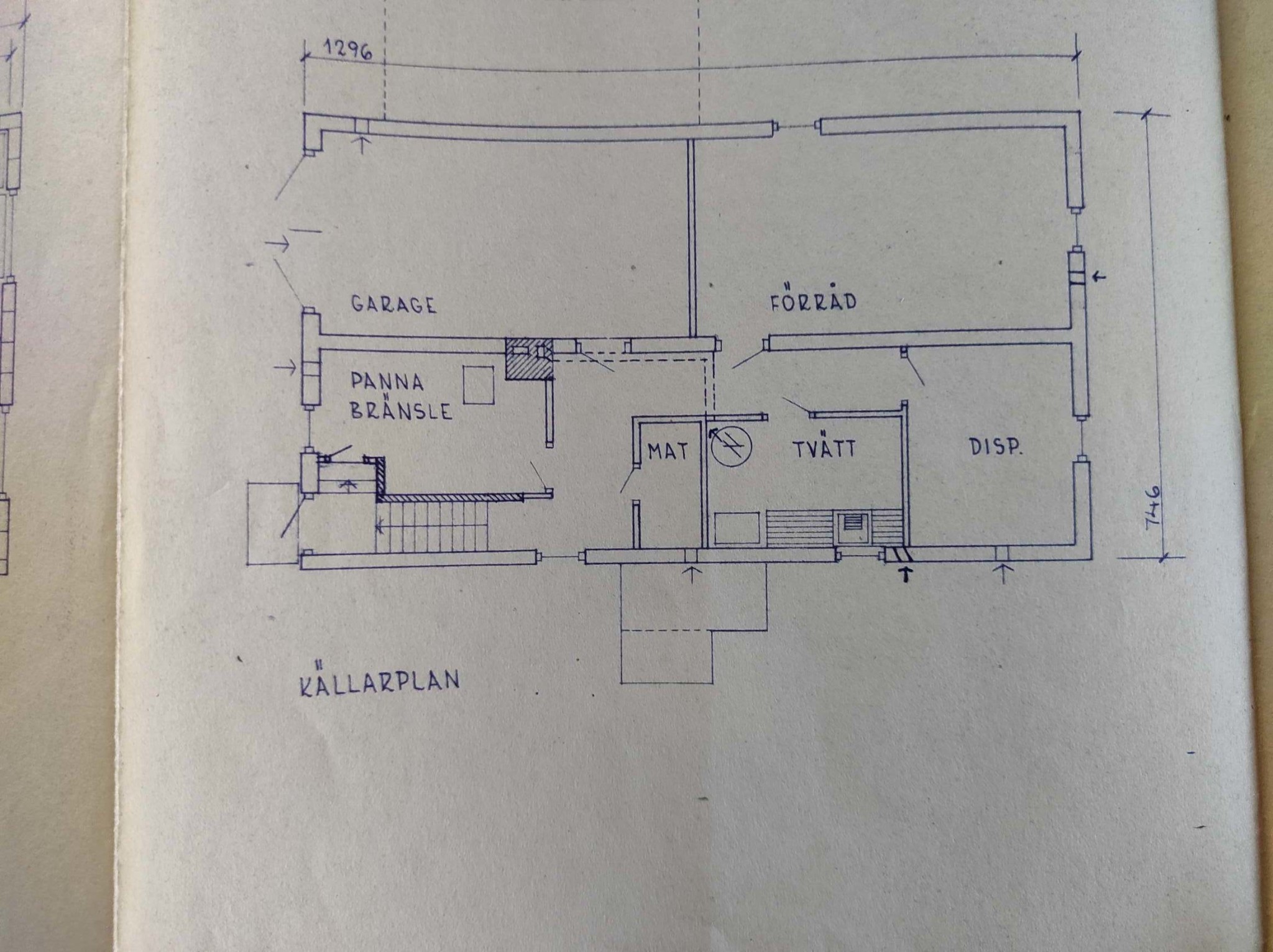
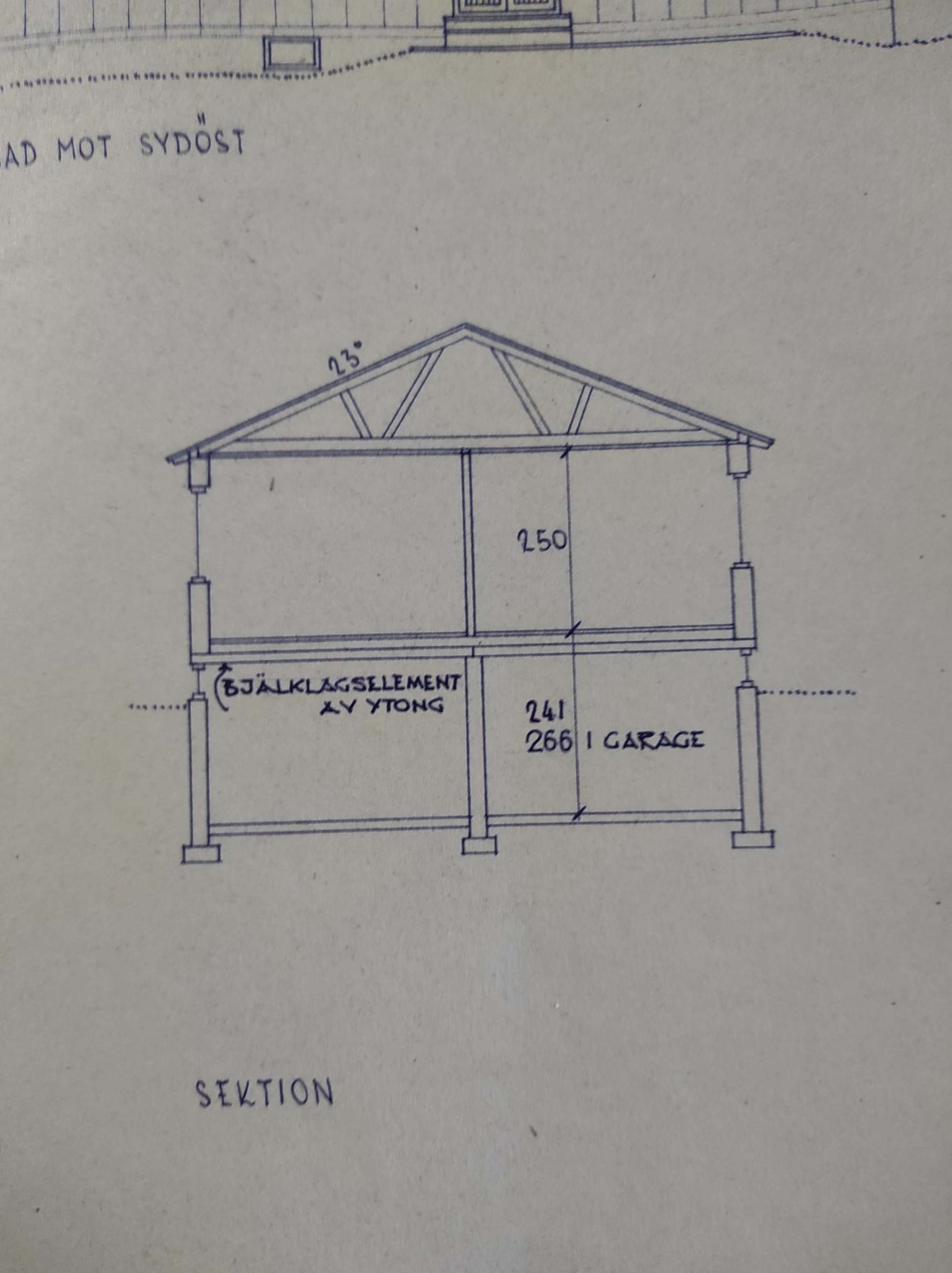
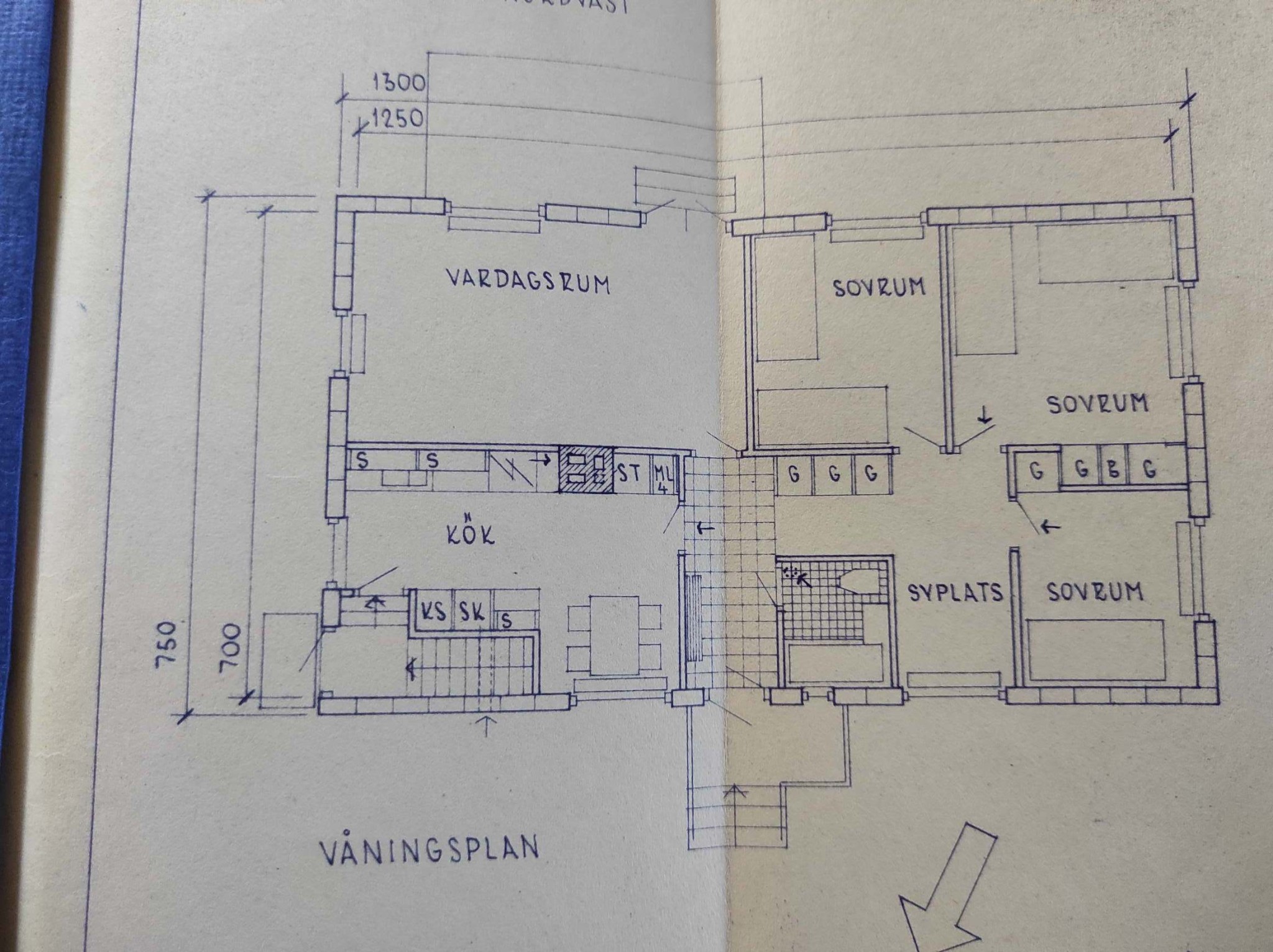
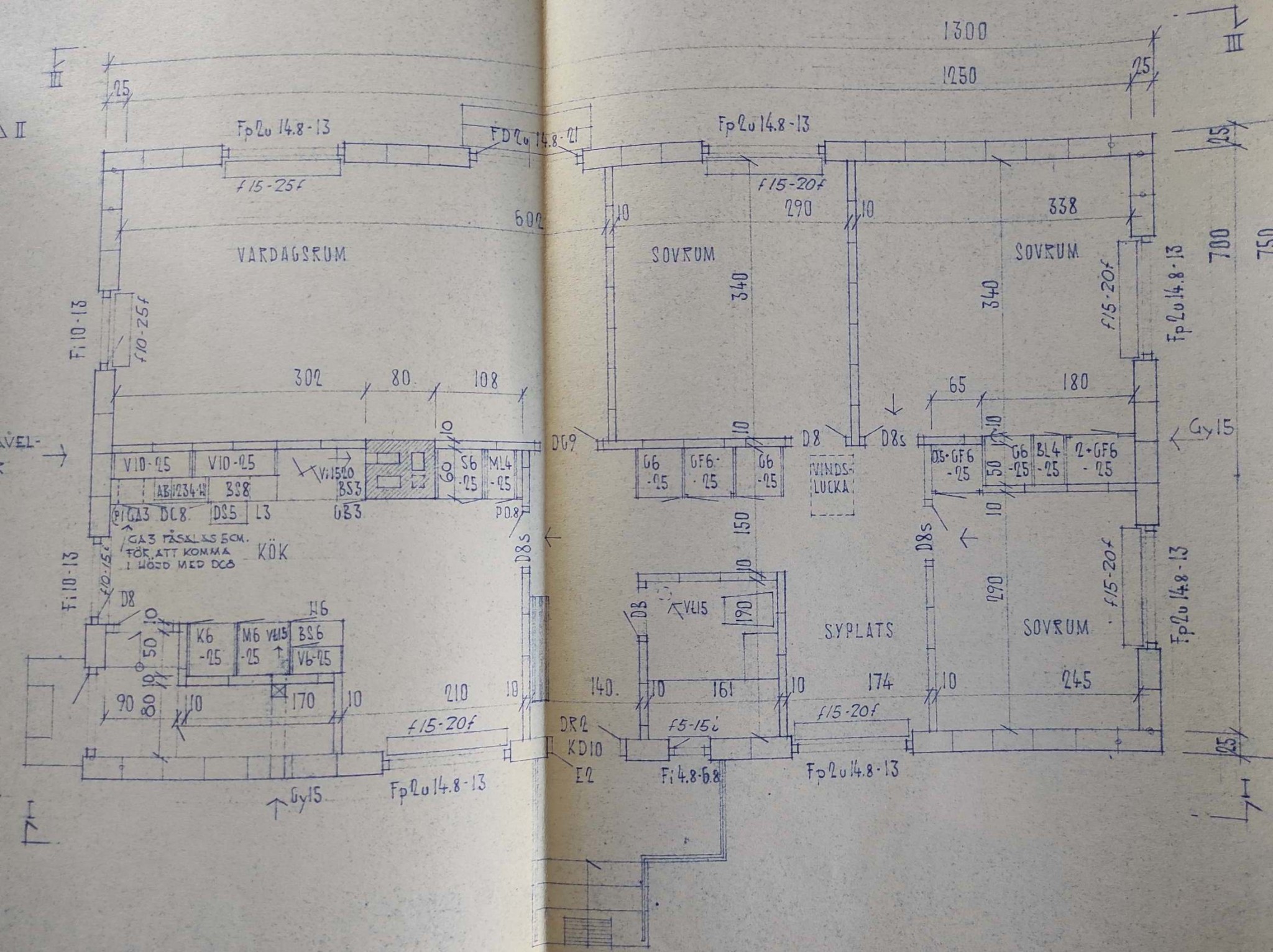
Hello. I'm posting pictures from the original drawings. Might be fun for someone to look at.
This is a Ytong house built in '58 Full of radiant concrete
I'm considering possibly tearing down a basement wall. The wall that is to the right of the laundry room in the picture. Behind it, we currently have a sauna that we don't use.
As someone who isn't an expert, I believe that the load-bearing walls are the facade walls and the wall that runs down the middle of the house, and that all other interior walls can just be taken down if desired.
Am I wrong? And if so, it would be very interesting to know how the construction works
Happy Easter
This is a Ytong house built in '58
Full of radiant concrete I'm considering possibly tearing down a basement wall. The wall that is to the right of the laundry room in the picture. Behind it, we currently have a sauna that we don't use.
As someone who isn't an expert, I believe that the load-bearing walls are the facade walls and the wall that runs down the middle of the house, and that all other interior walls can just be taken down if desired.
Am I wrong? And if so, it would be very interesting to know how the construction works
Happy Easter


However, the portion of the wall closest to the exterior wall may be necessary to prevent all the soil masses outside from pushing the exterior wall inward. In other threads, it has been suggested to retain 0.5 - 1 m of the wall you want to remove.
Okay. It almost sounds unbelievable that a lightweight concrete wall of 0.5 meters could help with soil pressure? to prevent a load-bearing wall from collapsing inward?BirgitS said:
I am not a structural engineer, and it might be a good idea to contact one, but it will be difficult for the exterior wall to be pushed inward if there is something ensuring it remains 90 degrees between the floor and the exterior wall as well as between the roof and the exterior wall. Whether half a meter is sufficient in your case, I don't know.
Click here to reply