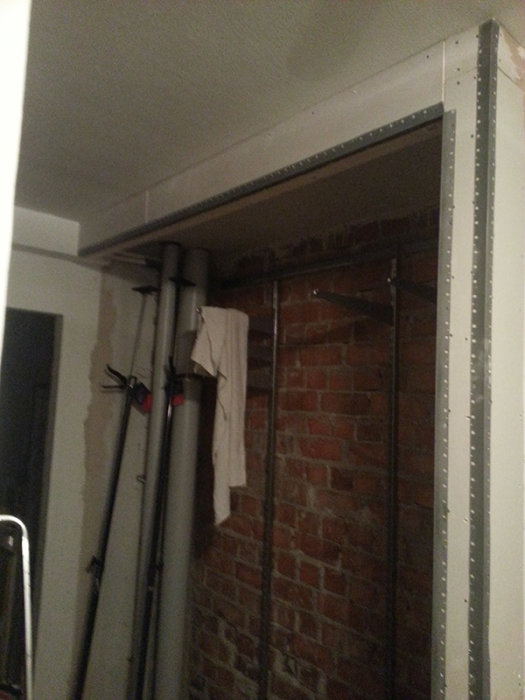
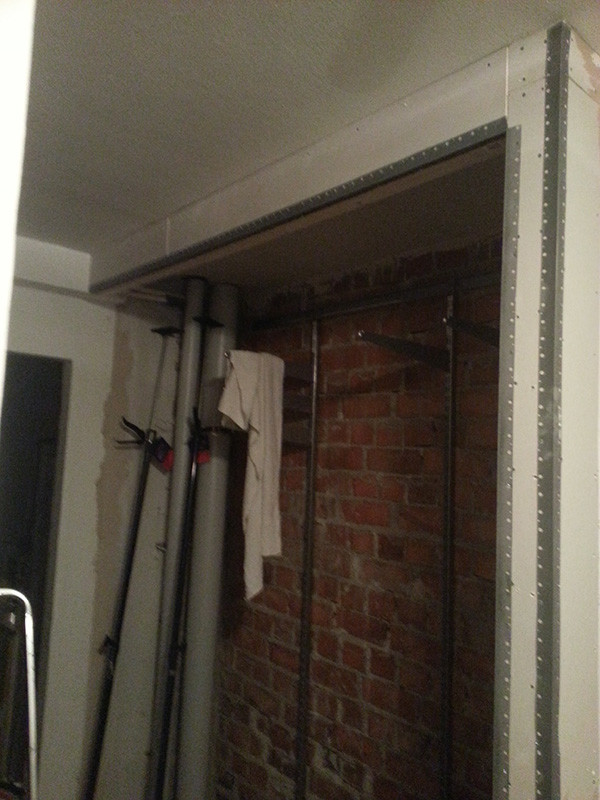
I will start with the build tomorrow, but realized it's smartest to consult the pros. I will explain as thoroughly as I can since I have no picture or the possibility to show a sketch at the moment.
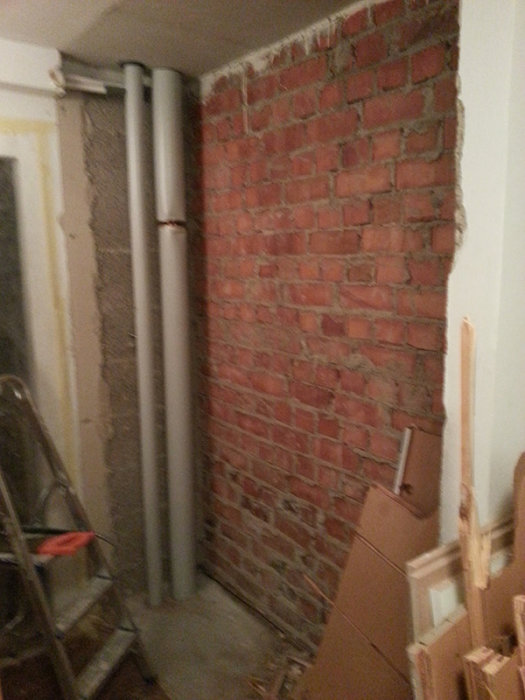
I will be lowering the wall in a space where there used to be a built-in wardrobe. In the space, the water pipes come up and are then led into the bathroom. They run along the wall to the ceiling. Therefore, a box has been built around them to avoid seeing them.
In this space, I'm going to install sliding doors, but they need to be placed 15 centimeters from the ceiling so that they run under the box.
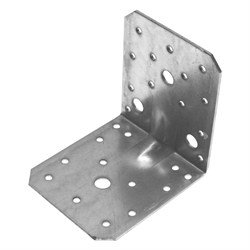
I was planning to attach a rail to the ceiling and one 15cm lower. Then I was planning to attach vertical studs from the upper rail to the lower rail. But, how should I attach them? Angle brackets?
Yes, angles upwards are indeed easier. It gets tight to fit the screwdriver between the studs, so I would have set the top piece, then the standing pieces with angle irons, finish with the lower piece and screw up into the standing pieces with long screws (pre-drill). You might assemble everything on the ground and then screw it up into the ceiling, but then you'd have to screw at an angle into the ceiling to reach.
Remember that it's very important to ensure it is level and straight if you are going to install sliding doors that hang on this wall. A long level and mason's line are useful....
You can replace the vertical studs with plywood or OSB as well; it becomes like a narrow box that will be very stable. Screw a stud to the ceiling, one on each side, and lastly one at the bottom edge of the board. No studs are needed inside it.
What surface are you planning to have on this part, drywall?
The advantage of OSB is that you get an excellent material to screw the track for the sliding doors into. Some tracks need to be attached outside the "wall," and with the board, you don't need to worry about attachment points.
Thank you so much for all the answers.
I had already bought plasterboards for a wall I extended, so I used the remaining plaster here as well. Will go with an expander then. It should work anyway. At the same time, I actually also had MDF left from previous materials for the floor holes in an earlier thread that I could have used as well.
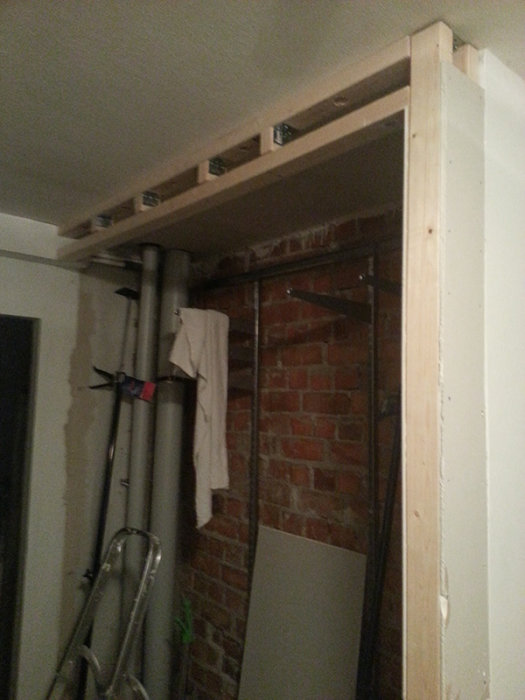
Anyway. I followed my own thought that also matched with Larsa's recommendation and I think it turned out very well. Strong enough to hang on =)
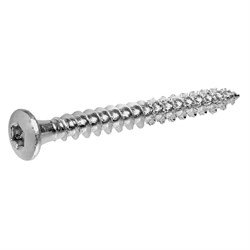
Didn't use anchor screws! Instead, wood screws 40x50 and 40x25.
The sliding doors don't hang on a track but rather "stand," so if it doesn't end up perfectly straight, it's no big deal.
Next up is puttying and painting!
PS. I was a bit too eager because I wanted to see if it would fit in height, so I screwed up the lower rule and couldn't be bothered to take it down to attach the angle brackets at the ends. Didn't think it was necessary since it was secure. And now it's too late!
I also didn't pre-drill the rules.
But one thing I'm skeptical about is that these wooden rules (especially the upper one) were quite bent, so I've forced it up with screws against the ceiling, which has resulted in it feeling like it's cracked a little internally. No external damage, but it did sound a little weak when I tightened the screw...
Could I have done this with steel studs instead? Not hat profiles, I assume. Wood kind of sucks in that it's not always guaranteed to be straight...
Last edited:
Click here to reply
Vi vill skicka notiser för ämnen du bevakar och händelser som berör dig.